Names of Weight Lifting Machines: The Definitive Gym Guide
Walking into a commercial gym often feels like stepping into a cockpit without a flight manual. You see rows of chrome, leather, and cables, but without knowing the proper names of weight lifting machines, it is impossible to write a program or ask a trainer for help. This lack of vocabulary creates unnecessary anxiety.
Understanding the terminology isn't just about sounding smart; it is about safety and efficiency. When you know exactly what a piece of equipment is called, you unlock the ability to research proper form and target specific muscle groups effectively.
Quick Summary: Essential Machine Terminology
If you are looking for a cheat sheet to navigate the gym floor, here are the core machines categorized by their primary function:
- Leg Press: The 45-degree sled used for heavy lower body compounding (Quads, Glutes).
- Lat Pulldown: The overhead cable seat used to build back width (Lats).
- Smith Machine: The barbell fixed within steel rails for guided movement (Full Body).
- Cable Crossover / Functional Trainer: Adjustable dual-pulley system for isolation work (Chest, Shoulders, Arms).
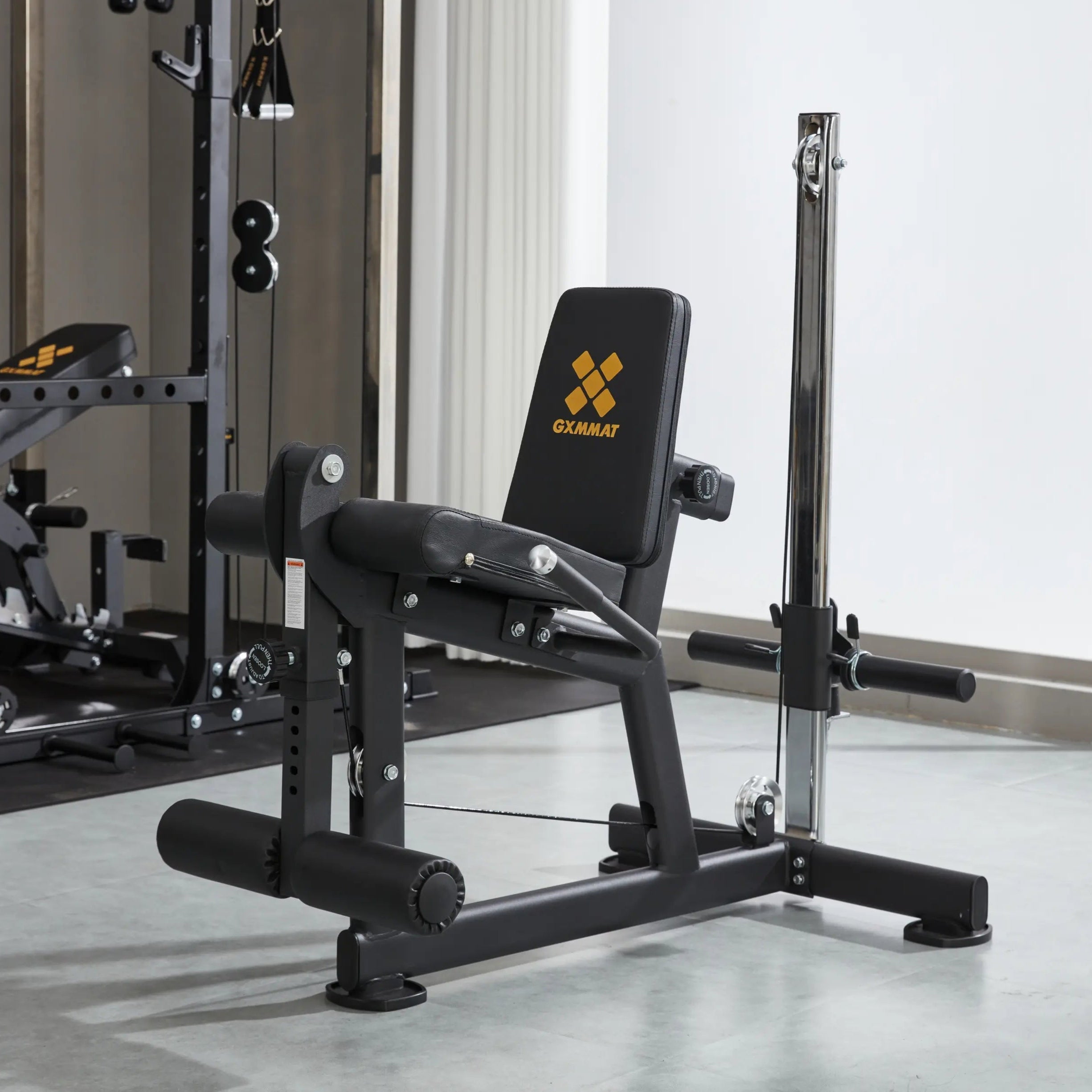
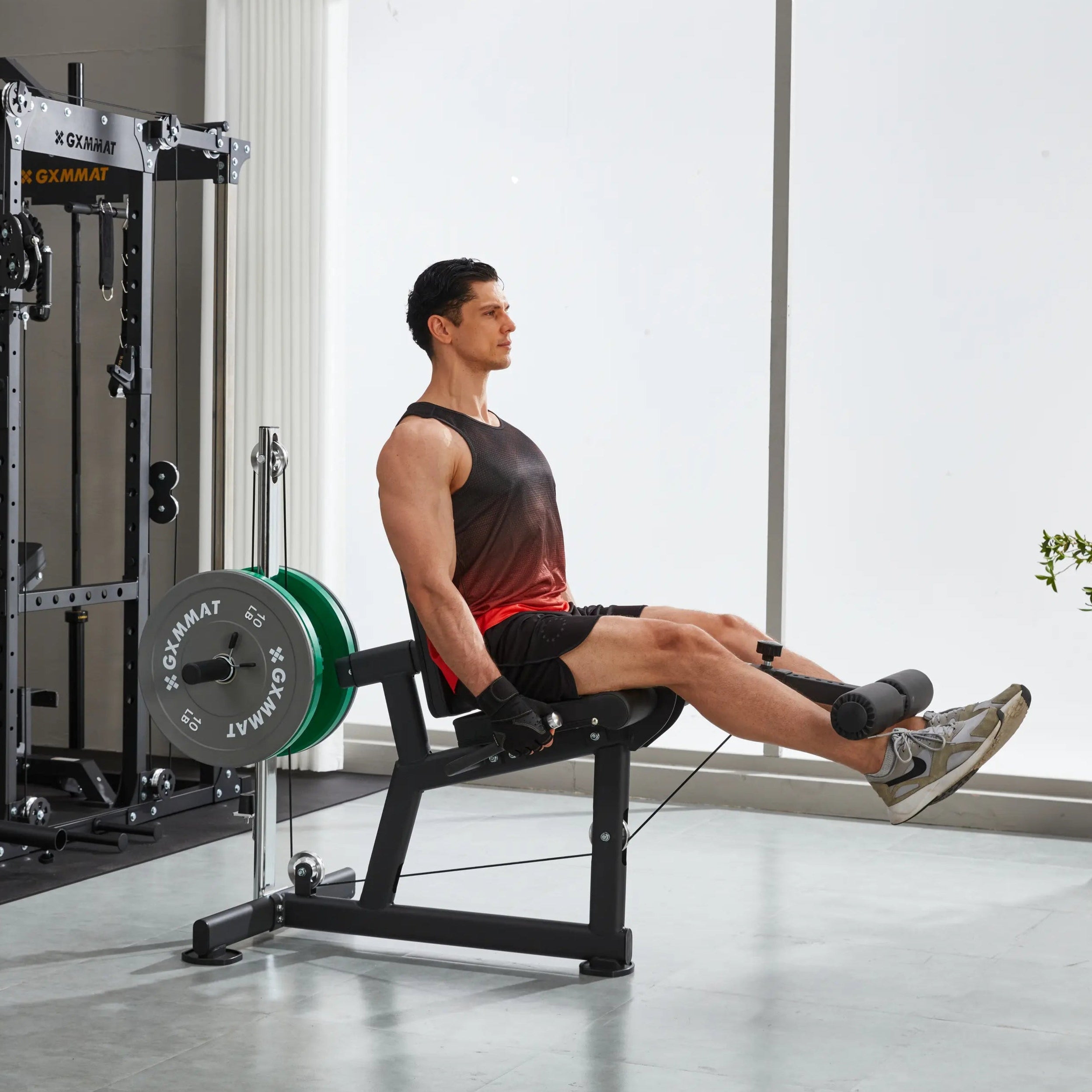
- Leg Extension: Seated machine that kicks upward to isolate the front thigh (Quads).
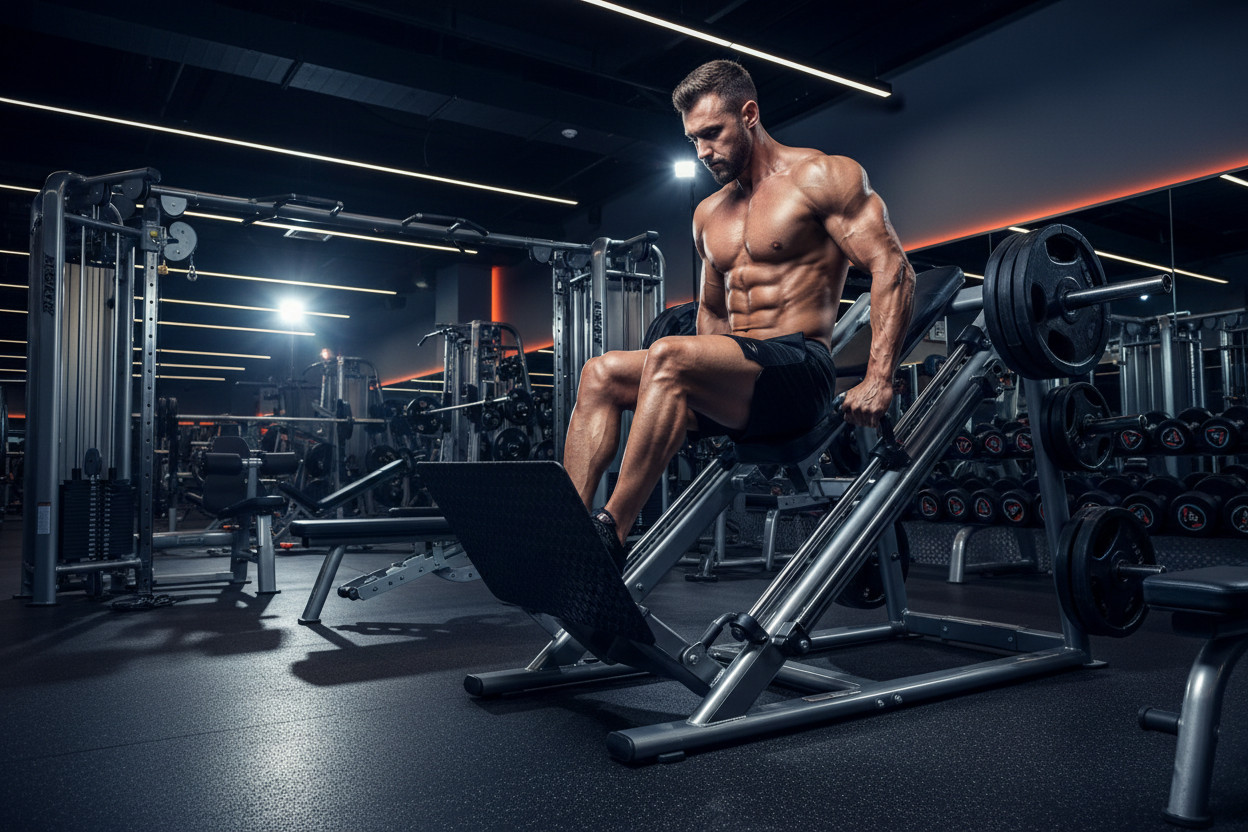
- Hack Squat: A sled machine where you lean back against pads to squat at an angle (Quads).
The Major Compound Movement Machines
These pieces of equipment are designed to simulate major barbell lifts but with added stability. They are the workhorses of machine-based training.
The Leg Press
You will usually see two types: the horizontal selectorized press (with a pin) and the 45-degree plate-loaded press. The 45-degree version is the king of machine leg training. It removes the stabilization required in a barbell squat, allowing you to load significantly more weight onto your quadriceps and glutes without worrying about lower back fatigue.
The Smith Machine
Often controversial, the Smith Machine is essentially a barbell attached to vertical or slightly angled rails. It allows for vertical movement but eliminates horizontal sway. While critics argue it removes the need for stabilizers, it is an excellent tool for hypertrophy because you can push to absolute failure safely without a spotter. It is commonly used for bench presses, squats, and shoulder presses.
The Hack Squat
This looks similar to a leg press, but inverted. You stand on a platform and lean your back against a sled that slides on rails. The name comes from the way it mimics lifting a weight from the floor behind your heels. It places immense tension on the quadriceps and removes the balance element of a free-weight squat.
Upper Body Pulling and Pushing
When learning weight training machines names, categorizing them by "push" and "pull" helps you remember their function.
Lat Pulldown
This is likely the most popular back machine. It mimics a pull-up but allows you to adjust the resistance to less than your body weight. The key here is the thigh pad; it anchors you down so the weight pulls your muscles, not your body, upward.
Seated Cable Row
Usually located near the lat pulldown, this long-bench machine targets the thickness of the back (rhomboids and traps). Unlike chest-supported rows, this requires you to maintain a strong, static lower back position while the cable pulls you forward.
Pec Deck / Machine Fly
This machine isolates the chest muscles by removing the triceps from the equation. You sit with arms outspread and bring them together. It is strictly an isolation movement, meaning it is best used at the end of a workout to fully fatigue the pectoral fibers.
The Cable Station (Functional Trainer)
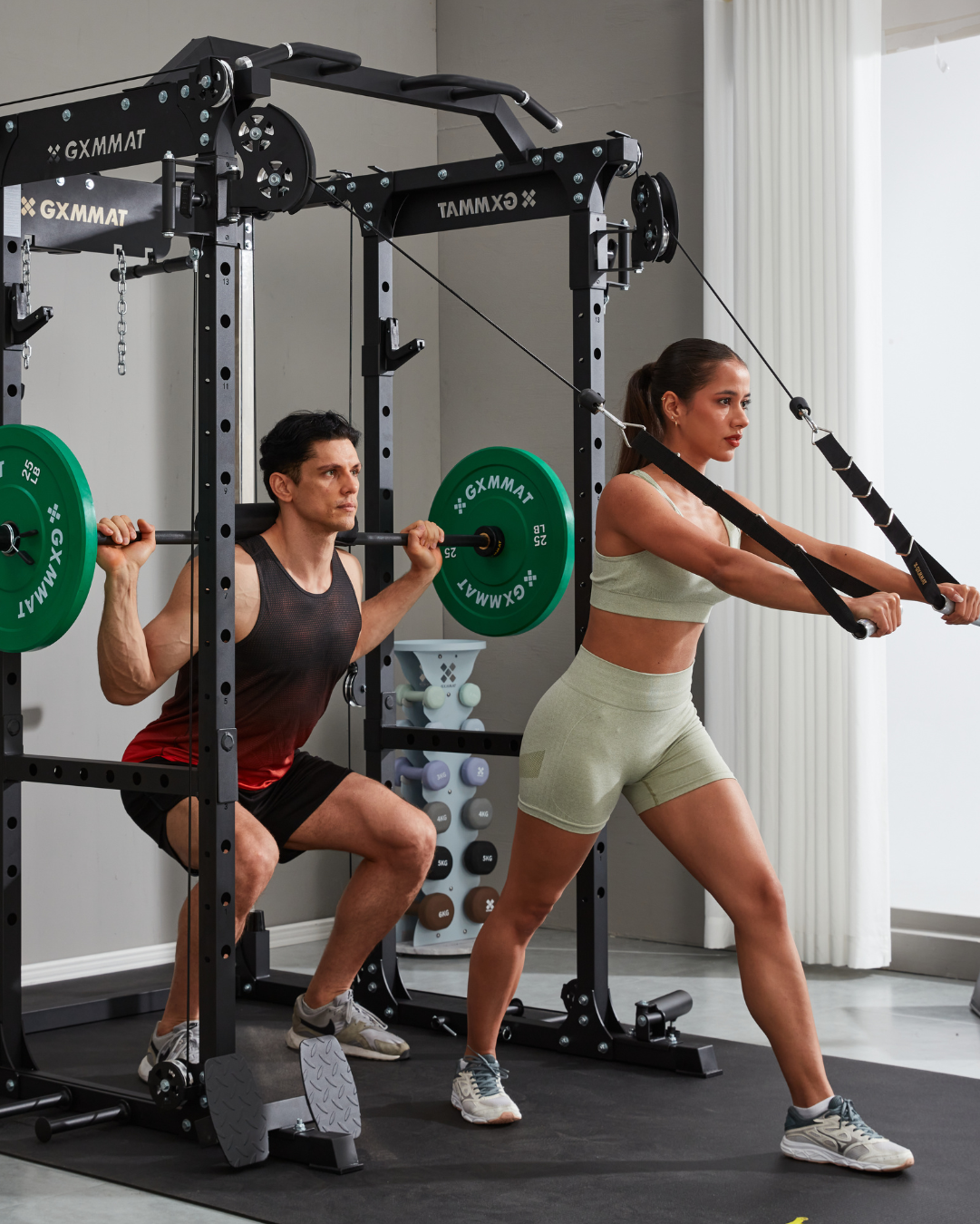
If you see a wide frame with two adjustable pulley handles, that is the Functional Trainer (often called the Cable Crossover). This is the most versatile tool in the gym. Because cables provide constant tension throughout the range of motion—unlike dumbbells, which rely on gravity—it is superior for rotational movements and tricep/bicep isolation.
My Training Log: Real Talk
I want to share a specific detail about the Smith Machine that manuals rarely mention. The first time I used one for bench pressing, I didn't realize that the bar path is often fixed at a slight angle, not perfectly vertical. I set up facing the wrong way.
As I lowered the bar, instead of coming down to my chest naturally, the fixed path forced my shoulders into an awkward, internally rotated position. It felt like the machine was fighting my joints. The friction of the rails was also distinct—a gritty, grinding vibration you can feel in your palms that you never get with a free barbell. If you use a Smith Machine, always check the angle of the rails before you load the plates. If it's angled, make sure the bar moves back toward your face as you press up, not away toward your knees.
Conclusion
Knowing the correct terminology for gym equipment transforms the gym from a confusing maze into a calculated training environment. Once you can identify a Hack Squat from a Leg Press, or a Functional Trainer from a Smith Machine, you can structure your workouts with intent rather than guessing.
Frequently Asked Questions
What are the names of the arm machines?
The most common arm machines are the Preacher Curl machine (for biceps) and the Tricep Press-down machine. You will also frequently use the Cable Station with rope attachments for tricep extensions and bicep curls.
Is the Smith Machine better than free weights?
It is not better or worse; it is different. Free weights build stabilizers and coordination. The Smith Machine is better for isolating prime mover muscles and training safely to failure without a spotter.
What is the machine called where you pull the ropes toward your face?
That exercise is called a Face Pull, and it is performed on the Cable Pulley machine (or Functional Trainer) using a rope attachment. It is critical for rear deltoid and rotator cuff health.