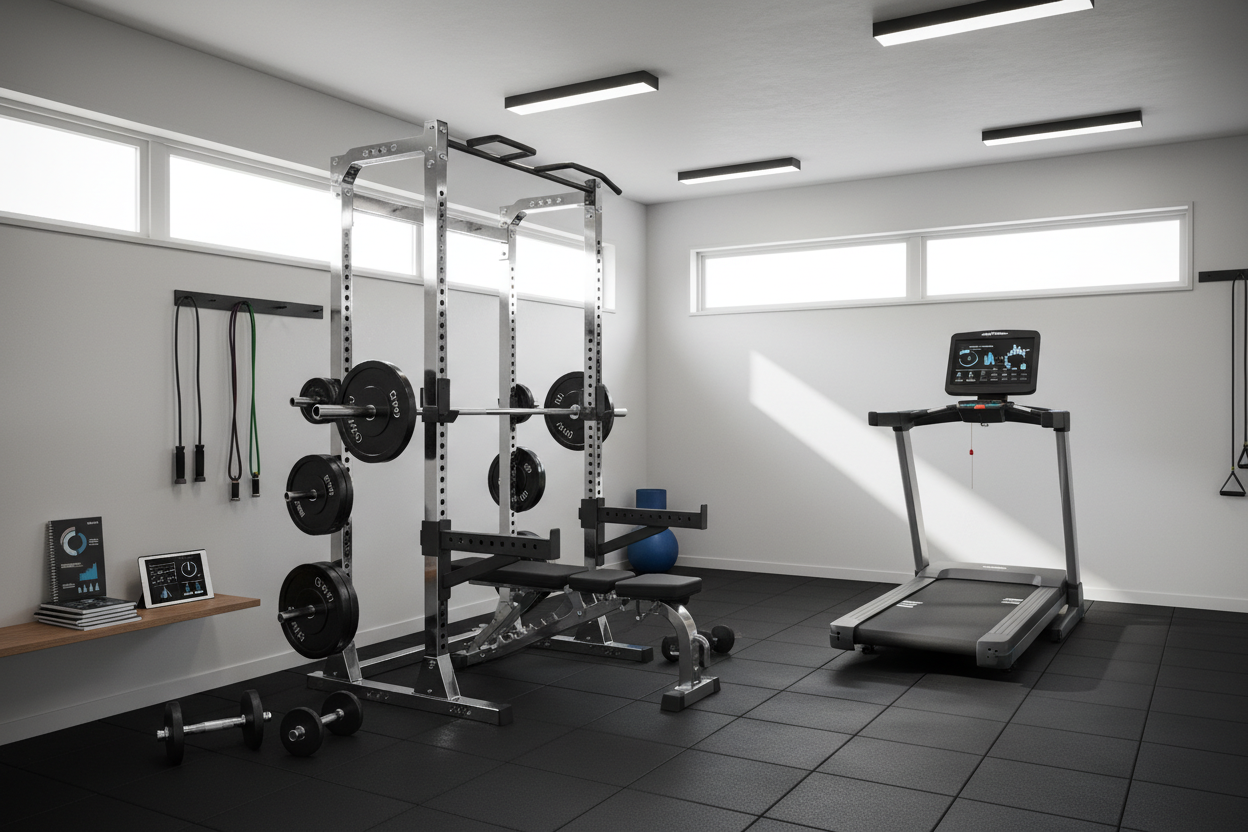
Name of Weights: The Definitive Guide to Gym Equipment Terminology
Walking into a commercial gym for the first time can feel like entering a foreign country where everyone speaks a language you haven't learned yet. You see racks of metal, heavy discs, and strange machines, but asking "what is that thing?" can feel embarrassing. Knowing the correct name of weights isn't just about gym etiquette; it is crucial for following a program safely and effectively.
Key Takeaways: Gym Equipment Terminology
- Dumbbells: Handheld weights used for isolation and compound movements; usually sold in pairs.
- Barbells: Long metal bars (usually 45 lbs/20 kg) that hold weight plates on either end.
- Weight Plates: The heavy discs loaded onto barbells or machines; types include iron grip and bumper plates.
- Kettlebells: Ball-shaped cast iron weights with a handle on top for ballistic movements.
- Selectorized Machines: Equipment with a weight stack where you insert a pin to choose the load.
Decoding the Free Weights Section
The "free weights" area is usually the most intimidating part of the floor, but it offers the most versatility. These tools are not attached to a machine, requiring you to stabilize the load yourself. Here is exactly what these weights are called.
The Dumbbell
When people search for "lifting weights names," this is usually what they picture first. Dumbbells are short bars with fixed weight on either end. They are the most recognizable gym weight names.
In most commercial gyms, you will find fixed dumbbells arranged on a rack in 5-pound increments. Home gyms often utilize adjustable dumbbells, which allow you to change the heavy load on a single handle using a dial or pin system.
The Barbell
The long metal bar is called a barbell. However, not all bars are created equal. The standard in almost every serious facility is the Olympic Barbell. It is 7.2 feet long and weighs exactly 45 lbs (20 kg). The ends (sleeves) rotate to reduce torque on your wrists during lifts.
You might also encounter the EZ Curl Bar. This is shorter and has a zigzag shape. The angled grip is designed to reduce wrist strain during bicep curls and tricep extensions.
Weight Plates (The Discs)
Those heavy round discs you slide onto the barbell have specific names depending on their material and purpose.
- Iron Plates: Traditional cast iron discs. They are loud when they bang together and are smaller in diameter as the weight decreases.
- Bumper Plates: Made of dense rubber. They are all the same diameter regardless of weight (10 lbs looks the same size as 45 lbs). These are designed to be dropped safely during Olympic lifting or Crossfit movements.
- Grip Plates: These have handles cut into them, making them easier to carry around the gym floor.
What Are Weights Called in the Machine Zone?
Moving away from free weights, you will find machines that guide your range of motion. Understanding these different weight names helps you track your progress accurately.
Selectorized Weight Stacks
If you see a rectangular stack of metal bricks with numbers on them, that is a selectorized machine. You use a magnetic pin (the "selector key") to choose your resistance. This is ideal for beginners because there is no setup time.
Plate-Loaded Machines
These machines look like a hybrid. They have a fixed movement path like a machine, but they don't have a built-in stack. Instead, they have metal pegs where you must manually load weight plates. The most famous brand name for this style is "Hammer Strength."
Specialized Functional Equipment
Modern gyms are filled with functional tools that don't fit the classic mold. Here are the types of weights with pictures you might see on training apps:
- Kettlebells: A cannonball with a handle. Unlike a dumbbell, the center of mass extends beyond your hand, which forces your stabilizer muscles to work harder.
- Medicine Balls: Heavy, leather or rubber balls. Some bounce (for wall balls), and some are "dead" (slam balls) which do not bounce when thrown against the floor.
- Sandbags: Literally bags filled with sand. The weight shifts constantly, making the lift awkward and mimicking real-life manual labor.
My Personal Experience with Name of Weights
I remember my first week transitioning from a commercial "globo-gym" to a serious powerlifting warehouse. I confidently walked up to a bar to warm up, assuming it was a standard 45-pounder. I didn't realize it was a "squat bar"—a thicker, stiffer bar that actually weighs 55 lbs (25 kg).
When I unracked it, the weight felt wrong immediately. The knurling (that rough texture on the metal) was so aggressive it felt like a cheese grater against my palms compared to the smooth chrome bars I was used to. I also learned the hard way about the difference between "calibrated plates" and standard gym plates. I loaded what I thought was my max, but calibrated plates are extremely precise. That bar didn't bend an inch, and the weight felt heavier than anything I'd touched before. Knowing exactly what you are lifting—down to the specific type of bar—changes the math and the feel of the lift entirely.
Conclusion
Learning the name of weights at the gym is the first step toward autonomy in your fitness journey. Once you know the difference between a bumper plate and an iron plate, or a barbell and a dumbbell, the gym floor stops being a maze and starts becoming a playground. Don't be afraid to ask staff if you are unsure; safety always trumps ego.
Frequently Asked Questions
What are the big round weights at the gym called?
These are called weight plates. If they are made of rubber and are all the same size, they are specifically called bumper plates. If they are metal with holes for your hands, they are often called grip plates.
What are the handheld weights called?
The most common handheld weights are called dumbbells. If the weight is a ball with a handle on top, it is a kettlebell. Both are considered "free weights" because they are not attached to a machine.
What is the long bar weight called?
The long bar is called a barbell. A standard Olympic barbell weighs 45 lbs (20 kg). Shorter, zigzag-shaped bars used for arm exercises are called EZ Curl bars.