My Wake-Up Call: Why Is Muscle Strength Important After 30?
I spent my 20s convinced that a 20-mile weekly running habit made me invincible. I was lean, my resting heart rate was in the 50s, and I figured I’d 'won' the fitness game. Then I tried to move a three-seater sofa into my new apartment. My lungs were fine, but my spine felt like it was being folded by a professional wrestler. I spent the next ten days on the floor, questioning why is muscle strength important if I couldn't even handle a piece of furniture without a medical emergency.
- Strength training builds bone density and prevents the natural muscle loss that starts in your 30s.
- Muscular resilience protects your joints by acting as a shock-absorbing suspension system.
- Real-world power makes daily tasks—like hauling groceries or lifting kids—safer and easier.
- You don't need a massive commercial gym; a minimalist home setup can build elite-level resilience.
The Day I Realized Cardio Wasn't Going to Save Me
That couch incident was a ego-bruising reality check. I realized that being 'in shape' from a cardiovascular standpoint is only half the battle. You can have the biggest engine in the world, but if your chassis is made of cardboard, you're going to break down under a heavy load. Running didn't give me the core stability to keep my spine neutral under pressure, and it certainly didn't build the grip strength I needed to hold onto that sofa. I was cardiovascularly fit but physically fragile.
Building raw physical resilience is about more than just looking good in a t-shirt. It's about ensuring that your body is capable of performing work when life demands it. Whether it's changing a tire, carrying a heavy box of holiday decorations down from the attic, or just standing up from a low chair, strength is the currency you use to pay for your independence as you get older.
The Brutal Truth About Muscle Loss Over Time
There is a medical term for what happens if you ignore the importance of muscular strength: sarcopenia. It sounds like a villain from a sci-fi movie, and it kind of is. Starting around age 30, you begin to lose 3% to 5% of your muscle mass per decade if you aren't actively training to keep it. By the time you're 60, you're walking around with a significantly smaller 'engine' than you had in your prime.
This isn't just about aesthetics. Muscle is a metabolic powerhouse. It helps manage blood sugar, supports your immune system, and keeps your hormonal profile in a healthy range. I’ve found that strength training is the ultimate resilience practice because it forces you to confront discomfort and adapt. It's a biological insurance policy against the frailty that most people accept as an inevitable part of aging.
Everyday Armor: Why Is Muscular Fitness Important?
So, why is muscular fitness important when you aren't planning on entering a bodybuilding show? Think of muscle as armor. When you have a solid base of strength, you have a higher 'margin of error' for life's accidents. If you trip on a curb, strong glutes and quads allow you to catch yourself. If you reach for something on a high shelf, a strong core keeps your back from 'tweaking' under the strain.
I noticed the change most in the mundane moments. Carrying four bags of groceries in each hand stopped being a struggle and became a routine task. I could play with my kids on the floor for an hour without my knees clicking like a castanet when I tried to stand up. This 'everyday armor' is the real reason we lift heavy iron. It makes the world feel lighter.
Bulletproofing Your Joints with Iron
People often avoid lifting because they’re afraid of hurting their joints, but the opposite is true. When you build muscle around your knees, shoulders, and hips, those muscles take the brunt of the impact from daily movement. Without that muscle, your skeleton absorbs 100% of the force. I used to wear knee sleeves just to go for a long walk; once I started squatting regularly, my 'bad' knee suddenly felt 20 years younger.
Stop Overcomplicating Your First Steps
The biggest mistake I see people make when they finally realize the muscular strength importance is overcomplicating the process. They buy five different apps, join three gyms, and try to follow a pro bodybuilder's six-day-a-week split. That is a recipe for burnout and injury. You don't need a complicated routine to see results; you need consistency with the basics.
In my experience, your list of muscular strength exercises is way too long if it includes dozens of isolation movements. You don't need three different types of bicep curls. You need to squat, hinge, push, and pull. Focus on compound movements that use multiple joints at once. These are the lifts that build the most muscle and provide the most carryover to your actual life.
The Minimalist Home Setup for Real Resilience
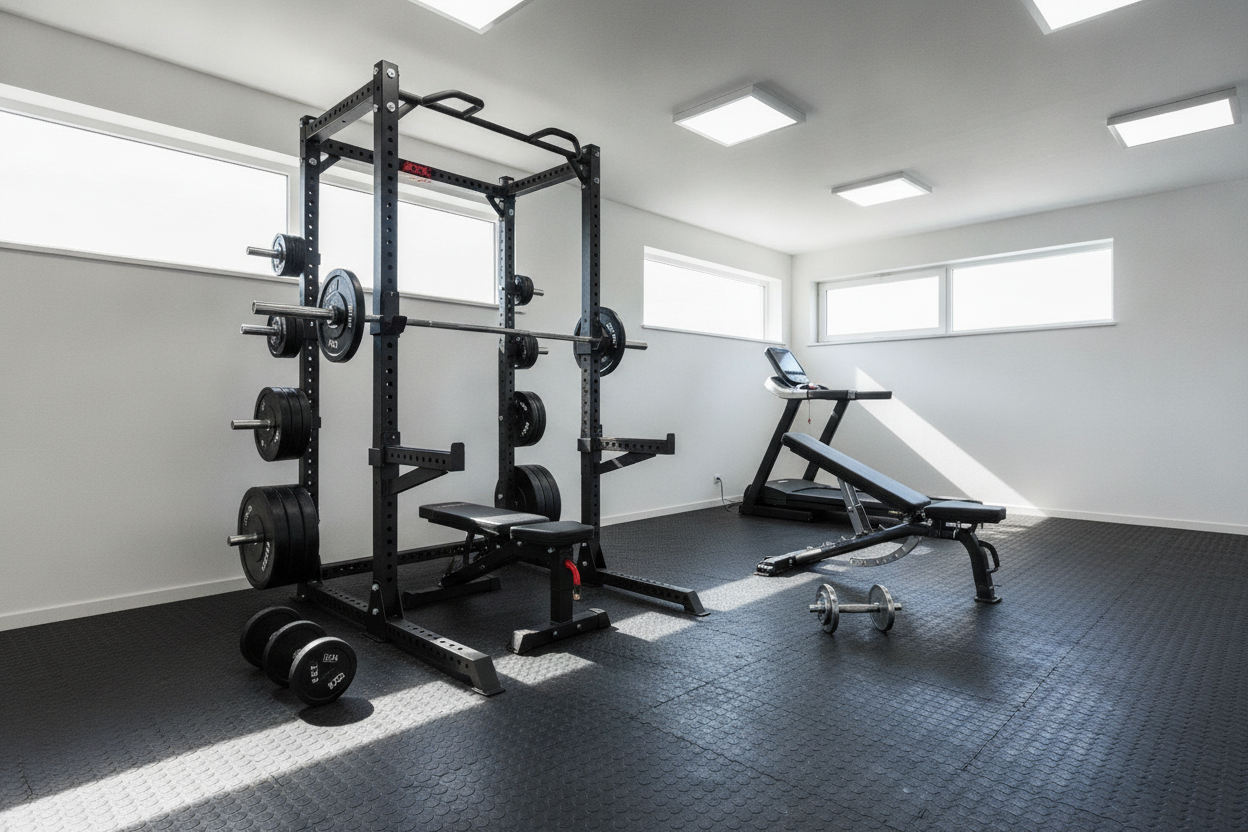
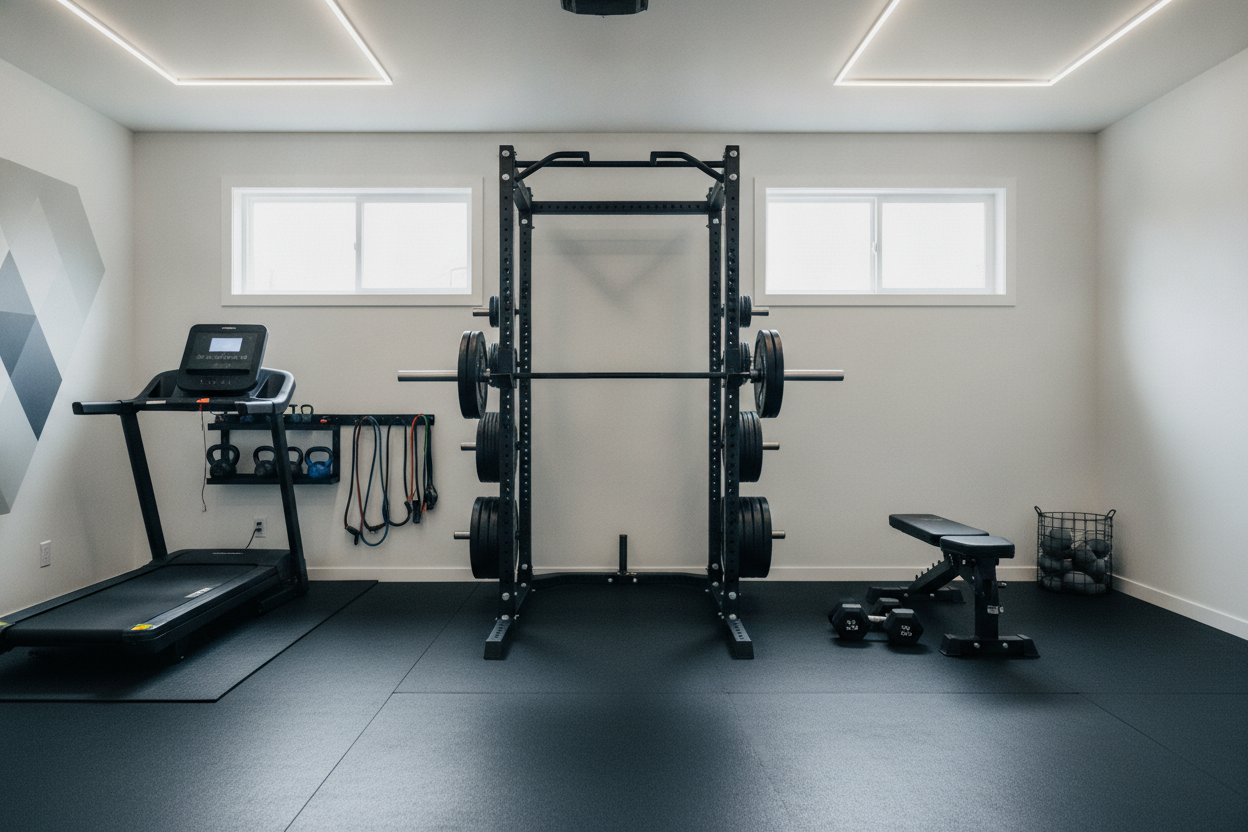
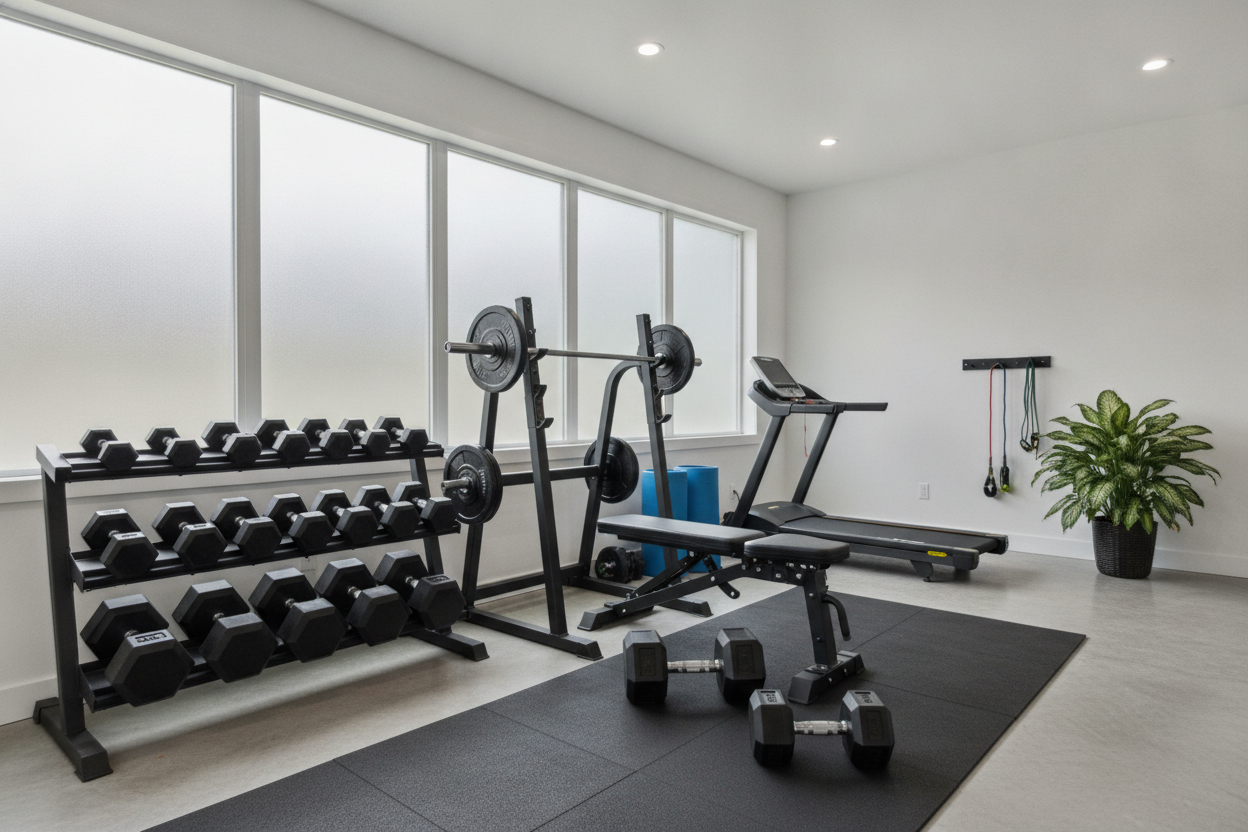
You don't need a 2,000-square-foot facility to get strong. I built my foundation in a 10x10 corner of my garage. If you're serious about building real-world power, start with some basic strength equipment. A sturdy power rack, a high-quality barbell with decent knurling, and some iron plates will take you further than any fancy cable machine ever could. I've wasted money on cheap, hollow bars that bent under 250 pounds—don't make that mistake. Buy a bar with a 190,000 PSI tensile strength rating and it will last your entire life.
As you progress, you might want to add a few strength training accessories to your kit. A 10mm leather lifting belt is great for keeping your spine braced during heavy squats, and some chalk can help your grip when the humidity in the garage gets high. Keep it simple, keep it heavy, and keep it consistent. That’s the only 'secret' to building a body that won't break down when life gets heavy.
FAQ
How many days a week should I lift?
For most people, three days a week for 45 to 60 minutes is the sweet spot. This allows for plenty of recovery time, which is when the actual muscle growth happens. If you're over 40, recovery is just as important as the workout itself.
Will I get 'too bulky' if I lift heavy?
No. Building significant muscle mass is incredibly difficult and requires a massive caloric surplus. Lifting heavy will make you denser, firmer, and stronger, but you won't wake up looking like a pro bodybuilder by accident.
Can I build strength with just bodyweight exercises?
You can build a baseline of fitness, but to truly maximize strength, you need external resistance. Your bodyweight doesn't change much day-to-day, but you can always add another five pounds to a barbell. That 'progressive overload' is what forces your body to adapt and grow stronger.