My Problem With The Woman's Guide to Strength Training
I remember walking into a big-box gym five years ago and seeing the clear divide. On one side, guys were clanging 45-pound plates and grunting through heavy sets. On the other, a group of women was following a trainer through a 'sculpting' circuit using 3-lb pink dumbbells and those flimsy rubber bands. It made my skin crawl. If you’ve been looking for the woman's guide to strength training, you’ve probably been fed a lot of nonsense about 'toning' and 'lengthening' muscles that literally don't work that way.
The truth is, muscle doesn't have a gender. It responds to one thing: mechanical tension. If you aren't challenging your body with actual weight, you aren't training; you're just doing expensive chores. I'm tired of seeing women waste months on high-rep fluff that yields zero visible results.
- Toning is just a marketing word for building muscle and losing body fat.
- High reps with light weights improve endurance, not strength or shape.
- Compound movements (squats, deadlifts, presses) are the fastest way to change your physique.
- Progressive overload is the only 'secret' that actually works.
Why Magazine Workouts Are Keeping You Weak
The fitness industry has a vested interest in keeping you on the treadmill or in high-intensity 'burn' classes. Why? Because those classes are addictive and easy to sell. But here’s the reality: those 20-rep sets of 'glute pulses' aren't providing enough stimulus to force your body to change. To build muscle—the stuff that actually gives you the 'toned' look you're after—you need to recruit high-threshold motor units. That only happens when the weight is heavy enough to make the last few reps of a set feel difficult.
When you do 50 reps of a bodyweight squat, your heart rate goes up, but your muscle fibers aren't being pushed to their limit. You're building metabolic efficiency, not strength. If you want to see a difference in the mirror, you have to stop chasing the 'sweat' and start chasing the 'weight.' My problem with the typical woman's guide to strength training is that it treats women like they're made of glass. You aren't. You're capable of moving serious iron, and your bones and joints will actually get denser and stronger because of it.
Stop Fearing the Heavy Section of the Gym
The most common fear I hear is, 'I don't want to get bulky.' Let me be clear: you won't. Unless you are eating a massive caloric surplus and spending four hours a day in the gym for five years, you aren't going to accidentally wake up looking like a pro bodybuilder. Women simply don't have the natural testosterone levels to pack on massive amounts of muscle without extreme effort. What you will get is a harder, more athletic-looking body.
If the barbell rack feels like a 'boys club' and intimidates you, that’s okay. You don't have to start there. I often suggest using strength training machines for safe growth when you’re first finding your footing. Machines like the leg press or the chest press allow you to move heavy loads with a fixed path of motion, reducing the risk of form breakdown while you build the base level of strength needed for free weights. Don't let the ego of the 'hardcore' lifters stop you from using the tools available to you.
The Four Basic Lifts That Will Change Your Physique
You don't need a library of 50 different exercises. You need four. If you master the squat, the hinge, the push, and the pull, you've covered 95% of what matters. Influencers love to post 'creative' exercises because they need new content every day, but the basics are what actually build the foundation. Stop doing the 'rainbow kicks' and start focusing on movements that allow you to add weight over time.
The Squat and Hinge (Lower Body Reality)
If you want to build your glutes and hamstrings, you have to load them. A bodyweight air squat will only take you so far. You need to be thinking about Goblet squats with a heavy kettlebell or Romanian deadlifts with a barbell. These movements target the largest muscle groups in your body, which also gives you the biggest 'bang for your buck' in terms of hormonal response and calorie burn.
As you progress, your legs will likely become much stronger than your hands. I’ve seen so many women stop increasing their deadlift weight because their hands hurt. This is exactly when you should invest in basic strength training accessories like lifting straps or a high-quality belt. Don't let a weak grip limit the growth of your strongest muscles. There’s no prize for 'suffering' through a lift with bad gear.
The Press and Pull (Upper Body Reality)
Stop neglecting your upper body. A strong back and shoulders create the illusion of a smaller waist and give you that 'athletic' silhouette. You should be rowing—hard. Whether it's a seated cable row or a one-arm dumbbell row, pulling movements are essential for posture. For pressing, the overhead press is king. It builds shoulder stability and core strength simultaneously. Forget those 2-lb lateral raises; grab something that actually feels heavy by the eighth rep.
What Gear Do You Actually Need to Start?
If you're training at home, don't buy those neoprene-coated sets that stop at 10 lbs. You'll outgrow them in three weeks. You need real equipment. A solid setup starts with a 15kg or 20kg Olympic barbell and a set of plates. If you're serious, this guide to equipment for resistance training covers the nuances of knurling and sleeve rotation, which actually matters for your wrist health.
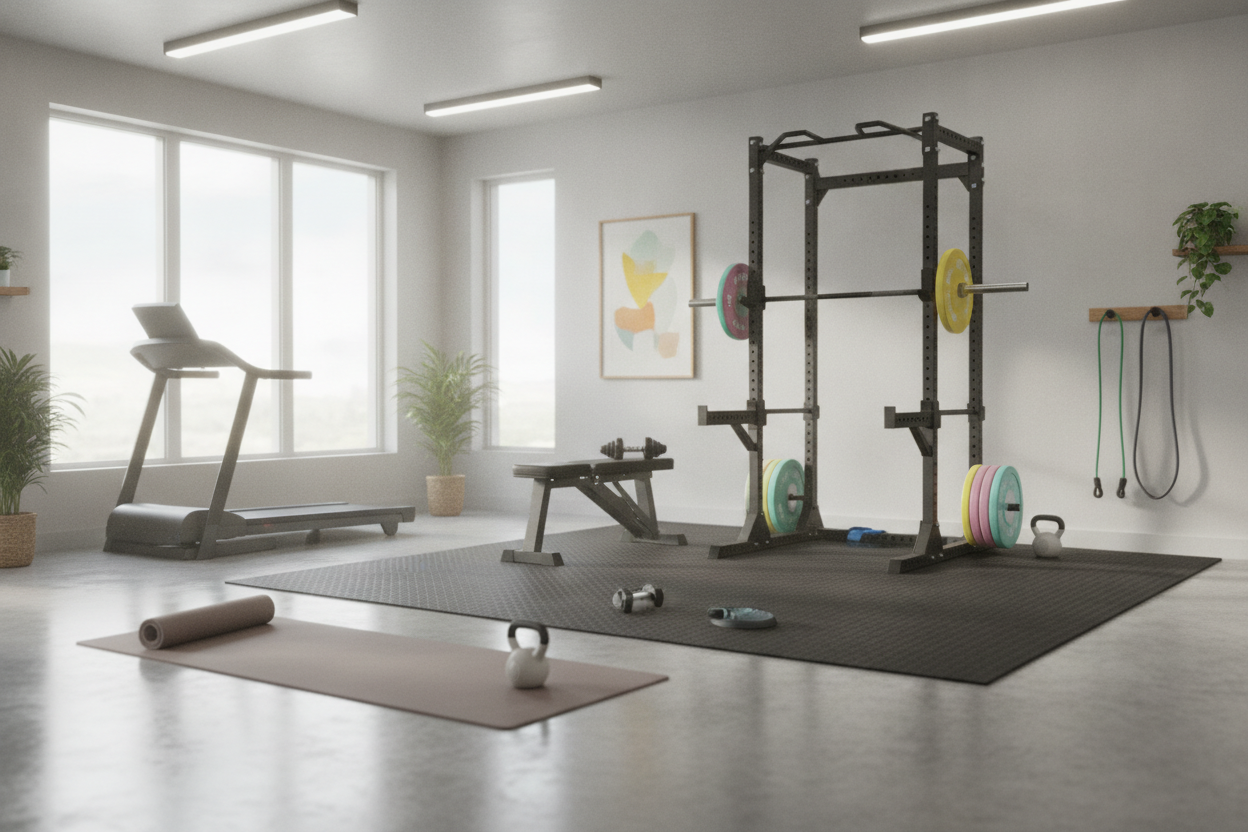
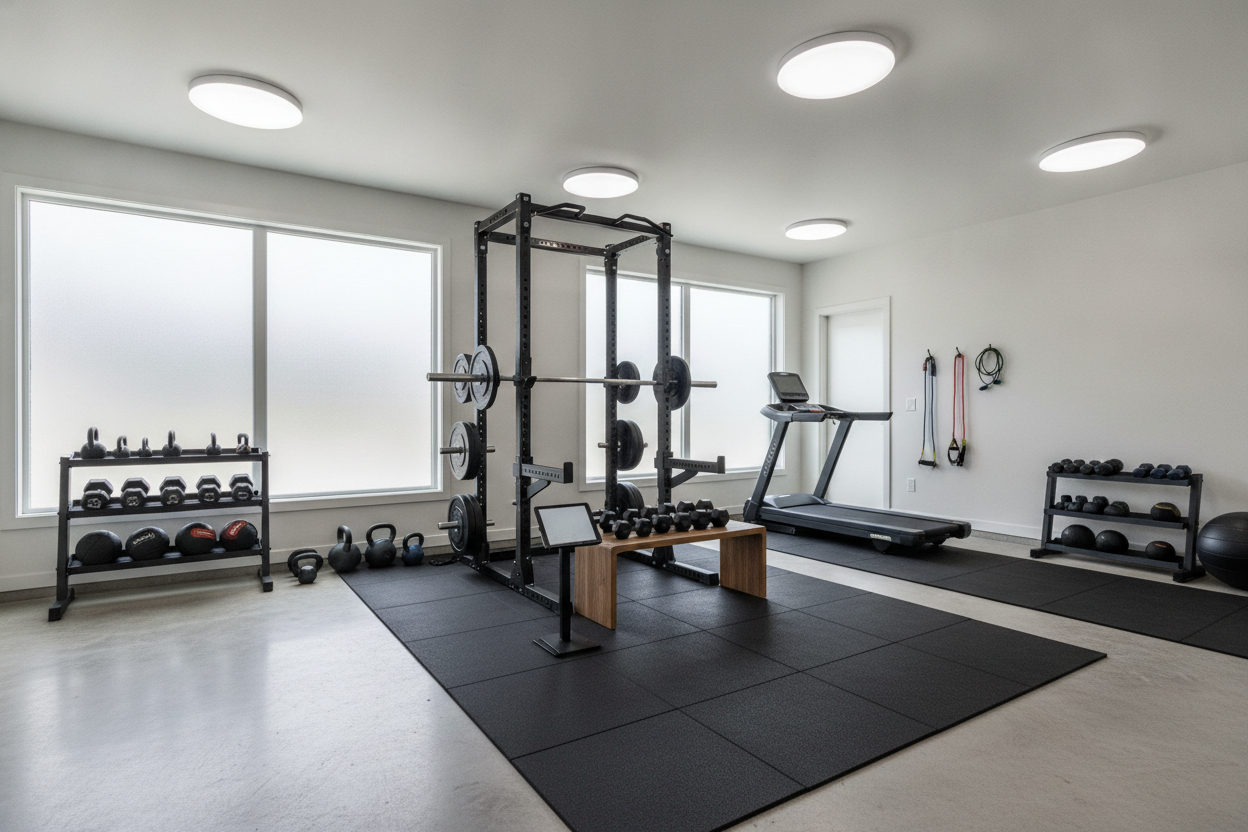
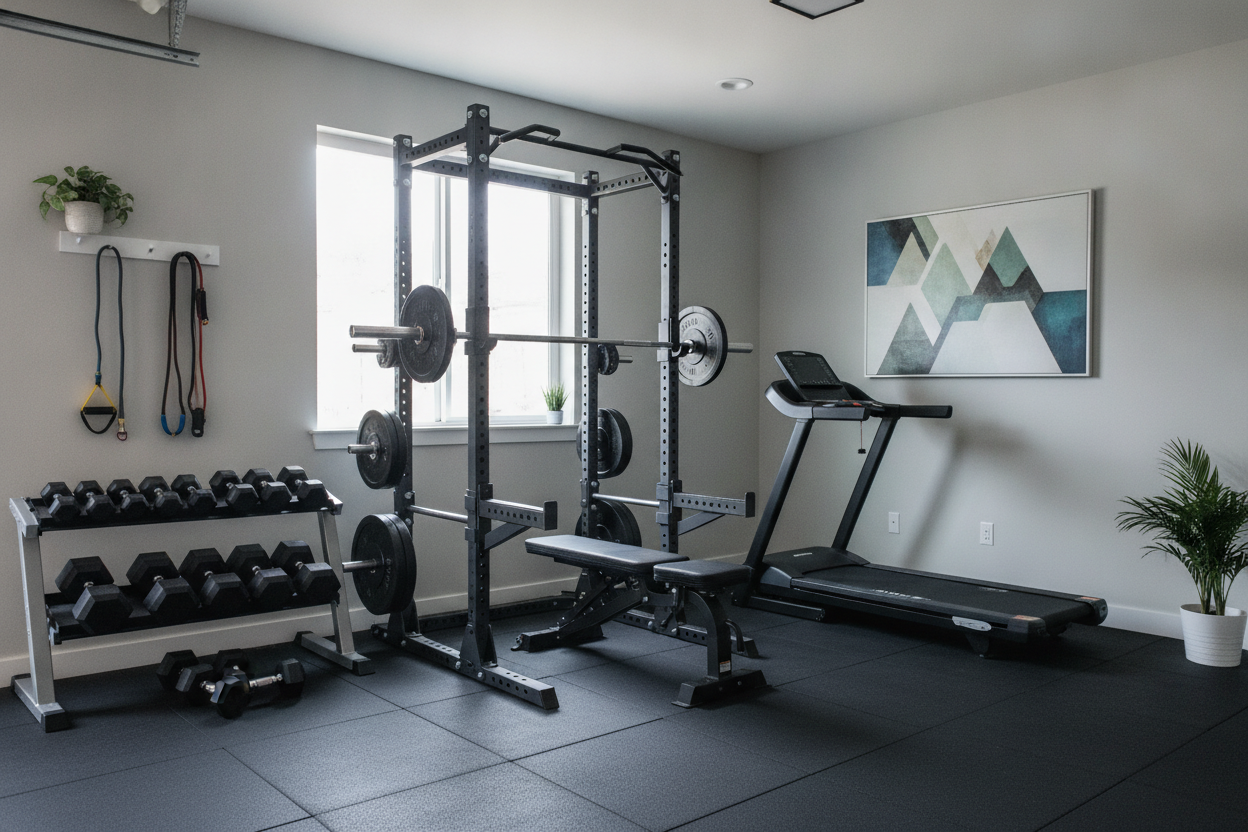
When you're shopping for real strength equipment, look for a power rack with safety spotter arms. This is the ultimate 'confidence builder' for women training alone. Knowing that the bar won't crush you if you fail a rep allows you to actually push yourself to the limit. I’ve wasted too much money on 'beginner' gear that ended up on Facebook Marketplace six months later. Buy once, cry once. Get a rack that can handle at least 500 lbs, even if you’re only lifting 50 lbs today. You’ll get there faster than you think.
The Uncomfortable Truth About Progressive Overload
Strength training isn't supposed to be 'fun' in the same way a Zumba class is. It’s hard work. The magic happens in the 'progressive' part. If you lifted 100 lbs for 5 reps last week, you need to lift 105 lbs for 5 reps this week. Or 100 lbs for 6 reps. If you do the same workout with the same weights for six months, your body has no reason to change. It has already adapted to that stress.
This is the part of the woman's guide to strength training that most people skip because it’s boring to track numbers in a notebook. But those numbers are the only map to your goals. You don't need to 'confuse' your muscles with new exercises; you need to challenge them with more weight. It’s uncomfortable, it’s sweaty, and it’s the only way to actually see the results of your hard work.
Personal Experience: My 'Light Weight' Mistake
For the first two years of my 'fitness journey,' I was terrified of the barbell. I stuck to the 15-lb dumbbells and did endless circuits. I was tired, but I didn't look any different. I finally got fed up and followed a basic 5x5 strength program. The first time I squatted 135 lbs—a 'big girl' plate on each side—everything changed. My clothes fit differently, my posture improved, and for the first time, I felt capable. My only regret is that I didn't start sooner because I was listening to the wrong 'guides.'
FAQ
Will lifting heavy make me less flexible?
Actually, it can improve it. Lifting through a full range of motion (like a deep squat) is a form of 'weighted stretching' that can improve functional mobility better than static stretching alone.
How many times a week should I lift?
For most women, 3 to 4 days of full-body or upper/lower splits is the sweet spot. Recovery is when the muscle actually grows, so don't skip your rest days.
Do I need to take protein powder?
It’s not a magic potion, but it’s a convenient tool. You need protein to repair the muscle you break down in the gym. If you can't get enough from whole foods, a shake helps.