My 15-Minute Quick Shoulder Workout Uses Embarrassingly Light Weights
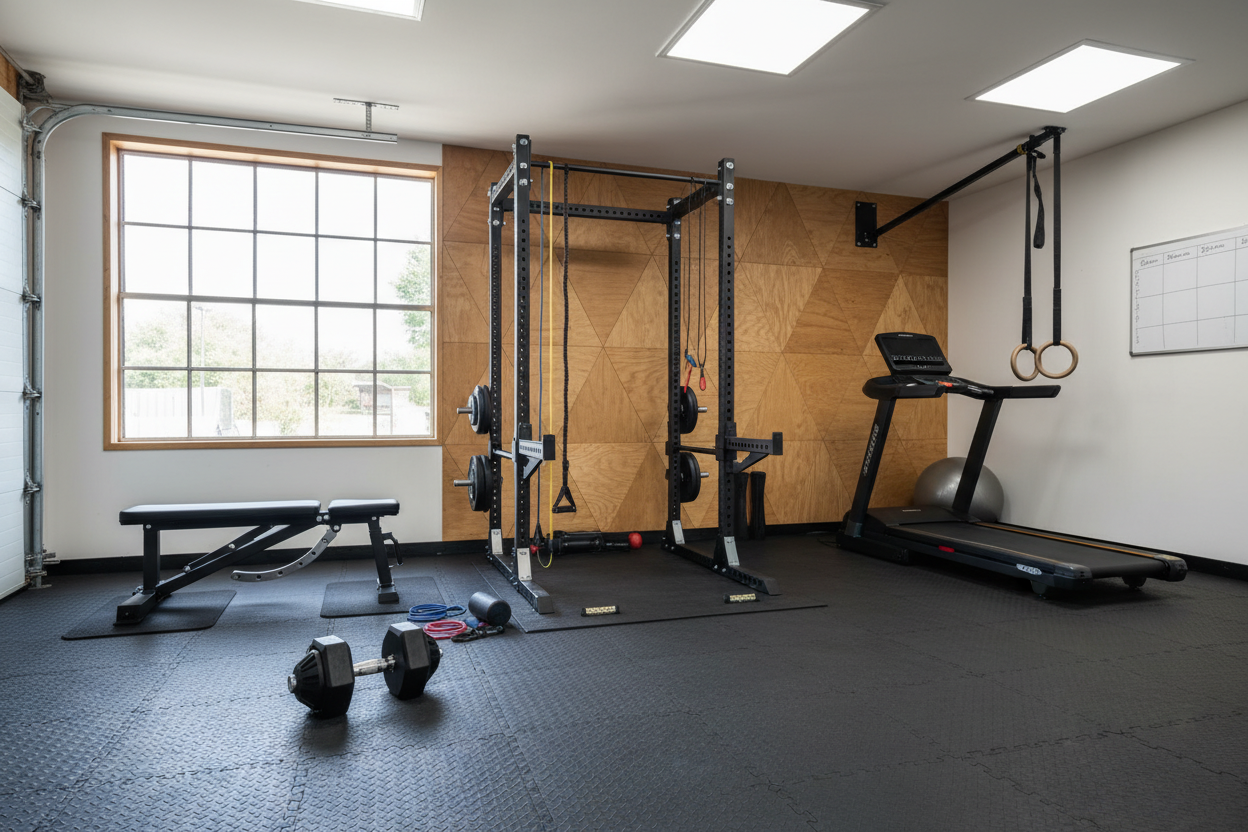
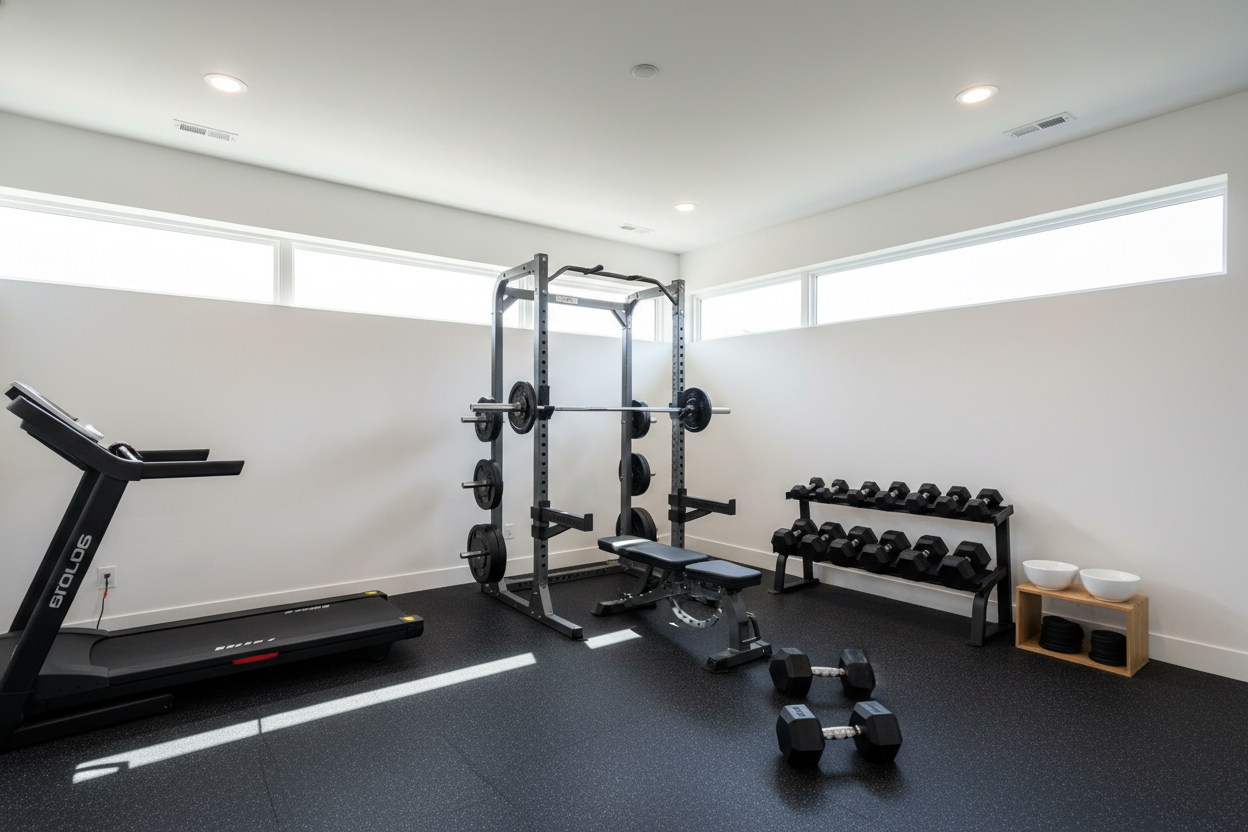
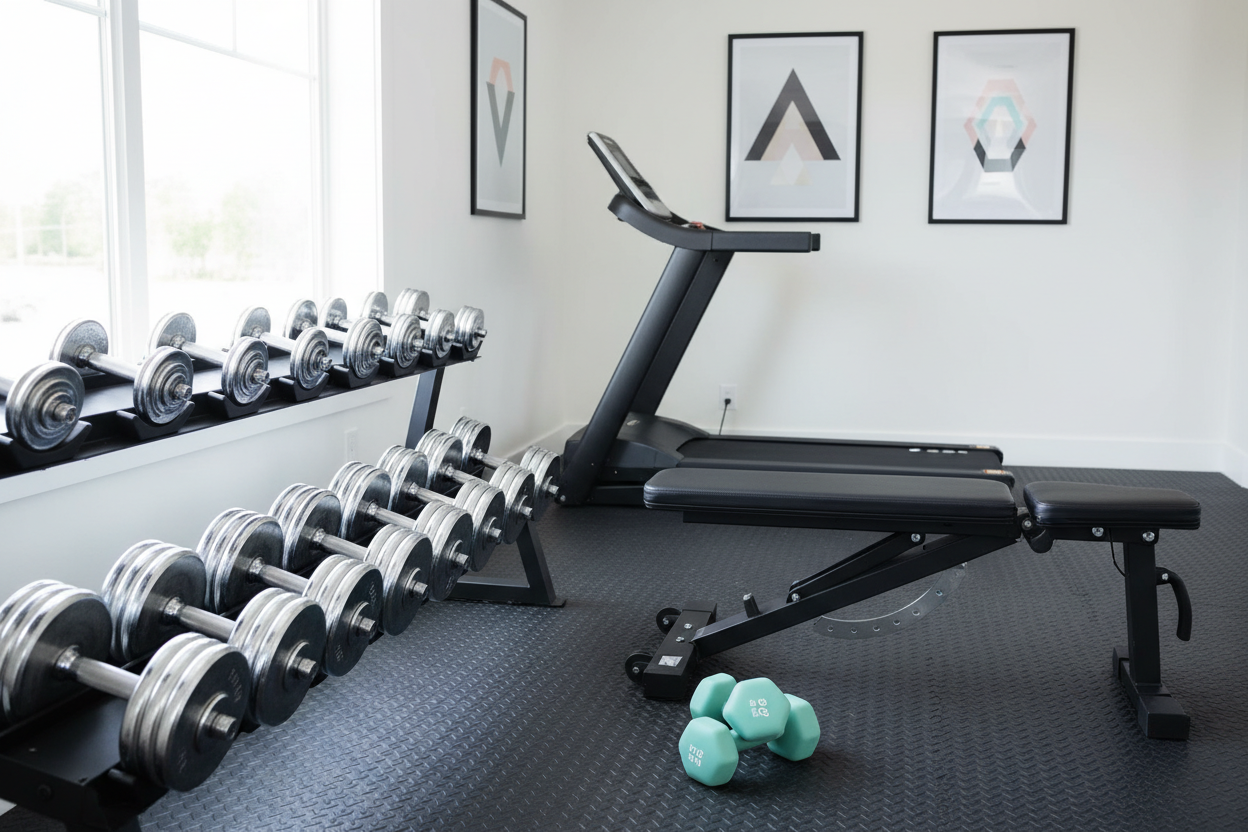
I walked into my garage last Tuesday at 5:45 PM with a problem. I had a conference call at 6:00, and my delts were on the schedule. Normally, I’d try to rush through a heavy overhead press, but rushing 135 pounds over your head with cold joints is a one-way ticket to a physical therapist’s office. Instead, I grabbed a pair of 10-pound dumbbells—the ones usually relegated to warming up my rotator cuffs. This quick shoulder workout wasn't about ego; it was about survival and efficiency.
Quick Takeaways
- Heavy weights aren't the only way to grow; continuous tension and metabolic stress are just as effective for hypertrophy.
- Eliminating rest periods compresses a standard 45-minute session into a dense, 15-minute block.
- A light shoulder workout is significantly safer for your AC joints when you don't have time for a full warmup.
- Focusing on the eccentric (lowering) phase makes 10-pound weights feel like 40-pounders.
The Day I Didn't Have Time to Warm Up
We’ve all been there. You have a narrow window of opportunity between work and family obligations, and your brain tells you to go heavy or go home. I used to think a lightweight shoulder workout was a waste of time. I thought if I wasn't grinding out triples on the barbell, I wasn't doing real work. I was wrong.
Standing in my gym, looking at the clock, I realized that a proper warmup for a heavy press would take 10 minutes alone. That left me five minutes to actually lift. Instead, I decided to experiment with total volume and zero rest. I grabbed those light hex dumbbells and committed to 15 minutes of non-stop movement. By minute eight, my shoulders weren't just burning—they were vibrating. I realized that intensity isn't always about the number on the side of the plate.
Why Rushing Demands a Lighter Approach
When you're short on time, your primary goal should be metabolic stress, not mechanical tension. Heavy compound lifts require a lot of 'neural drive' and joint preparation. If you skip that, you're asking for a labrum tear. A shoulder workout with dumbbells using higher reps allows you to bypass the long warmup because the absolute load is lower.
By keeping the muscles under constant load, you're forcing blood into the tissue and creating a massive pump. This approach triggers hypertrophy through different pathways than heavy lifting. It’s about the quality of the contraction. If you can’t feel your side delts working because you’re busy heaving a 50-pounder with your whole body, you're missing the point. A lightweight shoulder workout forces you to be honest with your form.
The 15-Minute Continuous Tension Circuit
This circuit is built on one rule: the weights do not touch the floor until the five-minute round is over. You will perform three rounds total. Each round consists of three different light weight shoulder exercises performed back-to-back with no rest. It sounds easy on paper, but by the third round, those 10-pound weights will feel like lead bricks.
I recommend starting with a weight that is roughly 30% of what you’d usually use for a set of 10. For most guys, that’s a 10 or 12.5-pound dumbbell. For women, a 5 or 8-pounder is usually the sweet spot. We are looking for a total of 15 minutes of work including transition time.
Movement 1: The Strict Seated Lateral Sweep
Sit on the edge of your bench. Keep your chest up and your core tight. Instead of 'lifting' the weights, think about 'sweeping' them out to the walls. Most people use their traps to shrug the weight up. By staying seated and using light weight shoulder workout protocols, you isolate the medial delt head. Stop the weights about 4 inches away from your hips at the bottom to maintain tension.
Movement 2: The Bottom-Up Front Raise
Transition immediately into front raises. I use a specific grip tweak here: hold the dumbbells vertically, like you’re holding a hammer. This at home dumbbell shoulder workout technique keeps the tension on the anterior delt and reduces that annoying clicking sound many people get in their shoulders. Don't swing. If you have to lean back to get the weight up, it’s too heavy.
Movement 3: Mat-Based Prone Rear Delt Flyes
To finish the circuit, get down on the floor. I lay face down on my gym flooring for home workout to completely take my legs and lower back out of the equation. With your forehead resting on the mat, perform rear delt flyes. This is the ultimate small shoulder workout finisher. It targets the posterior delts with surgical precision, which is the most neglected part of the shoulder for home trainees.
The Secret Sauce: Tempo Over Tonnage
The only reason this works is the tempo. If you're just banging out reps like a piston, you won't get the growth you're after. I follow a 3-0-1 tempo: three seconds on the way down, no pause at the bottom, and one second on the way up. This turns a light weight shoulder workout into a grueling endurance test.
The hardest part is the bottom of the rep. Our instinct is to let the weights hang and let the tension dissipate. Don't do it. Stop the weight just before it reaches your body. That constant 'tug' on the muscle is what triggers the metabolic response. My biggest mistake for years was thinking that 'rest' between reps was fine. In a 15-minute window, rest is the enemy.
How to Program This Into Your Week
You don't need to replace your heavy overhead press days with this, but it’s a tool for your arsenal. I use this quick shoulder workout as a finisher after a heavy chest session once a week, or as a standalone on those days when my calendar is a disaster. It’s also a great way to add 'junk volume' that actually contributes to shoulder roundness without beating up your joints.
If you're looking for more ways to maximize your home gym time, you can browse the workout hub for other high-intensity, low-equipment routines. Remember, the best workout is the one you actually have time to finish.
FAQ
Can I use soup cans if I don't have dumbbells?
Honestly? Yes. If you follow the 3-second eccentric and zero-rest rules, even 2-pound cans will start to feel heavy by the third round. It's about the tension, not the object.
Will this make my shoulders broader?
Yes, specifically because of the focus on the lateral (side) delt. That 'cap' on the shoulder is best targeted with high-volume lateral raises, which this routine prioritizes.
Should I do this every day?
No. Even though the weights are light, the metabolic stress is high. Give your shoulders at least 48 hours to recover between sessions to avoid tendonitis.