Multi-Function Gym Explained: What to Know Before You Buy
Building a home workout space usually starts with grand visions of a commercial-grade setup, but reality quickly hits: square footage is limited, and budgets aren't infinite. If you are tired of tripping over loose dumbbells or compromising your routine because you lack the right equipment, investing in a multi-function gym is often the smartest pivot you can make.
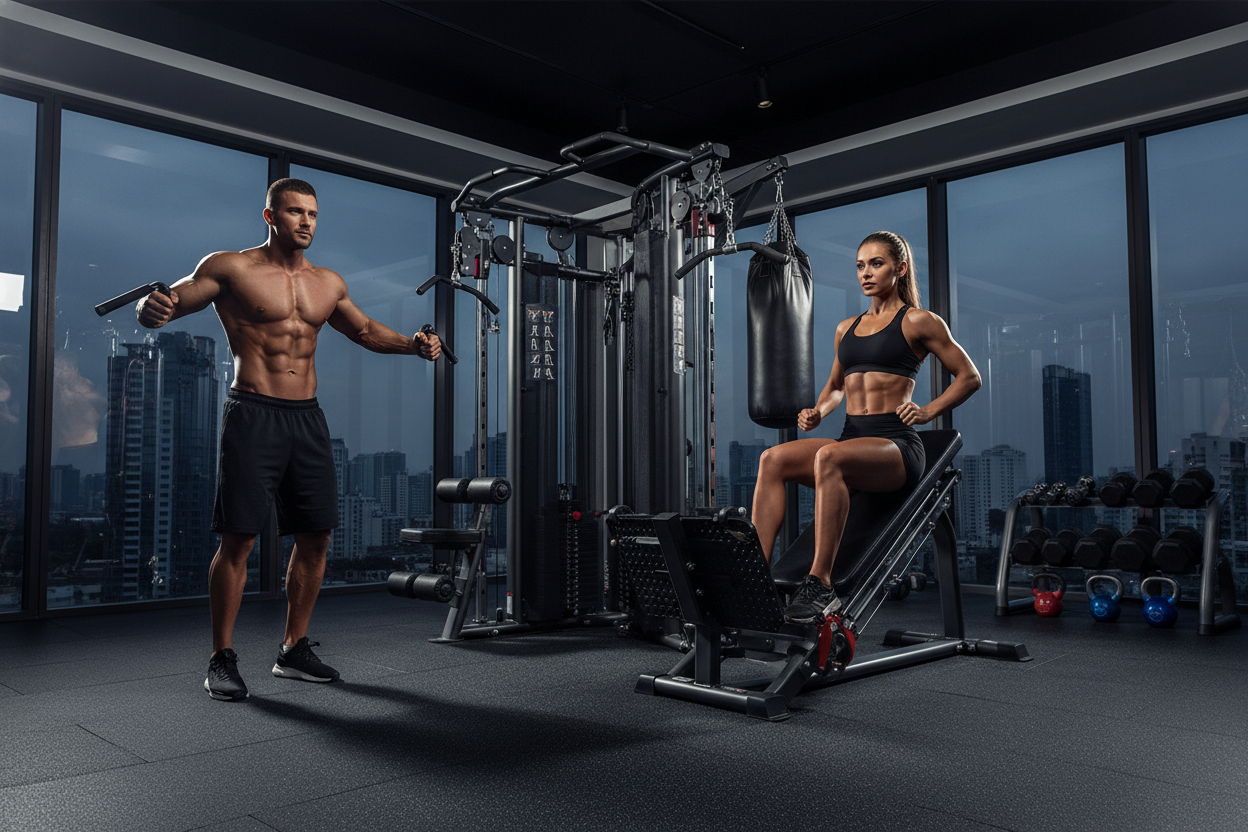
Instead of trying to cram a squat rack, cable crossover, and leg press into a spare bedroom, an all-in-one system consolidates your footprint. This guide will help you cut through the marketing noise, understand the specifications that actually impact your training, and decide if a centralized machine is the right move for your fitness goals.
Key Takeaways
- Replaces 5 to 10 standalone machines, drastically reducing your equipment footprint.
- Requires a minimum floor space of roughly 8x8 feet to accommodate full range of motion.
- Weight stack models offer faster transitions, while plate-loaded systems provide higher weight capacities for less money.
- Dual-pulley systems with adjustable heights are critical for maximizing exercise variety.
- Installation can be tedious; budget at least 4 to 6 hours for initial assembly.
Maximizing Your Home Gym Multipurpose Space
The biggest draw of these systems is space efficiency. However, a common mistake buyers make is measuring only the footprint of the machine itself, completely forgetting about the space needed for the human using it. To create a truly effective home gym multipurpose area, you need to account for dynamic movement.
Minimum Clearance Requirements
While the machine might only measure 5 feet wide by 6 feet deep, you need a functional buffer zone. Plan for at least 2 feet of clearance on all sides to load plates or adjust weight pins. Additionally, if the unit includes a pull-up bar or high pulley, ensure your ceiling height is at least 84 inches—ideally 96 inches if you are over six feet tall and plan on doing strict overhead work.
Decoding the Specs: What Actually Matters
Not all all-in-one machines are created equal. When comparing models, look past the glossy photos and focus on the structural engineering that dictates how the machine will feel during a heavy set.
Weight Stacks vs. Plate-Loaded Systems
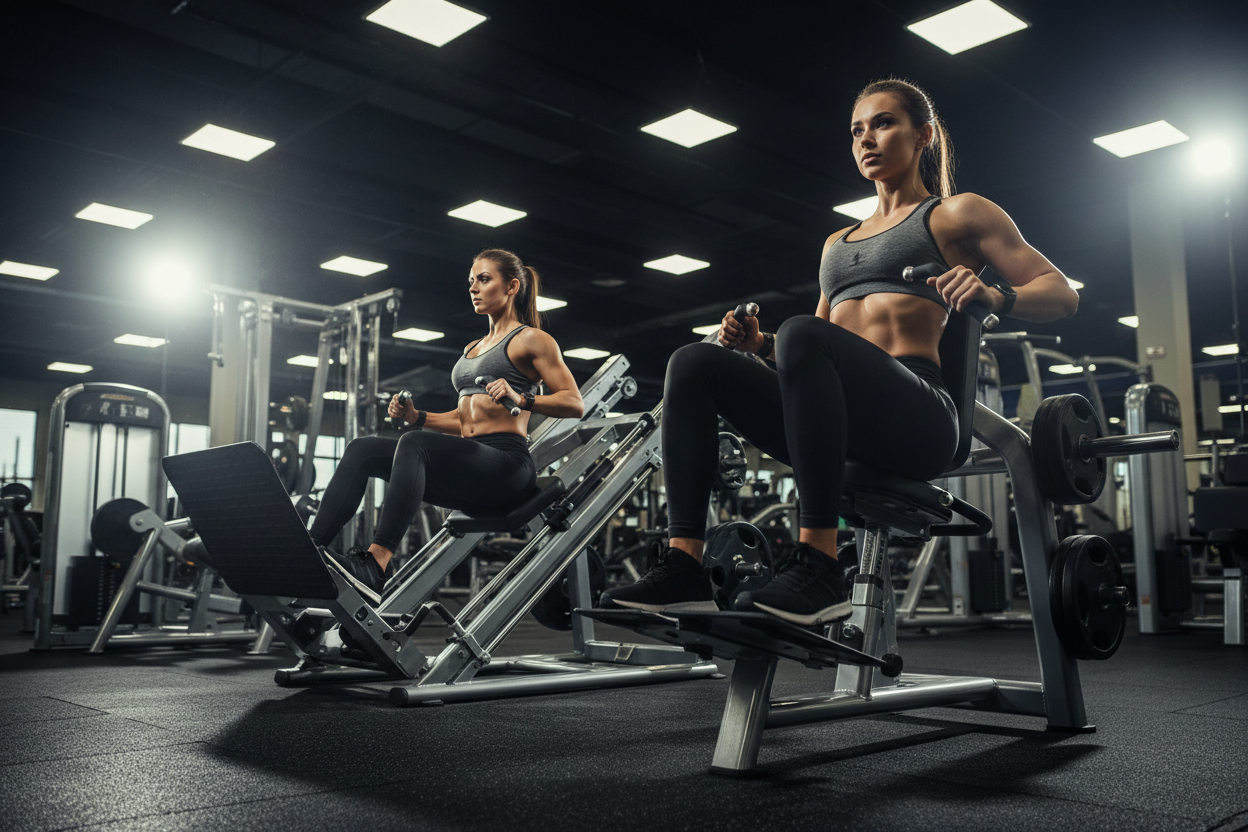
This is the biggest decision you will make. Selectorized weight stacks offer commercial-level convenience—just move the pin and lift. They are perfect for drop sets and quick circuits. However, they are heavier to ship and more expensive. Plate-loaded systems are incredibly budget-friendly and allow you to use the Olympic plates you might already own, though changing weights between exercises takes more time.
Pulley Ratios and Cable Smoothness
A machine is only as good as its cables. Look for systems featuring nylon-coated aircraft cables and sealed bearing pulleys. You also need to check the pulley ratio. A 2:1 ratio means a 100-pound weight stack provides 50 pounds of actual resistance at the handle. This ratio is excellent for smooth, explosive movements and functional training, but heavy lifters might prefer a 1:1 ratio for exercises like lat pulldowns.
From Our Gym: Honest Take
When we set up our latest multi-station unit in the testing garage, the space savings were immediately obvious. I was able to clear out an entire wall of standalone cable towers. The knurling on the included smith machine bar was noticeably aggressive, which I loved—my chalked grip held solid through heavy split squats without slipping.
However, I have to be honest about the assembly and ergonomics. Putting it together took me and a buddy a brutal six hours of deciphering manual diagrams. Also, at 6'2', I noticed the seated leg extension attachment felt slightly cramped. I had to adjust my positioning to get a full contraction at the top of the movement. It is a fantastic machine, but taller athletes should definitely scrutinize the dimensions of the fixed attachments before buying.
Frequently Asked Questions
Is a multi-function gym worth it for a home setup?
Yes, provided you value versatility and space efficiency over specialized powerlifting. If your goal is general hypertrophy, weight loss, or functional fitness, it offers the best cost-to-exercise ratio on the market.
Can you build serious muscle with an all-in-one machine?
Absolutely. Muscle growth requires progressive overload and mechanical tension. As long as the machine provides enough resistance to challenge you within the 6 to 15 rep range, you can effectively build and maintain muscle mass.
How hard is the assembly process?
It is generally a multi-hour project. Because of the complex cable routing and heavy frame pieces, you should expect to spend 4 to 8 hours on assembly. Having a socket wrench set and a second pair of hands is highly recommended.