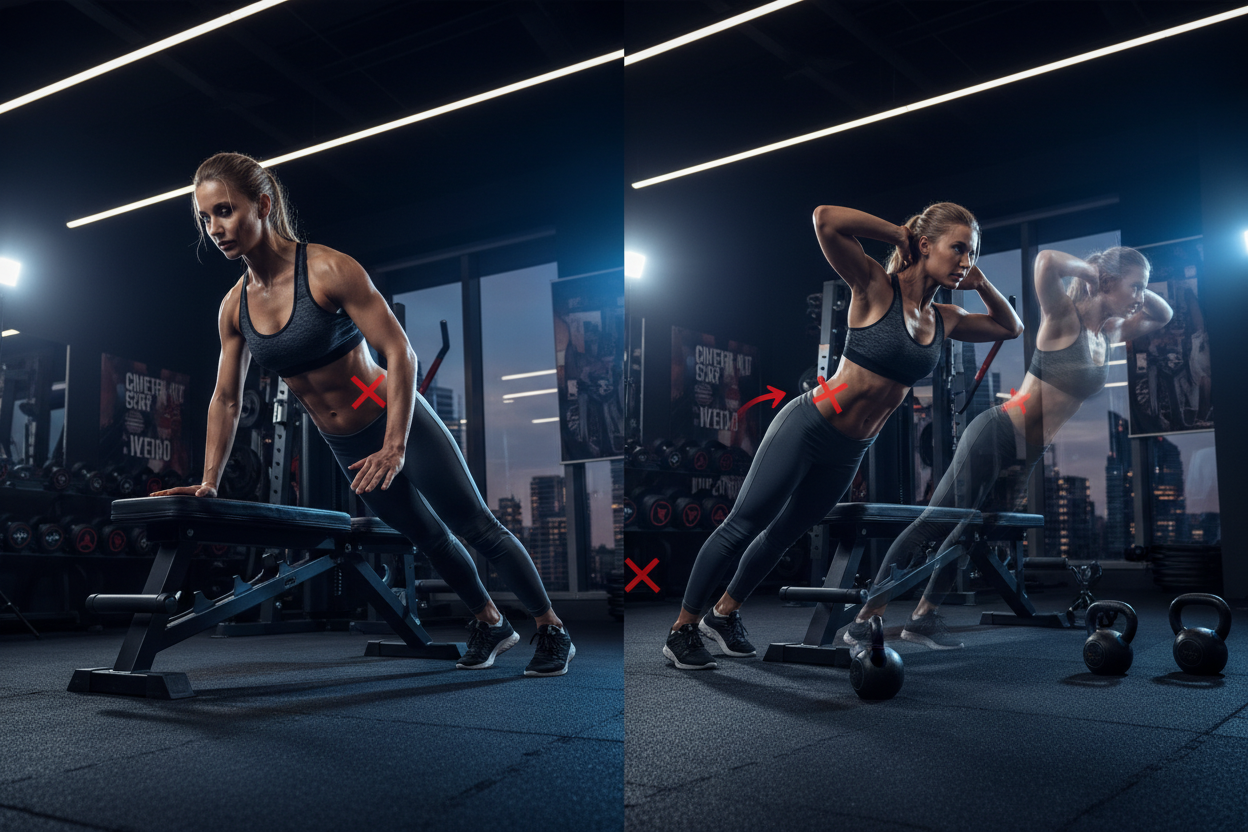
Mastering Your Work Out Gym Routine: The Definitive Guide
You walk in, scan the room, and head to the treadmill because the weight section looks chaotic. Or perhaps you do the same three machines you’ve done for years, wondering why your physique hasn't changed since 2019. This is the reality for most people trying to navigate a work out gym environment without a clear map.
Going to the gym isn't just about sweating; it's about stimulating adaptation. If you aren't forcing your body to change, it won't. This guide strips away the noise and focuses on the mechanical and physiological principles that actually drive progress, acting as the blueprint your training has been missing.
Key Takeaways: The Essentials
If you are looking for the core principles of effective training, here is the summary:
- Progressive Overload is King: You must do more over time (more weight, reps, or better form) to force adaptation.
- Compound Over Isolation: Prioritize multi-joint movements like squats and presses over single-joint curls for better systemic stress.
- Rest is Anabolic: Muscles grow during sleep and recovery, not while you are lifting.
- Structure Beats Motivation: A written plan creates consistency when willpower fades.
The Science of Structure: Gym and Workout Logic
There is a massive difference between exercising and training. Exercise is burning calories for the sake of it; training is a calculated roadmap to a specific goal. The synergy between your gym and workout selection defines your results.
Your body operates on the SAID principle: Specific Adaptation to Imposed Demands. If your demand is random, your results will be random. To build muscle or strength, you need to recruit high-threshold motor units. This happens best when you are fresh, which is why your workout structure matters.
Sequencing Your Exercises
Always perform your heaviest, most technically demanding lifts first. Doing a heavy barbell squat requires immense neural drive. If you fatigue your legs with leg extensions first, you compromise your strength on the squat, reducing the overall mechanical tension you can apply to the muscle.
Effective Workout Ideas at Gym Facilities
When you are scrolling for workout ideas at gym sessions, you will often find complex circuits or "muscle confusion" tactics. Ignore them. The most effective programs are often boringly repetitive because repetition allows you to track progress.
Focus on these movement patterns:
- Squat Pattern: Goblet squats, back squats, or leg presses.
- Hinge Pattern: Deadlifts or Romanian deadlifts.
- Push Pattern: Bench press, overhead press, or push-ups.
- Pull Pattern: Rows, pull-ups, or lat pulldowns.
- Carry: Farmer walks.
Optimizing Fitness Workouts Gym Goers Neglect
Many fitness workouts gym regulars perform lack one crucial variable: intensity control. Intensity isn't just about how much you sweat; it is about proximity to failure.
To stimulate growth, your sets need to be taken close to "technical failure"—the point where you cannot complete another rep with perfect form. If you finish a set of 10 reps but could have done 15, that set served as a warm-up, not a growth stimulus. This is known as RPE (Rate of Perceived Exertion). Aim for an RPE of 8 or 9 on most working sets.
Structuring Your Fitness Workout at Gym Sessions
How do you organize this into a week? Here are two standard splits that work for 90% of lifters looking for a solid fitness workout at gym setup:
1. Upper/Lower Split (4 Days)
This allows you to hit every muscle group twice a week with adequate recovery. You train Upper Body on Monday, Lower Body on Tuesday, Rest on Wednesday, and repeat.
2. Push/Pull/Legs (3 or 6 Days)
This groups muscles by function. Push (Chest/Shoulders/Triceps), Pull (Back/Biceps), and Legs (Quads/Hamstrings/Calves). This is excellent for managing fatigue in specific muscle groups.
My Training Log: Real Talk
Let's step away from the science for a second. I want to share my personal experience with work out gym culture and the reality of sticking to these programs.
When I first started taking progressive overload seriously, I underestimated the mental tax. I remember specifically the feeling of the knurling (the rough metal grip) on a rogue barbell digging into my shins during deadlifts. It wasn't the muscle pain that almost made me quit; it was the calluses tearing open and the sheer boredom of resting 3 minutes between sets.
There is also a very specific, unpolished reality to gym gear. No matter what supplement companies tell you, that pre-workout powder never fully dissolves. There is always that gritty, sour sand at the bottom of the shaker cup that makes you gag slightly. But you drink it anyway because you need the caffeine to get under the bar. Real training isn't the montage you see on Instagram; it's awkward eye contact in the mirror while you catch your breath and the smell of stale rubber mats. Embrace that grit. That is where the work gets done.
Conclusion
Mastering your time in the gym requires patience and a rejection of shortcuts. By focusing on compound movements, tracking your numbers, and respecting the recovery process, you move from an exerciser to an athlete. Stop guessing what to do next. Pick a plan, track your lifts, and let the consistency compound over time.
Frequently Asked Questions
How long should my gym workout last?
For most natural lifters, 45 to 75 minutes is the sweet spot. Beyond that, cortisol levels rise, and the quality of effort tends to drop significantly. If you are training with high intensity, you shouldn't have the energy to train for two hours.
Do I need supplements to see results?
No. Supplements are exactly that—supplemental. Creatine Monohydrate is the most researched and effective tool for strength, but sleep and a protein-rich diet will contribute 95% of your results. Fix your food before you buy powders.
How often should I change my workout routine?
Avoid "program hopping." Stick to a routine for at least 8 to 12 weeks. You need enough time to become proficient at the movements and overload them. Change your program only when progress stalls completely or you sustain an injury.