Mastering Chest Workouts: The Ultimate Guide to Building Strength
Developing a strong and well-defined chest is a common goal for many fitness enthusiasts. Whether you're aiming to enhance your physique, improve sporting performance, or simply increase upper body strength, choosing the right chest workout can make all the difference. The most effective routines blend compound movements, isolation exercises, and progressive overload techniques to ensure continual progress.
Understanding the Role of the Chest Muscles
The chest is primarily composed of the pectoralis major and pectoralis minor. The pectoralis major has two distinct portions: the upper (clavicular head) and lower (sternal head). Targeting different angles during training helps to fully develop these areas. The pectoralis minor lies underneath and assists in shoulder movement and stability. By training these muscles systematically, you can build size, strength, and symmetry.
What Are the Best Chest Workouts?
It's important to focus on a combination of exercises that target various parts of the chest. Compound lifts, like the barbell bench press, recruit multiple muscle groups and allow you to lift heavier weights, which is ideal for building overall mass and strength. Complementing these with isolation exercises helps to fine-tune muscle definition and balance.
Barbell Bench Press
Often considered the gold standard for chest building, the barbell bench press works the entire pectoral region along with supporting muscles such as the triceps and shoulders. Adjusting grip width can change emphasis: a wider grip focuses more on the chest, while a narrower grip engages more triceps.
Dumbbell Bench Press
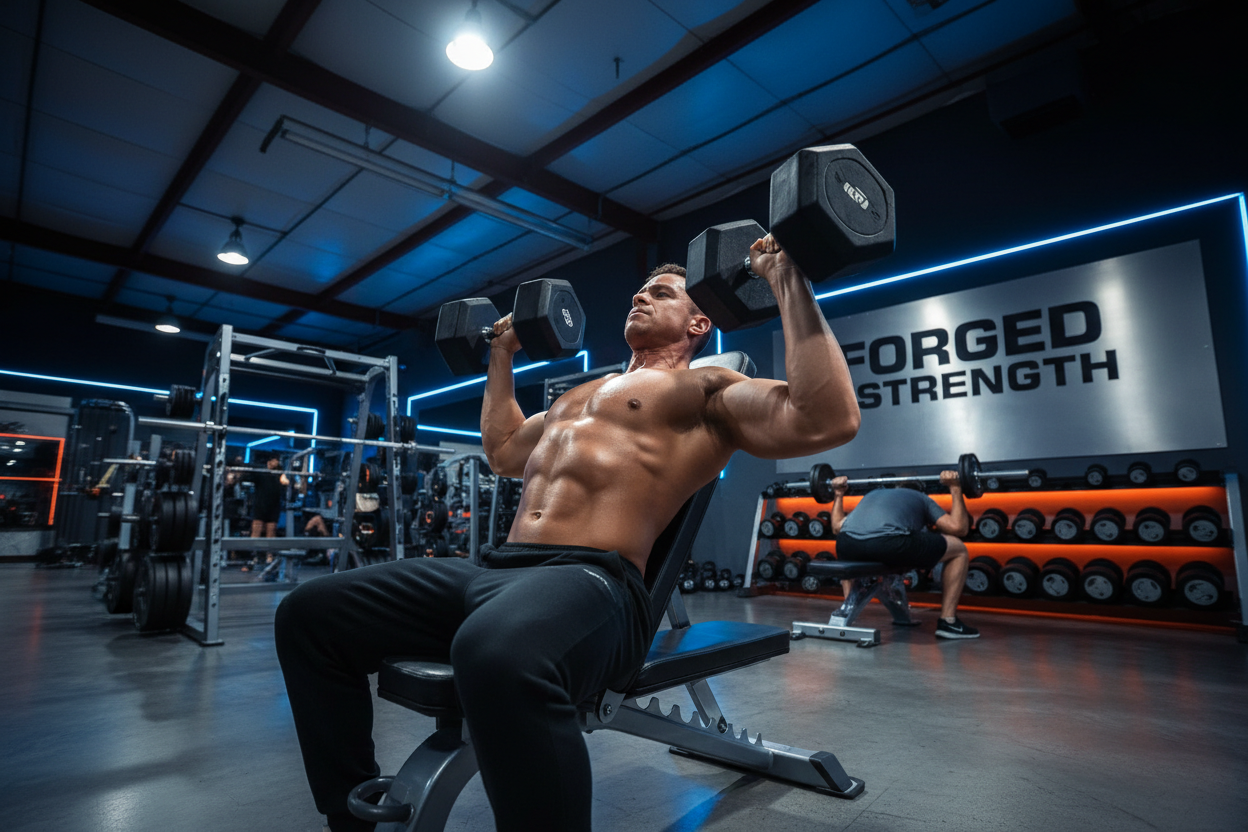
Using dumbbells in a bench press allows for a greater range of motion and can correct imbalances between your left and right sides. This variation also recruits stabilizing muscles more intensely, which can improve joint health and functional strength.
Incline Bench Press
The incline bench press shifts focus to the upper chest, reducing the contribution of the lower pec fibers. Whether with barbell or dumbbells, this is essential for creating a fuller, more rounded chest appearance.
Chest Fly
Performed with dumbbells or cables, the chest fly isolates the pectoral muscles, emphasizing the stretch and contraction phases. This can significantly improve muscle definition and is particularly useful for those seeking aesthetic development.
Push-Ups
A bodyweight classic, push-ups are adaptable to all fitness levels. Variations such as incline push-ups, decline push-ups, and diamond push-ups can target specific areas and add variety to your routine.
What's the Best Exercise for Chest Development?
There isn’t a one-size-fits-all answer. The "best" depends on your individual goals, equipment availability, and experience level. For raw strength, the barbell bench press ranks high. For versatility and range of motion, dumbbell presses shine. For beginners, push-ups are an excellent starting point due to their accessibility and scalability.
Designing an Ultimate Chest Workout Routine
An effective chest workout should combine heavy compound movements with targeted isolation work. A sample routine might look like this:
- Barbell Bench Press: 4 sets of 6-8 reps
- Incline Dumbbell Press: 3 sets of 8-10 reps
- Cable Fly: 3 sets of 10-12 reps
- Push-Ups (weighted if advanced): 3 sets to failure
Rest for 60–90 seconds between sets. Focus on proper form over maximum weight to prevent injury.
Personal Experience
When I first started training, my chest development lagged behind other muscle groups. I focused solely on flat bench press and ignored incline work, flys, and bodyweight variations. After incorporating incline dumbbell presses and cable flys, along with a disciplined progression plan, my chest strength and shape improved noticeably within three months. The change wasn’t just aesthetic – I noticed improved pressing strength in other lifts and better stability during athletic movements.
Tips for Maximizing Results
Consistency and recovery are as important as the workouts themselves. Aim to train your chest 1–2 times per week, ensuring at least 48 hours between sessions. Pay attention to nutrition, especially protein intake, to support muscle repair and growth. Sleep and rest days are crucial for sustained progress.
Common Mistakes to Avoid
- Neglecting upper chest work and focusing only on flat bench movements.
- Using excessive weight at the expense of form.
- Skipping warm-ups, increasing the risk of shoulder injury.
- Ignoring muscle imbalances between left and right sides.
Final Thoughts
The best chest workouts blend variety, proper form, and progressive overload strategies. Whether you prefer barbells, dumbbells, cables, or bodyweight exercises, the key lies in targeting all areas of the chest consistently. Over time, you'll build not just a stronger chest, but improved overall upper body performance.