Master the Basics of Exercise Using Everyday Movements
I remember a client, Sarah, who nearly cried during our first session at a massive commercial gym. The clanking weights, the complicated cable machines, the mirrors—it was sensory overload. She thought getting in shape meant mastering alien contraptions. I stopped the session, took her outside to a park bench, and told her to sit down and stand back up. That was her first squat. The truth is, the basics of exercise aren't found in chrome machines; they are found in the movements you already do every single day.
Quick Takeaways
- Fitness isn't about complex machines; it's about adding mindful repetition to daily movements.
- The squat is just a structured chair sit, and a push-up is just opening a heavy door.
- Mastering bodyweight control first prevents injuries when you eventually add dumbbells or barbells.
- You can build a complete beginner routine in a 6x6 foot space in your living room.
Why the Gym Feels Disconnected from Reality
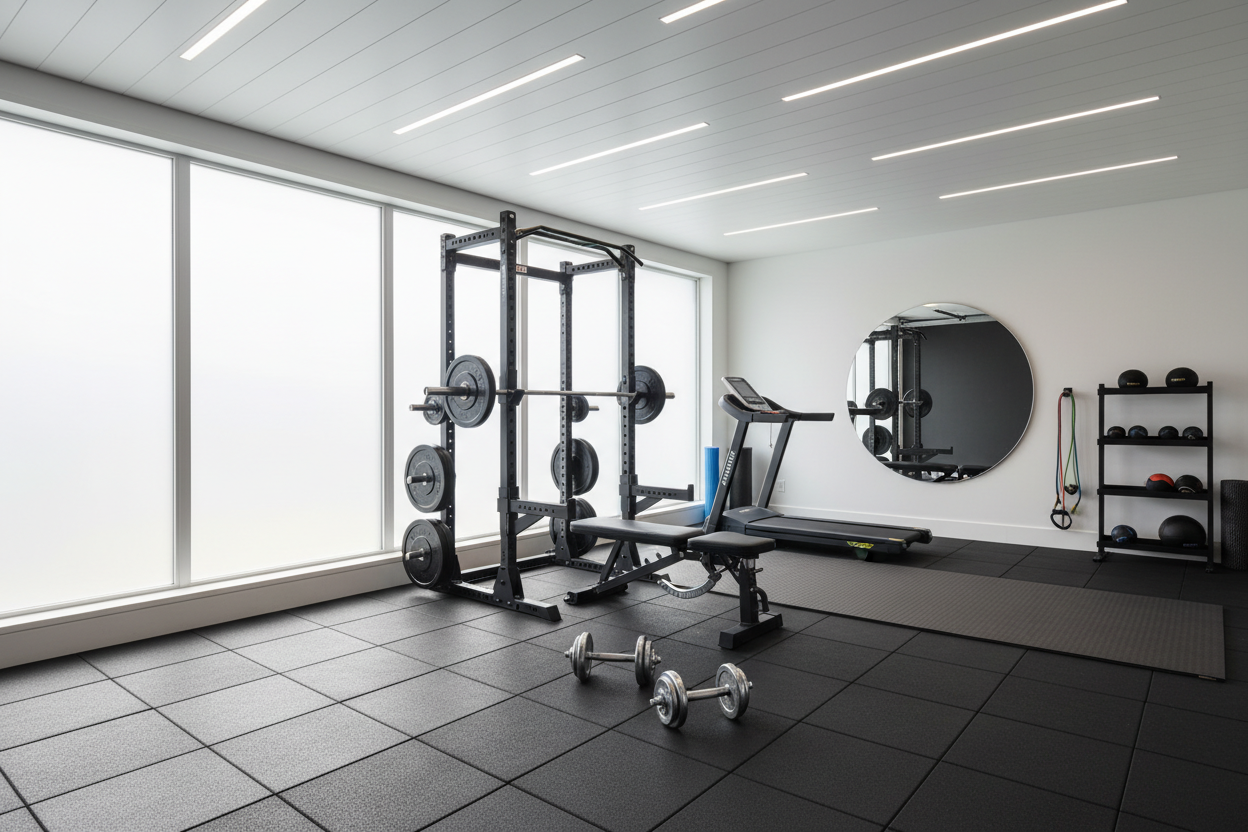
Walking into a modern fitness center feels like stepping onto a spaceship. You see people strapped into leg press machines or contorting on cable crossovers. For an absolute beginner, this creates a massive barrier to entry. It makes the fundamentals of exercise seem like a secret language you have to learn from scratch.
But human bodies weren't designed to move in isolation while sitting on padded vinyl. We evolved to squat, push, pull, and carry. When you strip away the neon lights and the loud music, working out basics are just primal movement patterns.
By reframing your mindset, the intimidation factor disappears. You don't need to learn a new skill; you just need to refine the skills you've been using since you were a toddler. This is where true physical fitness basics begin—not with a barbell, but with your own body weight and gravity.
The Life-Mimicry Approach to a Basics Workout
I call this the 'Life-Mimicry' perspective. It's a method I've used with dozens of clients who were terrified of traditional training. Instead of teaching a squat or a deadlift, we focus on sitting down and picking things up.
This approach turns a daunting basics workout into a series of familiar tasks. When you bridge the gap between daily chores and fitness basics, you build neuromuscular connections without the anxiety of doing it wrong. You already know how to carry groceries; we just need to structure it.
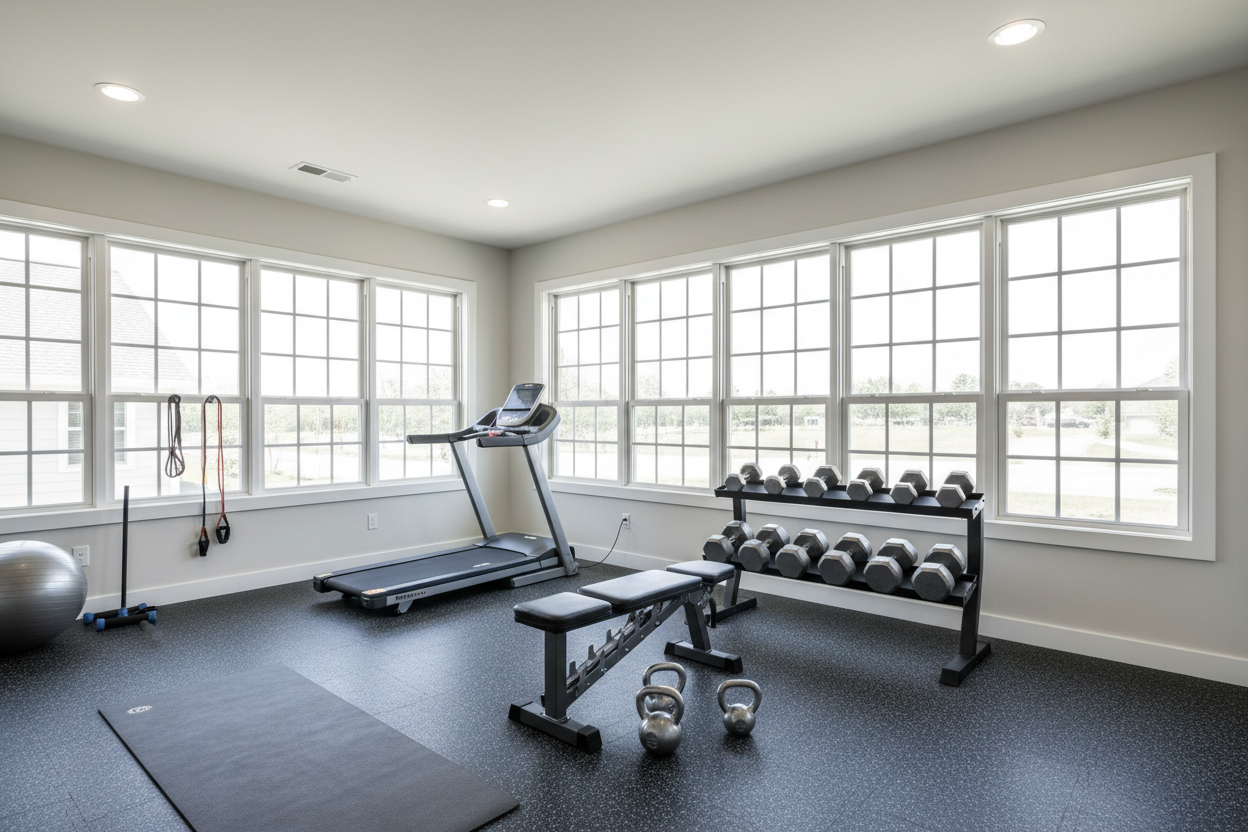
Learning exercise basics this way builds functional strength. Functional strength means your workout actually makes your daily life easier. When you practice these exercise fundamentals mindfully, you improve your posture, strengthen your core, and prepare your joints for heavier loads later on. You don't need a massive rig or a rack of hex dumbbells. You just need a chair, a wall, and maybe a heavy bag of dog food.
Core Movement 1: The 'Chair Sit' (Mastering the Squat)
The squat is the king of lower body movements, but the word itself terrifies people. So, let's forget the squat. Let's talk about sitting in a chair. You do this a dozen times a day.
To turn this into a basics exercise, we simply add control. Stand about six inches in front of a standard dining chair. Keep your chest up, push your hips back, and slowly lower yourself down. Take three full seconds to reach the seat. Don't just collapse—control the descent.
Once your glutes touch the wood, pause for one second. Then, drive through your heels and stand back up. That is one perfect repetition. Aim for 3 sets of 10 reps.
Safety is critical here. If you are doing this on a slick hardwood floor, the chair can easily slide out from under you. I always tell my clients to learn how to choose the best exercise mat and place their chair firmly on top of it. A high-density rubber surface ensures the chair stays planted during the lowering phase.
Core Movement 2: The 'Heavy Door' (Mastering the Push)
Upper body strength is often the hardest thing for beginners to develop. Push-ups from the floor are usually too difficult and lead to sagging lower backs and shoulder pain.
Instead, think about pushing open a heavy commercial glass door. You naturally stagger your stance, brace your core, and push with your chest and triceps. We can replicate this to learn the basics of fitness for the upper body using a simple wall.
Stand arm's length from a sturdy wall. Place your hands flat against the drywall at chest height, slightly wider than your shoulders. Slowly bend your elbows, bringing your nose an inch from the wall. Pause, then press firmly back to the starting position.
This wall push-up teaches shoulder stability and chest activation without the crushing load of gravity. Try 3 sets of 12 to 15 reps. As you get stronger, you can move to a kitchen counter, then a sturdy bench, slowly increasing the angle until you reach the floor.
Core Movement 3: The 'Grocery Haul' (Mastering the Carry)
Core strength isn't built by doing hundreds of crunches. It's built by stabilizing your spine while moving under a load. The easiest way to learn these fitness fundamentals is by mimicking the classic grocery haul.
In the fitness world, we call this the Farmer's Carry. Grab two evenly weighted objects. These could be milk jugs filled with water (about 8.3 pounds each), small dumbbells, or heavy tote bags. Hold them tightly at your sides.
Pull your shoulders back, stand tall as if a string is pulling the top of your head toward the ceiling, and walk. It sounds ridiculously simple, but maintaining perfect posture while carrying a load is an incredible workout for your core, traps, and grip strength.
I recommend setting up a clear path in your living room. Rolling out a large exercise mat creates a dedicated, comfortable walking path for practicing loaded carries barefoot. Barefoot carries help strengthen the small muscles in your feet and ankles. Walk for 30 seconds, rest, and repeat four times.
Core Movement 4: The 'Dropped Keys' (Mastering the Hinge)
The hip hinge is the most important movement for protecting your lower back, yet it's the one people mess up the most. When you drop your keys, you probably round your spine and reach down. That's a recipe for a pulled muscle.
To master the fundamentals of fitness here, we need to learn to bend at the hips, not the waist. Stand six inches away from a wall, facing away from it. Put your hands on your hips. Soften your knees slightly. Now, push your glutes backward until your butt touches the wall. Keep your back completely flat.
You should feel a deep stretch in your hamstrings. Squeeze your glutes and stand back up. This is the foundation of a deadlift.
Once you master the wall tap, try picking up a shoe from the floor using this exact flat-backed hinge. I highly advise doing your floor retrieval stretches on a supportive surface. Using a 6x4ft exercise mat will protect your knees and feet as you practice these mechanics.
Transitioning from Daily Life to a Structured Routine
Once you can perform these life-mimicking movements with perfect control, you have officially mastered the fundamentals of exercise. You are no longer just moving; you are training.
A simple weekly schedule to solidify these working out basics is a Monday-Wednesday-Friday routine. Do 3 sets of 10 Chair Sits, 3 sets of 12 Wall Pushes, 4 rounds of 30-second Grocery Hauls, and 3 sets of 10 Dropped Key Hinges. This entire circuit takes less than 20 minutes.
As these movements become too easy, you can start holding a dumbbell during your chair sit (a Goblet Squat) or using a heavier kettlebell for your hinge (a Romanian Deadlift).
When you are ready to take that next step and add actual resistance equipment to your space, checking out a complete home training guide will help you transition safely. You'll enter that phase with bulletproof joints and perfect form.
My Experience Testing the Life-Mimicry Method
Over the last five years, I've built minimalist home setups for dozens of clients using this exact progression. I usually start them off with nothing but their own furniture and a solid piece of flooring. Recently, I tested a set of 5-52.5 lb adjustable dumbbells to see when a beginner should actually buy them.
I found that clients who spent three weeks doing the Chair Sit and Dropped Keys routines adapted to the 15 lb dumbbell weight almost instantly, with zero lower back complaints. The neuromuscular foundation was already there.
However, I have to share one honest downside to the life-mimicry approach: it can feel a bit boring. Without the clanking iron and the sweat-drenched shirts, some clients feel like they aren't working out. You have to trust the process. The strength you build carrying water jugs translates directly to the iron when you are finally ready for it.
Frequently Asked Questions
How often should I practice these basic movements?
For absolute beginners, practicing these movements three times a week on non-consecutive days (like Monday, Wednesday, and Friday) is perfect. It gives your muscles 48 hours to recover while building consistency.
Do I need to wear shoes for a life-mimicry workout?
I actually prefer my clients to train barefoot when practicing these movements at home. Being barefoot allows your toes to splay and grip the floor, which improves your balance and strengthens your foot arches.
When will I know I'm ready for actual weights?
You are ready for weights when you can perform 3 sets of 15 reps of a movement (like the Chair Sit) with slow, perfect control, and you no longer feel a deep muscle burn or fatigue the next day.