Master the Art of Building a Strong Chest with Dumbbells
Developing a well-defined chest is a common fitness goal for many people, and using dumbbells can be one of the most effective ways to achieve it. Whether you work out at home or in the gym, dumbbell exercises offer flexibility, a full range of motion, and balanced muscle activation. In this guide, we will explore how to build chest muscle with dumbbells, how to get pecs with dumbbells, and the most efficient methods for building chest strength and size without needing a large amount of equipment.
Why Dumbbells Are Effective for Chest Training
Unlike barbells or machines, dumbbells allow each side of your chest to work independently. This ensures balanced development and helps avoid strength imbalances. Moreover, the ability to adjust your grip and angle makes dumbbell chest workouts adaptable for different goals, whether you are focusing on muscle growth or improving muscular endurance.
Key Principles for Building Chest with Dumbbells
When learning how to build chest using dumbbells, a few foundational principles are essential:
- Progressive Overload: Gradually increase weights or repetitions over time to encourage muscle growth.
- Proper Form: Maintain correct posture to avoid injuries and maximize pec activation.
- Rest and Recovery: Give your chest muscles sufficient time to recover between workouts.
Essential Dumbbell Exercises for Chest Development
Building pecs with dumbbells requires selecting exercises that target the different regions of the chest—upper, middle, and lower portions. Incorporating variety in your routine ensures balanced growth and aesthetics.
Flat Dumbbell Bench Press
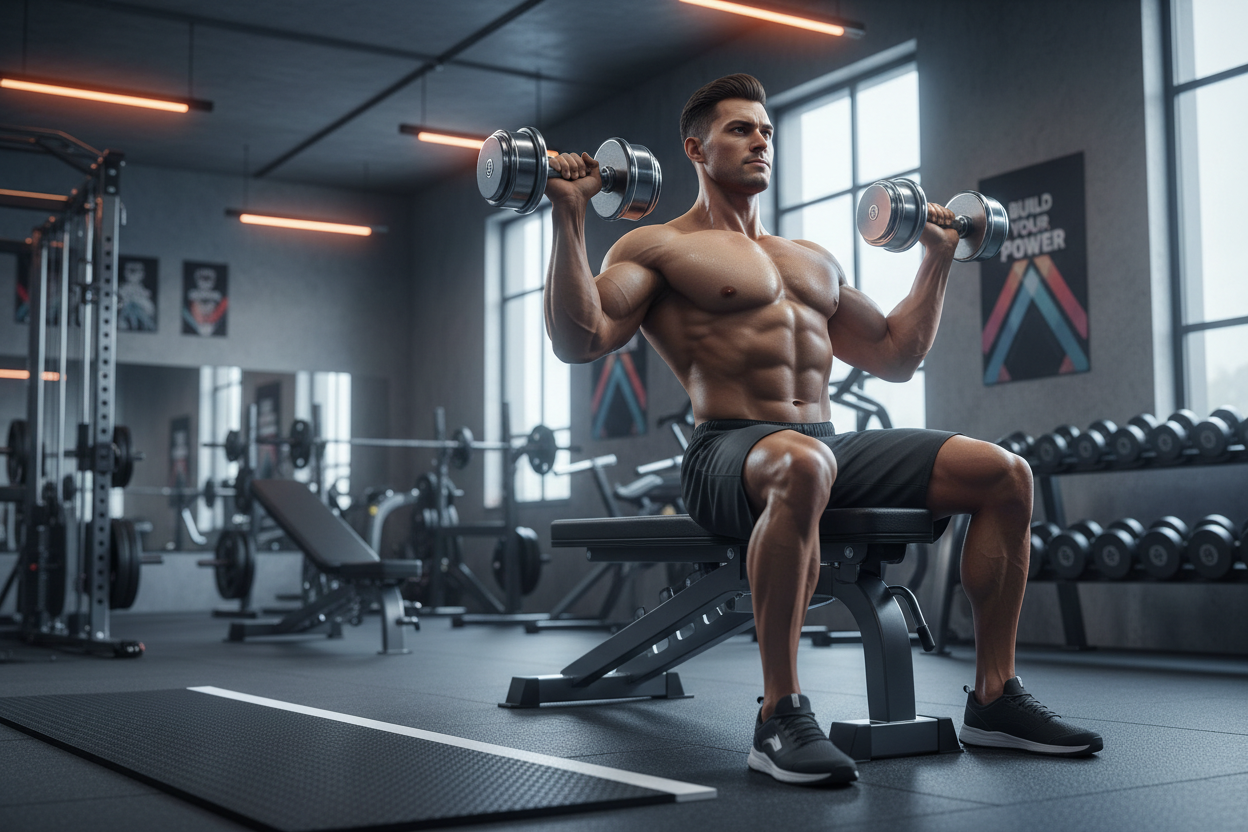
This classic move targets the overall chest, making it a cornerstone for anyone looking to build chest muscle with dumbbells. Lie flat on a bench, hold a dumbbell in each hand at chest level, and press upwards until arms are fully extended. Lower slowly to maximize tension.
Incline Dumbbell Press
Adjusting the bench to a 30–45 degree incline focuses more on the upper chest region, helping you build a fuller, more proportionate look. Press the dumbbells upward, making sure not to lock your elbows at the top.
Dumbbell Fly
For stretching the muscle fibers and creating a wider chest appearance, dumbbell flies are invaluable. Keep a slight bend in the elbow, move the weights outward in a controlled arc, and bring them back together to engage the pectorals deeply.
Incline Dumbbell Fly
This movement shifts the emphasis towards the upper chest while maintaining a great stretch and contraction in the muscle. It can be particularly effective for those aiming for upper pec definition.
Dumbbell Pullover
While traditionally used for back and serratus muscles, the pullover can engage the chest significantly when performed correctly. Maintain a slight bend in the elbows and lower the dumbbell behind the head before pulling it back over the chest.
Structuring Your Chest Workout
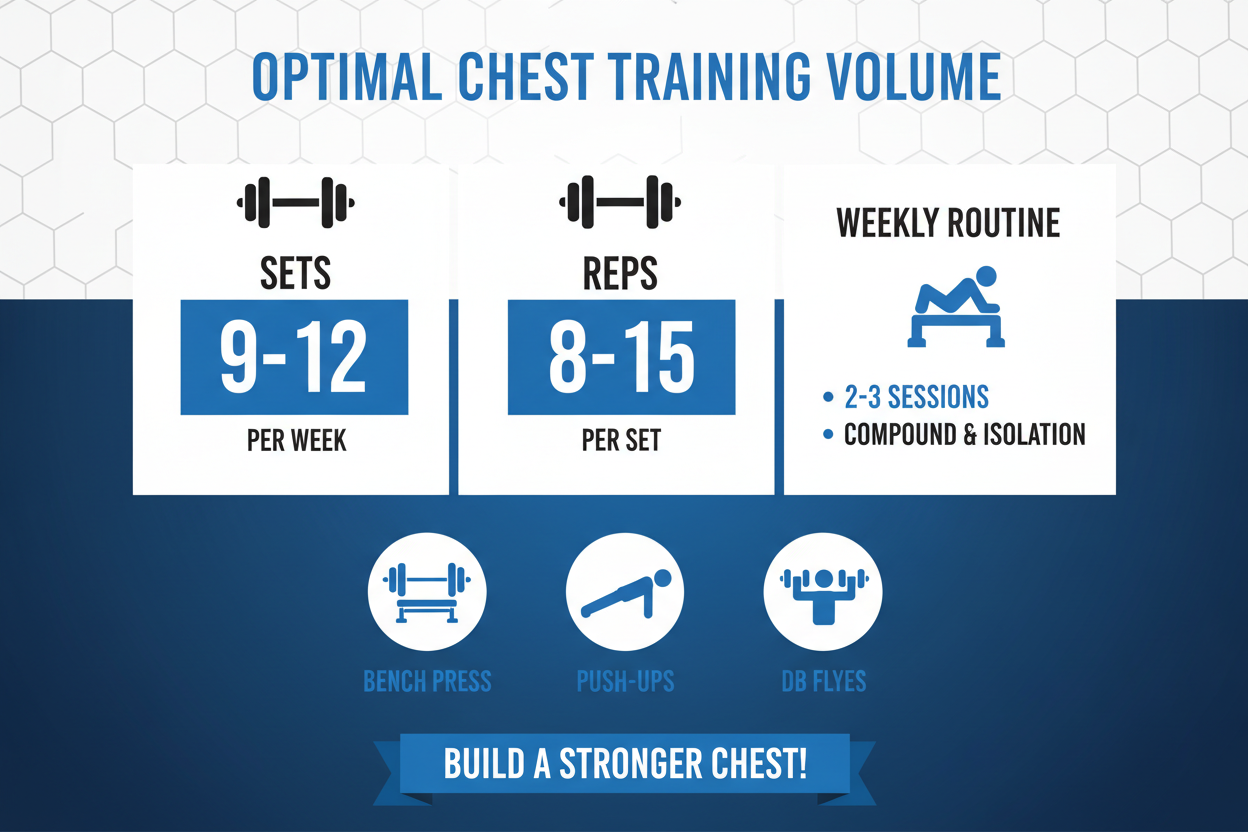
For optimal results when building chest with dumbbells, consider organizing your workout like this:
- Flat Dumbbell Bench Press – 4 sets of 8–12 reps
- Incline Dumbbell Press – 3 sets of 8–12 reps
- Dumbbell Fly – 3 sets of 10–15 reps
- Dumbbell Pullover – 2–3 sets of 12–15 reps
Always start with heavier compound movements that require more strength, then move to isolation exercises.
Tips for Maximizing Results
- Warm up before every session to prepare your muscles and joints.
- Focus on mind-muscle connection—feel your chest working through each repetition.
- Track your progress to ensure you are moving towards your goals.
- Keep your core engaged during exercises to maintain stability.
Nutrition and Recovery
Muscle building does not rely solely on training. A protein-rich diet helps repair and grow chest muscles after intense workouts. Include sources such as lean meats, dairy, legumes, and plant-based proteins. Sleep and rest days are equally important—muscles grow during recovery, not while you're lifting weights.
Personal Experience
When I first started focusing on building pecs with dumbbells, I underestimated the importance of proper form and gradual progression. I vividly remember switching from barbell presses to dumbbell presses and feeling an immediate increase in chest activation. Over several months, following a routine similar to the one above and paying close attention to recovery, my chest strength and definition noticeably improved. Dumbbells not only helped correct my muscle imbalances, but also allowed me to train effectively at home without a full gym setup.
Conclusion
Learning how to get pecs with dumbbells is a straightforward yet rewarding process when approached with the right principles and consistency. By focusing on form, progression, variety in exercises, and recovery, anyone can build a strong and defined chest while minimizing the risk of injury. Dumbbells provide the versatility needed to adjust workouts to individual needs and goals, making them a smart choice for chest training.