

Master Horizontal Adduction of Shoulder Muscles for Maximum Growth
If you have been bench pressing for years but your chest development is lagging behind your triceps or shoulders, the issue likely isn't the weight on the bar. It is a misunderstanding of biomechanics. To truly build a dense, wide chest, you must master the horizontal adduction of shoulder muscles. This specific movement pattern—bringing your arm across the midline of your body—is the primary function of the pectorals, yet it is often the most neglected part of heavy pressing movements.
Key Takeaways: Quick Summary
- Definition: Horizontal adduction is the movement of the humerus (upper arm) toward the midline of the chest while the arm is raised at 90 degrees.
- Primary Mover: The Pectoralis Major (specifically the sternal head) is the main engine for this motion.
- Key Synergists: The Anterior Deltoid and Coracobrachialis assist the movement.
- Best Application: Cable crossovers and machine flys often provide better resistance profiles for this specific mechanic than free weights.
The Anatomy Behind the Movement
Understanding which muscles drive this motion helps you visualize the contraction. You aren't just pushing weight; you are shortening muscle fibers.
Pectoralis Major
This is the star of the show. While the clavicular head (upper chest) assists with flexion, the sternal head is mechanically responsible for pulling the arm across the body. When you perform horizontal adduction shoulder muscles engage to drag the humerus from out wide toward your sternum.
Anterior Deltoid
Your front delt is a powerful synergist. It wants to take over, especially if your form breaks down. If you feel a fly movement entirely in your shoulder joint rather than your chest, your anterior delt is likely dominating the horizontal adduction plane.
Coracobrachialis
This is a smaller muscle deep beneath the bicep and delt. While you can't see it, it stabilizes the shoulder joint and assists in the adduction process, ensuring smooth movement of the arm bone.
Why the Bench Press Isn't Enough
The barbell bench press is a great compound lift, but it has a flaw regarding horizontal adduction. When you lock out a bench press, your hands are still shoulder-width apart. You never actually cross the midline.
Gravity acts downward. At the top of a dumbbell fly or press, there is almost zero tension on the pectoral muscles because the bones stack vertically. To maximize hypertrophy based on horizontal adduction, you need a resistance profile that challenges the muscle when it is fully shortened (hands touching).
Optimizing Your Training
To fully exploit this biomechanical function, you must incorporate exercises where the resistance vector pulls your arms apart, forcing you to squeeze them together against tension.
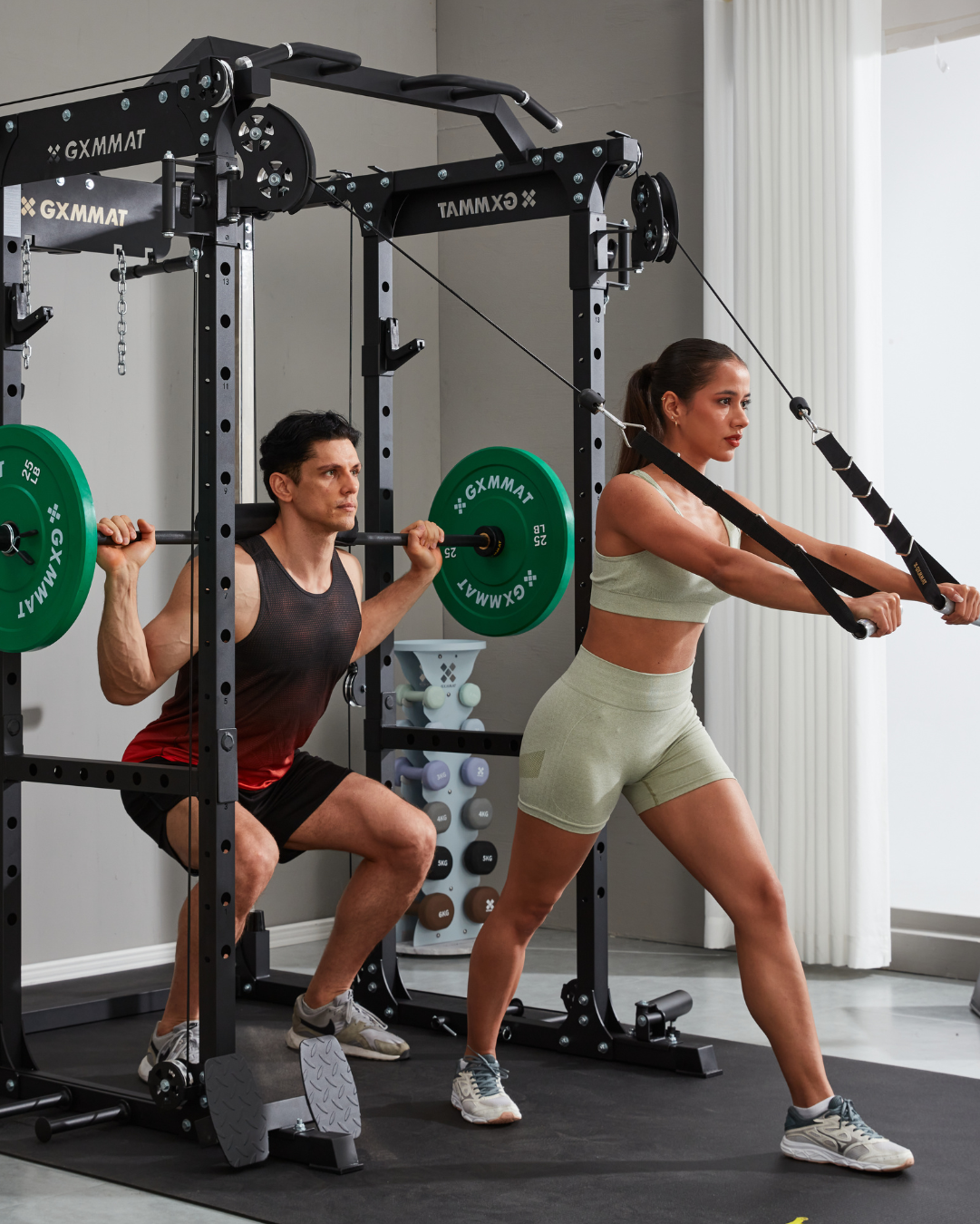
Cable Crossovers
Cables are superior here. Because the weight stack pulls the cable laterally, you maintain tension on the pectorals even when your hands touch. Crossing your wrists slightly past each other increases the range of horizontal adduction, activating the inner chest fibers more effectively.
Pec Deck / Machine Fly
Machines offer stability. By removing the need to stabilize a dumbbell, you can focus entirely on driving the elbows together. This isolation allows for a harder contraction at the peak of the movement.
My Training Log: Real Talk
I spent my first three years lifting thinking that heavy barbell benching was the only way to grow. I chased numbers, hitting 225lbs, then 275lbs, but my chest looked flat. My front delts, however, were massive.
I realized I was pushing, not adducting. I shifted my accessory work to focus purely on horizontal adduction using cables. The biggest game-changer wasn't the exercise itself, but the equipment. I stopped using the D-handles because my grip would give out before my chest.
I bought a pair of cheap ankle cuffs and strapped them around my wrists for cable flys. The difference was immediate. Without the distraction of gripping the handle, and without the nylon strap digging into the web of my thumb, I could focus entirely on driving my elbows into my ribs. That specific, cramping sensation in the inner pec—the kind that makes you want to drop your arms immediately—was something I had never felt with dumbbells. That burn is the signal that you are finally adducting correctly.
Conclusion
Building a standout chest requires more than just moving weight from point A to point B. It requires an understanding of how your anatomy functions. By prioritizing the horizontal adduction of shoulder muscles and selecting exercises that load this specific range of motion, you can unlock growth that standard pressing often misses. Focus on the squeeze, not just the push.
Frequently Asked Questions
What is the difference between adduction and horizontal adduction?
Standard adduction involves bringing the arm down to your side from an overhead position (like a pull-up). Horizontal adduction involves bringing the arm across the chest while it is raised (like a chest fly).
Can I train horizontal adduction with dumbbells?
Yes, primarily through dumbbell flys. However, dumbbells lose tension at the top of the movement due to gravity. Bands or chains can be added to maintain tension throughout the range of motion.
Does the latissimus dorsi assist in horizontal adduction?
Generally, no. The lats are primary extensors and adductors in the vertical plane. While they stabilize the shoulder, they do not actively pull the arm across the chest in horizontal adduction.


