Master Back Thigh Muscle Exercises: The Ultimate Hamstring Guide
Walk into any commercial gym, and you will see plenty of people obsessing over their quads in the mirror. But true leg strength—and athletic power—comes from the posterior chain. If you neglect your back thigh muscle exercises, you aren't just leaving gains on the table; you are setting yourself up for knee injuries and postural issues.
The hamstrings are complex. They cross two joints (the hip and the knee), meaning a few sets on a lying leg curl machine won't cut it. To build thick, resilient legs, you need a strategy that addresses both biomechanical functions of the muscle group.
Key Takeaways: The Hamstring Blueprint
- Train Both Functions: Your routine must include hip extension (hinging) and knee flexion (curling).
- Control the Eccentric: The back of the thigh responds exceptionally well to slow, controlled lowering phases.
- Volume Balance: Aim for a 1:1 ratio of quad to hamstring volume to prevent muscle imbalances.
- Foot Position Matters: Slight alterations in foot placement can target different heads of the hamstring muscle.
Understanding the Anatomy: More Than Just 'Leg Biceps'
Before grabbing a barbell, you need to understand what you are actually training. The "back of the thigh" consists of three main muscles: the semitendinosus, semimembranosus, and the biceps femoris (long and short heads).
Most lifters fail because they treat these muscles like they only do one thing. The short head of the biceps femoris only crosses the knee joint. This means if you strictly do deadlifts (a hip movement), you are leaving a significant portion of the muscle undeveloped. A complete program requires diversity.
The Hip Hinge: Lengthening Under Load
When figuring out how to workout the back of your thighs for mass, the hip hinge is king. This movement pattern involves pushing your hips backward while keeping a relatively neutral spine, placing the hamstrings under extreme tension while they are lengthened.
The Romanian Deadlift (RDL)
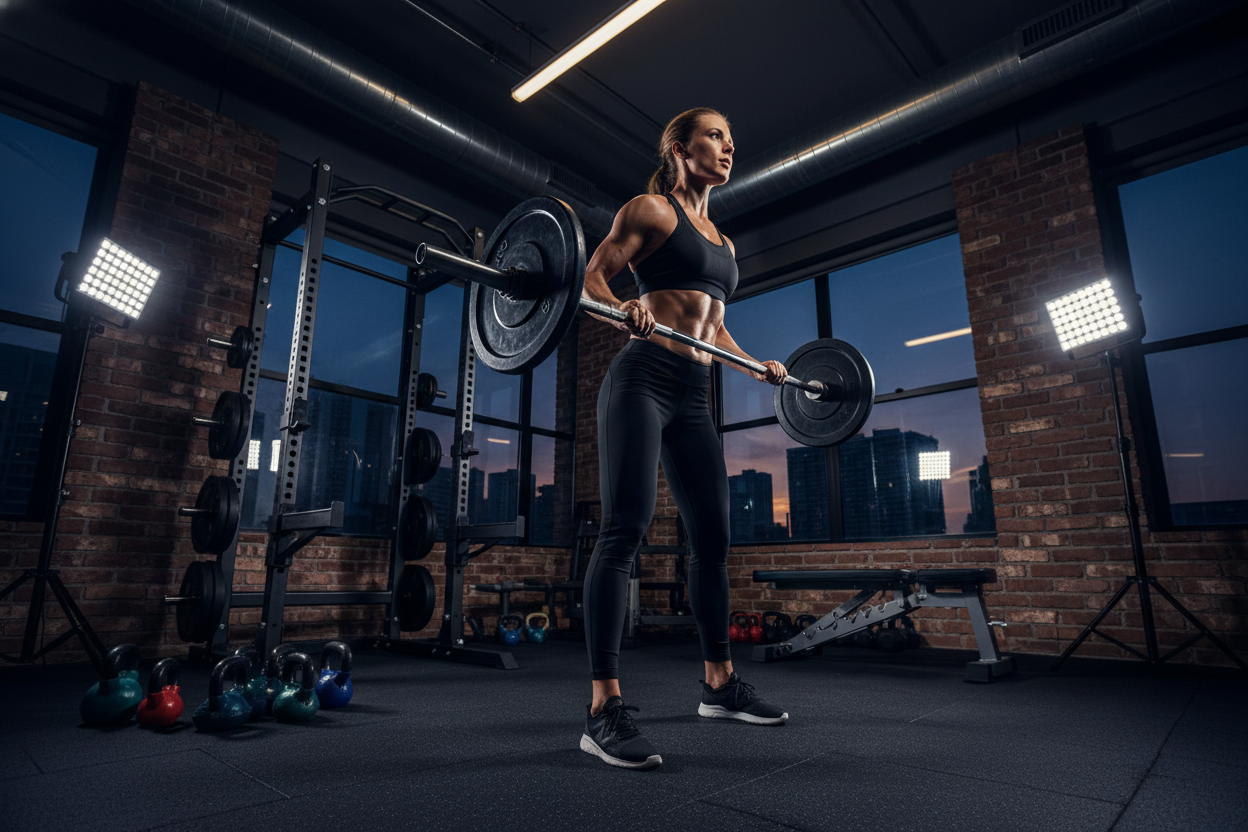
The RDL is the primary mass builder. The trick here isn't touching the floor; it's pushing the hips back until you feel a maximum stretch. Once your hips stop moving back, the range of motion is over. If you go lower, you are just using your lower back, not your legs.
The Good Morning
This is an advanced variation where the load is placed on your upper back. It increases the lever arm, making light weights feel heavy. It requires strict form, but the payoff for upper hamstring development is massive.
Knee Flexion: The Isolation Factor
Learning how to work the back of your thighs completely requires knee flexion exercises. These movements shorten the muscle and are essential for targeting the short head of the biceps femoris.
Seated vs. Lying Leg Curls
There is a biomechanical difference here. A seated leg curl places the hip in flexion, which puts the hamstrings in a stretched position *before* you even start curling. Studies suggest this often leads to greater hypertrophy than lying leg curls. However, doing both provides the best stimulus.
Nordic Hamstring Curls
This is arguably the best bodyweight movement for injury prevention. By kneeling and lowering your torso toward the ground (controlled by your hamstrings), you build immense eccentric strength. This specific strength is what protects athletes from tearing a hamstring during a sprint.
My Training Log: Real Talk
Let's drop the textbook talk for a second. I want to share my personal experience with back thigh muscle exercises, specifically the Glute-Ham Raise (GHR).
On paper, the GHR is the perfect exercise. In reality, it’s humbling and awkward. The first time I used a GHR machine, I didn't set the footplate distance correctly. I remember the specific, sharp pressure of the knee pads digging into my lower quads because I was positioned too far forward. It wasn't a muscle burn; it was just bruising bone.
But the real reality check was the "break point." There is a specific angle during the ascent of a GHR—right when your torso passes parallel—where your hamstrings feel like they are going to snap or cramp violently. It’s that shaky, vibrating struggle where you instinctively want to arch your back to cheat. Learning to embrace that specific, uncomfortable vibration without breaking form was the turning point for my leg development. If you don't feel like your hamstrings are about to roll up like a window shade, you probably aren't pushing hard enough.
Conclusion
Building the back of your legs isn't glamorous. You don't get the immediate "pump" visual in the mirror that you get from arm training. However, mastering these movements is the difference between looking fit and being truly athletic. Prioritize the hinge, respect the curl, and don't shy away from the exercises that make you shake.