Master Any Weight Lift Exercise for Beginners Using Just a Bench
I remember the first time I walked into a commercial gym. I grabbed a pair of 20-pound dumbbells, tried to do a standing overhead press, and immediately felt like a tall building in a high-wind storm. My core was shaking, my back was arching, and the weights were drifting everywhere but up. Mastering a weight lift exercise for beginners shouldn't feel like a circus act, but that is exactly what happens when you try to balance your entire body and a heavy object at the same time.
Quick Takeaways
- Use a bench to remove the balance variable so you can focus on muscle contraction.
- Seated movements protect your lower back from the 'beginner arch' during presses.
- Chest-supported rows are the safest way to build back thickness without spinal fatigue.
- Physical feedback from a backrest tells you instantly when your form is breaking.
Why Free Weights Feel So Wobbly at First
When you start researching lifts for beginners, most guides tell you to grab a barbell and start squatting. That is terrible advice for someone whose stabilizer muscles haven't checked into the gym yet. Your nervous system is currently trying to figure out how to keep you upright while holding extra weight. This 'wobble' is why many people get frustrated and quit after a week—they feel weak, but it is actually just a lack of coordination.
Standing dumbbell movements are particularly tricky. Without a solid foundation, your body will naturally try to find the path of least resistance. Usually, that means leaning back or using momentum to swing the weight up. This is exactly what we discuss when looking at The First 3 Weight Lifts for Beginners You Should Actually Learn. These beginner lifts need to be performed in a way that isolates the target muscle rather than turning every movement into a full-body struggle for survival.
Enter the Adjustable Bench: Your Form Enforcer
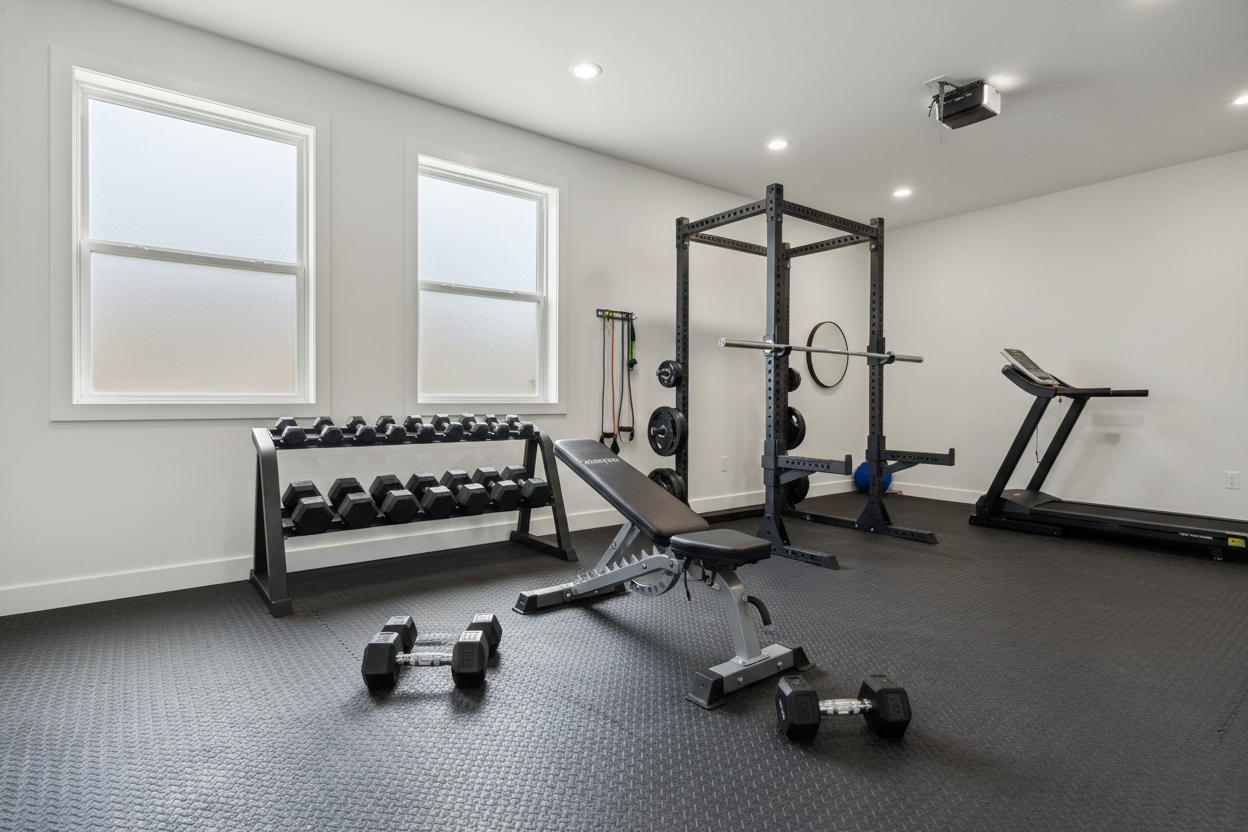
An adjustable bench is the best coach you will ever have. It provides immediate, physical feedback. If your shoulder blades lose contact with the pad during a press, you know you are cheating. If your chest lifts off the seat during a row, you know you are using your lower back. It forces you into an easy weightlifting routine where the only thing moving is the weight, not your entire torso.
I always recommend starting with something like the Gxmmat Adjustable Weight Bench. You want a bench that feels like a tank. If the bench wobbles, you will wobble. A solid, non-wobbly foundation allows you to drive your feet into the floor and your back into the pad, creating a 'cockpit' for your lift. This stability is the secret to an easy beginner weight workout that actually yields results instead of just making you tired and sore in the wrong places.
My Go-To Easy Beginner Weight Workout
This routine is designed to be performed entirely on the bench. We are stripping away the need to balance on two feet so you can actually feel your muscles working. This is the fastest way to build the mind-muscle connection that separates the people who just 'move weight' from the people who actually build muscle.
The Chest-Supported Row
Set your bench to a 45-degree incline. Lay face down with your chest firmly against the pad and your feet planted on the floor. Let the dumbbells hang straight down. As you pull the weights toward your hips, keep your chest glued to that pad. This setup makes it physically impossible to 'cheat' by jerking your torso upward. It is the gold standard for building a strong upper back without the risk of a herniated disc that comes with poorly executed standing rows.
The Seated Overhead Press
Set the bench to a nearly vertical position (about 85 to 90 degrees). Sit back and make sure your entire spine is supported. When you press the weights up, the backrest prevents you from leaning back into a 'standing incline press,' which is the most common mistake beginners make. It keeps the tension on your shoulders and off your lumbar spine. This is a foundational exercise with weights for beginners because it builds the pressing strength you will eventually need for the heavy barbell work.
Transitioning to a Full Garage Gym Setup
Eventually, you are going to outgrow the bench. Once you can move the dumbbells with total control and your core feels like a brick wall, it is time to stand up. This is when you graduate to standing barbell mechanics. You will find that because you spent months mastering the movement patterns on a bench, your standing form is naturally much tighter.
When you reach that point, you will want to look into something like the Gxmmat X6 Power Rack Weight Bench Package. This allows you to take those same bench movements and add the safety of a steel cage. It is the logical next step for anyone serious about turning a corner of their garage into a legitimate strength sanctuary.
Personal Experience: The Lesson of the 'Ego Arch'
Years ago, I thought I was too 'advanced' for a bench. I insisted on doing everything standing because I read somewhere that it 'burned more calories.' All it actually did was give me a nagging lower back ache that lasted three months. I went back to the bench, swallowed my pride, and realized my shoulders were actually quite weak because I had been using my whole body to swing the weights up. Using the bench as a guide helped me fix my form and eventually hit a personal record on the standing press that I never would have reached otherwise.
FAQ
Should I sit or stand for my first workout?
Sit. Always sit for your first few weeks. Removing the balance requirement allows your brain to focus entirely on how the target muscle feels when it contracts.
What weight should I start with?
Pick a weight you can move for 10 reps with a 2-second pause at the top. If you have to move your torso to get the weight up, it is too heavy.
Is a flat bench enough?
A flat bench is okay, but an adjustable one is far superior. The ability to do incline rows and supported presses is what makes the bench a true 'form enforcer.'