Lisa Is Beginning a Weight-Training Program (Here's Her Day 1)
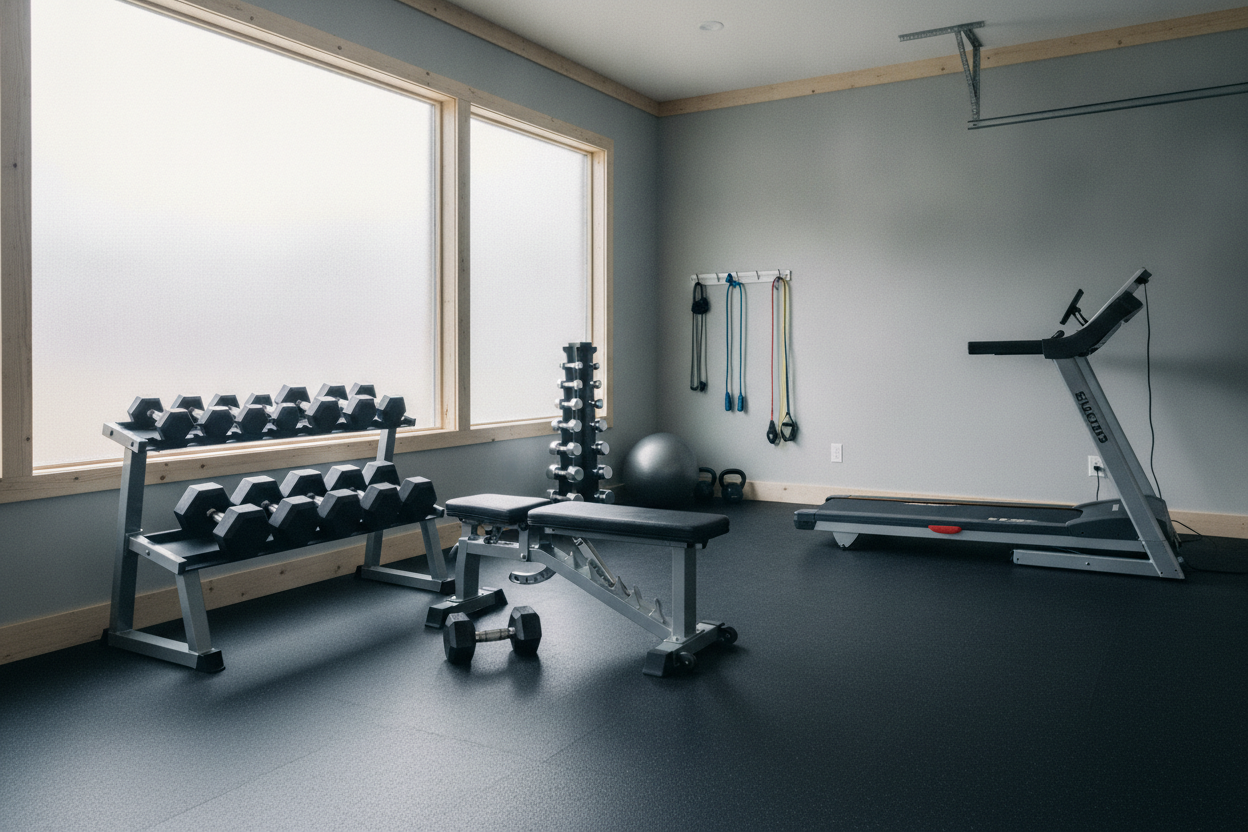
We have all been there. You are staring at a gym membership bill that costs more than your car insurance, or you are tired of waiting twenty minutes for the only squat rack in the building while someone scrolls through their phone. lisa is beginning a weight-training program because she wants actual results, not a social hour at the local fitness multiplex. She is ready to trade the fluorescent lights for her own garage or spare room, but the internet is currently trying to sell her a $3,000 smart mirror and a set of pink plastic dumbbells that weigh less than her cat.
- Focus on the Big Three: A rack, a bar, and plates are the only non-negotiables.
- Ignore the Fluff: Most 'as seen on TV' gear ends up as a laundry rack within six months.
- Form Over Ego: The first week is about movement patterns, not hitting a personal best.
- Consistency Beats Intensity: Day 14 is the real test of your commitment, not Day 1.
Who is Lisa? (And Why Her Story Sounds Familiar)
Lisa is not a professional athlete. She is not trying to step on a bodybuilding stage next month. She is just a person who realized that walking on a treadmill for 30 minutes while watching the news was not making her any stronger or more capable in her daily life. She is overwhelmed by the 'optimal' crowd on social media telling her she needs twelve different cable attachments and a specific brand of electrolyte water just to get started. Lisa represents every beginner who feels like they are standing at the bottom of a mountain without a map.
The reality is that Lisa just wants to be able to carry all the groceries in one trip, feel sturdy on her feet, and maybe see a little muscle definition in the mirror. She does not have four hours a day to spend in a gym, and she certainly does not want to feel judged while she learns the difference between a hinge and a squat. Her story is familiar because it is the story of anyone who has finally decided to prioritize their own physical resilience over convenience. She is starting from scratch, and that is exactly where the most progress happens.
The Trap of Buying Too Much Stuff Too Soon
The biggest mistake I see beginners make is what I call 'The Amazon Haul.' They get excited, buy a yoga mat, five different resistance bands, a set of 5-lb dumbbells, and a vibrating foam roller. Two weeks later, they realize they cannot actually build significant strength with a 5-lb weight. When buying strength equipment, you have to think about your future self. You will be stronger in three months than you are today. If you buy gear that only challenges you for a week, you have wasted your money.
Stop looking at the 'fitness' aisle of big-box retailers. That stuff is designed to be cheap and portable, not durable or effective for progressive overload. You do not need a balance ball or a 'thigh master.' You need tools that allow you to add weight incrementally over time. I have seen countless people spend $500 on gadgets that eventually gather dust under the bed. That same $500 could have been a down payment on a solid barbell and a set of iron plates that would last a lifetime. Buy once, cry once. Invest in the core pieces that actually facilitate growth.
The Only Three Things You Actually Need to Start
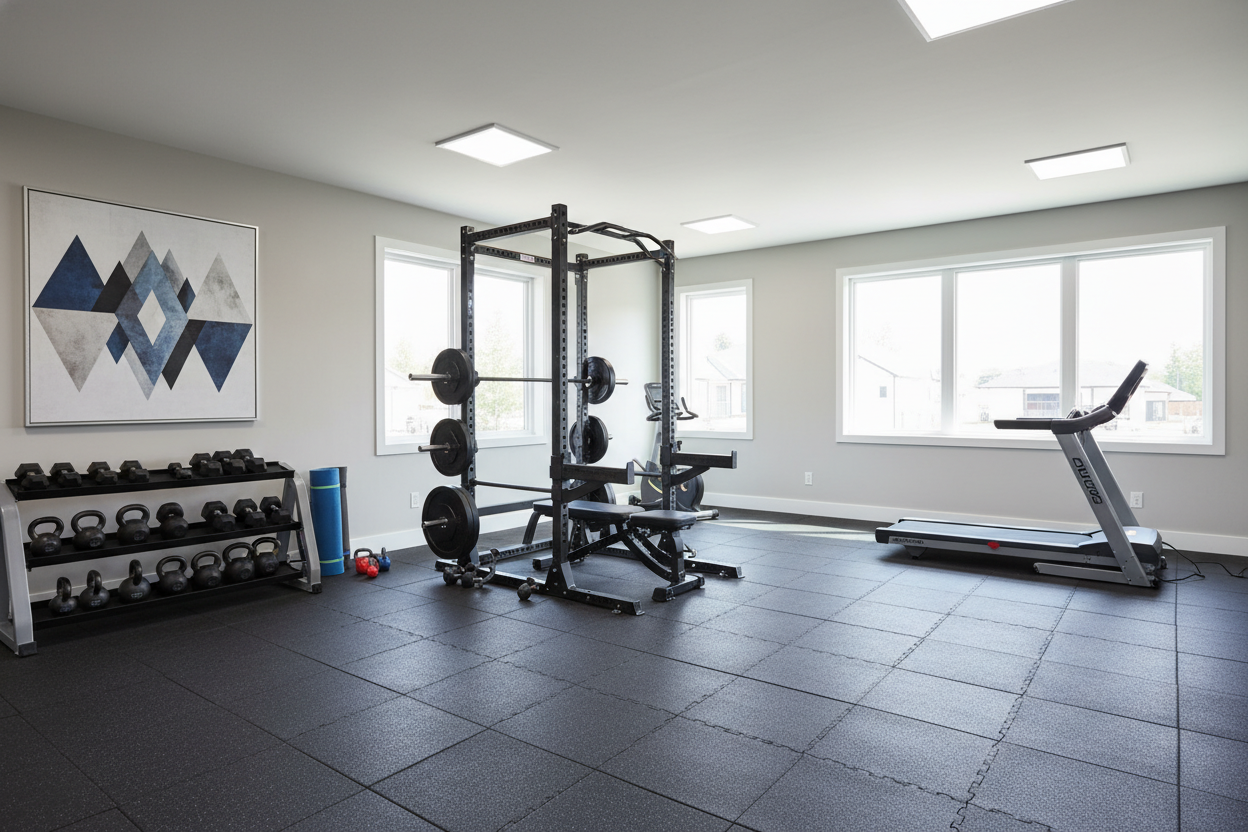
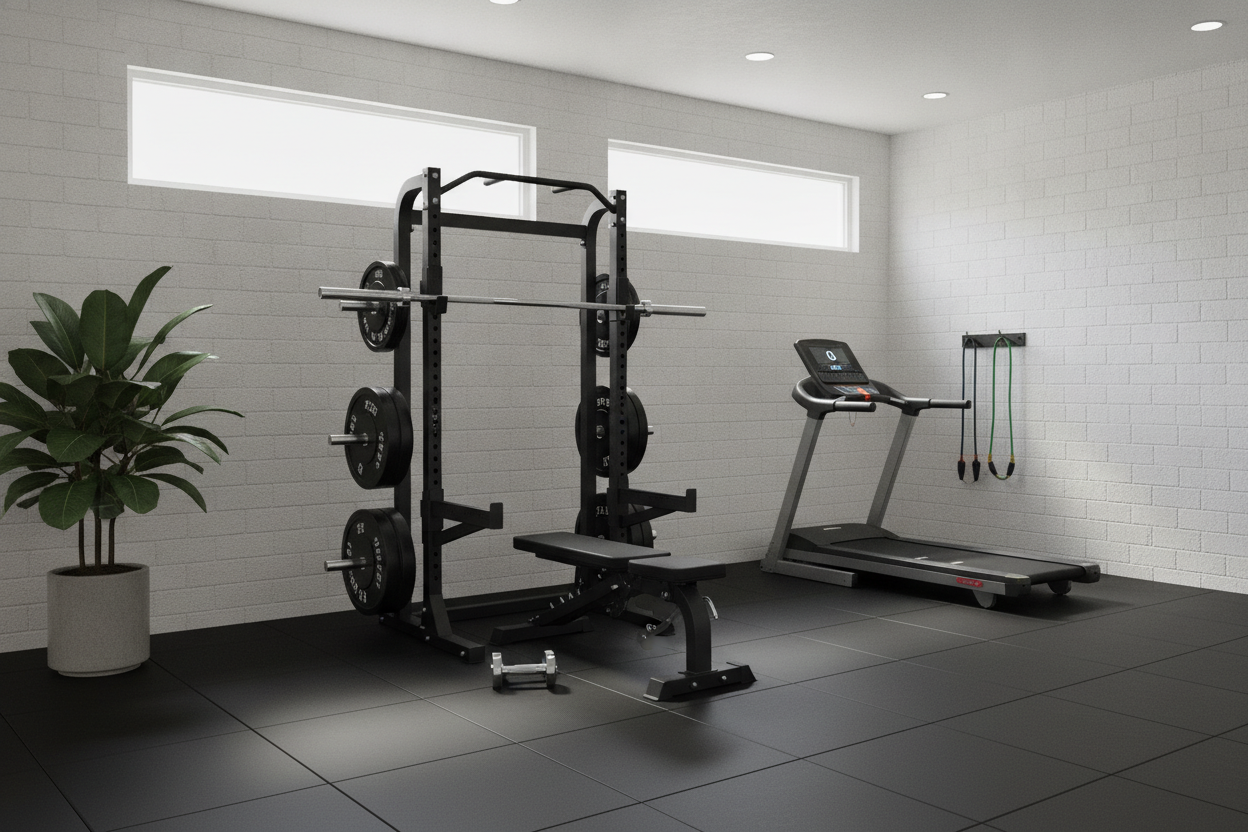
If you want to keep it simple, you only need three things. First, a power rack. This is your safety net. If you are training alone in a garage, you need those safety pins to catch the bar if you fail a rep. Look for a rack made of at least 14-gauge steel with a footprint that fits your space—most standard racks need about a 4x4 foot area. I always recommend a rack with 2x2 or 3x3 tubing because it makes finding attachments much easier later on. A solid rack is the centerpiece of building strength at home.
Second, you need a 20kg (44lb) Olympic barbell. Do not buy the cheap, threaded 1-inch bars. They feel like toys and the plates are a nightmare to change. Get a bar with a 28mm or 28.5mm diameter and decent knurling—that’s the 'sandpaper' texture that helps you grip the bar. You want sleeves that actually rotate so you do not wreck your wrists during a clean or a press. Third, you need plates. Plain iron plates are the most cost-effective. They clank, they are loud, and they are beautiful. If you are worried about your floor, grab a pair of 45-lb bumper plates to act as a buffer, then fill the rest of your rack with standard iron.
Week 1: Surviving the Awkward 'Empty Bar' Phase
The first week is going to feel weird. Lisa is going to walk up to that 45-lb barbell and feel like it is both surprisingly heavy and awkwardly light. This is the movement pattern phase. You are not trying to break records; you are trying to teach your brain how to coordinate your muscles. Expect to spend a lot of time doing 'air squats' with a PVC pipe or just the empty bar. This is not 'wasted' time. It is the foundation of everything that follows.
You will be sore. Not the 'I ran a marathon' kind of sore, but a deep, 'I didn't know I had muscles there' kind of ache. This is called DOMS (Delayed Onset Muscle Soreness), and it is perfectly normal. The best cure for it is actually more movement. Don't sit on the couch for three days because your quads are tight. Get back under the bar, even if it is just for a few light sets. By the end of Week 1, the bar will start to feel less like a foreign object and more like a tool. That is the win you are looking for.
What Happens When the Motivation Fades Around Day 14?
Day 1 is easy because you are fueled by excitement. Day 14 is where the wheels usually fall off. The novelty has worn off, the 'new gear' smell is gone, and you realized that lifting heavy things is actually hard work. This is the moment where you have to build a bulletproof mindset. Strength training is not about how you feel on a Tuesday morning; it is about showing up because it is on the calendar. This is the 'boring' middle where the real transformation happens.
Progressive overload is a slow burn. You might only be adding five pounds to the bar each week. It does not feel like much in the moment, but over a year, that is 260 pounds of progress. When Lisa hits Day 14, she needs to stop looking for motivation and start looking at her logbook. Seeing that you did 5 more pounds than last week is the only 'hack' you need. Forget the influencers; focus on the numbers in your notebook. If you can make it past the two-week slump, you are statistically much more likely to make this a lifelong habit.
Personal Experience: My $200 Mistake
When I first started my home gym, I thought I could outsmart the market. I bought a 'complete' weight set from a big-box store for $200. The bar was hollow, the plates were filled with sand and encased in plastic, and the bench wobbled if I breathed too hard. I thought I was saving money. Within two months, the plastic on the plates cracked, and I was terrified to bench press because the rack felt like it would fold under 135 pounds. I ended up throwing it all away and buying the real stuff anyway. I paid twice because I tried to be cheap the first time. Buy the real iron first.
Frequently Asked Questions
Do I need a special floor for my weights?
You do not need a professional platform, but you do need protection. Go to a farm supply store and buy 3/4-inch thick rubber stall mats. They are indestructible, cheaper than 'fitness' flooring, and will protect your concrete from getting cracked by dropped plates.
Can I start with dumbbells instead of a barbell?
You can, but you will outgrow them quickly. A barbell allows for much smaller increments of weight (using 1.25-lb plates) and lets you move much heavier loads, which is the fastest way to get strong. If space is at a premium, adjustable dumbbells are a decent second choice.
How many days a week should a beginner lift?
Three days a week is the sweet spot. It gives your central nervous system and your joints enough time to recover between sessions. Quality over quantity is the rule here—don't try to go six days a week right out of the gate or you will burn out by Day 20.