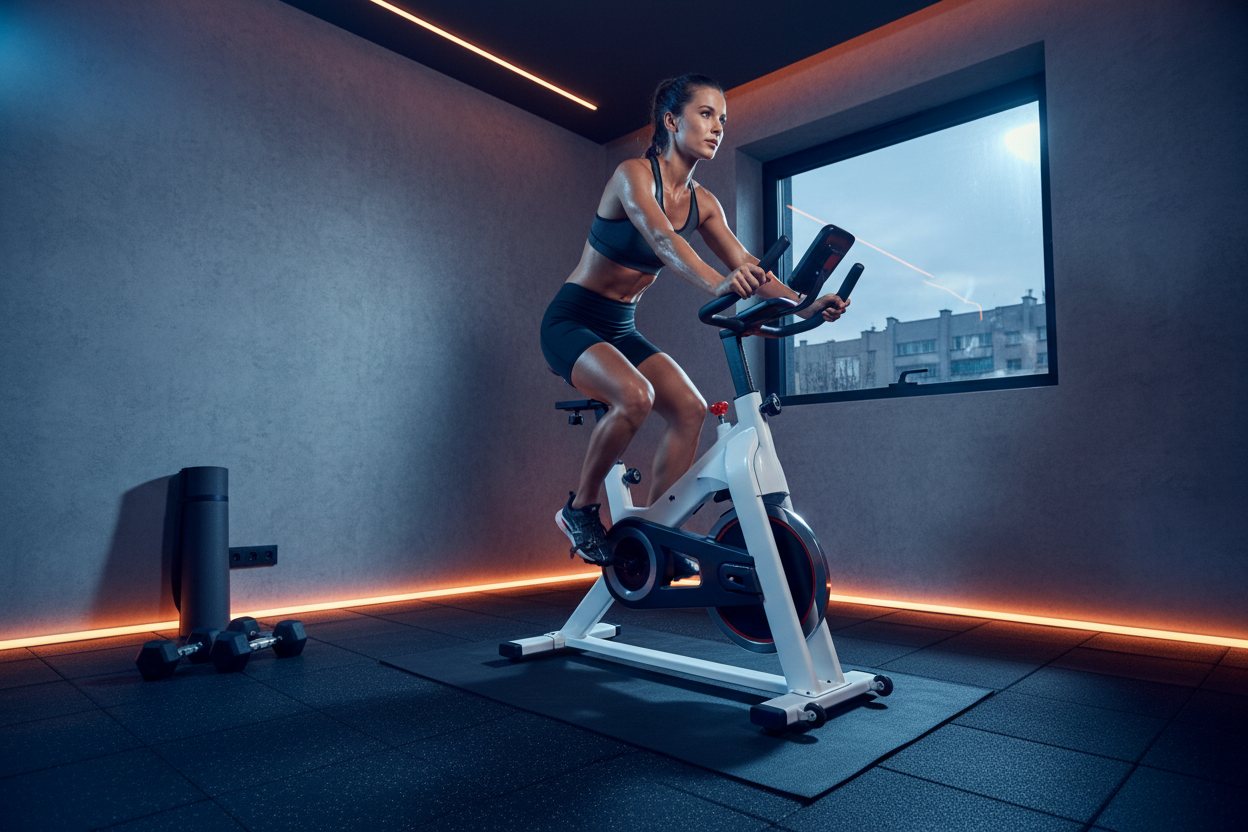
Light Exercise Bike Explained: What to Know Before You Buy
Building a home gym when you live in a third-floor apartment or have a multi-use garage is often a game of Tetris. You want the heart-pumping benefits of indoor cycling, but you simply don't have the square footage for a 150-pound commercial studio cycle. Enter the light exercise bike—the ultimate space-saving solution for home cardio.
If you are tired of tripping over bulky equipment, a lightweight stationary exercise bike can transform your living room into a workout space and back again in seconds. In this guide, we will break down exactly what to look for, how to maximize your small space, and whether these ultra-portable bikes can actually deliver a serious workout.
Key Takeaways
- Portability is key: Most lightweight models weigh between 30 and 50 pounds, making them easy to roll into a closet after use.
- Resistance types matter: Magnetic resistance is preferred for shared living spaces because it is virtually silent.
- Weight capacity limits: Lighter frames typically support up to 220-250 pounds; always check the specs before purchasing.
- Best for steady-state: These bikes shine for Zone 2 cardio and steady-state rides rather than heavy, out-of-the-saddle sprinting.
Choosing the Best Lightweight Exercise Bike: Key Specs
Not all compact bikes are created equal. When shopping for the best lightweight exercise bike, you need to balance portability with structural integrity. Here is what separates a flimsy coat rack from a reliable piece of fitness equipment.
Magnetic vs. Friction Resistance
If you live in an apartment, magnetic resistance is your best friend. It uses magnets to create tension against the flywheel, resulting in a whisper-quiet ride with zero maintenance. Friction resistance (which uses felt pads) is often cheaper but can be noisy and requires periodic pad replacement.
Weight Capacity and Stability
The trade-off for a lightweight frame is often a lower maximum user weight. While a commercial bike might hold 350 pounds, a typical lightweight stationary bike usually maxes out around 250 pounds. Look for models with wider stabilizer bars at the base to prevent side-to-side tipping during your ride.
Space Planning: Fitting Cardio into Tight Quarters
Finding the right stationary bike lightweight enough to move easily is only half the battle; you also need to store it.
Folding vs. Compact Upright Models
Folding bikes (often called X-bikes) are the kings of small spaces. They collapse to a fraction of their footprint and can slide into a closet or corner. However, if you have a dedicated corner in a basement or garage, a non-folding compact upright bike might offer better ergonomics and a heavier flywheel while still maintaining a small footprint.
From Our Gym: Honest Take
When we tested several compact models for our small-space living series, I kept a popular lightweight stationary bike in my own 600-square-foot apartment for a month. Moving the 38-pound frame from the bedroom to the living room TV required zero effort thanks to the front transport wheels. The magnetic resistance was so quiet I could ride while my partner slept in the next room.
However, I have to be honest about the limitations: at 6'1" and 190 pounds, I noticed a distinct wobble when I stood up for high-intensity, out-of-the-saddle sprints. The lighter base simply doesn't anchor to the floor like a heavy studio bike. It is fantastic for seated, steady-state cardio, but if you are an aggressive sprinter, you will need to adjust your riding style to stay seated and keep the bike planted.
Frequently Asked Questions
Is a lightweight exercise bike sturdy enough for daily use?
Yes, provided you stay within the manufacturer's weight limit and use it primarily for seated cardio. Daily steady-state riding is perfectly fine, but aggressive standing sprints may cause premature wear on the lighter frame joints.
How much does a lightweight stationary exercise bike weigh?
Most models in this category weigh between 30 and 55 pounds. This makes them significantly lighter than standard spin bikes, which typically weigh between 100 and 150 pounds.
What is the best lightweight stationary bike for tall riders?
Tall riders should look for compact upright bikes with multi-way adjustable seats (up/down and forward/back). Folding X-bikes often have limited seat height adjustments, which can prevent full leg extension for anyone over 6'0".
Can I lose weight using a light exercise bike?
Absolutely. Weight loss is driven by a caloric deficit. Riding a compact bike for 30-45 minutes a day can burn significant calories, improve cardiovascular health, and help you reach your fitness goals just as effectively as a heavier, more expensive model.