
Lifting Free Weights: Everything You Need to Know Before Buying
If you've hit a plateau using resistance bands or a bulky all-in-one multi-gym, you aren't alone. Many home gym owners eventually realize that machines can only take their progress so far. When you want to build functional strength, improve your balance, and maximize your limited floor space, lifting free weights is the most effective path forward.
In this guide, we'll break down exactly how to transition to a free weight setup, what gear offers the best return on investment, and how to program your sessions for maximum results.
Key Takeaways
- Unmatched versatility: A simple dumbbell or barbell setup allows for hundreds of movements without needing extra attachments.
- Core engagement: Unlike seated machines, free weight training forces your stabilizing muscles and core to work overtime.
- Space efficiency: Adjustable dumbbells and a folding bench can easily fit into the corner of any apartment or small basement.
- Scalability: Weight training with free weights grows with you; simply add more plates to the bar as you get stronger.
Understanding the Basics
What is Free Weight Exercise?
At its core, if you are wondering what is free weight exercise, it simply refers to any movement where the resistance is provided by an object that isn't attached to a machine, track, or pulley. This includes dumbbells, barbells, kettlebells, and even sandbags. Because the weight is 'free' to move in any direction in three-dimensional space, your body must control the entire range of motion.
The Superiority of Free Weights Strength Training
When comparing machines to strength training with free weights, the biggest difference lies in biomechanics. Machines lock you into a fixed, predetermined path. While safe for absolute beginners, this ignores your body's natural movement patterns. Free weights strength training allows you to adjust your grip, stance, and bar path to fit your unique anatomy, reducing long-term joint stress and building true, functional power.
Building Your Home Setup
Dumbbells vs. Barbells
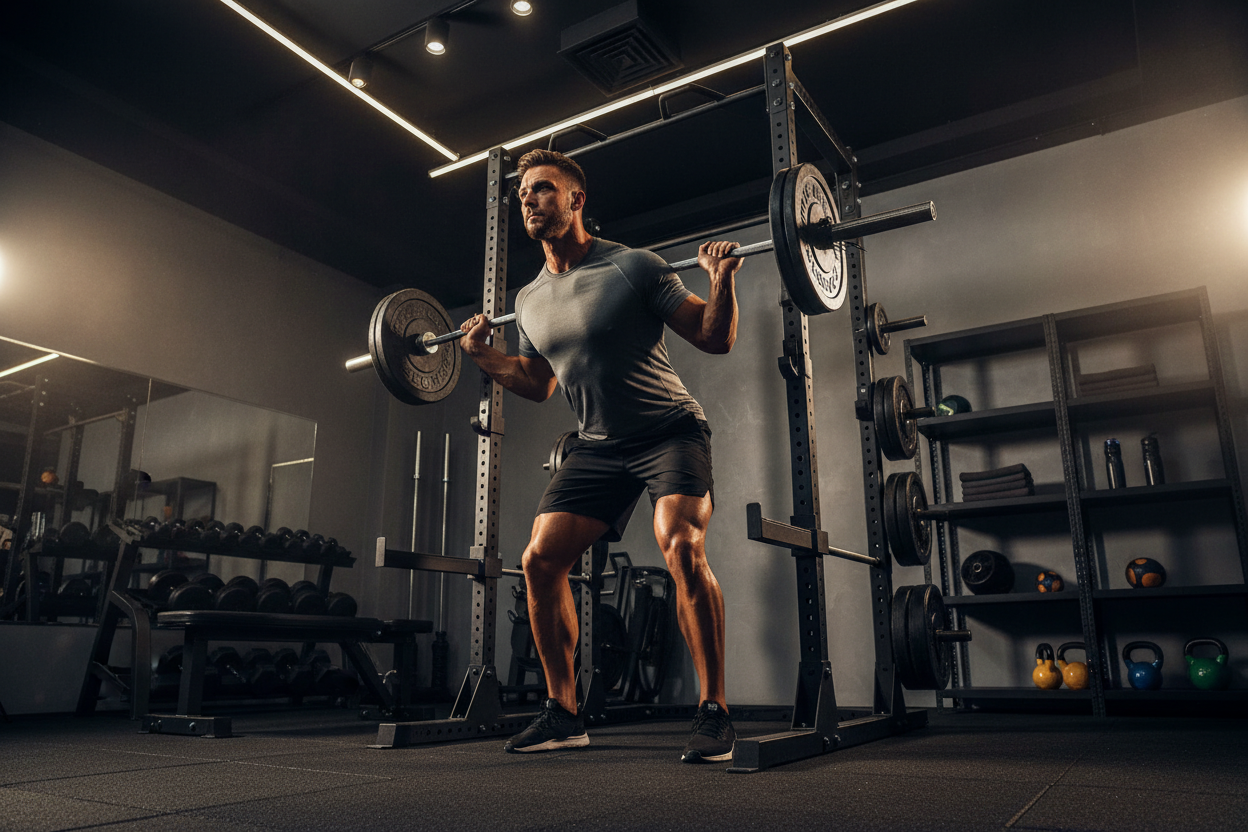
If you have a tight space—like a spare bedroom or an apartment corner—adjustable dumbbells are the undisputed kings of home fitness. They replace an entire rack of traditional weights and require less than two square feet of storage. However, if you have a dedicated garage gym, investing in an Olympic barbell and a power rack is essential. A barbell allows you to load significantly more weight for heavy compound lifts like squats and deadlifts.
Programming Your Sessions
What is Free Weight Workout Structure?
If you are asking what is free weight workout programming, it generally revolves around compound movements. A solid routine prioritizes exercises that hit multiple muscle groups at once. Start your session with heavy, multi-joint lifts (like barbell rows, squats, or overhead presses) while your central nervous system is fresh. Finish with isolation movements (like dumbbell bicep curls or tricep extensions) to target specific, smaller muscles.
From Our Gym: Honest Take
When I first built my basement gym, I bought a massive, cable-based multi-station. It took up a massive 8x10 footprint and frankly, the resistance curve felt sloppy. Two years ago, I sold it and switched entirely to lifting free weights—specifically, a half-rack, an aggressive-knurled Olympic bar, and a set of premium adjustable dumbbells.
The difference was night and day. My chalked grip held solid on heavy deadlifts, and my core strength skyrocketed from having to stabilize the weight myself. One honest caveat: dropping heavy iron plates on a concrete basement floor is incredibly loud. If you train early in the morning, you absolutely need to invest in thick, high-density rubber stall mats or bumper plates to save your foundation (and your family's sleep).
Frequently Asked Questions
Is free weight training safe for beginners?
Yes, but form is paramount. Start with very light weights or even a PVC pipe to master the movement patterns before adding heavy loads. Consider recording your sets to check your form and ensure your back remains neutral.
How much space do I need for a barbell setup?
For a standard 7-foot Olympic barbell, you need an absolute minimum width of 10 feet to comfortably load and unload plates. Depth depends on your rack, but an 8x10 foot area is the sweet spot for a full garage setup.
Are adjustable dumbbells durable enough for heavy lifting?
Modern adjustable dumbbells are incredibly robust, but they do have internal mechanisms. They are perfect for pressing and rowing, but they should never be dropped from a height like traditional rubber hex dumbbells.

