Let's Talk About the Crazy Shoulder Exercises Wrecking Your Joints
I was scrolling through my feed at 11 PM last night, right after a heavy squat session, and saw a guy doing a handstand on a kettlebell while pressing a barbell with one arm. It has reached a point where crazy shoulder exercises aren't about muscle anymore—they are about engagement metrics. My labrum hurt just watching the video. If you are chasing a pump so bad that you are willing to risk a Grade 2 tear for a few likes, you have lost the plot.
- Instagram lifts often trade joint stability for social media engagement.
- Behind-the-neck presses are rarely worth the risk for the average home gym owner.
- High-frequency 'insane' routines usually lead to tendonitis rather than actual hypertrophy.
- The basic overhead press and heavy lateral raises remain the gold standard for mass.
The Problem with Training for Views Instead of Gains
The fitness industry has shifted from 'how much can you lift' to 'how weird can you make it look.' Influencers are in an arms race to invent a new insane shoulder workout every week because posting a standard overhead press for the hundredth time doesn't stop the scroll. This gamification of training is dangerous. It encourages people to abandon the 20-lb dumbbells and 45-lb plates for unstable surfaces and awkward angles that the human shoulder was never meant to handle under load.
When you see a crazy shoulder workout involving resistance bands tied to a PVC pipe while standing on a BOSU ball, understand that it is a circus act. It is not a path to boulder shoulders. The glenohumeral joint is the most mobile joint in your body, which also makes it the most unstable. Loading it in compromised positions is a recipe for a surgical consult, not a bigger T-shirt size.
3 Viral Movements That Will Absolutely Shred Your Rotator Cuffs
First on the hit list: the ultra-wide behind-the-neck press. Unless you have the thoracic mobility of an Olympic weightlifter, this puts your humerus in a position of extreme external rotation and abduction. This 'insane shoulder workout' staple is a fast track to shoulder impingement. I have seen guys at the local powerhouse gym grind through these with a 45-lb bar only to wonder why they can barely reach for their seatbelt the next morning.
Second is kettlebell juggling or 'bottoms-up' presses performed on unstable surfaces. Stability is the foundation of force production. Instead of trying to balance on a foam roller for views, you should get a solid exercise mat for floor stability and plant your feet. Grounding yourself allows you to actually move heavy weight, which is what triggers muscle growth.
Third is the excessive band-resisted upright row. Pulling a heavy load vertically with an internal rotation of the humerus is literally the clinical test doctors use to diagnose impingement. Adding 'crazy' resistance bands just accelerates the wear and tear on your supraspinatus tendon. It is not worth the slight side-delt pump.
The Fine Line Between an Insane Shoulder Workout and Junk Volume
There is a massive difference between high intensity and high volume. A crazy shoulder workout often consists of 8 to 10 different exercises with 40 total sets. That is not intensity; it is junk volume. Your shoulders are relatively small muscles. If you hit them with that much volume, you aren't building muscle; you are just accumulating systemic inflammation and wearing down your bursa sacs.
Real growth comes from progressive overload on a few key movements. If you are wondering how many shoulder exercises per workout you actually need, the answer is usually three or four high-quality movements done with absolute focus. Anything more is usually just 'chasing the burn' at the expense of your recovery capacity.
Boring Lifts That Actually Make You Look Like You Lift
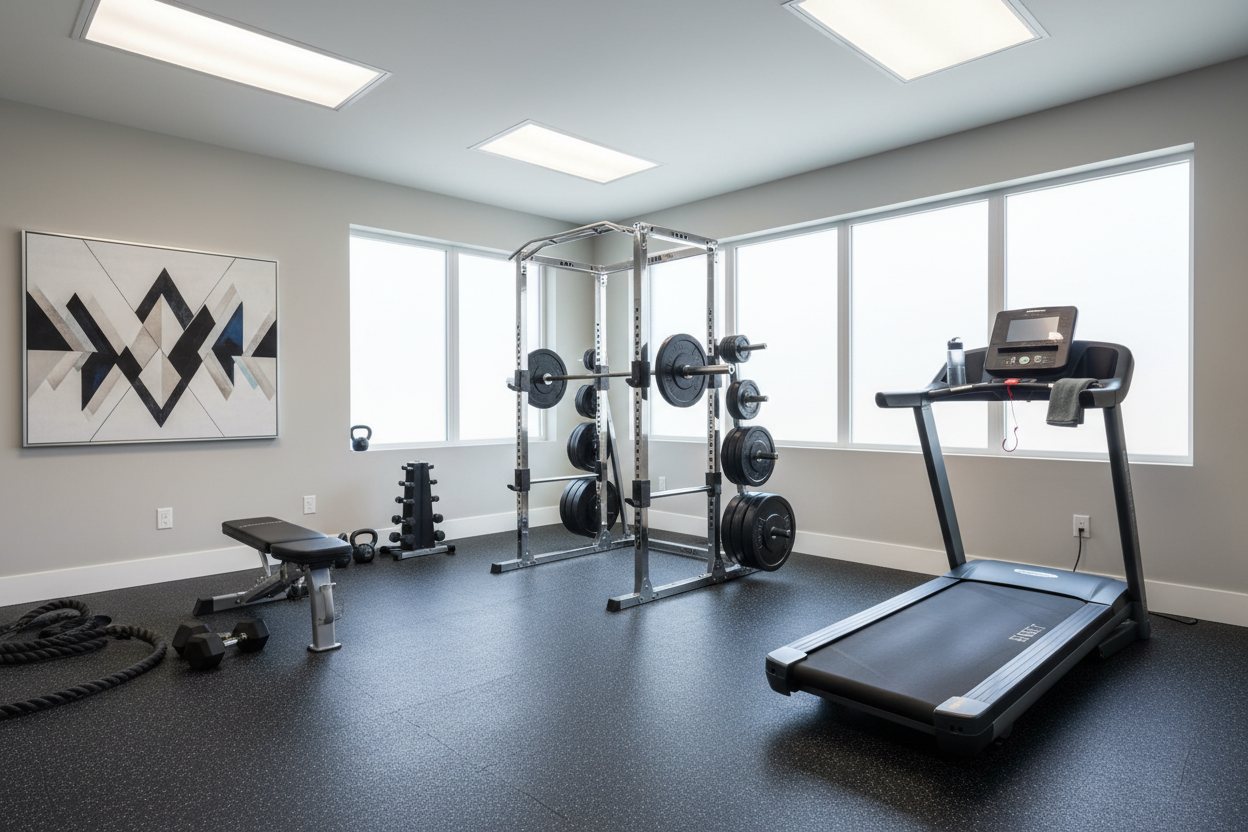
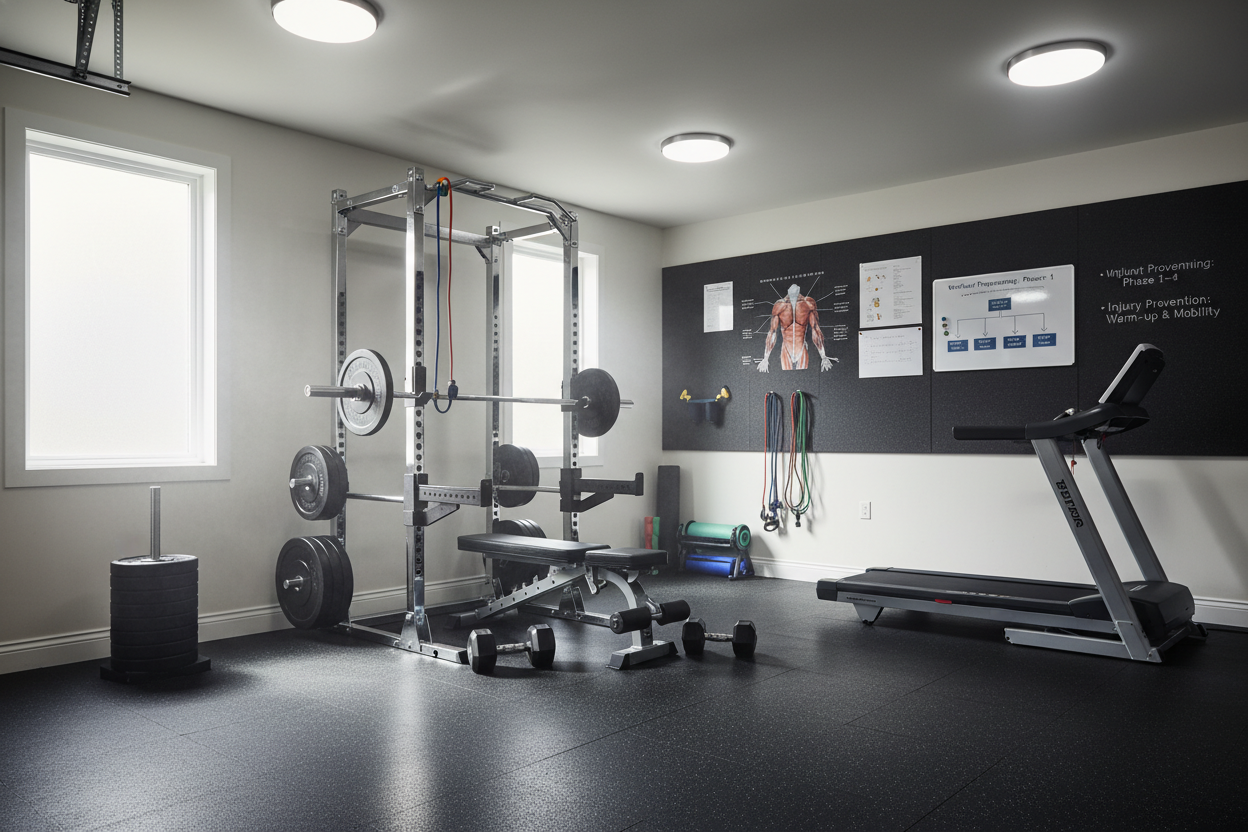
If you want to look like you have cannonballs attached to your torso, you need to fall in love with the boring stuff. Strict overhead pressing with a 2-inch fat bar or a standard Olympic bar is the foundation. It builds the front and side delts while taxing your core stability. I personally prefer using a rack with a 3-by-3 inch steel frame for safety when I am pushing near my 1RM.
Combine heavy presses with strict lateral raises—no swinging—and face pulls for rear delt health. This is the proven routine to build boulder shoulders without needing a physical therapist on speed dial. I have used this approach for a decade, and while it doesn't look 'crazy' on camera, it actually works in the mirror.
How to Program Intensity Without the Circus Act
You do not need to stand on one leg to make an exercise hard. Use mechanical drop sets instead. Start with a strict seated dumbbell press, and when you hit failure, immediately transition into a standing push press using your legs to drive the weight up. This keeps the tension on the muscle for longer without putting the joint in a compromised 'viral' position.
Use tempo manipulation. Take three seconds on the eccentric (lowering) phase of a lateral raise. It will feel like your delts are on fire, and you won't need more than 15-lb dumbbells to do it. For more structured, non-gimmicky training plans, check out our comprehensive workout hub. Stop training for the 'gram and start training for the long haul.
My Personal Take
I once fell for the 'Svend Press' hype, thinking it was a secret hack for inner chest and front delt thickness. I spent six weeks squeezing two 10-lb plates together like my life depended on it. All I got was a weird clicking in my sternum and zero measurable growth. I went back to heavy 85-lb dumbbell presses and the clicking vanished. Don't be me. Stick to the heavy metal.
Frequently Asked Questions
Are behind-the-neck presses ever okay?
Only if you have elite-level shoulder and thoracic mobility. For 95% of lifters, the risk of impingement far outweighs any marginal benefit to the medial delt.
How often should I train shoulders?
Twice a week is the sweet spot for most. This allows for enough volume to grow without overtaxing the delicate rotator cuff tendons.
Can I build big shoulders with just dumbbells?
Yes. Heavy overhead presses and high-volume lateral raises with dumbbells are arguably the most effective tools for shoulder hypertrophy.