Leg Day Doesn't Have to Take an Hour: The 20-Minute Routine That Actually Works
We have all been there. You stare at the calendar, look at the clock, and realize you only have a small window to train before a meeting, a family commitment, or just life gets in the way. The first instinct is usually to skip the gym entirely, especially if it is leg day. Most of us have been conditioned to believe that an effective lower body session requires an hour of squat racks, leg presses, and endless isolation movements. That is simply not true. You can absolutely torch your quads, hamstrings, and glutes with a focused short leg workout that clocks in under 25 minutes.
Intensity is the great equalizer. When you reduce the duration of a training session, you must increase the density of the work. This means shorter rest periods, compound movements that hit multiple muscle groups at once, and a focus on quality reps over sheer volume. If you execute this correctly, you won't just be saving time; you might actually find yourself making better progress because you aren't pacing yourself for a marathon session. You are sprinting through a sprint.
My Realization: Less Time, More Focus
A few years ago, my schedule tightened up significantly. I went from having luxurious 90-minute training windows to barely squeezing in 30 minutes during lunch breaks. I panicked, thinking my strength would plummet and my legs would shrink. I was forced to condense my routine. I stripped away the fluff—no more 15 minutes of foam rolling, no sitting on the leg extension machine looking at my phone between sets. I focused purely on the heavy hitters: squats, lunges, and hinges.
The result surprised me. My legs actually grew. The urgency of the clock forced me to stay engaged. I wasn't just going through the motions; I was attacking every set because I knew I only had time for three or four exercises. That psychological shift changed everything. I realized that a short leg workout wasn't a compromise; it was an efficiency hack. I stopped treating shorter sessions as "maintenance" and started treating them as high-intensity growth opportunities.
The Physiology of the Quick Session
To make a short session effective, you have to understand what stimulates muscle growth. Mechanical tension and metabolic stress are the primary drivers. You don't need 20 sets to achieve this. You need to take a moderate amount of sets close to failure.
By utilizing supersets (doing two exercises back-to-back with no rest) or tri-sets, you keep your heart rate elevated. This turns your strength training into a conditioning hybrid. You burn more calories in less time, and the accumulation of blood in the muscles (the pump) triggers metabolic stress signals that tell your body to repair and grow. The key is selecting exercises that offer the most "bang for your buck." A calf raise is fine, but a walking lunge hits the quads, glutes, hamstrings, and core simultaneously.
The 20-Minute Dumbbell Destroyer
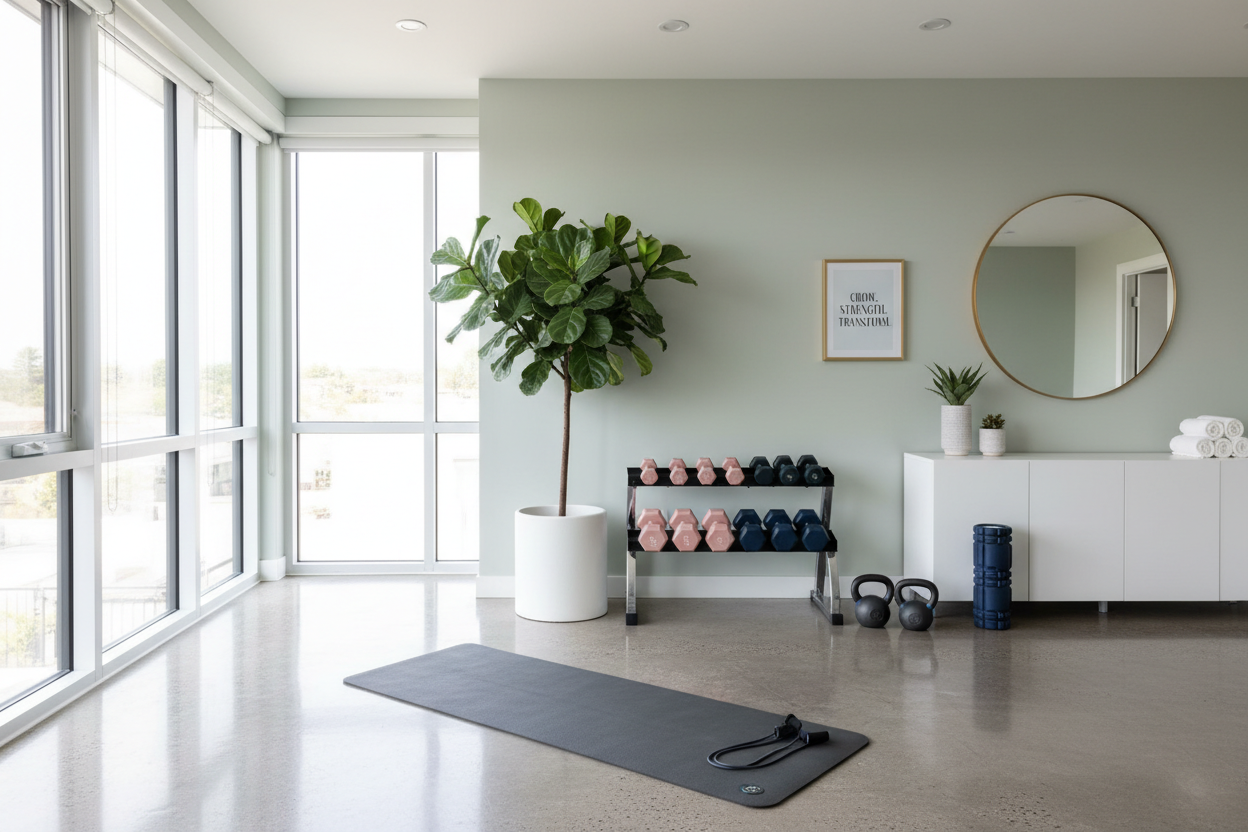
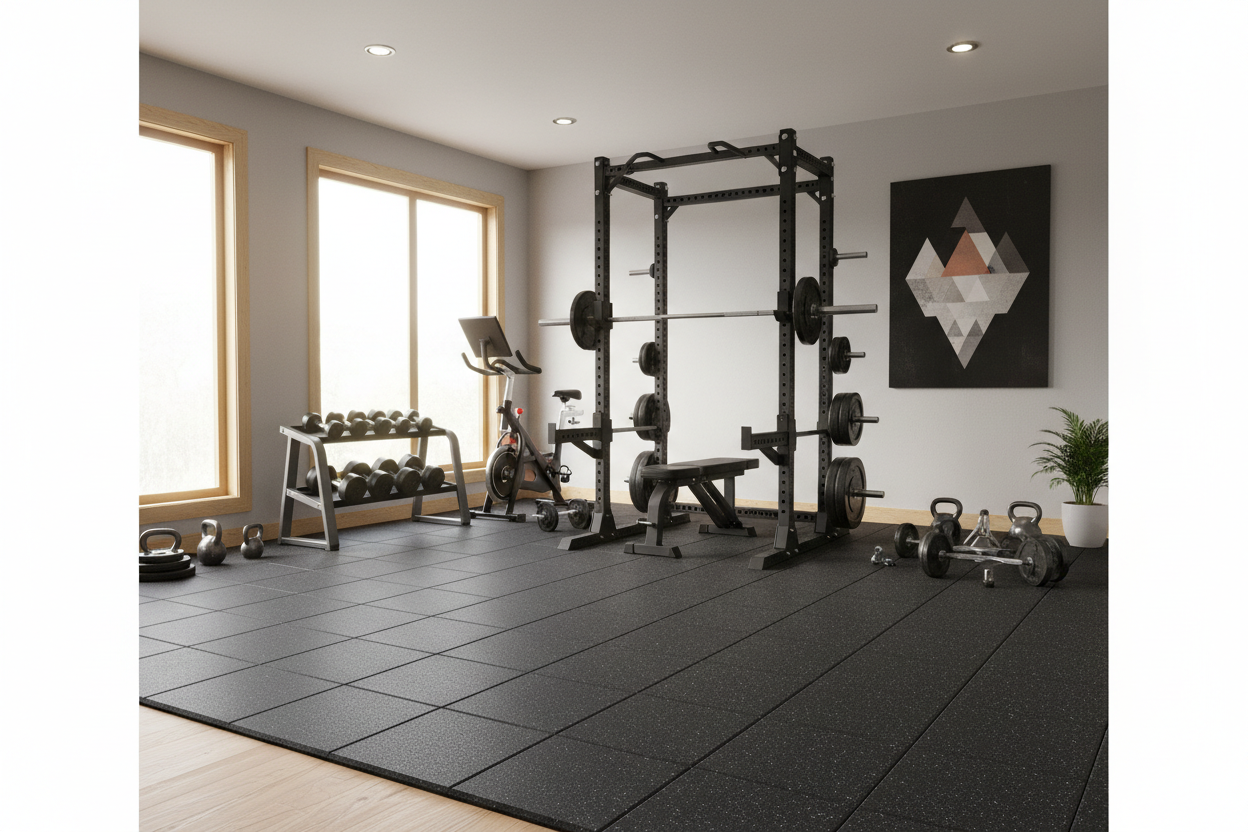
This routine requires only a pair of dumbbells, making it perfect for a crowded gym or a home setup. If you don't have weights, you can perform these with bodyweight, just increase the reps and slow down the tempo.
The Warm-Up (Do not skip this)
Even though we are rushing, jumping into heavy squats cold is a recipe for injury. Spend 3 minutes getting blood flow to the hips and knees. Perform 20 bodyweight squats, 10 lunges per side, and 30 seconds of high knees. Once you break a light sweat, you are ready to go.
Circuit A: The Compound Focus (3 Rounds)
Perform the first exercise, move immediately to the second, rest for 60 seconds, then repeat.
1. Goblet Squats (12-15 reps)
Hold a single dumbbell vertically against your chest. With your feet shoulder-width apart, drop your hips back and down. The weight placement forces you to keep your chest upright, which protects your lower back and puts a tremendous stretch on the quads. Go as deep as your mobility allows. Do not bounce out of the bottom; control the descent and drive up through your heels.
2. Dumbbell Romanian Deadlifts (10-12 reps)
Hold a dumbbell in each hand in front of your thighs. Keep a slight bend in your knees, but do not squat. Hinge at your hips, pushing your glutes backward as if you are trying to close a car door with your butt. Lower the weights until you feel a deep stretch in your hamstrings, then squeeze your glutes to return to standing. This pairs perfectly with the squat because it hits the posterior chain (back of the legs) while the squat focuses on the anterior (front).
Circuit B: Unilateral & Burnout (2 Rounds)
Unilateral training helps fix muscle imbalances and increases the intensity without needing super heavy weights.
1. Reverse Lunges (10 reps per leg)
Stand tall with dumbbells at your sides. Step one foot back and drop your back knee toward the floor. Keep your front shin vertical. Push off the front foot to return to standing. Reverse lunges are generally friendlier on the knees than forward lunges and hit the glutes hard. Alternate legs until you hit 20 total reps.
2. Jump Squats or Speed Squats (30 seconds)
Drop the weights. Immediately after your lunges, perform bodyweight squats as fast as you can with good form. If your joints allow, add a small jump at the top. This is the metabolic finisher. Your legs should feel like jelly by the time the 30 seconds are up.
How to Progress Without Adding Time
Since you cannot add more exercises without extending the workout time, you need other ways to apply progressive overload. The easiest method is increasing the weight of the dumbbells. However, if you have limited equipment, you can manipulate the tempo.
Try slowing down the eccentric (lowering) phase of your squat to a count of three or four seconds. Explode up on the count of one. This increases the time under tension, making a 20lb dumbbell feel like a 40lb dumbbell. Another method is the "1.5 rep" technique. Go all the way down, come halfway up, go back down, and then come all the way up. That counts as one rep. It is brutal, effective, and requires zero extra equipment.
Recovery Considerations
Just because the workout was short doesn't mean it wasn't damaging to the muscle fibers. You might actually be sorer than usual because of the reduced rest periods. Hydration is crucial immediately after you finish. Walking is also a highly underrated recovery tool. If you sit at a desk immediately after this routine, your hip flexors will tighten up. Try to get a 10-minute walk in later in the day to flush out metabolic waste products.
Consistency beats intensity in the long run, but high intensity keeps you consistent when time is short. This approach proves that you don't need to live in the gym to build a strong, athletic lower body. You just need to show up and work.
Frequently Asked Questions
Can I do this short leg workout every day?
No, your muscles grow while you rest, not while you train. Because this routine uses compound movements that tax the central nervous system and tear down muscle fibers, you should allow at least 48 hours of recovery between leg sessions. Doing it 2 to 3 times a week is optimal for most people.
Will this routine work if I want to build significant muscle mass?
Yes, provided you are training close to failure and eating enough protein. Muscle growth is triggered by mechanical tension and metabolic stress, both of which are high in this routine. To continue growing, you must progressively increase the weight or the difficulty of the reps over time.
What if I have bad knees?
If you suffer from knee pain, swap the jump squats for a wall sit or glute bridges, which place less impact on the joint. For lunges, try stepping backward rather than forward, as this engages the glutes more and reduces shear force on the knee. Always prioritize pain-free range of motion over depth.