
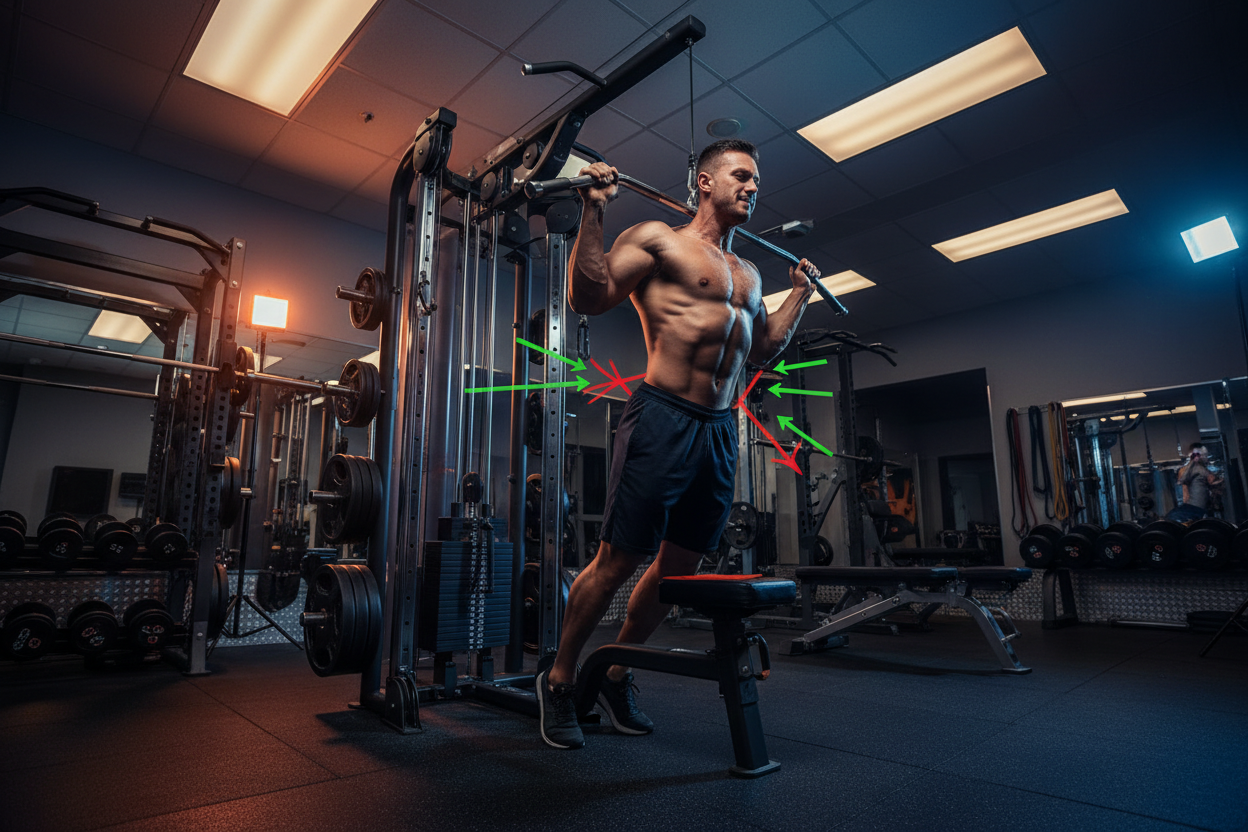
Lat Pulldown Machine: Why Most Home Gym Owners Get It Wrong
Building a true V-taper at home is tough when you are relying solely on pull-ups and bent-over rows. If you have hit a back-building plateau or struggle with vertical pulling movements, a dedicated lat pulldown machine might be the missing piece in your garage gym puzzle.
But before you clear out valuable floor space for this specialized lat pulldown exercise equipment, let's break down exactly what makes a unit worth your hard-earned cash, how to fit it into a tight basement, and whether you actually need a standalone unit or just a rack attachment.
Key Takeaways
- Weight capacity matters: Look for a minimum 300 lb limit to ensure long-term progression without cable lag or frame sway.
- Plate-loaded vs. selectorized: Plate-loaded saves money and uses your existing bumper plates, while selectorized pin-systems offer faster drop sets.
- Height clearance is crucial: Measure your ceiling carefully; most lat pull machines require at least 80 to 85 inches of vertical clearance.
- Versatility wins: The best pull down gym equipment includes a low row pulley and adjustable thigh pads for maximum training value.
Choosing the Right Lat Machine for Your Space
Weight Stacks vs. Plate-Loaded Systems
When shopping for a lat machine, your first major decision is the resistance mechanism. Selectorized weight stacks offer commercial-gym convenience, allowing you to change weights in seconds—perfect for high-intensity interval training or drop sets. However, plate-loaded lat pull down gym machine models are much more budget-friendly and allow you to utilize the Olympic plates you already own, keeping your total investment low.
Dimensions and Space Planning
Space is the ultimate currency in a North American garage gym. A standalone lat bar machine typically demands a footprint of about 4 feet by 5 feet. More importantly, check your overhead clearance. If you are setting up in a basement with low ceilings, you will need to carefully measure your available height before ordering. Always leave at least two extra inches of clearance above the machine's stated height so you have room to assemble the top crossmember.
Maximizing Your Training Application
More Than Just Back Workouts
It is not just about wide-grip pulldowns. With a simple cable attachment swap, these units transform into versatile stations for tricep pushdowns, face pulls, and bicep curls. Some setups even double as a leg pull down machine (utilizing the low pulley station and a specialized ankle strap), allowing you to execute heavy glute kickbacks, standing leg curls, and hip adduction movements without needing a massive cable crossover functional trainer.
From Our Gym: Honest Take
After running heavy back days on our studio's plate-loaded lat pulldown machine for the past 14 months, I have some strong opinions. First, dual guide rods are non-negotiable—single-post machines tend to sway and grind when you load them past 150 lbs, completely ruining the mind-muscle connection. At 6'2, I also realized how crucial adjustable thigh pads are; without them, I was literally lifting myself off the seat during heavy sets.
One honest caveat: the stock carabiners on most entry-level lat pull machines are garbage. I highly recommend swapping them out for heavy-duty, climbing-grade carabiners on day one to ensure smooth, safe attachment changes.
Frequently Asked Questions
Is a lat pulldown machine worth it for a home gym?
Yes, if you have the space and budget. It provides constant, smooth tension through the vertical pulling plane, which is incredibly difficult to replicate with just barbells and dumbbells.
How much ceiling clearance do I need?
Most standard lat pull machines require a minimum of 80 to 85 inches of ceiling height. Always check the manufacturer's exact specifications and ensure your ceiling isn't obstructed by ductwork or garage door tracks.
Can I just use a rack-attached pulley instead?
Rack attachments are excellent space savers, but they often lack the dedicated, adjustable thigh pads found on standalone pull down gym equipment. Without thigh pads, pulling heavy weight becomes a constant battle to keep yourself anchored to the bench.


