Large Foam Floor Mat: The Complete Home Gym Buyer's Guide
Setting up a home gym in a spare bedroom or basement comes with an immediate challenge: protecting your existing floors from heavy dumbbells and high-impact workouts. Without the right foundation, you are risking scratched hardwood, cracked tiles, and angry neighbors. Investing in a high-quality large foam floor mat is the easiest way to solve these problems while creating a dedicated, professional-feeling workout zone.
Whether you are building a sprawling garage setup or carving out a small apartment fitness corner, your flooring dictates the safety and comfort of your training. In this guide, we will break down exactly what you need to look for before laying down your new gym flooring.
Key Takeaways
- Thickness dictates usage: A 1/2-inch mat is great for yoga and bodyweight exercises, while 3/4-inch or thicker is required for dumbbell work.
- Customizable footprints: Interlocking designs allow you to perfectly tailor the mat's shape to awkward room dimensions.
- Material matters: High-density EVA foam provides the best balance of joint protection, water resistance, and stability.
- Equipment warning: Heavy equipment like power racks can leave permanent indents in foam flooring over time.
Planning Your Gym Layout
Measuring for Extra Large Foam Mats
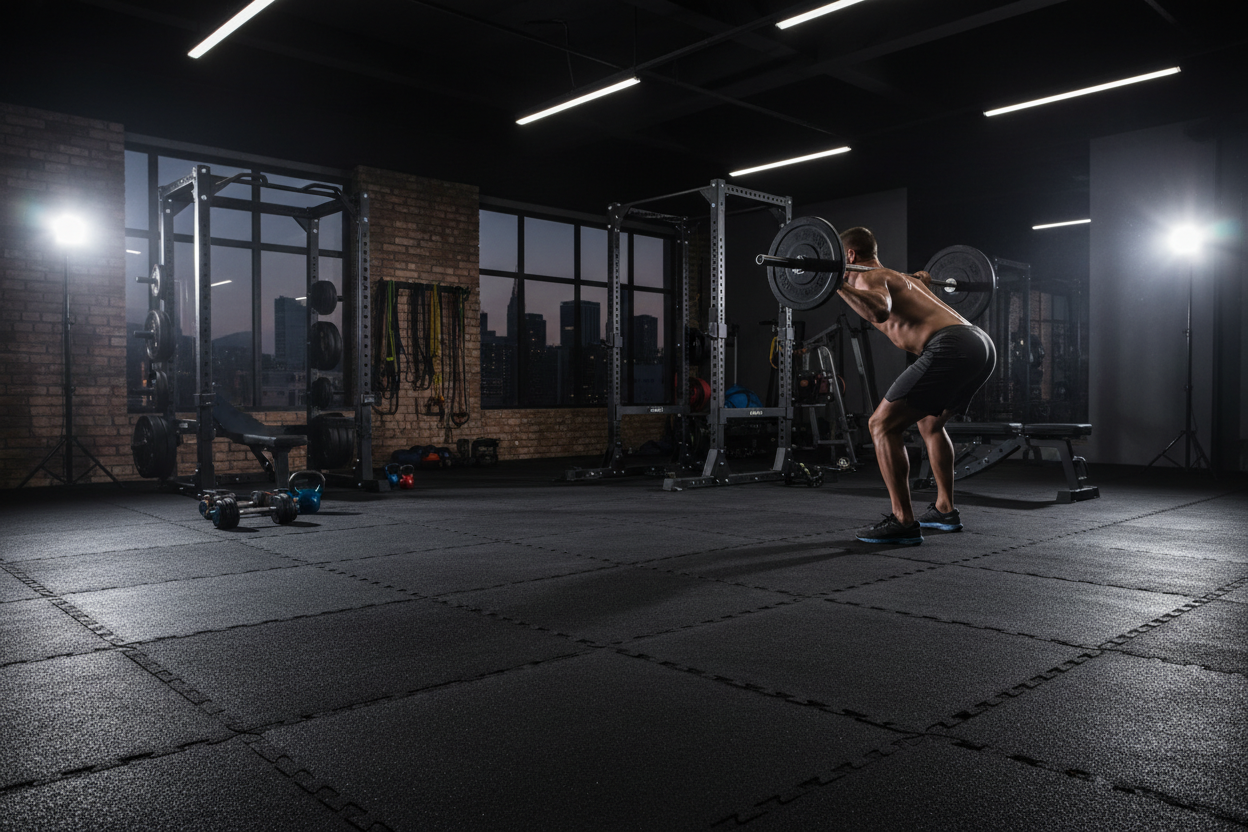
When converting a garage or spare room, you need to map out your usable floor space. Opting for extra large foam mats over smaller, standard yoga mats gives you the freedom to move through dynamic HIIT circuits or sprawling stretches without stepping off the edge. Always measure your room twice and account for the swing radius of your kettlebells or the length of your barbell.
If you are working with an awkward room shape, modular interlocking large foam squares are your absolute best bet. They connect seamlessly like puzzle pieces, allowing you to build around structural pillars or angled walls without wasting material or needing complex custom cuts.
Material and Thickness Guidelines
Choosing Large Foam Mats for Floor Protection
Not all foam is created equal. When evaluating large foam mats for floor protection, high-density EVA (Ethylene-Vinyl Acetate) is the industry standard. It is highly durable, lightweight, water-resistant, and provides excellent shock absorption for your joints.
If your training consists mostly of bodyweight exercises, Pilates, or light dumbbell work, a 1/2-inch thick large foam mat will offer plenty of cushion. However, if you plan to incorporate heavy kettlebell swings or anticipate dropping weights, you should step up to a 3/4-inch or 1-inch thickness to ensure your subfloor remains pristine and impact noise is minimized.
From Our Gym: Honest Take
When we first built out our basement testing facility, we covered a 15x15 foot area entirely in 3/4-inch high-density EVA foam tiles. The immediate reduction in noise and echo was incredible, and doing burpees on the foam felt infinitely better on my knees than the cold concrete we were used to.
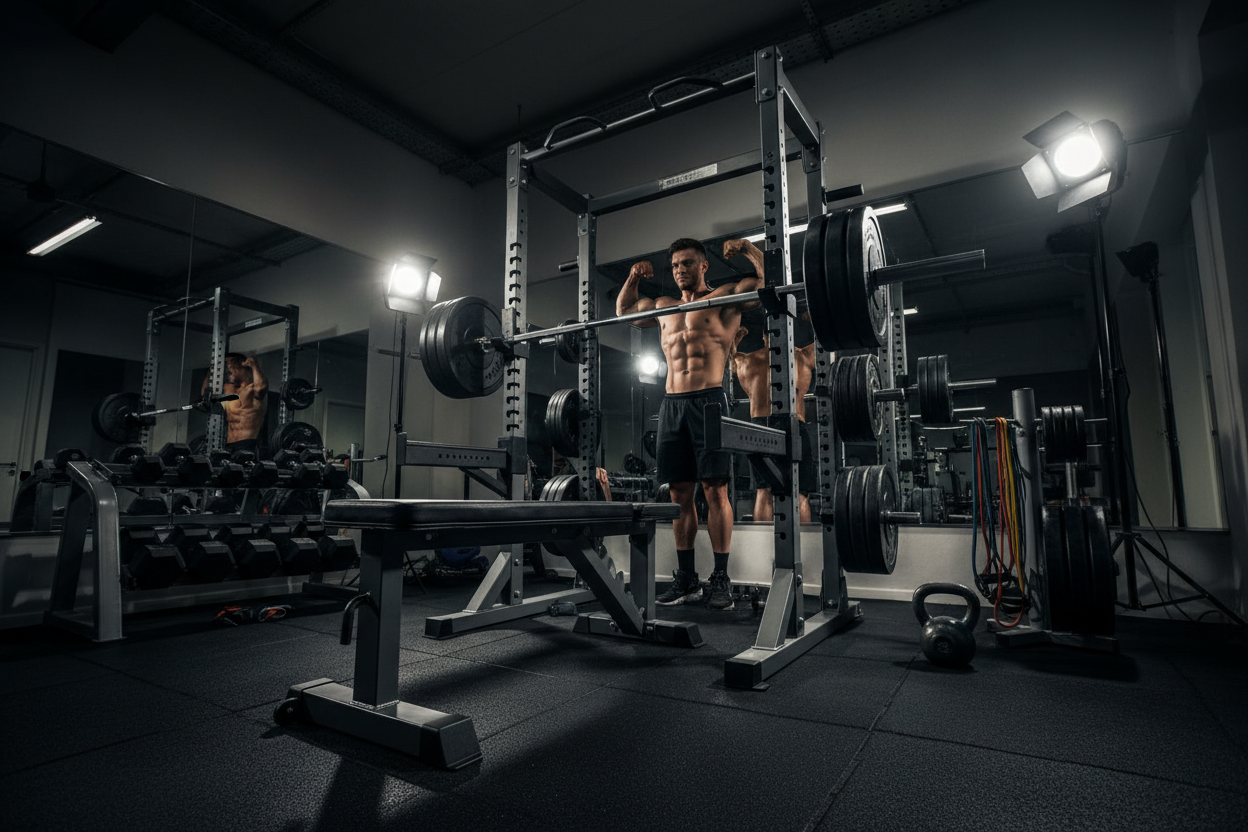
However, I have to be honest about a minor drawback: foam compresses under sustained, heavy pressure. After leaving a 300-pound power rack in the exact same spot for six months, the rack's feet left permanent indentations in the mat. If you plan to bolt down heavy racks or store a massive dumbbell tree, I highly recommend placing small plywood or hard rubber shims under the contact points to preserve the life of your foam flooring.
Frequently Asked Questions
Can I drop heavy weights on a large foam mat?
While high-density foam offers great shock absorption for light to moderate weights, it is not designed to handle repeated drops of heavy Olympic barbells. For heavy deadlifts or Olympic weightlifting, you should invest in a dedicated drop pad or solid rubber stall mats.
How do I keep large foam squares from sliding?
If your mats are placed on slick hardwood or tile, they can occasionally shift during lateral movements. You can prevent this by using double-sided carpet tape underneath the edges, or by placing a thin, non-slip rug pad beneath the entire foam assembly.
Is it easy to clean foam gym flooring?
Yes. Because EVA foam is closed-cell and water-resistant, it will not absorb your sweat. A simple wipe-down with a damp cloth and a mild soap or specialized mat cleaner is all you need to keep it sanitary and looking brand new.