Knee Pull-Up Machine: Is It Actually Worth the Space?
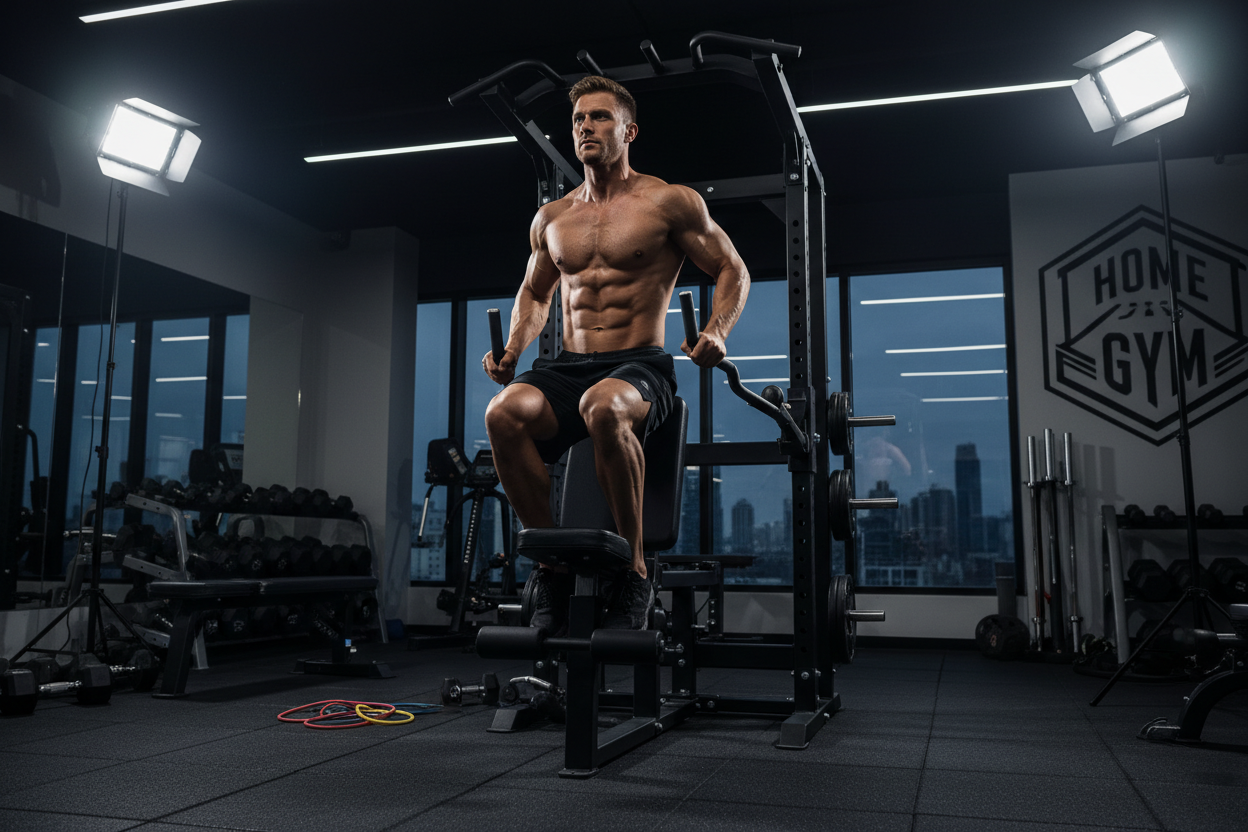
Building a home gym is an ongoing game of maximizing ROI on your floor space. If you are stuck at zero pull-ups, or you want to add serious back volume without burning out your central nervous system, you have probably looked into adding a knee pull-up machine to your setup. Often categorized as an assisted pull-up and dip station, this piece of equipment is a staple in commercial facilities.
But does a bulky, specialized machine really belong in your garage or basement? With so many alternatives on the market, it is crucial to understand what you are getting into. Let's break down exactly what you need to look for before pulling the trigger on this investment.
Key Takeaways
- Provides consistent, measurable progression compared to the variable resistance of bands.
- Requires significant vertical clearance (plan for at least 96 inches of ceiling height).
- Dual-functionality (pull-ups and dips) maximizes your upper-body training footprint.
- Selectorized weight-stack models offer convenience, while plate-loaded models save budget.
Training Application: Beyond the Basics
Bridging the Strength Gap
Resistance bands are great, but their resistance curve is inherently flawed for pull-ups—they help the most at the bottom of the movement and the least at the top. A knee pull-up machine provides uniform assistance throughout the entire range of motion, allowing you to build strength evenly across your lats, rhomboids, and biceps.
High-Volume Hypertrophy
Even if you can crank out 15 strict, unassisted pull-ups, this machine holds tremendous value. Advanced lifters and bodybuilders use it to isolate the back muscles and push past muscular failure safely. By dialing in the counterweight, you can perform high-rep drop sets without your grip failing or your form breaking down.
Space Planning: Will It Fit?
The Footprint Factor
Most freestanding units demand a dedicated 4x4 foot area. Unlike a folding wall-mounted rack, this is a permanent fixture. If you are working with a tight single-car garage setup, you will need to map out your floor plan carefully, ensuring you have enough room to load plates or access the weight stack.
Ceiling Clearance Warning
Do not just measure the height of the machine; measure your head height at the top of the rep. If the machine's frame is 84 inches tall, you need at least 96 inches (8 feet) of ceiling clearance to avoid hitting the rafters or drywall when your chin clears the bar.
Buying Guide: Specs That Matter
Weight Stack vs. Plate-Loaded
Commercial-grade units use a selectorized weight stack, making quick weight changes and drop sets effortless. However, they are significantly more expensive and heavier to ship. Home gym variations often use plate-loaded pegs. If you already own plenty of bumper or iron plates, a plate-loaded model is a highly economical choice.
Knee Pad Ergonomics
Look for dense, tear-resistant vinyl upholstery. More importantly, check the folding mechanism. A knee pad that folds away quickly and securely is crucial if you want to perform unassisted reps or weighted dips on the same station without the pad hitting your shins.
From Our Gym: Honest Take
We have tested several assisted stations in our facility over the last year, and the biggest takeaway is that the guide rod mechanics make or break the experience. On a cheaper plate-loaded model we initially tested, the carriage would catch slightly during the eccentric (lowering) phase, throwing off my rhythm. I highly recommend spending the extra money for a machine with high-quality guide rods and linear bearings. Also, as someone who is 6'2, I had to ensure the knee pad dropped low enough to give me a full lat stretch at the bottom—something you should definitely double-check in the spec sheet before buying.
Frequently Asked Questions
Is a knee pull-up machine better than resistance bands?
Yes, especially for measurable progression. Bands change resistance based on how far they are stretched, whereas a machine provides constant, trackable assistance weight. This makes progressive overload much easier to log and achieve.
What is the weight limit on a standard machine?
Most home gym models support a maximum user weight of 300 to 400 lbs. The assistance mechanism itself typically handles up to 200 lbs of counterweight, which is more than enough for the vast majority of users.
Can I do dips on these machines?
Almost all modern knee pull-up machines feature folding or fixed dip handles. This allows you to train both your pulling muscles (lats/biceps) and pushing muscles (chest/triceps) on the exact same footprint.