Kinds of Exercise Explained: What to Know Before You Train
If you have hit a wall in your home gym, you are not alone. Many home lifters plateau because they stick exclusively to just one routine. Understanding the various kinds of exercise is the secret to building a resilient, well-rounded physique without burning out or getting injured. Whether you are working with a massive basement setup or a tight apartment corner, knowing exactly what type of workout exercises to program can completely transform your results and keep your training fresh.
Key Takeaways
- There are four main types of physical training: endurance, strength, flexibility, and balance.
- Mixing different forms of exercise prevents overuse injuries and breaks through workout plateaus.
- You do not need a massive facility to accommodate various types of exercise; smart, versatile equipment choices save space.
- A balanced routine incorporates multiple fitness types each week for optimal physical conditioning.
The Core Categories: What Are the Different Types of Exercise?
When people ask, 'what kinds of exercise are there?', fitness professionals generally categorize movements into primary pillars. Mastering these different exercise types ensures your home gym serves all your physical needs, rather than just one.
Strength and Resistance (Anaerobic)
This form of physical exercise focuses on building muscle mass, increasing power, and improving bone density. Examples of workout gear for this include power racks, adjustable dumbbells, and kettlebells. If you are looking at types of working out that fundamentally change your body composition and raw strength, this is your foundation.
Cardiovascular Endurance (Aerobic)
Aerobic training keeps your heart and lungs healthy. While treadmills, air bikes, and rowers are fantastic dedicated machines, you can explore different ways of working out for cardio. High-intensity interval training (HIIT) using just a jump rope or a plyo box is an excellent, space-saving method of exercise.
Mobility, Flexibility, and Balance
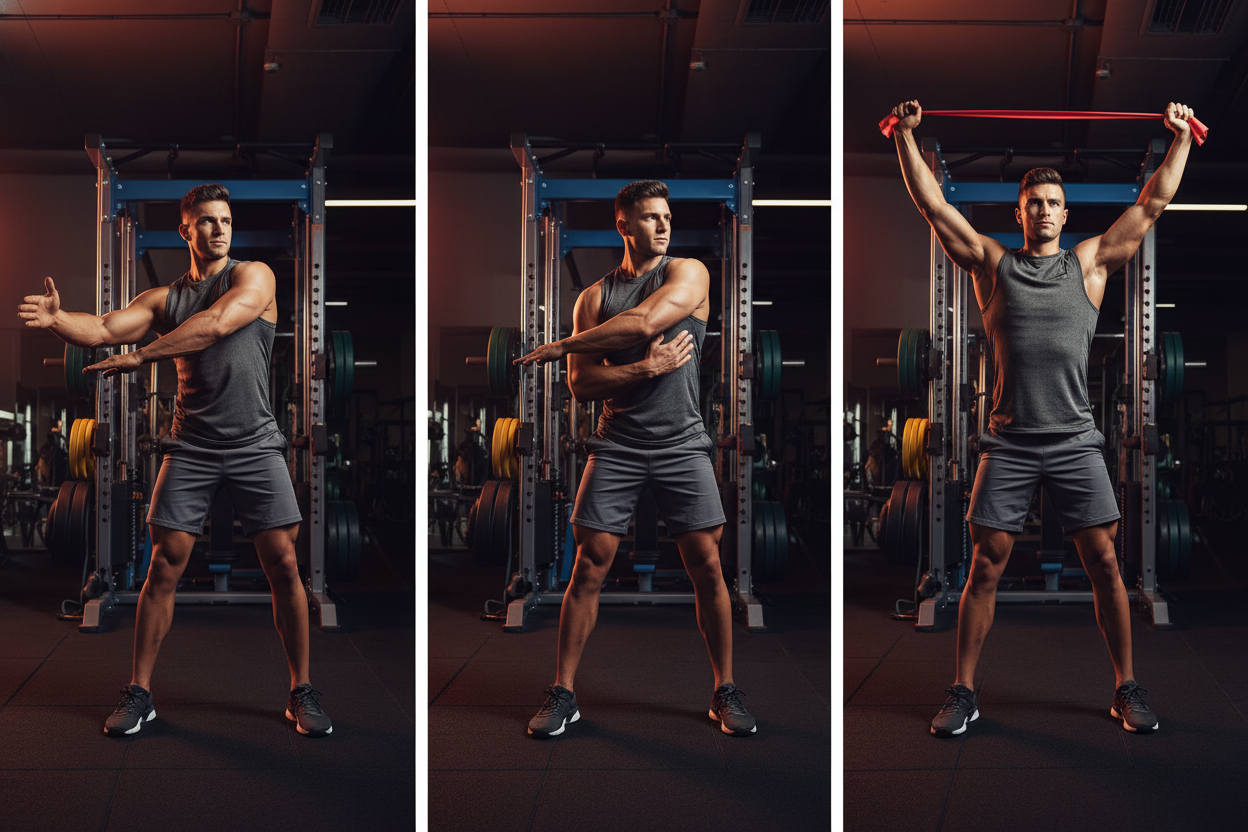
These are often the most neglected types of physical fitness exercise in home gyms. Incorporating yoga mats, resistance bands, and foam rollers into your space allows for active recovery. Blending these different styles of exercise into your weekly routine keeps your joints healthy and prepares your body for heavy lifting days.
Space Planning for Various Exercises
Accommodating different kinds of exercises does not require a 1,000-square-foot facility. If you want to blend multiple exercise modes, versatility is your best friend. For example, a functional cable trainer combined with an adjustable bench allows you to tackle dozens of different type of exercise names—from chest flyes to lat pulldowns—within a compact 6x6 foot footprint. When planning your layout, always ensure you have at least 7 to 8 feet of vertical clearance for overhead presses and dynamic aerobic movements like jump rope.
From Our Gym: Honest Take
When I first built my 10x12 garage gym, I made the classic mistake of focusing on just one form of exercise: heavy barbell lifting. I completely neglected all other types of fitness. After eight months of heavy squats and deadlifts in a humid, cramped space, my joints ached constantly, and my cardiovascular conditioning tanked.
I had to pivot. I invested in a set of adjustable dumbbells and a high-quality speed rope to introduce different forms of fitness into my routine. The game-changer was realizing that I didn't need a commercial facility to access a wide variety of exercise. By simply changing my exercise category focus twice a week—swapping heavy iron for explosive cardio and banded mobility work—my recovery skyrocketed. The lesson? Do not let a rigid equipment setup limit your methods of exercise.
Frequently Asked Questions
What are the 4 main types of exercise?
The four main types of physical training are endurance (cardio), strength (resistance), flexibility, and balance. A comprehensive home gym program should include elements of all four to maintain overall health and longevity.
What are the 2 types of exercise at a physiological level?
While we often discuss the four pillars of fitness, at the most basic scientific level, there are 2 kinds of exercise: aerobic (with oxygen, like jogging or cycling) and anaerobic (without oxygen, like heavy weightlifting or sprinting).
How many types of exercise are there for a beginner?
While there is a massive list of physical exercises out there, beginners should focus on foundational strength training and basic cardiovascular conditioning. As you master form and build a base, you can introduce more complex exercise modes and balance work.
How do I fit different ways of exercise into a small home gym?
Focus on multi-purpose, space-saving equipment. Adjustable dumbbells, resistance bands, and a sturdy flat bench allow you to perform hundreds of different types of workout without taking up valuable floor space. Avoid single-use machines if square footage is tight.