Is Your Home Gym a Safety Hazard? The Overlooked Key to Organized Training
Nothing kills workout motivation faster than stepping into a garage gym or spare room that looks like a tornado hit a sporting goods store. You walk in ready to crush a leg day, but before you can even warm up, you are stepping over plates, dodging dumbbells, and kicking a rogue barbell that rolled into the middle of the floor. While we often obsess over the best bumper plates or the smoothest cardio machines, we frequently neglect the infrastructure that makes a gym usable. Specifically, how we manage the long, heavy, and awkward pieces of equipment.
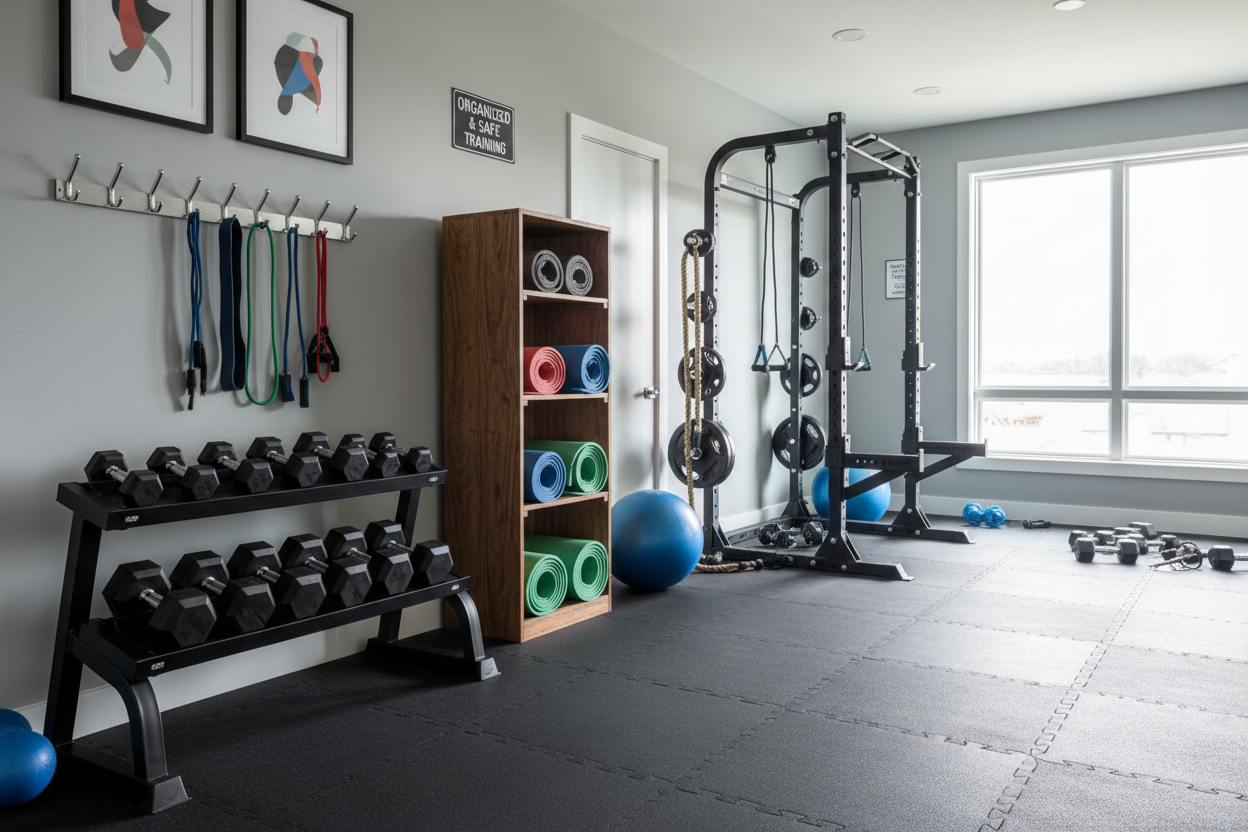
If you have ever leaned a collection of bars against a corner only to watch them slide down like dominos, you understand the frustration. Organizing your training space isn't just about aesthetics; it is about efficiency and safety. A proper setup allows you to transition between exercises seamlessly without fighting your environment. The cornerstone of this organization is usually a dedicated weighted bar rack. Without one, you are risking damage to your floor, your walls, and your feet.
The Real Cost of Clutter
Leaving equipment on the floor accelerates wear and tear. Dust, moisture, and accidental impacts shorten the lifespan of expensive gear. I learned this the hard way a few years back. I had a modest setup in my basement, and I refused to buy storage solutions because I wanted to spend every dollar on "active" gear like more weights. I kept my aerobic weighted bars and an Olympic barbell propped up in the corner behind a squat stand.
One evening, while moving a bench, I bumped the stand. The vibration caused the entire cluster of bars to slide. My Olympic bar crashed down, putting a nice gouge in the drywall, but worse, a 20-pound weighted bar landed directly across the screen of my rowing machine's monitor. That shattered screen cost three times what a decent weighted bar storage rack would have cost. It was a painful lesson in false economy. Protecting your investment requires getting your gear off the ground and secured.
Choosing the Right Storage for Your Space
Not all racks are created equal, and the geometry of your room dictates what you should buy. You generally have two main categories: vertical and horizontal storage. The choice depends largely on ceiling height and wall space.
Vertical Storage Solutions
Vertical storage is the champion of floor space efficiency. These units often look like boxes or stands with individual slots. If you utilize padded aerobic bars or shorter curl bars, a vertical weighted bar storage rack is often the best choice. It keeps the bars upright and easy to grab. The footprint is usually less than two square feet, making it perfect for tight corners.
However, you need to measure your ceiling height. If you have low ceilings (common in basements) and use full-length 7-foot Olympic bars, you might not have the clearance to lift the bar out of the sleeve without hitting the ceiling. Always measure the length of your longest bar and add six inches for clearance before committing to a vertical stand.
Horizontal Wall Mounts
If floor space is at a premium but you have empty walls, horizontal racks are the way to go. These are often referred to as "gun racks." They screw into the studs and allow you to rack bars one above the other. This creates a visually appealing display and keeps the floor completely clear for movement.
The downside here is installation. You cannot simply use drywall anchors; these racks bear significant loads. You must locate studs and drive lag bolts deep to ensure the rack doesn't rip off the wall. If you are renting or have concrete walls that are difficult to drill, this might not be the viable option.
Protecting the Equipment Itself
Beyond organizing the room, a weighted bar rack serves to protect the structural integrity of the bars. High-quality bars have bearings or bushings in the sleeves that allow them to spin. When bars are left on the floor, dust and pet hair work their way into these mechanisms, gumming them up over time. Furthermore, leaving a bar loaded with weights on the ground can cause the shaft to bend slightly over time due to static load, ruining the straightness of the bar.
Look for racks that feature protective lining. Whether it is a vertical tube or a horizontal hook, plastic or rubber lining (UHMW plastic is the gold standard) prevents metal-on-metal contact. This keeps the knurling on your steel bars sharp and prevents the rubber coating on aerobic weighted bars from tearing or peeling.
Workflow and Mental Clarity
There is a psychological component to a clean gym. When everything has a place, your mind feels less cluttered. You don't have to waste mental energy searching for the 15-pound bar or moving a pile of junk to get to the curl bar. You simply reach for the rack, grab what you need, and get to work.
This improves your workout flow. In high-intensity interval training or circuit training, where you might switch from a heavy compound lift to a lighter accessory movement quickly, having a weighted bar storage rack nearby allows for rapid transitions. You keep your heart rate up and your focus on the movement, not on logistics.
What to Look for When Buying
When you decide to purchase, ignore the flashy marketing and look at the specs. Check the weight capacity first. A rack designed for hollow plastic tubes won't hold up solid steel shafts. Ensure the base is wide enough to be stable if you are buying a freestanding unit; you do not want the rack tipping over when you remove one heavy bar from the side.
Spacing is another critical factor. If the slots are too close together, you will pinch your fingers every time you try to rack a bar. Good design allows enough gap between items for you to get a full grip on the equipment without grazing your knuckles against the adjacent bar.
Making the Investment
It is easy to overlook storage when building a home gym. It isn't sexy, and it doesn't directly add pounds to your deadlift. But a reliable weighted bar rack is the skeleton of your gym. It holds the chaos together. By prioritizing organization, you protect your home, extend the life of your equipment, and create an environment where you actually want to train. Don't wait until you trip over a bar or break a monitor to get your gear in order.
Frequently Asked Questions
Can I store my bars loaded with weights on the rack?
Generally, no. Most racks are designed to hold the weight of the bar shaft only. Storing bars loaded with plates places excessive stress on the rack's mounting points and can cause the bar itself to bend permanently over time.
Is it better to store bars vertically or horizontally?
Neither is strictly better; it depends on your bars. Standard bars do well in both, but if you have bars with lubricated bushings, vertical storage can sometimes cause oil to pool at the bottom, so horizontal is slightly preferred for high-end Olympic bars.
How much space do I need for a storage rack?
For a vertical rack, plan for a 2x2 foot square on the floor. For horizontal wall mounts, you need about 8 feet of wall width to comfortably accommodate 7-foot bars and allow room for you to maneuver them into place.