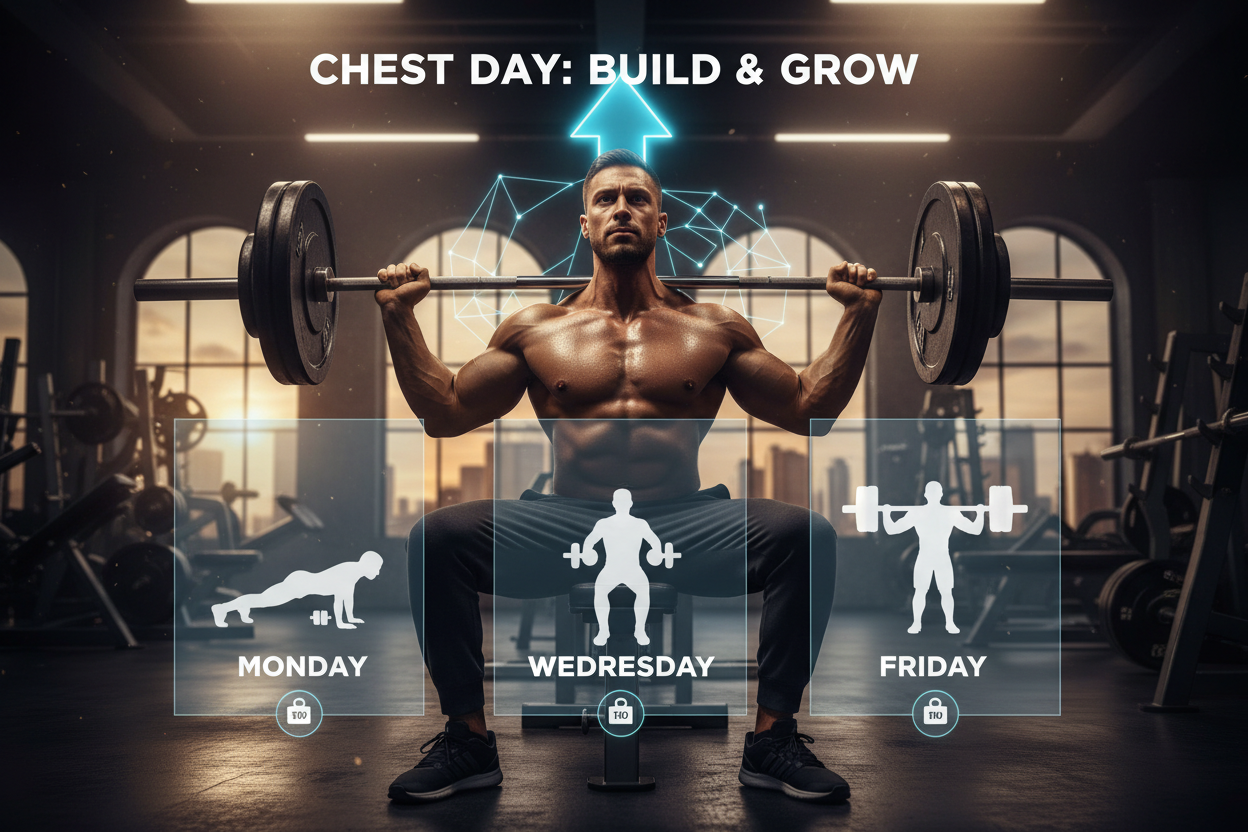
Is Training Chest 3 Times a Week the Secret to Faster Gains?
Many fitness enthusiasts wonder if hitting the chest multiple times per week is the fastest route to building size and strength. While conventional advice often recommends training each muscle group once or twice a week, focusing on your chest three times a week has gained popularity among advanced and intermediate athletes. This approach can deliver impressive results if implemented with the right technique, volume, and recovery strategies.
Understanding the Science Behind Frequency
Muscle growth, or hypertrophy, occurs when muscle fibers are broken down through resistance training and then rebuilt during recovery. Training your chest three times weekly increases the total stimulus provided to the muscle, potentially accelerating growth. However, this higher frequency means recovery must be carefully managed to avoid overtraining or injury.
Volume and Intensity Control
When training the chest more often, you cannot replicate the same high volume from a single workout in each session. Instead, divide the weekly workload across your sessions. For example, moderate intensity and fewer sets per session can help maintain performance while still providing enough stimulus for growth. Overloading every workout will likely lead to fatigue and decreased progress over time.
Splitting Your Weekly Workouts
The chest includes multiple regions: upper, middle, and lower fibers. Training three times a week allows you to target each section more intentionally. A practical example:
- Day 1: Focus on upper chest with incline bench press, incline dumbbell fly, and push-ups.
- Day 2: Emphasize mid-chest with flat bench press, chest dips, and machine presses.
- Day 3: Target lower chest with decline bench press, cable crossovers, and weighted dips.
This rotation distributes stress more evenly across the chest muscles, reducing the risk of overuse injuries and maintaining balance in strength development.
Rest and Recovery Strategies
Training any muscle group multiple times per week requires a strong focus on recovery. Prioritize 7–9 hours of sleep each night, nutrition rich in protein and healthy fats, and adequate hydration. Active recovery methods such as low-intensity cardio, stretching, and foam rolling can also help muscles heal faster between sessions.
My Experience with Frequent Chest Training
When I first tried training my chest three times weekly, the results were mixed during the initial weeks. The first signs of improvement came from better muscle activation and mind-muscle connection. By keeping each workout shorter and more focused, I avoided the joint discomfort that often comes from excessive bench pressing. After about six weeks, I noticed significant strength increases and fuller muscle shape without feeling constantly fatigued. The key was balancing training with recovery, rather than simply doing more work.
Common Mistakes to Avoid
One of the biggest pitfalls in this approach is neglecting proper form. Repetition without attention to technique can damage joints and reduce muscle engagement. Another mistake is training chest hard three times weekly without adjusting other workouts. Overemphasis on chest training can cause muscular imbalances, especially if you neglect back or shoulder work.
Who Should Try Training Chest 3 Times a Week?
This strategy works best for intermediate or advanced lifters who have already built a foundation of strength and understand their body’s recovery capacity. Beginners may benefit more from a balanced full-body routine until they've developed proper lifting technique and muscle coordination.
Progress Tracking
Successful chest specialization relies on tracking progress. Note changes in strength (weight lifted, repetitions), muscle measurements, and visual changes over time. Adjust your plan based on how your body responds. If performance starts declining or fatigue becomes excessive, reduce the frequency or adjust the load accordingly.
Final Thoughts
Training chest three times a week can enhance muscle growth for those who manage recovery and program design effectively. It is not a quick fix, but rather a focused strategy requiring patience, consistency, and smart adaptation. By balancing volume, intensity, and recovery while listening to your body, you can make this approach a powerful tool for your fitness goals.