
Is There a Perfect Rowing Machine Alternative? The Honest Truth
Let’s be real for a second. The Concept2 rower is the gold standard for conditioning, but it takes up the footprint of a small couch and dominates your living room. Or maybe you're dealing with lower back issues that make the repetitive flexion unbearable. Whatever your reason, finding a viable rowing machine alternative is about more than just picking another cardio exercise.
You need a movement that replicates the unique "push-pull" rhythm and the metabolic demand of rowing. Most people get this wrong by jumping on a treadmill. Running is great, but it doesn't demand the same posterior chain engagement or upper-body endurance that rowing does. If you want that full-body flush without the monorail, you have to be strategic.
Key Takeaways: Quick Summary
- Best Biomechanical Match: Kettlebell Swings (mimics the hip hinge and explosive power).
- Best Metabolic Match: Burpees or Thrusters (replicates the high heart rate and full-body fatigue).
- Best Low-Impact Home Option: Resistance Band Seated Rows combined with Step-ups.
- Best CrossFit Substitute: The Assault Bike (Fan Bike) or SkiErg.
- Best Strength Substitute: Inverted Rows or Dumbbell Rows (for the back muscles specifically).
Understanding the Mechanism: What Are We Replacing?
Before we pick exercises, we have to understand what the rower actually does. It isn't just cardio. It is a power-endurance movement.
A proper stroke involves leg drive (quads/glutes), hip opening (hinge), and a strong finish (lats/rhomboids). Therefore, a true substitute for rowing machine workouts must tax your lungs and your muscles simultaneously. If you aren't feeling a burn in your hamstrings and your lungs, you aren't replicating the stimulus.
The Best Rowing Alternative at Home (No Big Gear)
1. The Kettlebell Swing
If I could only choose one alternative exercise for rowing machine conditioning, it’s the Russian Kettlebell Swing. Biomechanically, it is nearly identical to the rowing stroke.
You load the hips, explode forward using glute power, and stabilize the core. The rhythm is cyclic, just like rowing. High-repetition swings (think sets of 20-50) will spike your heart rate and torch your grip and posterior chain exactly like a 500m sprint on the erg.
2. The "Sumo Deadlift High Pull" (SDHP)
This is the barbell or kettlebell equivalent of the rowing movement. You start in a wide stance, drive up with the legs and hips, and finish by pulling the weight to collarbone height.
It covers the exact same range of motion: extension of the knee and hip followed by upper body pulling. Be careful with your shoulders here; keep the movement smooth, not jerky.
Substitute for Rowing Machine CrossFit Workouts
In a CrossFit setting, the rower is often used to induce misery (metabolic conditioning) rather than just for warm-ups. If the WOD calls for a row and all machines are taken, here is your play.
3. The Assault Bike (Fan Bike)
This is often called "Satan's Tricycle" for a reason. While it doesn't use the same pulling mechanics, it offers a rower alternative in terms of systemic fatigue. It uses both arms and legs, eliminates the eccentric loading (so you don't get too sore), and ramps up intensity instantly.
4. The SkiErg
If you need a row machine substitute that saves your legs but destroys your lungs and core, the SkiErg is it. It is essentially rowing standing up and inverted. It relies heavily on the lats and abs to drive the handles down. It’s a phenomenal rower alternative if you are nursing a knee injury.
Strength-Focused Alternatives (The "Row" Movement)
Sometimes, when people search for a row machine alternative exercise, they aren't looking for cardio. They are looking to build their back without a bulky machine.
Iso Lateral Row Alternative
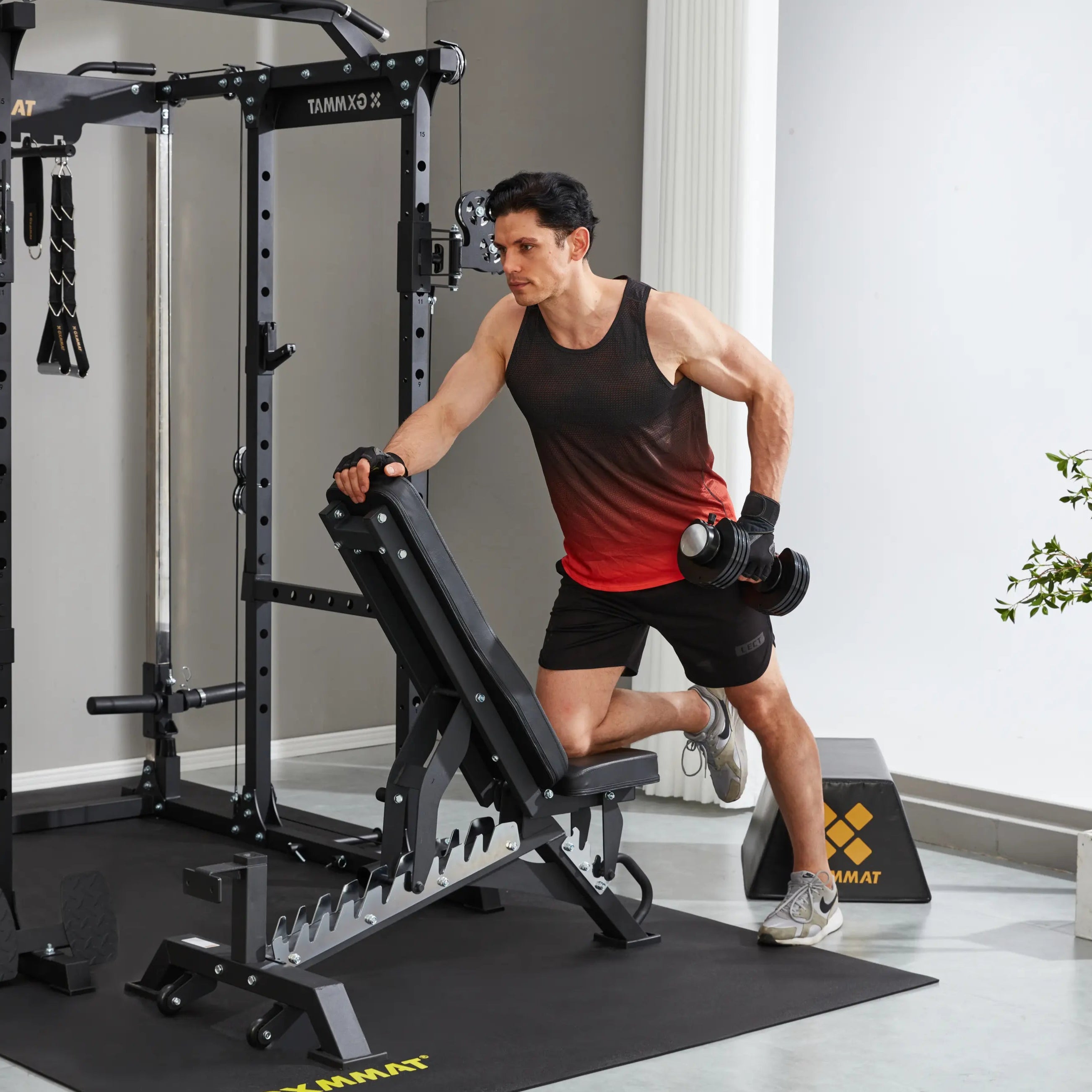
If you lack access to a fancy iso-lateral machine, you can replicate the independent limb movement with dumbbells. The Single-Arm Dumbbell Row allows you to correct imbalances and get a deep stretch in the lats. Use a bench for support to protect your lower back.
Inverted Rows (TRX or Bar)
This is a bodyweight staple. Set a bar at waist height (or use rings/TRX). Keep your body straight and pull your chest to the bar. This builds the exact upper-back thickness required for strong rowing, minus the cardio element.
My Training Log: Real Talk
I remember specifically training for a tactical fitness test that required a 2000m row. The problem? My garage gym didn't have a rower yet, and it was mid-winter in Chicago—I wasn't going to a commercial gym.
I decided to substitute the row with high-rep Kettlebell Swings and Burpees. I’d do 20 swings immediately followed by 10 burpees to simulate the "drive and return" fatigue. Here is the unpolished truth: The first time I actually sat on a rower after six weeks of that combo, my grip failed before my lungs did.
The swings built incredible hip power, but the specific friction of the rower handle against my fingers was different than the smooth horn of my kettlebell. I had the engine, but I didn't have the calluses in the right spots. If you use swings as a rowing substitute, be prepared for your forearms to scream in a different language when you finally get back on the machine. Also, the "lower back pump" from swings feels tighter and more compressive than the fatigue from rowing, so spend extra time stretching your hamstrings afterward.
Conclusion
You don't need a fan wheel and a monorail to get fit. The best rowing machine alternative depends on your goal. For cardio and hip power, grab a kettlebell. For pure metabolic misery, hit the burpees. For back strength, stick to dumbbell rows.
Don't overcomplicate it. Pick the movement that matches the intensity you need and get to work.
Frequently Asked Questions
What is the best quiet alternative to a rowing machine?
Resistance bands are the best silent option. Anchoring a heavy band to a doorframe and performing seated rows or standing pulls generates muscle tension without the "whoosh" of air or water rowers.
Can running replace rowing?
For heart health, yes. However, running is high-impact and focuses mostly on the lower body. It does not strengthen the back or arms like rowing does. To make running a better substitute, add intervals of push-ups or pull-ups.
How do I convert rowing meters to running or biking?
A general rule of thumb for conversion is 1:1 for running (500m row = 400-500m run) and 1:2.5 for biking (500m row = 1200m bike). However, effort levels vary, so converting by time (e.g., row for 2 minutes = bike for 2 minutes) is usually more accurate for intensity.