Is the Hard to Kill Fitness Lean Machine PDF Just Tactical Hype?
I was scrolling through my feed at 11 PM, recovering from a mediocre back day, when I saw another 'tactical' fitness ad. You know the ones—guys in plate carriers looking miserable in a dusty garage, sweating over a sandbag while dramatic music swells. It made me wonder if the hard to kill fitness lean machine pdf was actually a solid program or just a collection of burpees wrapped in a camo-print digital file. I’ve bought enough 'operator' programs to know that half of them are written by people who have never carried more than a grocery bag.
- Focus: High-intensity metabolic conditioning and fat loss.
- Equipment: Minimalist—dumbbells, pull-up bar, and a bench.
- Duration: 8-week cycle designed for maximum calorie burn.
- Intensity: High. Expect your heart rate to stay in the red zone.
Tactical Marketing vs. Garage Gym Reality
Hard to Kill (HTK) Fitness leans hard into the military aesthetic. Their branding is aggressive, their copy is blunt, and their models look like they eat gravel for breakfast. But once you strip away the black-and-white filters and the 'stay lethal' slogans, what are you actually paying for? I spent a few weeks digging into their methodology to see if the exercise science was as sharp as their marketing. Most tactical programs fail because they over-train the athlete into the ground without a recovery plan.
HTK actually does a decent job of balancing the 'suck' with structured movements. They don't just throw random exercises at a wall. The programming follows a logical progression, even if that progression feels like a punch to the gut. It’s built for the person who wants to be 'functional'—meaning you can run a mile, climb a fence, and still carry a heavy load without collapsing. If you’re looking for a bodybuilding split where you spend 20 minutes on your peak biceps, this isn't it. This is about being useful in a crisis, or at least looking like you could be.
What's Actually Inside the Hard to Kill Fitness Lean Machine PDF?
The program is structured as an 8-week shred. It’s broken down into daily workouts that prioritize 'work capacity.' This isn't just cardio; it's resistance training performed at a pace that makes you question your life choices. You’ll see a lot of supersets, EMOMs (Every Minute on the Minute), and AMRAPs (As Many Rounds As Possible). It’s designed to keep your metabolism elevated long after you’ve finished the session.
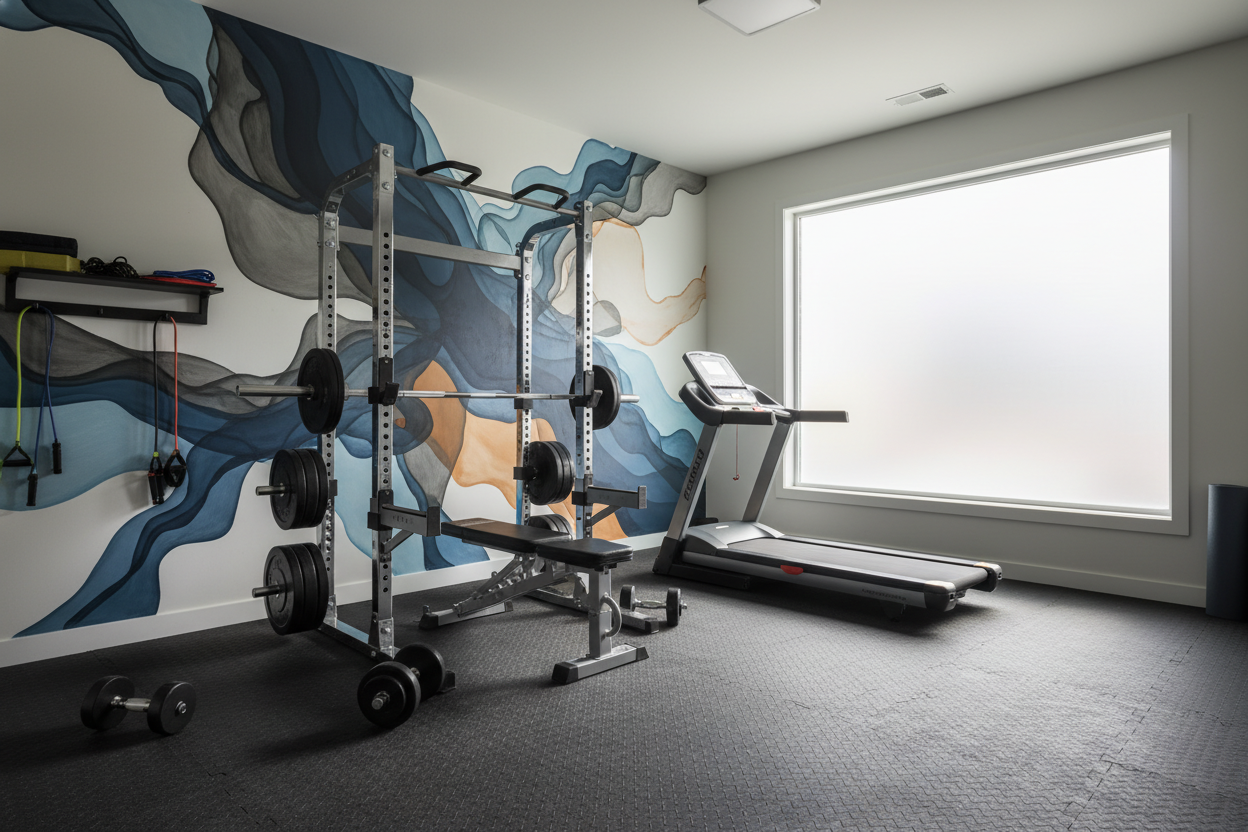
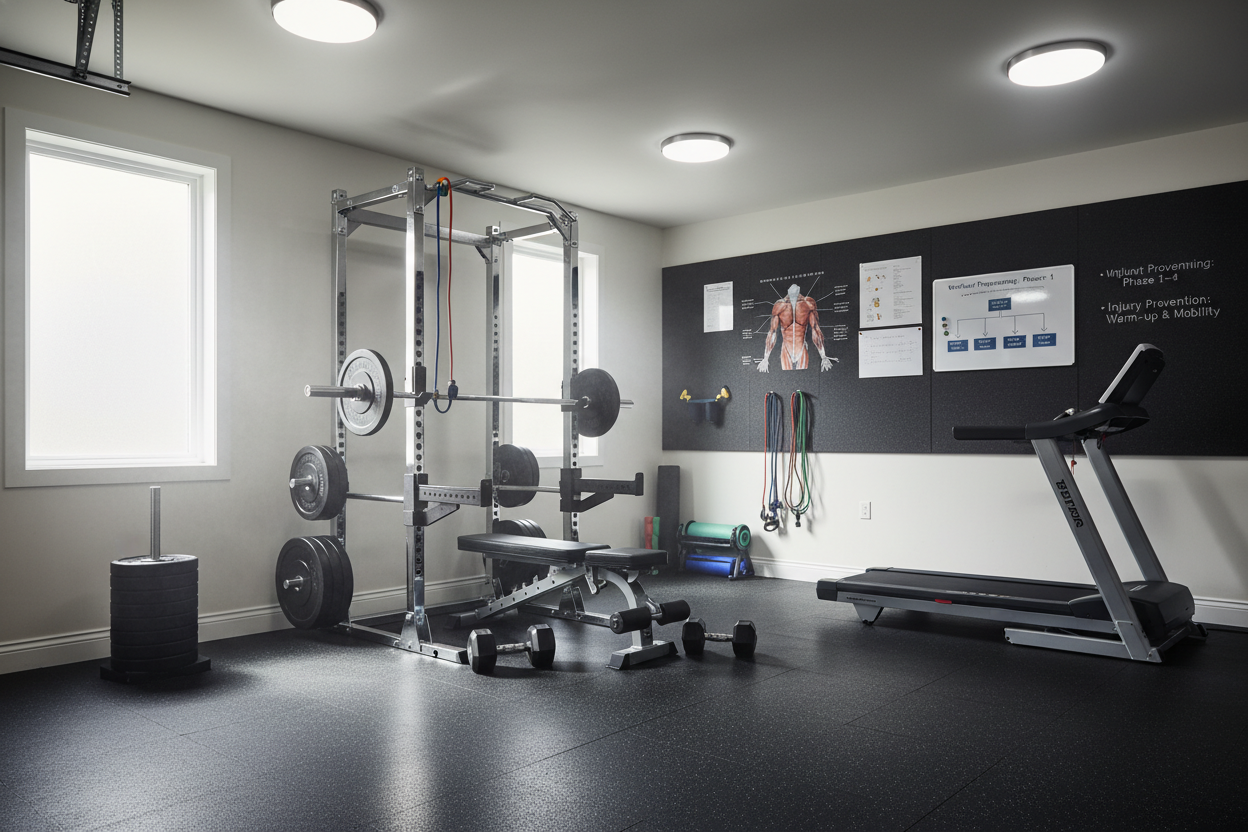
One thing I appreciated was the equipment flexibility. You don't need a gym full of standard fitness machine types to get through this. If you have a decent set of dumbbells and somewhere to do pull-ups, you’re 90% of the way there. This makes it a prime candidate for garage gym owners who are tired of the same old 5x5 routines. The PDF itself is clean and easy to read on a phone, which is a small but vital detail when you’re sweating all over your screen in the middle of a circuit.
Lean Machine vs. The Built Different Protocol
It’s worth comparing this to their other heavy hitter: the hard to kill fitness built different pdf. While Lean Machine is all about the 'shred' and maintaining a high heart rate to drop body fat, Built Different is the 'tank' builder. If Lean Machine is a scout, Built Different is the heavy infantry. Lean Machine uses shorter rest periods and higher volume, whereas Built Different focuses on raw strength and hypertrophy. If you are already lean and want to put on 10 pounds of muscle, go with the latter. If you’ve got a 'tactical muffin top' you need to incinerate, stick with Lean Machine.
The Good, The Bad, and The Endless Conditioning
The intensity is the biggest pro here. It forces you out of that 'scrolling on my phone between sets' habit. When you're running this, you're working. The workouts are efficient—usually 45 to 60 minutes—which fits into a busy schedule. However, the volume can be a double-edged sword. If you’re over 35 or have a history of 'crunchy' knees, the sheer amount of lunges and high-impact movements might start to wear you down by week four.
I found that my joints started to complain about the constant pounding. In a perfect world, I’d swap some of the high-impact lower body conditioning for something more stable. For example, using a dedicated leg machine for your accessory work can provide the same muscular stimulus without the sheer joint shear of 100 jumping lunges. If you have the space, adding some machine-based volume is a smart way to stay in the program without needing a bottle of ibuprofen every morning.
Stop Looking for a Free Download (Here's Why)
I know the temptation. You see a $50 PDF and immediately start searching for a hard to kill fitness lean machine pdf free. Here’s the reality: most of those 'free' files are outdated versions or, worse, malware-laden traps. HTK updates their protocols based on user feedback. When you buy the legitimate version, you get the scaling instructions and the community access that actually keeps you accountable.
More importantly, pirated versions often miss the nuance of the warm-ups and the cool-downs. In a program this intense, skipping the prep work is a fast track to a torn calf or a strained lower back. Supporting the creators also ensures they keep putting out specialized content. If you can afford a tub of pre-workout, you can afford to pay the people who designed the plan that makes that pre-workout necessary.
Final Verdict: Should You Run This Program?
If you are bored with your current routine and want to see what your engine is truly capable of, yes. It’s a fantastic way to break a plateau and drop some body fat quickly. However, it requires a level of mental toughness that most 'casual' gym-goers might not want to deal with. It’s uncomfortable, it’s sweaty, and it’s loud.
For the pure hypertrophy crowd, I’d argue that the mechanics of a Smith machine or a standard cable crossover are better for building aesthetic muscle. Tactical programs like this aren't about 'sculpting'; they are about forging a body that can move. My advice? Run Lean Machine for the full 8 weeks to reset your conditioning, then transition back to a more traditional strength program once you've leaned out. Just make sure your mobility work is on point, or you'll be 'hard to kill' but 'easy to break.'
FAQ
Do I need a weight vest?
It’s not strictly required for Lean Machine, but it definitely helps if you find the bodyweight movements too easy. Start without it for the first two weeks.
How long are the workouts?
Most sessions land between 45 and 60 minutes. If you’re taking longer, you’re likely resting too much between the metabolic circuits.
Is this beginner friendly?
Not really. You should have a baseline of fitness and know how to perform a proper squat and deadlift before jumping into these high-speed circuits.