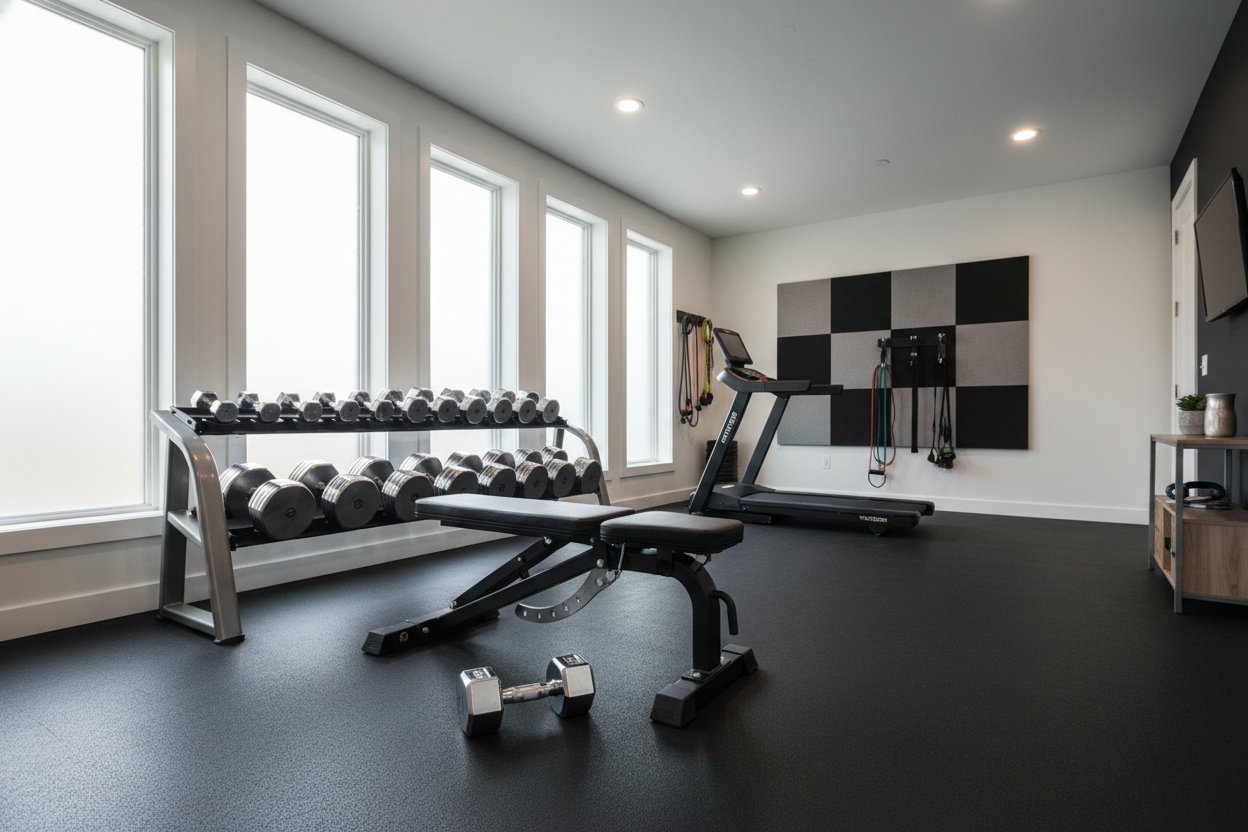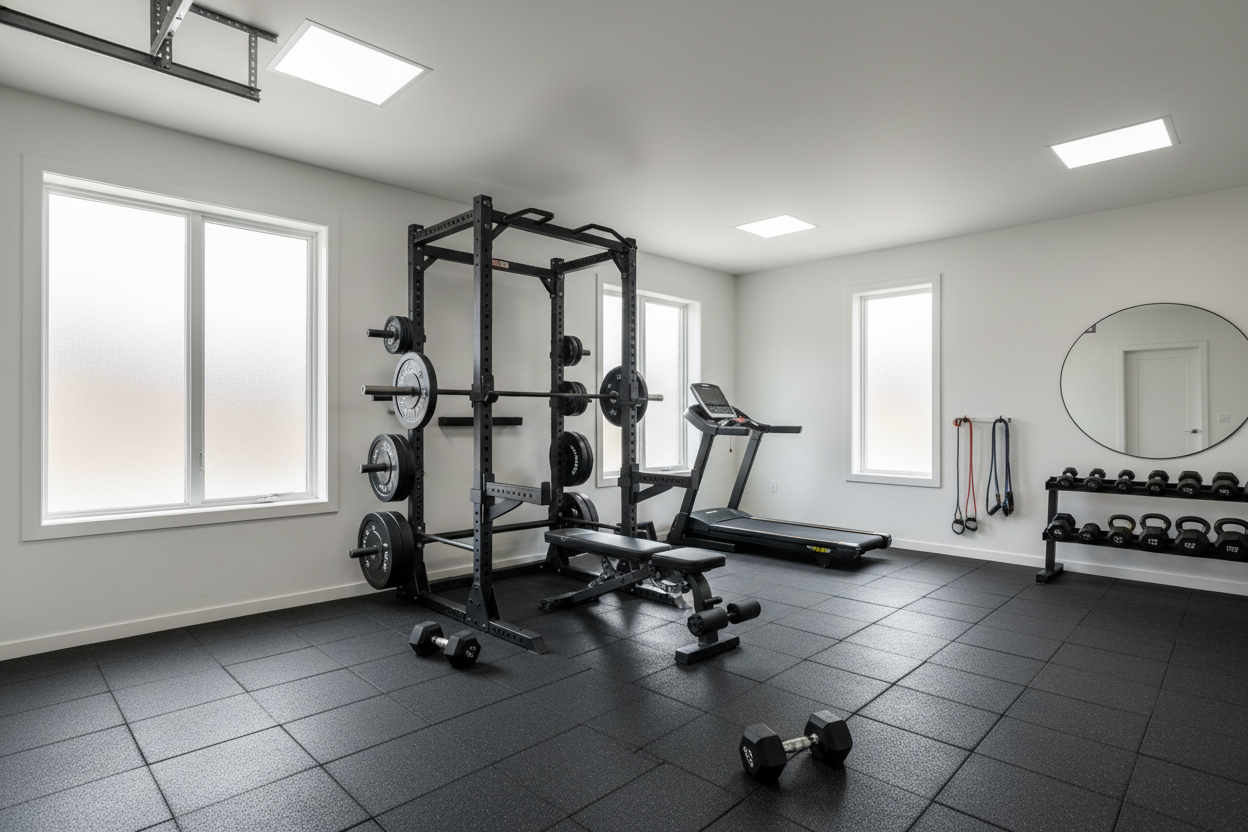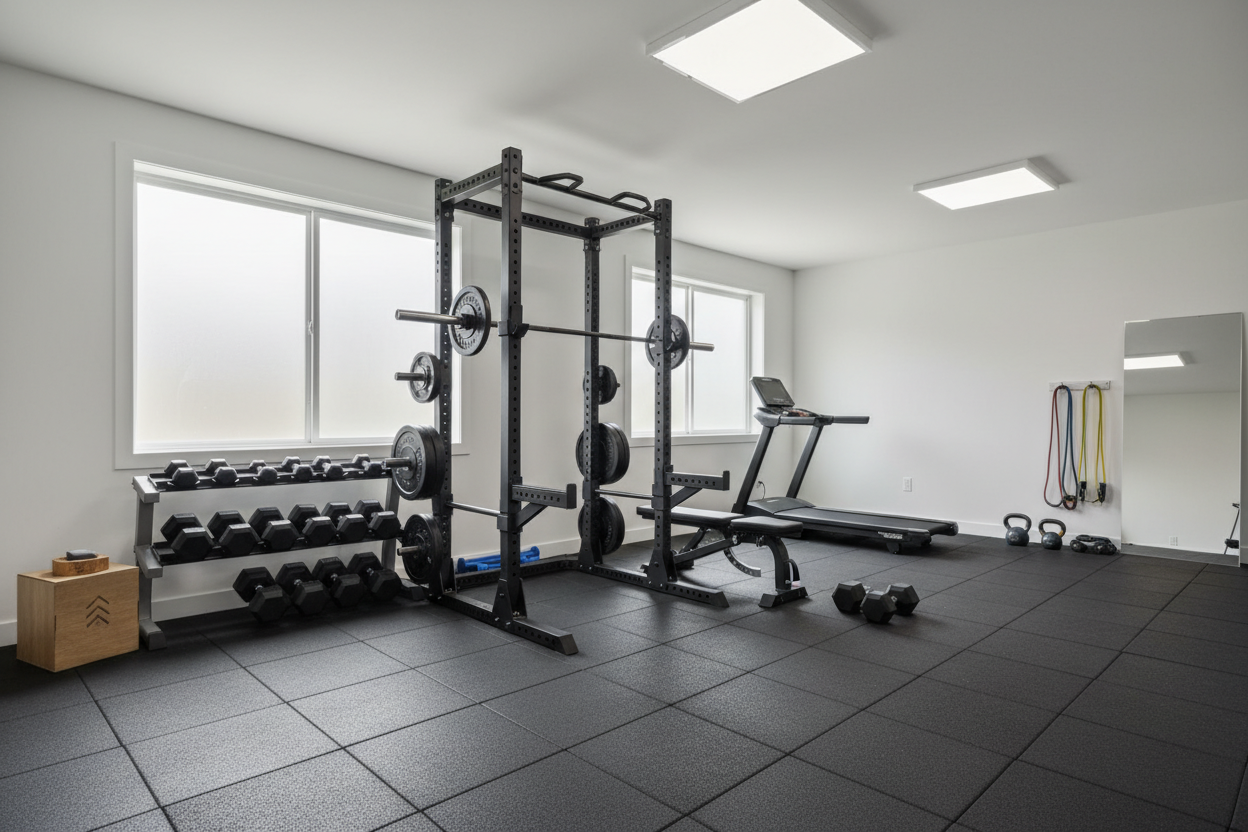
Is Basic home equipment for strength training Enough to Build Muscle?
I remember the day I finally canceled my $80-a-month commercial gym membership. I was tired of waiting 20 minutes for a cable stack just to do three sets of tricep pushdowns while some kid filmed a TikTok. I spent that night scrolling through gear reviews, worried that my gains would wither away without forty different specialized machines. I was wrong. Investing in home equipment for strength training was the best thing that ever happened to my physique.
The Quick Takeaways
- Free weights provide more mechanical tension and stabilizer activation than most machines.
- You don't need a leg press if you have a rack and the discipline to do high-rep Bulgarian split squats.
- Protecting your floor is the most overlooked part of a home setup.
- A quality 20kg barbell is the only 'machine' you truly need for hypertrophy.
The Commercial Gym Illusion
Commercial gyms are designed to look impressive to people who don't know how to train. They fill the floor with 15 different isolation machines to make you feel like you're getting a 'complete' workout. It is a total illusion. Most of those machines are just expensive ways to move in a fixed plane that doesn't suit your specific limb lengths.
When you switch to a home setup, you realize that a heavy set of rows with a barbell hits your lats harder than any fancy seated row machine ever could. You stop chasing a 'pump' from a pec deck and start chasing actual progressive overload. I found that my stubborn shoulders finally started growing once I ditched the lateral raise machine and focused on heavy overhead presses and high-volume dumbbell raises in my garage.
How Hypertrophy Actually Works (No Cables Required)
Your muscles don't have eyes. They can't tell if you're using a $5,000 Functional Trainer or a rusty pair of iron plates. Hypertrophy is driven by three things: mechanical tension, metabolic stress, and muscle damage. You can achieve all three with the most basic tools.
Mechanical tension is the big one. This means lifting heavy stuff through a full range of motion. A barbell allows for much more micro-loading than a machine. If you can add 2.5 lbs to your bench press every week, you are creating more tension over time. Metabolic stress—that 'burn'—is easily achieved with high-rep dumbbell work or shortened rest periods. You don't need a cable crossover to get a chest pump; 50 reps of push-ups with your feet elevated will do the trick.
How to Replicate Machine Work When weight lifting for home
The biggest fear people have when weight lifting for home is losing their favorite machine movements. Let's be real: you can replicate almost all of them. No leg press? Do heavy goblet squats or walking lunges. No lat pulldown? Get a pull-up bar and some resistance bands to assist you until you're strong enough to do sets of ten.
For chest isolation, floor presses are an underrated gem. They stop your elbows at the floor, which saves your shoulders while allowing you to overload the triceps and pecs. If you miss the constant tension of cables, buy a set of high-quality latex bands. You can loop them around your power rack to add accommodating resistance to your squats or to perform standing chest flyes.
Protecting Your Foundation Before You Lift Heavy
If you're going to be throwing around heavy iron, you cannot ignore your flooring. I made the mistake of deadlifting 405 lbs on a thin piece of carpet over concrete. I ended up with a hairline crack in my garage slab that cost more to fix than my entire rack setup. You need to cover a wide footprint to ensure you aren't limited by where you can safely drop a weight.
I always recommend covering your entire lifting zone with a large exercise mat for home gym to keep things stable. If you are building a dedicated lifting station, a heavy-duty 6x8ft exercise mat is the perfect size to sit under a standard power rack. It provides enough density to soak up the vibration of a dropped barbell and keeps your joints from feeling like they're being hammered against the concrete.
Where to Spend Your Money First
Don't buy a cheap 'all-in-one' home gym system from a big-box store. Those plastic pulleys will snap the moment you try to go heavy. Your first $500 to $1,000 should go toward a solid power rack, an Olympic barbell with decent knurling, and at least 300 lbs of iron plates. Bumper plates are nice, but iron is thinner, allowing you to fit more weight on the bar.
An adjustable bench is your next priority. Look for one that doesn't wobble when you're at the top of an incline press. If you're looking for a specific shopping list, check out this guide on equipment for effective strength training. It breaks down the exact specs you need so you don't waste cash on gear that won't survive a year of hard use.
Personal Experience: My Biggest Gear Mistake
I once bought a 1-inch 'standard' barbell set because it was half the price of an Olympic set. It was a nightmare. The bars flexed dangerously at 200 lbs, and I couldn't find heavy plates that fit the thin sleeves. I ended up selling it for pennies on the dollar and buying the 2-inch Olympic gear I should have bought in the first place. Buy once, cry once.
FAQ
Do I need a squat rack to build leg muscle?
It helps, but you can build massive legs with heavy lunges, split squats, and Romanian deadlifts using just dumbbells or a barbell off the floor.
Is iron or rubber better for plates?
Iron plates are cheaper and thinner, but they are loud. Rubber bumper plates are essential if you plan on doing Olympic lifts or deadlifting without a platform.
How much space do I actually need?
A standard 7-foot Olympic bar needs at least 8 or 9 feet of width to account for loading plates. A 10x10 foot space is the sweet spot for a full home gym.