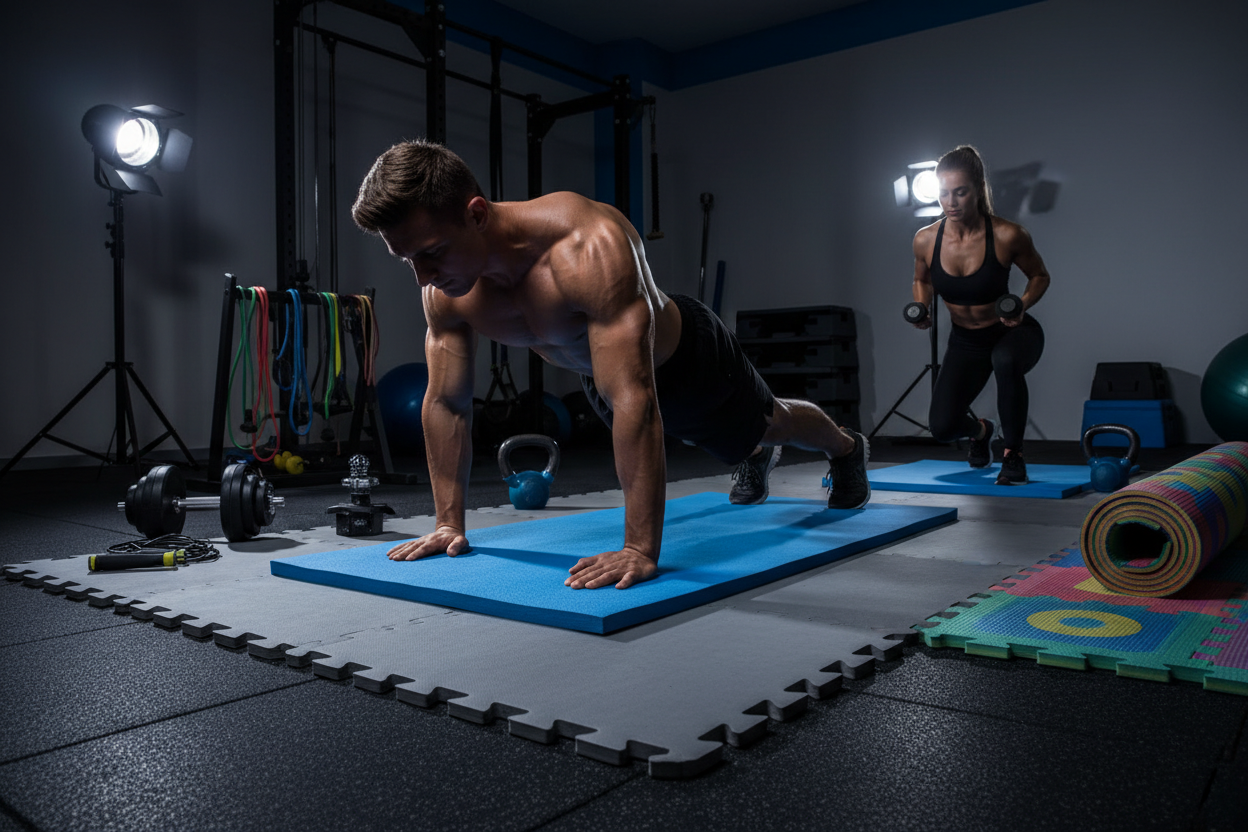
Is An Electric Workout Machine Actually Effective? The Honest Truth
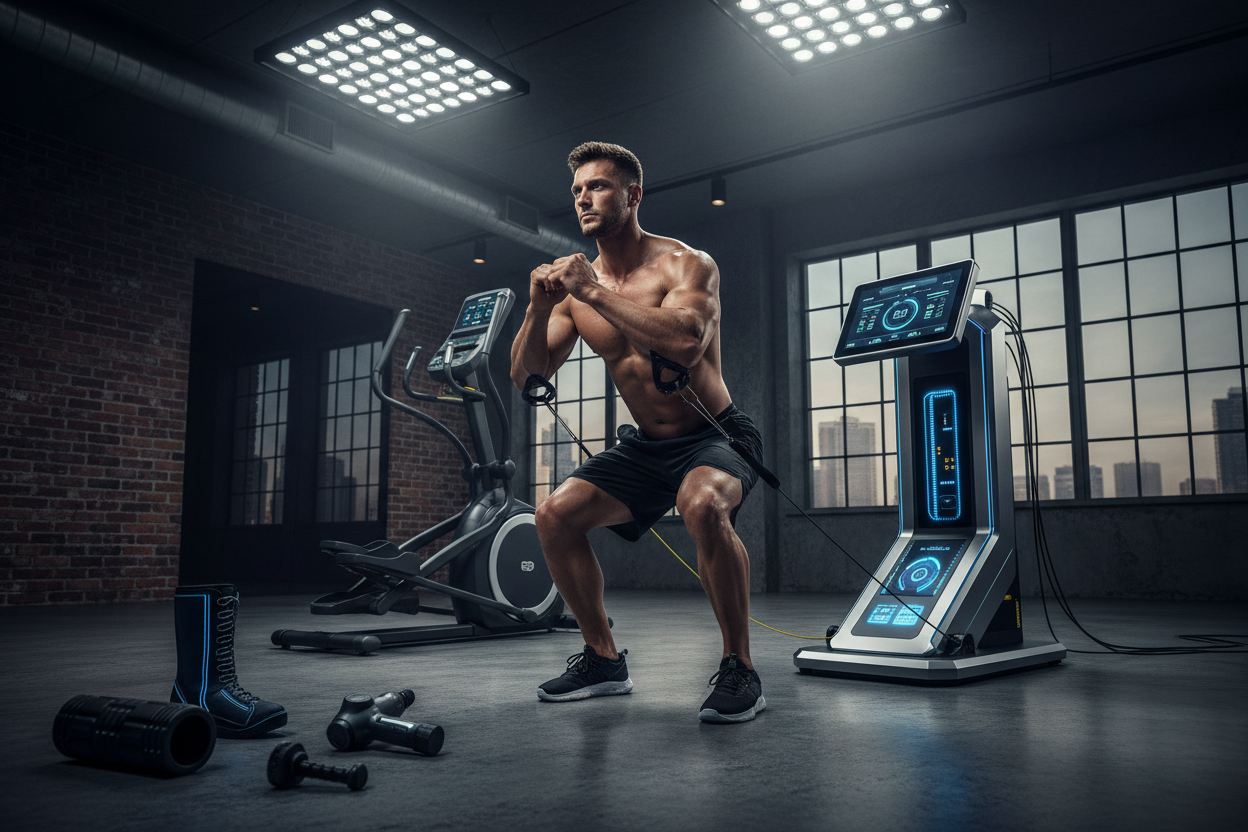
We have all seen the late-night infomercials promising six-pack abs while you sit on the couch, hooked up to wires or standing on a vibrating platform. But the landscape of fitness technology has shifted dramatically. Today, an electric workout machine isn't just about passive vibration; it often refers to sophisticated digital resistance systems that are replacing traditional iron in home gyms.
If you are considering trading your dumbbells for a motorized system, or if you are curious if those vibrating plates actually do anything, you need to understand the mechanics before opening your wallet. Let’s separate the marketing fluff from the physiological reality.
Quick Summary: The Core Verdict
- Digital Resistance is Real: Modern electric machines use algorithms and motors to create weight. This allows for "eccentric overloading" (making the weight heavier on the way down), which is highly effective for hypertrophy.
- Passive vs. Active: Vibration plates and EMS (Electrical Muscle Stimulation) are supplements, not replacements. They aid recovery and stability but won't build significant muscle mass on their own.
- Safety Profile: Electric exercise equipment eliminates inertia/momentum, making it safer for joints and ideal for rehabilitation or seniors.
- The Cost Factor: Motorized resistance offers a smaller footprint but comes with a significantly higher price tag and subscription requirements compared to free weights.
Defining the "Electric" Category
When people search for this term, they usually fall into two camps. You are either looking for electric exercise equipment that stimulates muscles passively (like EMS or vibration plates), or you are looking for the new wave of "smart gyms" that use electric motors to generate resistance.
Understanding the difference is critical because the results vary wildly between the two.
1. Motorized Resistance (Smart Gyms)
This is where the industry is heading. Instead of lifting a metal plate against gravity, you are pulling against a digital motor. The machine fights back.
The science here is solid. Because the resistance is generated by an algorithm, the machine can detect when you are struggling and spot you instantly. More importantly, it can increase the load during the negative (eccentric) phase of the lift. Research consistently shows that eccentric loading damages muscle fibers more effectively than concentric lifting, leading to greater growth repair.
2. Passive Electric Tech (Vibration & EMS)
This category includes whole-body vibration plates and electrode pads. While often marketed as a weight-loss miracle, the physiology suggests otherwise.
These tools are excellent for lymphatic drainage, improving blood flow, and neuromuscular activation (waking up the nerves). However, without mechanical tension and progressive overload, you cannot build substantial tissue. Use these for warm-ups or recovery, not as your primary training method.
Why the "Feel" is Different
If you are coming from a background of lifting free weights, an electric exercise machine utilizing digital weight feels alien. With a dumbbell, you can use momentum to swing the weight up. Physics allows you to cheat.
With a motor, there is no momentum. The resistance is constant and unrelenting. If the screen says 50lbs, it is 50lbs at every millimeter of the range of motion. This increases your "time under tension," which is a key driver for muscle endurance and size.
Common Mistakes When Going Electric
Relying on the "Passive" Setting
Many users buy motorized leg exercisers or vibration plates and expect weight loss while sitting down. Thermodynamics doesn't work that way. If your heart rate isn't elevated and you aren't creating a caloric deficit, the machine won't burn fat for you.
Ignoring the Subscription Model
Unlike a kettlebell, high-end electric gear often requires a monthly fee to unlock the advanced modes (like eccentric overload or chains mode). Always factor the lifetime cost of the software into your purchase.
My Training Log: Real Talk
I want to share my honest experience transitioning from iron plates to a high-end digital resistance unit for a month. The specs look great on paper, but the actual sensation takes getting used to.
The first thing I noticed wasn't the convenience—it was the lack of "clank." I missed the visceral sound of racking weights. But purely from a training standpoint, the "digital spotter" feature was humbling. On a heavy bench press equivalent, when I started to fail, the machine didn't just stop; it micro-adjusted the weight down by 1lb increments in real-time until I could finish the rep.
However, there is a specific, unpolished detail usually left out of reviews: The "Motor Whine" and the "Stick point." When doing a slow negative rep, you can feel a subtle, granular vibration through the cable—like the motor is stuttering slightly to maintain the precise resistance. It’s not smooth like a well-oiled pulley system. It feels robotic. Also, if you move too explosively, there is a split-second lag where the motor has to catch up to your speed, causing a weird jerk that throws off your rhythm. It works, but it lacks the organic fluid feel of gravity.
Conclusion
An electric workout machine can be a powerful tool for hypertrophy if you choose a motorized resistance unit, or a great rehab tool if you choose vibration therapy. But do not expect the electricity to do the work for you. The fundamentals of fitness—effort, consistency, and progressive overload—remain unchanged, regardless of whether you are lifting iron or pulling against a magnet.
Frequently Asked Questions
Do electric vibration machines actually burn fat?
Directly? Very little. While they increase metabolic rate slightly during use, they do not burn enough calories to cause significant weight loss on their own. They are best used to amplify a squat or lunge workout, rather than just standing still.
Is electric exercise equipment safe for seniors?
Yes, generally safer than free weights. Motorized equipment often eliminates the risk of dropping weights and reduces impact on joints. Passive motorized leg exercisers are particularly good for seniors to maintain circulation without cardiovascular strain.
Can digital weight machines build as much muscle as free weights?
Yes. Your muscles cannot tell the difference between the gravitational pull on a dumbbell and the magnetic pull of a motor. As long as the resistance is sufficient to cause mechanical tension and fatigue, hypertrophy will occur.