Is a Rowing Machine Made in USA Worth the Cost? The Honest Truth
You have likely seen the flood of budget fitness equipment hitting the market lately. It looks sleek online, but when it arrives, the welds look suspicious and the frame wobbles under intensity. If you are hunting for a rowing machine made in usa, you aren't just looking for a workout; you are looking for an investment that won't end up in a landfill within two years.
Finding authentic American-made fitness gear is trickier than it used to be. Many legacy brands have quietly moved production overseas while keeping their prices high. However, a few stalwarts remain, offering build quality that imports simply cannot replicate.
Quick Summary: What You Need to Know
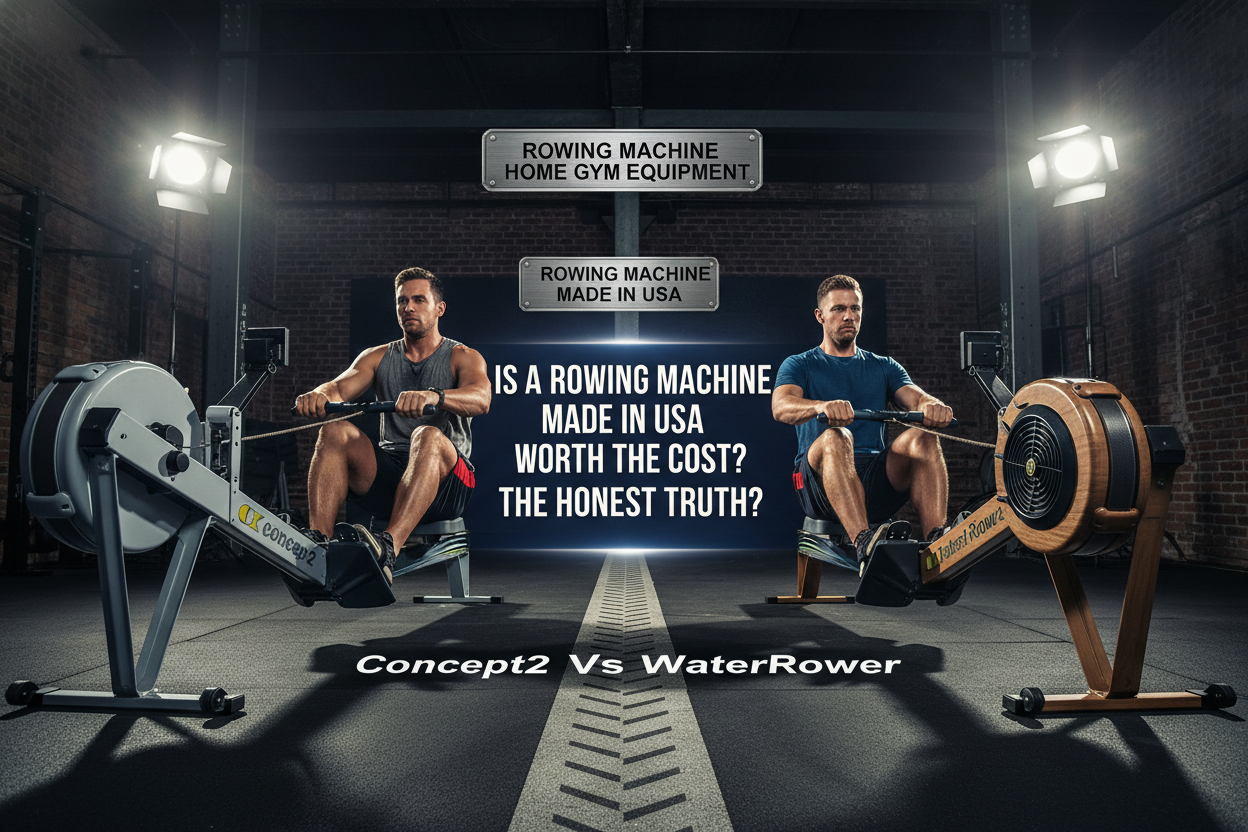
- The Primary Contenders: WaterRower (manufactured in Rhode Island) and Concept2 (assembled in Vermont) are the industry leaders.
- The "Made" vs. "Assembled" Distinction: While WaterRower sources sustainable Appalachian wood, Concept2 uses domestic and foreign parts but assembles locally.
- Longevity: American-made rowers typically offer 10+ year lifespans compared to the 2-3 year average of budget imports.
- Resale Value: Brands like Concept2 hold up to 80% of their value on the secondary market.
The Reality of "Made in USA" Labeling
Before you drop a thousand dollars, you need to understand the Federal Trade Commission (FTC) guidelines. For a product to claim it is "Made in USA," virtually all significant parts and processing must be of U.S. origin.
In the fitness world, this is rare. Most electronics (monitors) come from Asia. Therefore, when looking for rowing machines made in usa, you are often looking for machines designed, engineered, and assembled here, with the primary structural components (steel, wood, aluminum) sourced domestically.
The Heavy Hitters: Who actually builds here?
WaterRower: The Rhode Island Craftsmanship
If you want a machine that is undeniably American, WaterRower is your best bet. Their facility in Warren, Rhode Island, is a full-blown woodshop. They source hardwood from the Appalachian Mountains—specifically verified sustainable forests.
The science behind this isn't just eco-friendly marketing; wood absorbs vibration better than steel. This results in a quieter row and less shock transfer to your joints. Because they control the manufacturing from raw lumber to finished product, the quality control is exceptionally high.
Concept2: The Vermont Workhorse
Concept2 is the gold standard for competitive rowing. Based in Morrisville, Vermont, they are transparent about their process. They state their machines are "Assembled in the USA with domestic and foreign parts."
While they may source some components globally, the engineering and assembly happen in Vermont. The reason this matters is the tolerance levels. A Concept2 Model D (now RowErg) is built to survive commercial gym abuse. The chain, the flywheel balance, and the monorail are calibrated to a standard that cheap knock-offs miss.
Why Domestic Manufacturing Matters for Performance
It comes down to metallurgy and material density. Budget rowers often use thinner gauge steel or lower-grade aluminum for the monorail. Under a heavy sprint (high stroke rate), these rails can flex.
When a rail flexes, you lose power transfer. You want 100% of your leg drive going into the flywheel, not wasted on bending the frame. American-manufactured frames like the WaterRower or the Concept2 monorail are rigid. This rigidity provides instant feedback and a consistent split time, which is essential if you are tracking progressive overload.
My Training Log: Real Talk
I want to share something you won't find on a spec sheet. I've spent hundreds of hours on both budget magnetic rowers and the Vermont-assembled Concept2.
The difference isn't just in the smooth pull; it's in the maintenance. A few years ago, I had to replace the shock cord on my Concept2. It’s a tedious job, but here is the thing: I could actually do it.
I called the support line, and a guy in Vermont—who actually rowed—answered. He didn't read from a script. He told me exactly which screwdriver to use and warned me about the specific snap-back that happens when you release the bungee tension. Try getting that level of service or finding a replacement part for a generic $300 rower you bought on a marketplace. You can't. The specific "click" of the chain seating into the sprocket on a Concept2 feels mechanical and earned, whereas plastic pulleys on imports just feel... mushy.
The Verdict
Buying a rowing machine made in usa (or assembled here by a reputable brand) is an upfront cost that saves you money long-term. You are paying for the assurance that when a part wears out in a decade, the company will still exist to sell you a replacement.
Frequently Asked Questions
Is the Concept2 RowErg 100% Made in USA?
No, it is not 100% sourced in the US. Concept2 is transparent that their machines are "Assembled in Morrisville, Vermont, using domestic and foreign parts." However, the assembly, quality control, and engineering are all American-based.
Are WaterRower machines actually made in America?
Yes. WaterRower manufactures their wooden rowing machines in Warren, Rhode Island. They source their timber from sustainable hardwood forests in the Appalachian region of the United States.
Why are American-made rowing machines so expensive?
The higher cost reflects fair labor wages, stricter environmental regulations, and higher quality raw materials (such as verified sustainable hardwoods or commercial-grade steel) compared to mass-produced imports.