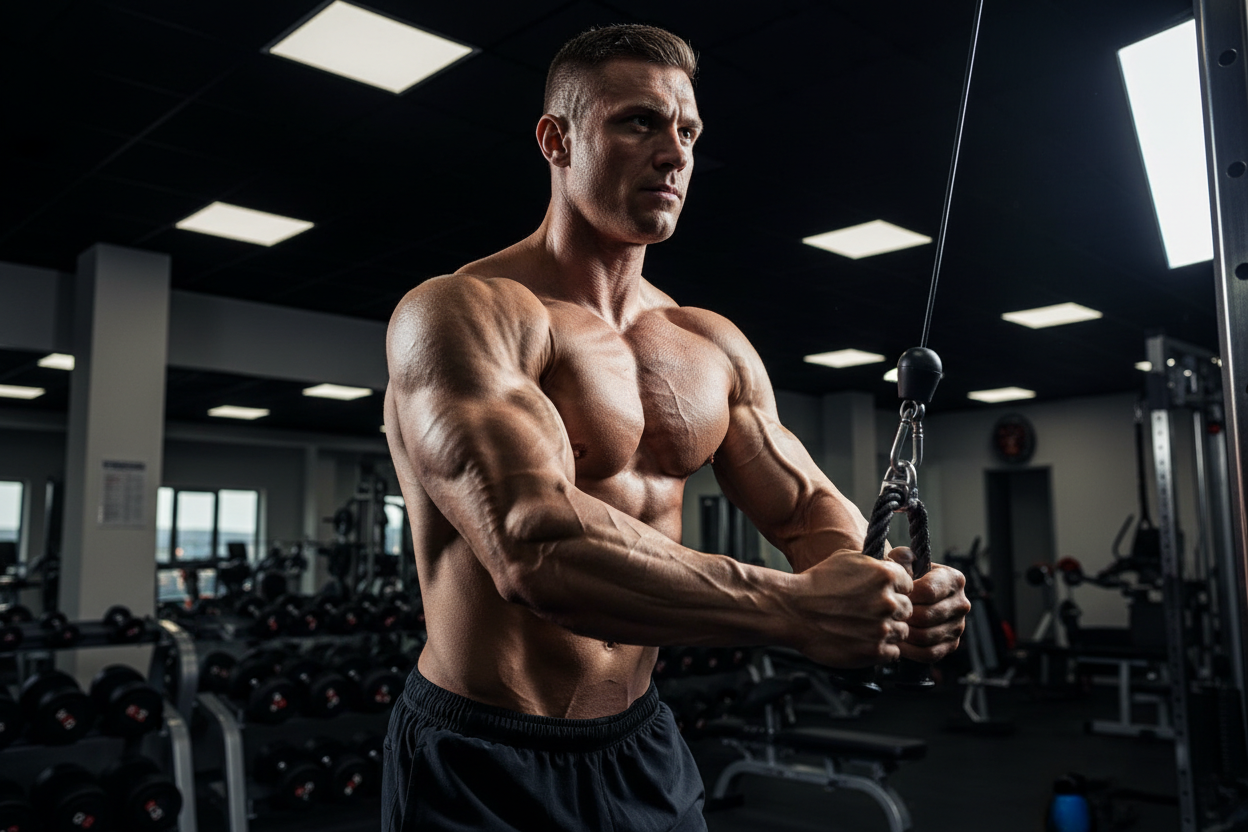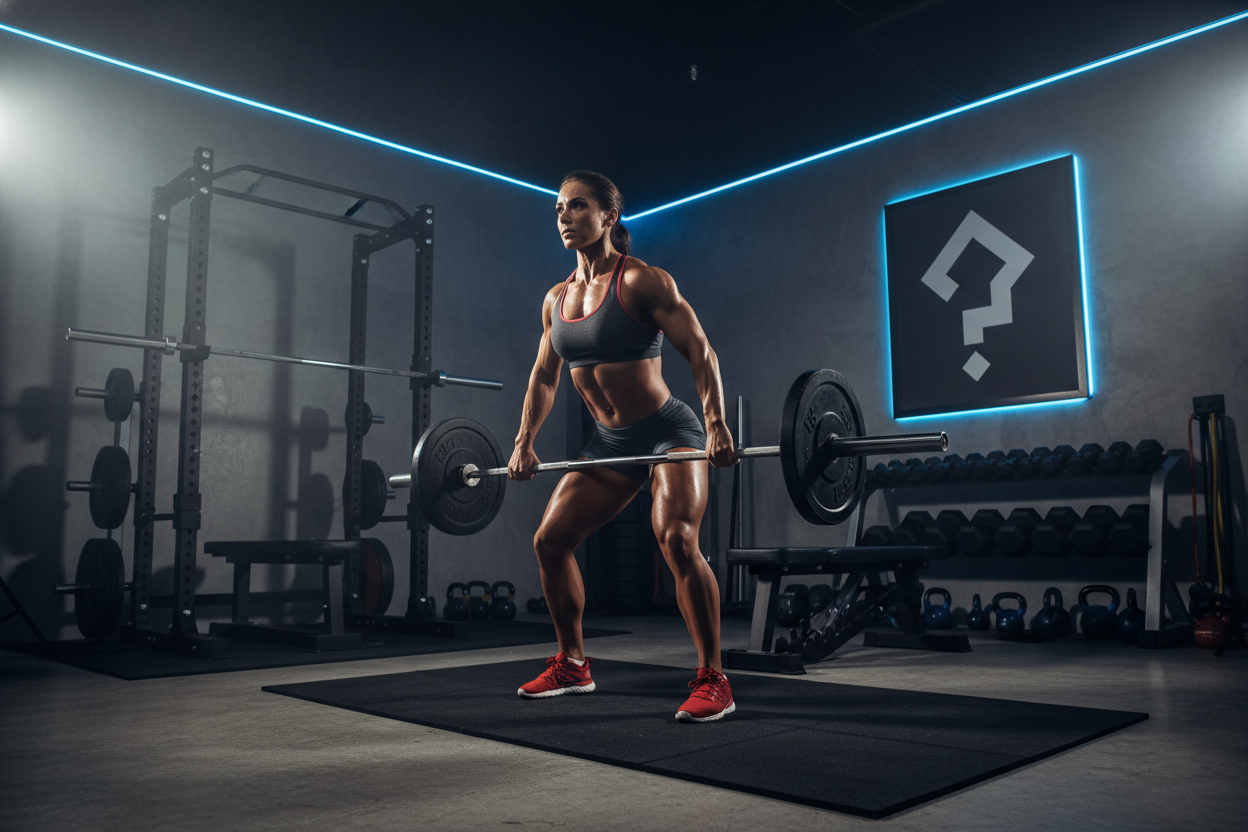
Is a Full Body Workout Good? The Truth for Home Gyms
If you're juggling a busy North American lifestyle, finding time to train in your garage or basement gym can feel like a workout in itself. You might be staring at your power rack wondering how to maximize your limited schedule without sacrificing gains. If you are asking yourself what makes a full body workout good, you aren't alone. Many lifters are ditching complex, time-consuming body part splits in favor of hitting everything in one highly efficient session.
This guide will help you decide if transitioning to full-body training is the right move for your home gym setup, what equipment you actually need, and how to program for maximum results.
Key Takeaways
- Full body routines maximize weekly muscle protein synthesis by hitting muscle groups multiple times a week.
- They require less specialized isolation equipment, saving you serious money and floor space.
- Perfect for busy individuals who can only commit to 3 or 4 training days per week.
- Offers incredible schedule flexibility—if you miss a day, your whole week of programming isn't ruined.
The Science: Are Full Body Workouts Better?
When comparing training styles, lifters constantly ask: are full body workouts better than traditional splits? The answer comes down to frequency and recovery. Instead of destroying your chest on Monday and letting it rest for a week, full-body routines stimulate your chest, back, and legs two to three times per week. This repeated exposure keeps muscle protein synthesis elevated more consistently throughout the week. For the average home gym owner who wants to build functional strength and muscle mass efficiently, this frequency is a game-changer.
Building Your Setup: Gear for Full Body Routines
One of the biggest advantages of this training style is the minimal equipment footprint. You don't need dedicated leg press machines or cable crossovers.
Space Planning for Maximum Efficiency
To execute compound movements safely, space planning is critical. If you are setting up in a standard two-car garage or a basement, you need to account for barbell clearance. A standard Olympic barbell is 7 feet long, meaning you need an absolute minimum of 9 feet of width to load plates comfortably. For overhead presses—a staple in any full-body routine—ensure you have at least 85 to 90 inches of ceiling clearance, depending on your height and the rack you choose.
High-Value Gear that Delivers
Because full-body training relies heavily on compound lifts (squats, deadlifts, presses, and rows), your budget should go toward a heavy-duty power rack, a high-weight-capacity adjustable bench, and a premium barbell. Investing in adjustable dumbbells is also a smart move for accessory work, allowing you to save precious square footage while still getting a complete workout.
Programming: Do Full Body Workouts Work?
It's natural to be skeptical and wonder, do full body workouts work for advanced lifters? The reality is that they force you to focus on the exercises that yield the highest return on investment. By prioritizing heavy compound movements early in your session, you trigger a massive central nervous system response. Even if the grammar sounds clunky when people search 'does full body workouts work', the physiological answer is a resounding yes—provided you manage your volume and don't take every single set to absolute failure.
From Our Gym: Honest Take
When I first transitioned my garage gym training from a 5-day split to a 3-day full-body routine, I was hesitant. I traded my isolation days for heavy, total-body sessions. Using our flagship power rack, I quickly realized that heavy squat days required incredibly solid safety pins, especially since my core was already fatigued from heavy barbell rows earlier in the session. The knurling on my barbell held up perfectly through the sweaty, high-volume workouts, but I will be completely honest: full-body sessions take longer. Sometimes I'm pushing 75 to 80 minutes to get through my warm-up and working sets. It's a minor con, but the trade-off of having four complete rest days a week to spend with my family makes it entirely worth it.
Frequently Asked Questions
Is full body workout effective for muscle growth?
Yes, is full body workout effective is one of our most common questions. Hitting a muscle group multiple times a week with adequate volume and progressive overload is highly effective for hypertrophy, often outpacing once-a-week frequency models.
Are full body workouts good for beginners?
Absolutely. Are full body workouts good for novices? They are arguably the best choice. They allow beginners to practice the movement patterns of major compound lifts frequently, leading to faster neurological adaptations and form mastery.
Is a full body workout good to do every day?
No. While you might wonder is a full body workout good to repeat daily, your central nervous system and muscles need time to repair. Training full-body every single day will quickly lead to overtraining and burnout. Stick to 3 or 4 non-consecutive days per week.
Is full body workout good for fat loss?
Yes, because compound movements require more energy and recruit more muscle mass, they burn a significant amount of calories both during the workout and post-exercise as your body recovers.