Is A Cushioned Exercise Mat Actually Effective? The Honest Truth
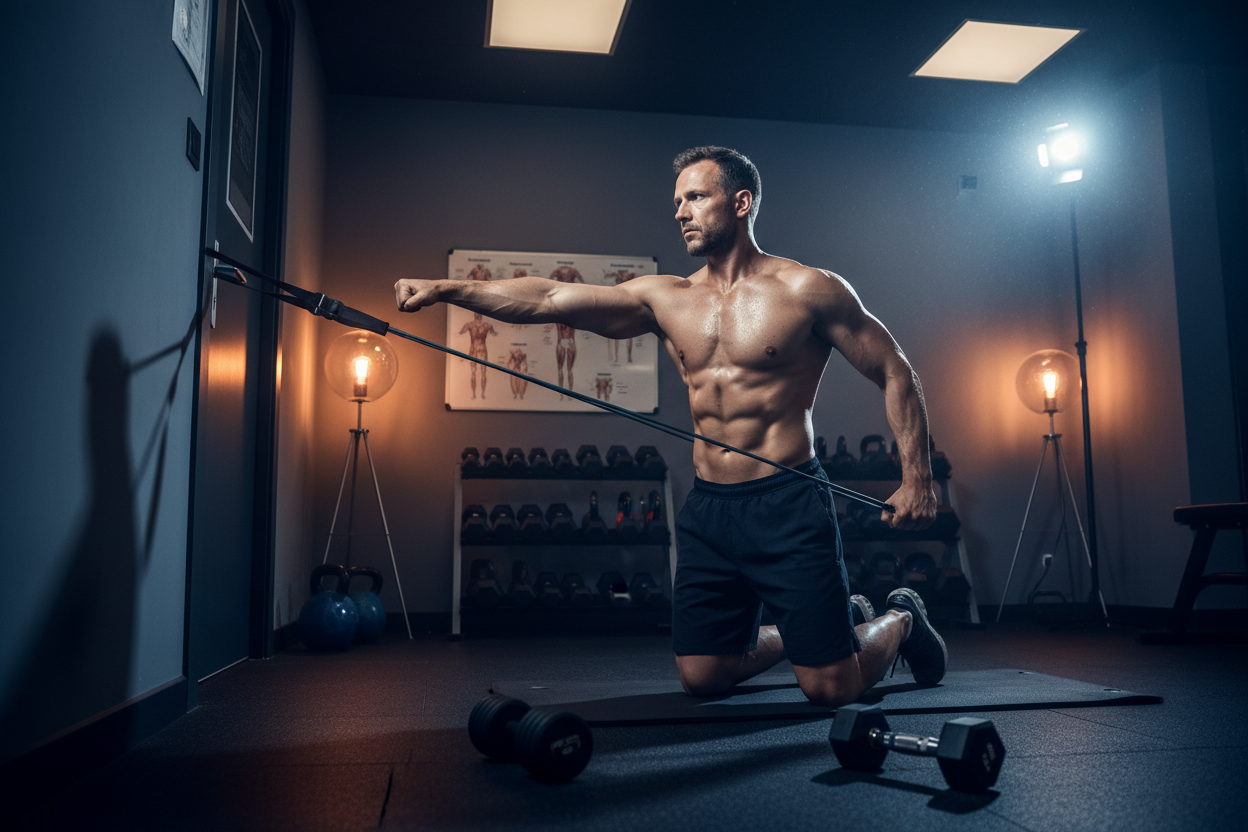
There is nothing quite as demotivating as the sharp sting of your kneecap driving into a hardwood floor during a lunge. If you are training at home or in a garage gym, the surface you move on is just as critical as the weights you lift. This is where a high-quality cushioned exercise mat becomes essential equipment rather than a luxury accessory.
Many beginners grab the cheapest yoga mat they can find, only to realize it offers about as much protection as a sheet of paper. But simply going for the thickest option isn't the answer either. There is a science to selecting the right density and material to protect your joints without sacrificing stability.
Quick Summary: Choosing the Right Padding
If you are looking for the sweet spot between comfort and performance, here are the core factors to consider before buying:
- Density over Thickness: A 1-inch mat that squishes flat offers less protection than a high-density 1/2-inch mat.
- Material Type: TPE (Thermoplastic Elastomer) offers a good balance of cushion and grip; NBR (Synthetic Rubber) is softer but less stable.
- Texture: A padded workout mat must have a non-slip texture to prevent sliding when sweaty.
- Activity Match: Use high-cushion for Pilates and stretching; use high-density/firm padding for HIIT and weightlifting.
Why Your Joints Crave a Padded Workout Mat
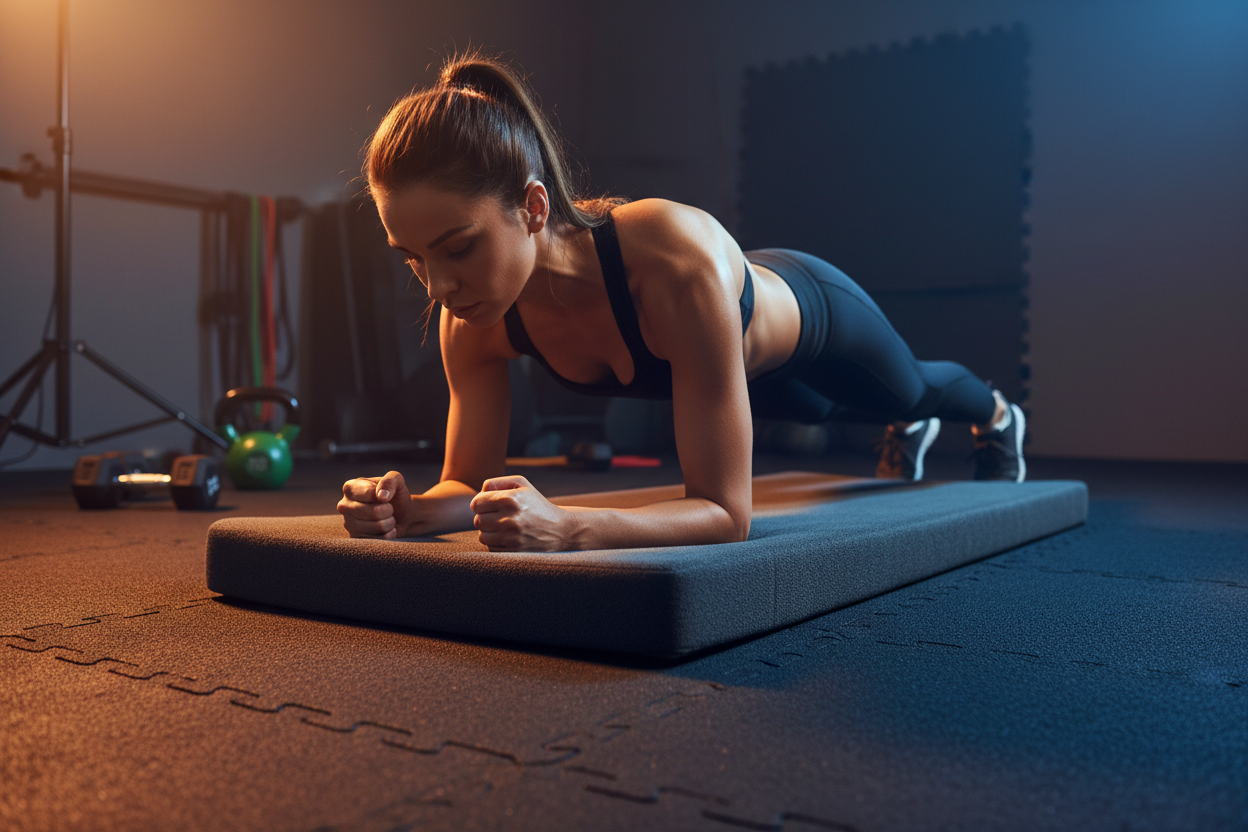
The primary function of padded exercise floor mats is impact absorption. When you perform plyometrics (jumping) or floor-based core work, the reaction force from the ground travels up through your skeletal structure. Over time, this causes inflammation in the wrists, elbows, and knees.
A properly engineered padded exercise mat acts as a shock absorber. It dissipates that energy before it hits your cartilage. However, the market is flooded with products labeled as a "padded mat for exercise" that are essentially just soft foam. These might feel nice to lie on, but they fail during dynamic movement.
The Stability Trade-Off
Here is the catch: maximum cushion often equals minimum stability. If you are using a padded gym mat that is too soft (like a marshmallow), your feet will sink in. This forces your stabilizer muscles to work overtime to keep you upright.
While this sounds like a good workout, it actually increases the risk of rolling an ankle during single-leg movements. For standing exercises, you want a cushioned gym mat that resists compression. You should feel supported, not swallowed.
Material Matters: NBR vs. TPE vs. PVC
Not all foam is created equal. Understanding the composition of your workout padded mat will tell you how it performs.
- NBR (Nitrile Butadiene Rubber): Usually the thickest and cheapest. It provides a pillow-like feel. Great for sit-ups, bad for balancing.
- TPE (Thermoplastic Elastomer): The gold standard for a padded mat for gym use. It is denser, eco-friendly, and bounces back to its original shape instantly.
- PVC (Polyvinyl Chloride): Durable and sticky, but often lacks the deep cushioning required for sensitive joints unless it is specifically engineered as a high-density cushion mat for exercise.
Common Mistakes When Buying Cushioned Floor Mats for Exercise
The biggest error I see trainees make is buying a "mattress" when they need a mat. If you plan on doing burpees or mountain climbers, a 1-inch thick, low-density mat will stretch and bunch up under your feet. This creates a tripping hazard.
Instead, look for cushioned floor mats for exercise that feature a closed-cell construction. This prevents sweat from soaking into the foam, which eventually leads to a heavy, smelly mat that degrades from the inside out. An exercise mat cushion should be wipeable and resilient.
My Training Log: Real Talk
I learned the hard way that "thicker" does not mean "better." A few years ago, nursing a wrist injury, I bought an ultra-thick, 1-inch NBR cushion gym mat. I thought I was doing my body a favor.
The first time I tried to do a renegade row with dumbbells on that mat, it was a disaster. The dumbbells sank unevenly into the foam, twisting my wrists into a compromised angle—the exact opposite of what I wanted. Worse, during mountain climbers, the material had so much "give" that it stretched longitudinally with every kick, bunching up in the middle like an accordion.
I eventually switched to a high-density 8mm TPE mat. It felt firm to the touch, almost hard, but when I dropped to my knees for pushups, there was zero pain. The specific difference was the "rebound." The dense mat didn't leave a permanent indentation of my heel after a set of squats. That creates a stable platform where you can trust your footing.
Conclusion
Investing in the right cushion mat for exercise is an investment in your longevity. Don't just look at the thickness in millimeters; look at the density and material quality. Your goal is to find a surface that protects your bony landmarks from the floor without compromising your balance during dynamic movements.
Frequently Asked Questions
Can I wear shoes on a cushioned exercise mat?
It depends on the material. High-density PVC or heavy-duty rubber mats can withstand shoe traffic. However, softer NBR or TPE foam mats will often tear or shred under the friction of sneaker treads. If you must wear shoes, look for a mat specifically labeled as "shoe-friendly" or "heavy-duty."
How thick should a padded exercise mat be for bad knees?
For sensitive knees, a thickness between 1/2 inch (12mm) and 5/8 inch (15mm) is usually ideal. This provides enough depth to prevent the kneecap from bottoming out against the floor, provided the foam is dense enough to support your weight.
Is a yoga mat the same as a cushioned workout mat?
Generally, no. Standard yoga mats are thin (3mm-5mm) to promote balance and connection to the floor. A cushioned workout mat is typically thicker (10mm+) and designed for impact absorption during calisthenics, sit-ups, and stretching.