I Wasted Years Mixing Up My Methods of Training for Strength
I used to spend my lunch breaks scrolling through forums, convinced that the 'secret' to a 500-lb deadlift was hidden in some obscure Russian spreadsheet. My garage was a mess of half-baked ideas. I’d try to combine high-intensity interval training with heavy triples and wonder why my joints felt like they were filled with crushed glass. I wasted years mixing up my methods of training for strength before I realized that the best program is the one you actually finish.
Quick Takeaways
- Consistency beats 'optimal' programming every single time.
- Linear progression is the fastest way to get strong if you are a beginner.
- Don't switch programs until you have stalled for at least three weeks.
- Your equipment dictates your method; don't try to run a conjugate program with just a pair of 25-lb dumbbells.
Confession: I Used to Be a Chronic Program Hopper
My garage gym journey started with a cheap barbell and a lot of ego. For two years, I was a total program hopper. Monday I’d be trying Westside-style max effort lifts, Wednesday I’d pivot to a CrossFit-style AMRAP because I felt 'fluffy,' and Friday I’d do a high-volume bodybuilding split. I was working hard, but I was spinning my wheels.
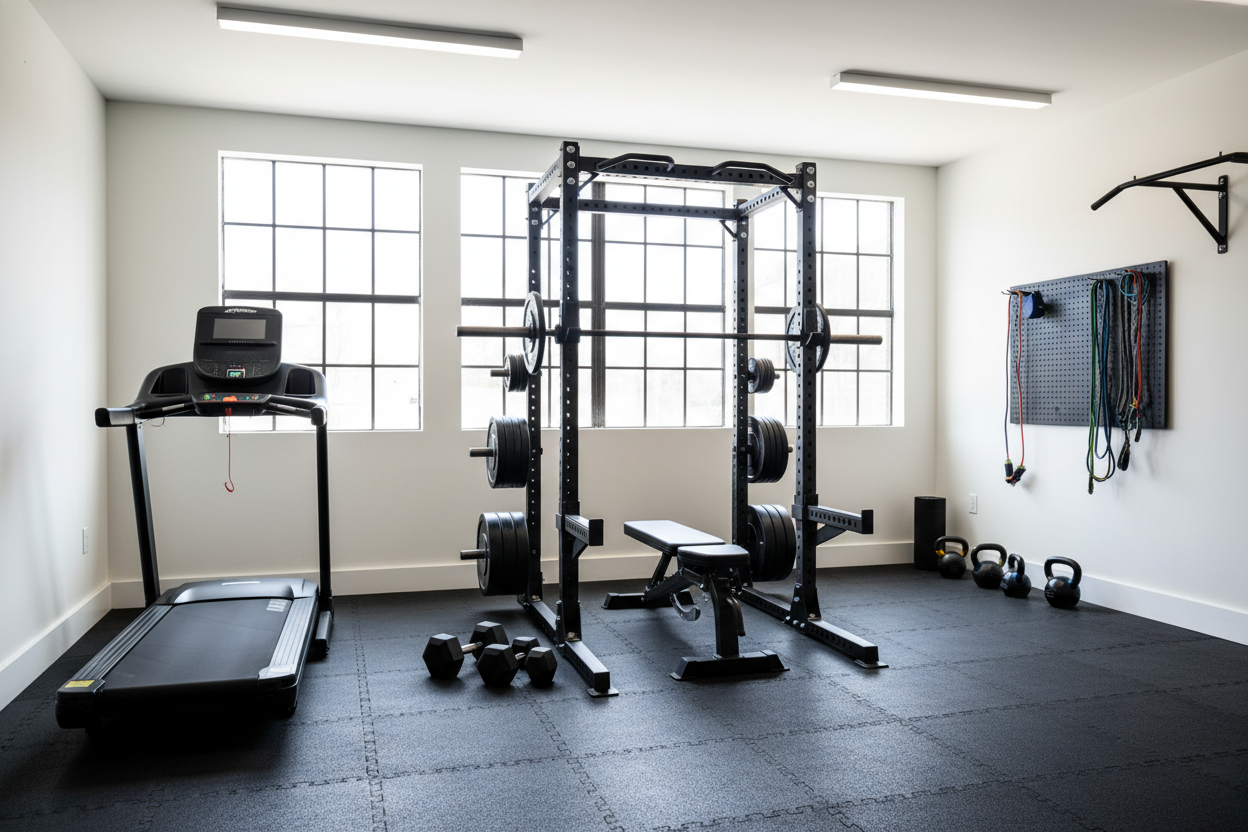
I spent more time collapsed on my gym flooring for home workout than actually hitting PRs. Because my programming was a Frankenstein’s monster of conflicting goals, my body never knew what to adapt to. I was sweating buckets, but my squat hadn't moved in six months. I had to admit that my 'custom' method was just a fancy way of being lazy about discipline.
Why 'Muscle Confusion' Just Leaves You Weak
The idea that you need to 'confuse' your muscles is one of the most persistent lies in fitness. Your nervous system doesn't need a surprise party; it needs a repeatable stimulus. When you throw completely different resistance training techniques at your body every week, you never actually get good at the movements. Strength is a skill.
If you keep changing your strength training techniques, you never move past the 'neurological adaptation' phase. This is the phase where you get better at a lift just because your brain learns how to fire the muscles in the right order. To build real tissue and raw power, you need to stick with a movement long enough to actually stress the muscle fibers, not just the brain.
Breaking Down the 3 Strength Methods That Actually Work
Stripping away the influencer jargon, there are really only a few foundational strength methods of training. You don't need a PhD to understand them, but you do need the grit to follow them when they get boring. Here is how the big three break down for the home lifter.
Linear Progression: The Boring (But Brutally Effective) Baseline
This is the simplest of all strength building techniques: add five pounds to the bar every single time you lift. If you did 135 lbs for 5 reps on Monday, you do 140 lbs on Wednesday. It sounds too simple to work, but for 90% of people, this will build more strength in six months than any complex periodization scheme ever could.
Conjugate Method: For the Easily Bored Garage Lifter
The Conjugate method is what the monsters at Westside Barbell used to break world records. It involves rotating a 'Max Effort' day (heavy singles) with a 'Dynamic Effort' day (moving lighter weight fast). This is where you start needing strength training accessories like resistance bands and chains. By changing the resistance curve, you can go heavy every week without hitting the same movement so often that you develop overuse injuries.
Block Periodization: When You Actually Want to Peak
This is the long game. You break your year into specific blocks. You might spend eight weeks in a hypertrophy block building muscle, followed by six weeks of a strength block to teach that muscle how to move heavy loads. It is one of the most reliable strength methods for advanced lifters who can no longer add weight to the bar every single week.
Matching Your Protocol to Your Home Gym Setup
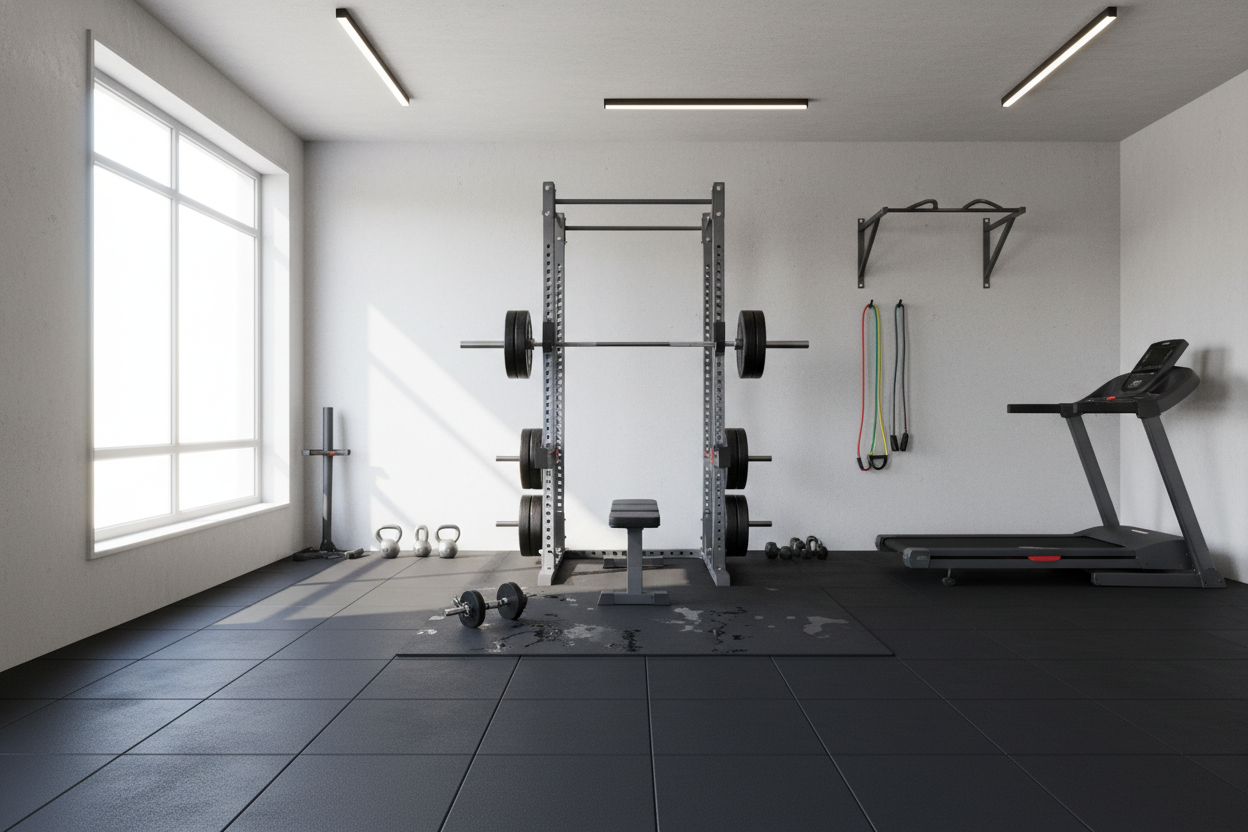
You need to perform a hard audit of your strength equipment before you commit to a 12-week block. I’ve seen guys try to run high-level powerlifting programs with a rack that wobbles when they rack 135 lbs. It’s a recipe for a trip to the ER, not a PR.
If your setup is basic, stick to linear progression. If you realize your current stable of gear is lacking the foundational equipment for resistance training required for heavy triples, upgrade your bar and plates before you try to get fancy with your programming. You can't build a 500-lb squat on a 300-lb capacity rack.
The 12-Week Rule: Commit or Quit
Stop looking for the 'perfect' strength training methods. They don't exist. What exists is the 'effective enough' program that you actually follow for three months straight. Pick one of the methods above and commit to it for 12 weeks. No 'tweaking,' no adding extra cardio, and no swapping out front squats for leg extensions because you're tired. Consistency is the only 'hack' that actually delivers results.
FAQ
How do I know if I'm a beginner?
If you can add weight to the bar every session and complete your reps, you're a beginner. Enjoy it while it lasts; those gains are the easiest you'll ever get.
Can I mix bodybuilding and powerlifting?
Yes, it's called Powerbuilding. Just make sure the heavy compound work comes first while you're fresh, and save the bicep curls for the end of the session.
What if I miss a workout?
Don't try to make it up by doing a double session. Just pick up where you left off. One missed day won't kill your progress, but a 'Frankenstein' makeup session might cause an injury.