I Walked Into 3 Home Gym Dealers (And Only Trusted One)
I once bought a power rack from a late-night Amazon rabbit hole because the price was too good to pass up. Two weeks later, a beat-up box arrived, and after three hours of assembly, the thing wobbled when I racked a measly 225 pounds. That was the day I realized that some things shouldn't be bought sight unseen. I decided to start visiting local home gym dealers to find gear that wouldn't leave me wondering if I was about to be crushed by a structural failure.
- If the rack sways when you push it with one hand, it is not safe for heavy triples.
- Local showroom prices often include assembly—calculate that value before complaining about the markup.
- Avoid 'big box' sports retailers where the staff thinks a barbell is just a heavy stick.
- Check the pulley travel on cable machines; if it’s gritty in the store, it’ll be unusable in six months.
Why Buying Heavy Iron Blind Online Finally Broke Me
The problem with buying gear based on a thumbnail image is that everyone knows how to use a ring light and a filter. That rack I bought looked like a tank in the photos, but the steel was thin 14-gauge junk. The welds were sloppy, and the powder coating started flaking off before I even finished the first workout. It was a headache to return 150 pounds of steel, and it cost me more in shipping and frustration than I saved on the initial price.
I realized that for the 'big' stuff—racks, functional trainers, and specialty bars—I needed to actually put my hands on the equipment. I needed to feel the knurling and hear the sound of the plates hitting the steel. This led me on a tour of local showrooms to see who was selling quality and who was just moving boxes.
Testing a Home Gym In Store: What to Actually Shake and Push
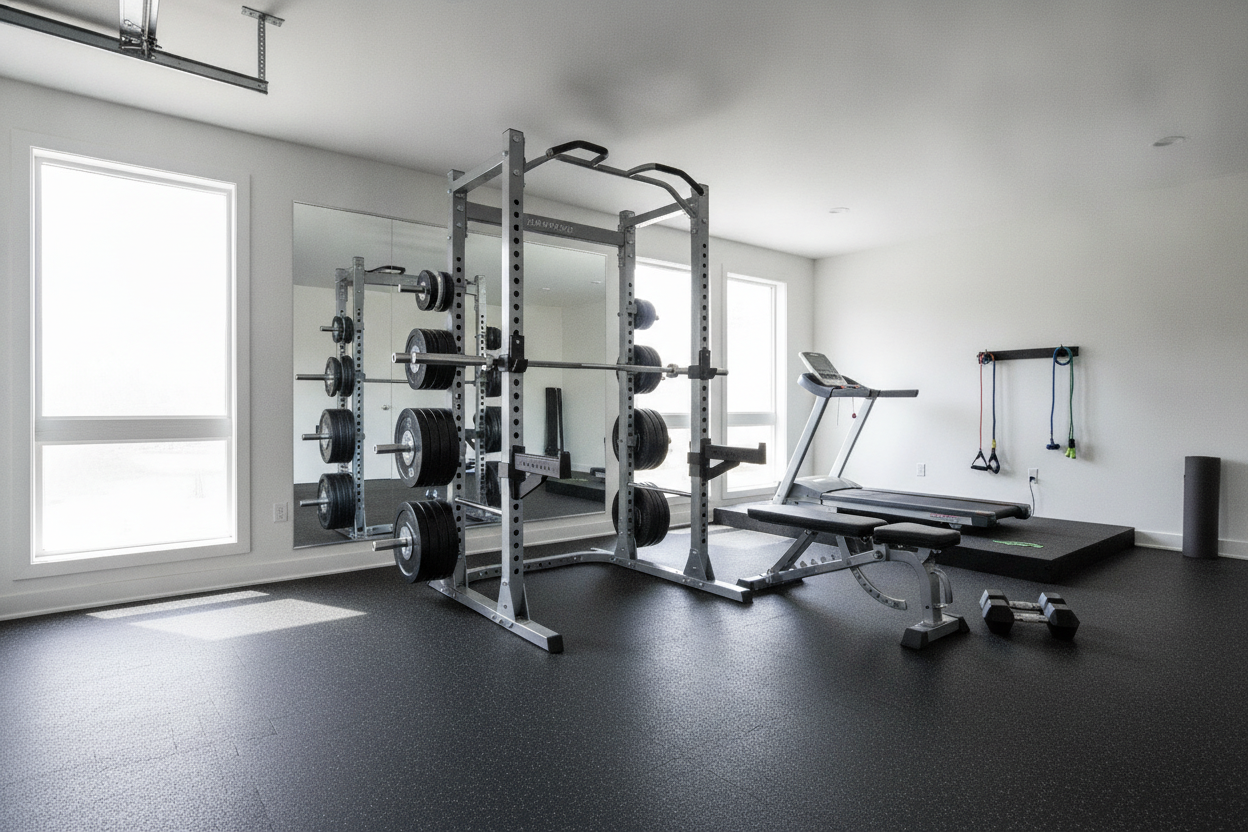
When you walk into a home gym in store, don't be polite. You are there to stress-test the floor models. I start by grabbing the uprights of a power rack and giving them a hard shake. If there is significant lateral movement, the tolerances are off. Check the J-cup welds; they should be clean and consistent, not looking like a bird pooped on the metal. If the welds are ugly, the internal integrity probably is too.
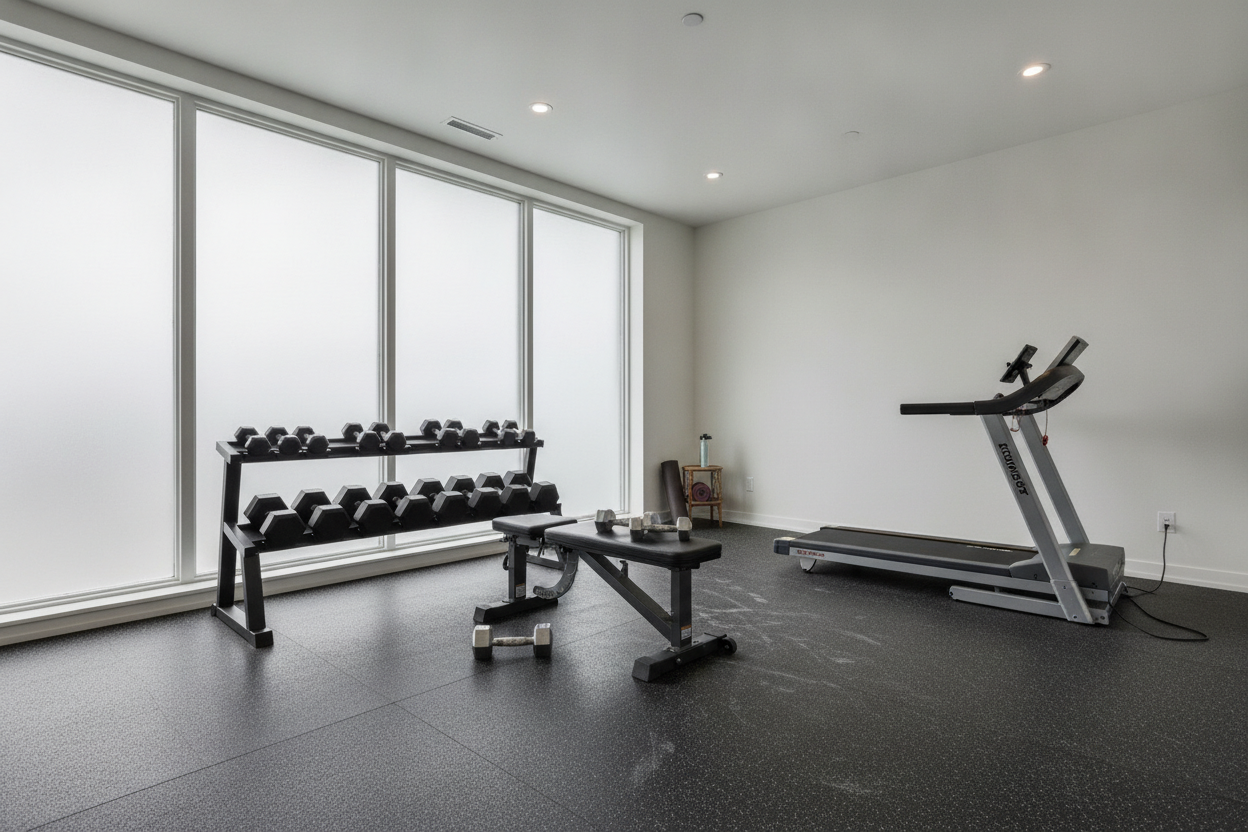
If you are looking at top all in one home gym equipment, the cable system is the make-or-break point. Pull the handle slowly. You should feel the weight, not the friction of the plastic pulleys. Sit on the benches and shift your weight side to side. A bench that wobbles under a 200-pound man is going to feel like a seesaw when you're trying to bench press your max.
The Good, the Bad, and the Pushy: Navigating Home Gym Retailers
Not all home gym retailers are created equal. I visited one spot that felt like a high-pressure used car lot. The salesman didn't ask about my ceiling height or my training goals; he just kept pointing at the most expensive 'commercial-grade' machine and talking about their 'platinum' extended warranty. That’s a red flag. If the gear is good, the warranty should be a safety net, not a sales pitch.
The shop I ended up trusting was run by a guy who looked like he actually spent time under a bar. He pointed out the difference between the 11-gauge steel on his premium racks versus the cheaper stuff in the corner. He was honest about which bars had a better whip for Olympic lifting and which ones were stiff enough for powerlifting. You want a dealer who knows the difference between a bushing and a bearing.
How to Vet a Home Fitness Exercise Equipment Co
Before you hand over your credit card to any home fitness exercise equipment co, ask the hard questions. Do they service what they sell? If a cable snaps or a bearing seizes in three years, can they send a technician, or are you stuck hunting for parts on a random website? Local dealers often have access to parts that you can't find as a retail consumer.
Ask about the delivery and installation process. Many online companies offer 'curbside delivery,' which means they drop a 500-pound crate at the end of your driveway and wish you luck. A quality local dealer usually has an in-house crew that will bring the gear into your garage, level the rack, and dispose of all that annoying cardboard and pallet wood. That service is often worth the extra $200 in the sticker price.
The One Thing Showrooms Forget to Tell You About
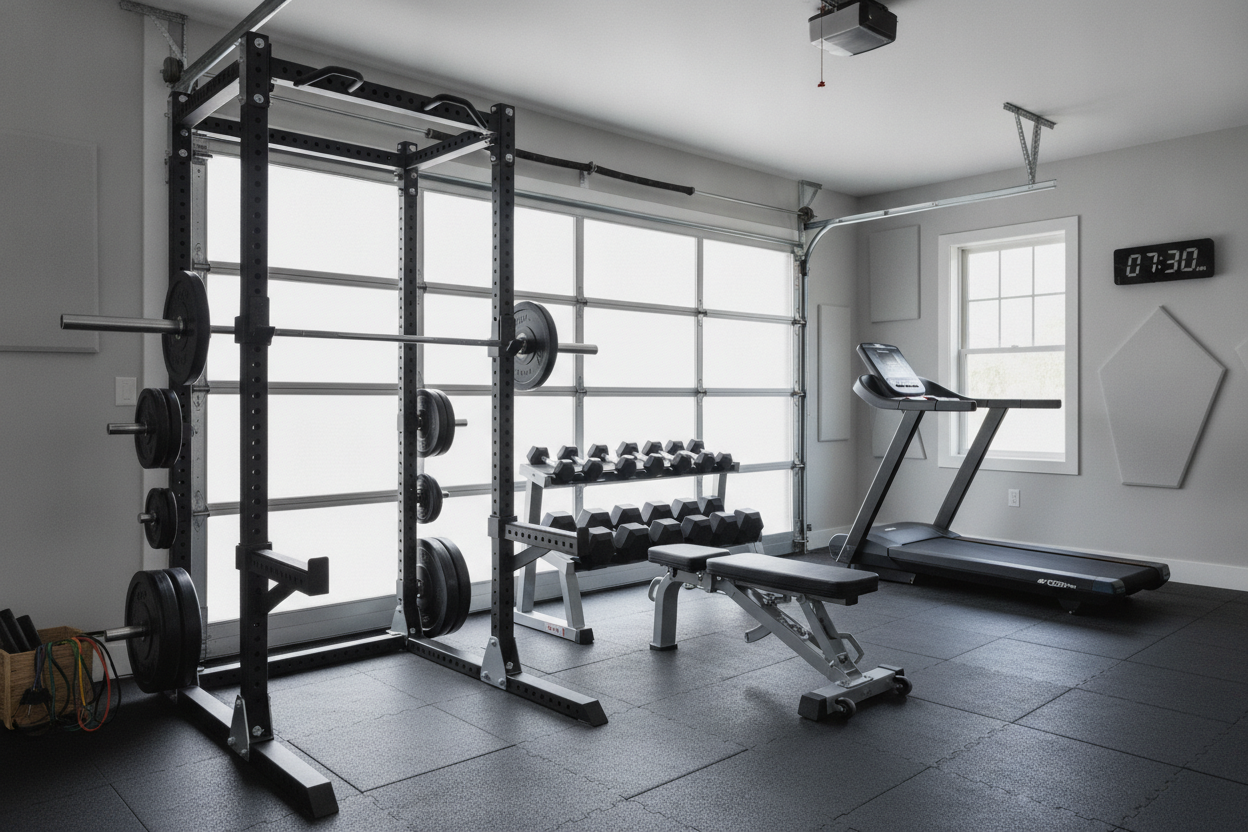
Showrooms are beautiful, level, and often have professional flooring. Your garage probably doesn't. Dealers want to sell you the iron, but they rarely mention that you shouldn't just bolt a 400-pound rack directly to your bare concrete. You need a foundation first. I always tell people that their first purchase shouldn't be the rack, but a large exercise mat for home gym use.
You need to protect your house from your hobbies. Dropping a pair of 45-pound plates on bare concrete will eventually lead to cracks. I recommend getting a dedicated thick gym flooring solution to go under your heavy footprint items. A solid 6x8ft mat provides enough space for a standard rack and keeps the vibration from rattling the windows in your living room every time you set the bar down.
FAQ
Are local gym dealers more expensive than Amazon?
Usually, yes, the sticker price is higher. However, when you factor in the lack of shipping costs and the fact that they often include professional assembly, the total 'out the door' price is often very similar for much higher-quality steel.
Can I negotiate prices at a fitness showroom?
Absolutely. Unlike big websites, local owners have some wiggle room. If you are buying a full setup—rack, bar, and plates—ask for a package discount. They would rather lose a few bucks on the plates to secure a multi-thousand dollar sale.
What is the most important spec to check in person?
The steel gauge and the hole spacing. Look for 11-gauge steel for the uprights and Westside hole spacing (1-inch gaps) in the bench zone. If the dealer doesn't know what gauge the steel is, they aren't a serious equipment provider.