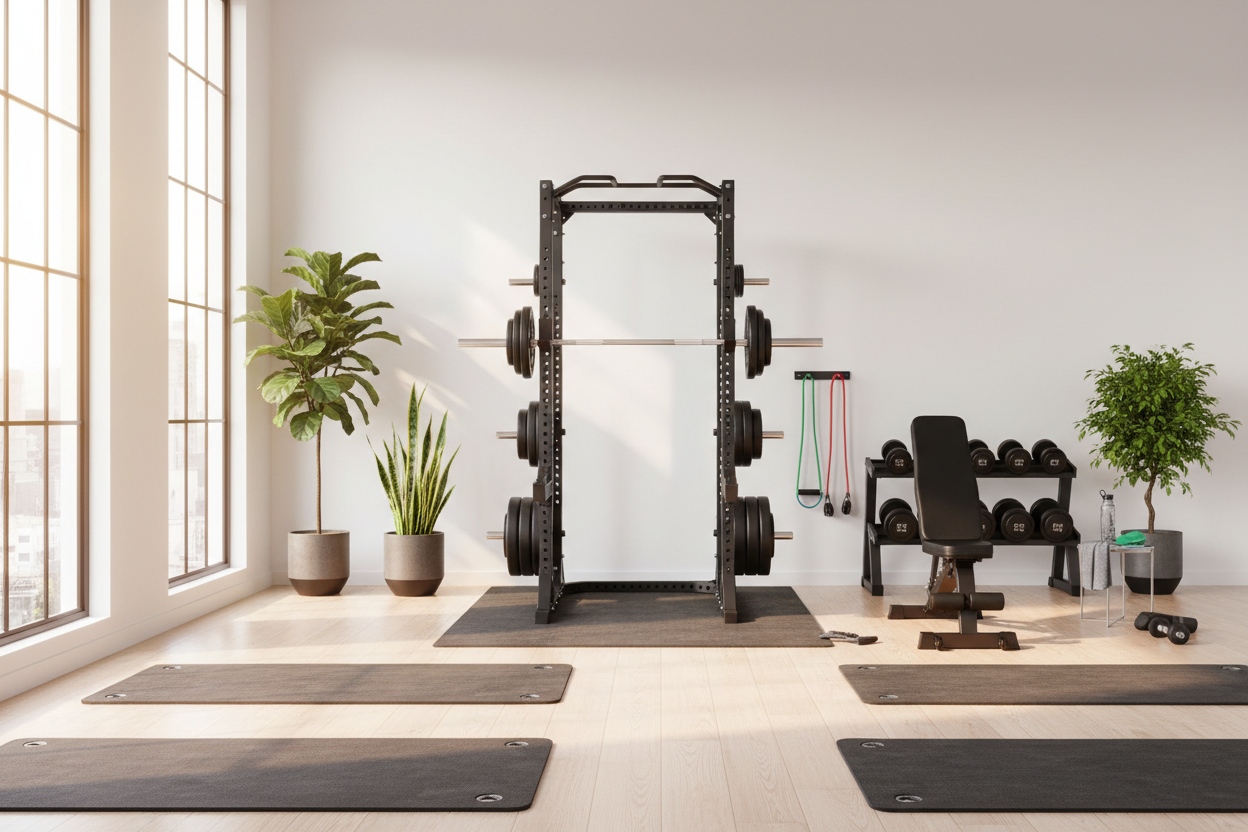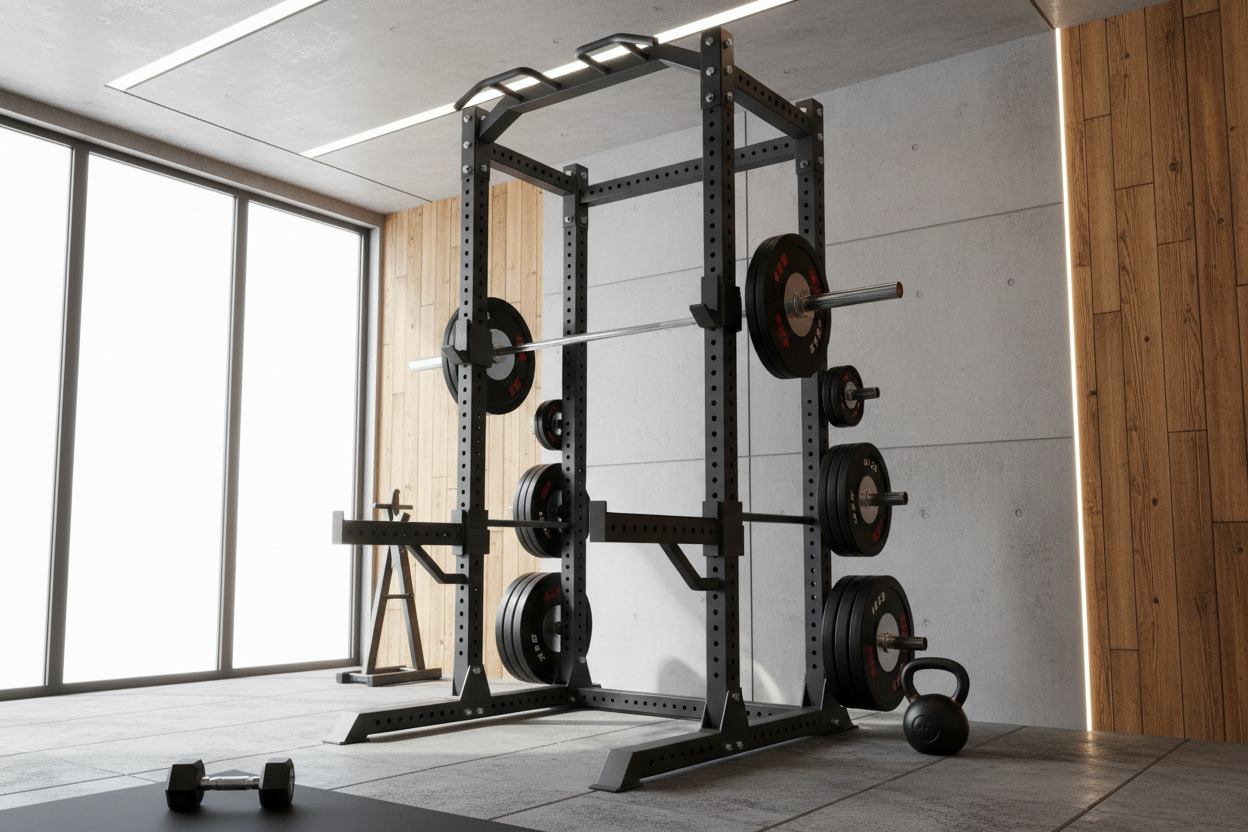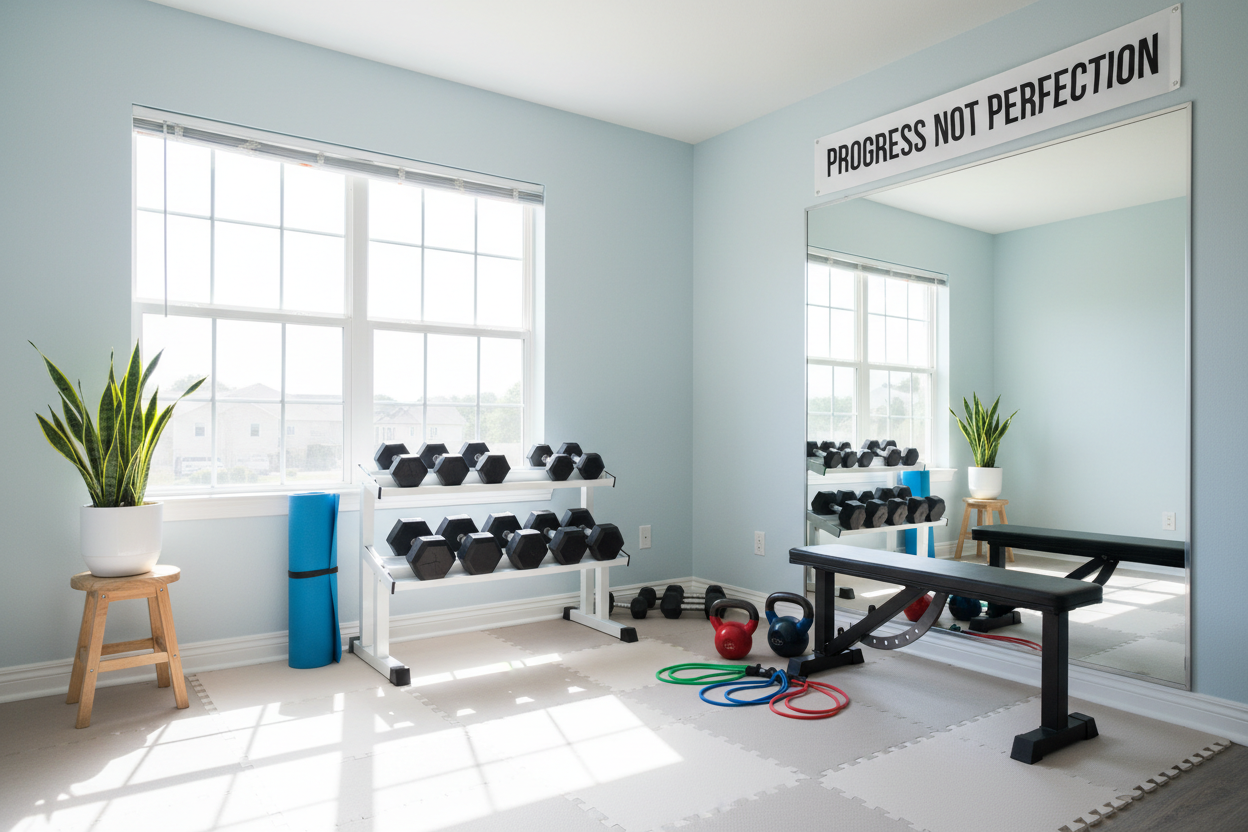
I Turned My Spare Room Into a Complete Gym for Less Than You'd Think
Setting up a complete workout space at home doesn't require a massive basement or a small fortune. After years of gym memberships and crowded equipment, I finally made the switch to home fitness machines—and the transformation in both my space and my routine has been remarkable. The key is understanding what you actually need versus what looks impressive in showroom photos.
The market for gym machines at home has exploded, offering everything from compact solutions that fold away to full-scale setups that rival commercial facilities. Whether you're working with a spare bedroom, garage, or even a corner of your living room, there's a configuration that can work for your space and fitness goals.
Understanding Your Home Gym Options
Weight lifting machines for home come in several distinct categories, each serving different purposes and space requirements. Cable machines offer the most versatility, allowing you to perform dozens of exercises with one piece of equipment. Smith machines provide guided barbell movements that are particularly useful if you're training alone. Then there are plate-loaded machines, selectorized weight stacks, and all-in-one systems that combine multiple stations.
I started with a simple weight machine for home—a basic multi-station unit that handled chest press, lat pulldown, and leg extension. What I learned quickly was that quality matters far more than quantity. A single well-built machine that you'll actually use beats five cheap ones gathering dust.
Space-Saving Solutions That Actually Work
Not everyone has a dedicated room for fitness equipment. That's where compact home weight systems shine. A mini gym machine can fit in surprisingly tight spaces while still delivering a solid workout. These smaller units typically use resistance bands, body weight, or lighter weight stacks to provide resistance without the footprint of traditional equipment.
The beauty of modern home gym systems is their modular design. Many manufacturers now create equipment that can be adjusted, folded, or reconfigured based on what exercise you're doing. I've seen setups in apartments that transform from a cable crossover station to a leg press with just a few pin adjustments.
Building a Complete Weight System Home Gym
If you have the space and budget for a more comprehensive setup, weight systems for home gym use offer incredible value. These are the all-in-one stations that combine multiple exercise stations into a single frame. You might have a high and low pulley system, a press station, a leg developer, and a lat bar all integrated together.
The advantage of these weight machines for home gym use is efficiency. Instead of moving between separate pieces of equipment, you're simply adjusting seats, changing cable attachments, or moving pins. This keeps your heart rate elevated and makes circuit training at home genuinely practical.
When I upgraded to a full weight system for home, the difference in workout quality was immediate. Having everything in one place eliminated the mental friction of setting up different equipment. The workout became the hard part—not the logistics.
What to Look for in an At Home Weight Machine
Quality indicators aren't always obvious when you're shopping online. Frame construction is paramount—look for heavy-gauge steel, preferably 2-inch by 3-inch tubing or larger. The weight stack should move smoothly without jerking or sticking. Cable systems should use aircraft-grade cable with sealed bearings in the pulleys.
Seat and pad quality matters more than you'd think. Cheap vinyl cracks within a year, and thin padding becomes uncomfortable quickly. I learned this the hard way with my first budget machine. Commercial-grade upholstery costs more upfront but lasts for years of daily use.
Weight capacity is another critical factor, even if you're not a heavy lifter. A machine rated for 300 pounds will feel more stable and last longer than one rated for 200 pounds, regardless of your body weight. The rating indicates overall structural integrity, not just what weight you can load on the stack.
Making the Most of Limited Space
Even with careful selection, fitting at home gym systems into residential spaces requires creativity. Measure everything twice—the equipment dimensions, your ceiling height, and the space you'll need to actually use each station. Most manufacturers list both the footprint and the "use area" required.
Vertical space is often underutilized. A home weight machine with a tall frame and lat pulldown station uses the same floor space as a shorter unit but offers significantly more exercise options. My ceiling is just 8 feet, which ruled out some commercial-style equipment, but there are plenty of options designed specifically for standard residential ceiling heights.
Corner installations can be brilliant for maximizing usable floor space. Some weight machine home gym designs are specifically engineered to fit into corners, with angled frames that make use of space that would otherwise be wasted.
The Real Cost of Home Fitness Equipment
Price ranges for an in home weight machine span from a few hundred dollars to well over ten thousand. The sweet spot for most people falls between $800 and $2,500—enough to get quality construction and versatility without entering commercial territory.
Consider the cost against gym membership fees. A $1,500 home weight system that lasts ten years costs $12.50 per month. Add in the time saved commuting to a gym, the convenience of working out whenever you want, and the privacy of your own space, and the value proposition becomes compelling.
Used equipment can offer tremendous value if you know what to look for. I've seen barely-used commercial-grade machines sell for 40% of retail price simply because someone moved or lost interest. Inspect cables, check for frame cracks, and test the weight stack movement before buying.
Assembly and Maintenance Reality Check
Most home gym systems arrive in multiple boxes and require assembly. Budget several hours and have a second person available to help. The frames are heavy, and some steps genuinely require four hands. I made the mistake of attempting solo assembly on my first machine—never again.
Ongoing maintenance is minimal but important. Cable systems need occasional lubrication. Bolts should be checked and tightened periodically. Weight stacks should be kept clean and free of debris. Ten minutes of maintenance every few months prevents problems and extends equipment life significantly.
Personal Experience: What I Wish I'd Known
Looking back at my journey with home fitness machines, I would have spent more initially on a better primary unit rather than buying multiple cheaper pieces. My garage went through three different configurations before I found what actually worked for my training style and space constraints.
The game-changer was realizing that I didn't need to replicate an entire commercial gym. I needed equipment that supported my specific goals. For me, that meant prioritizing pulling movements and leg work—exercises that are harder to replicate with just free weights in a home environment.
Frequently Asked Questions
How much space do I really need for a home gym system?
A functional setup can fit in as little as 8x8 feet for compact multi-stations, though 10x10 feet is more comfortable. Measure the equipment footprint plus at least 2 feet of clearance on all sides where you'll be exercising. Ceiling height should be at least 7.5 feet for most machines with lat pulldown stations.
Are home weight machines as effective as free weights?
Both have advantages. Machines provide consistent resistance paths and are safer for training alone, making them excellent for muscle building and rehabilitation. Free weights engage stabilizer muscles more effectively. The best approach for most people is combining both—machines for your primary work and dumbbells or resistance bands for accessory movements.
What's the difference between selectorized and plate-loaded machines?
Selectorized machines use a weight stack with a pin selector for quick weight changes—convenient but more expensive. Plate-loaded machines require you to manually add weight plates but cost less and often feel more like free weight training. Plate-loaded options work well if you already own Olympic weight plates.