I Tried to Gain 10 lbs of Muscle in 4 Weeks (And Got Fat Instead)
I remember staring at a fitness magazine in a grocery store checkout line, convinced that the only thing standing between me and a superhero physique was a month of 'hardcore' eating. I was 155 pounds, could barely bench my own body weight, and was desperate to gain 10 lbs of muscle in 4 weeks. I bought the biggest tub of mass gainer the store had—a sugary mess that tasted like chalky chocolate—and started my 'transformation' with the kind of naive confidence only a teenager with a new gym membership possesses.
Quick Takeaways
- Most rapid weight gain in a month is actually water, glycogen, and body fat.
- Natural muscle protein synthesis has a hard biological speed limit that no amount of milk can bypass.
- Aggressive 'dirty bulking' usually leads to digestive distress and a puffy midsection.
- True lean tissue gain is a slow, multi-month process that requires patience and a moderate surplus.
The Inflated Promise of the 30-Day Transformation
The fitness industry loves a 30-day window. It is long enough to feel like a challenge but short enough that people are willing to suffer through almost anything. Influencers post 'before and after' photos where the only real difference is lighting, a tan, and a massive carb load to fill out their muscles. I fell for it hard, thinking I could force my body to grow through sheer caloric volume.
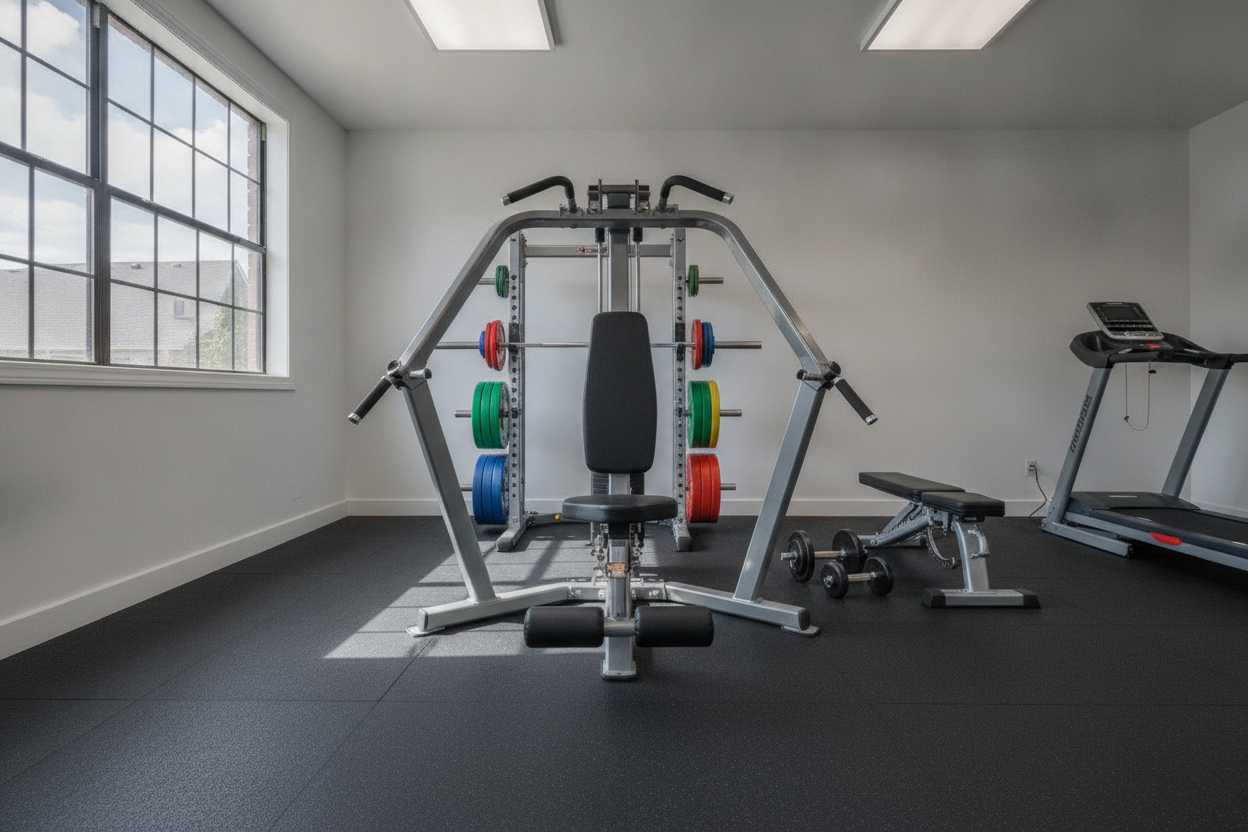
I decided to follow the GOMAD (Gallon Of Milk A Day) protocol alongside heavy squats on a rickety rack that shook every time I re-racked 135 pounds. I was force-feeding myself peanut butter sandwiches at midnight and chugging whole milk until I felt physically ill. I thought I was being 'hardcore.' In reality, I was just overloading my system with more energy than it could ever possibly use for muscle repair. My digestive system was in a state of constant revolt, and my skin started breaking out like I was hitting puberty for the second time.
What My Scale Actually Said (The Breakdown of the Weight)
By the end of the month, the scale told me exactly what I wanted to hear: I was up 12 pounds. I felt huge, but not in a 'Greek God' way. My face was puffy, my belt was uncomfortably tight, and I was getting winded walking up a flight of stairs. I had set out to gain 10 pounds of muscle in 4 weeks, but the composition of that weight was a disaster. I hadn't built a fortress of lean tissue; I had built a water-logged shell.
Glycogen and Water Weight Are Undefeated
When you suddenly jump from a maintenance diet to a massive caloric surplus, your body stores that energy as glycogen in the muscles. Each gram of glycogen pulls in about three to four grams of water. In that first week, I 'gained' five pounds. That wasn't muscle; it was just my muscle cells finally being fully hydrated and fueled for the first time in my life. It creates a temporary 'pumped' look that disappears the moment you stop overeating.
The Unavoidable Fat Gain of a Dirty Bulk
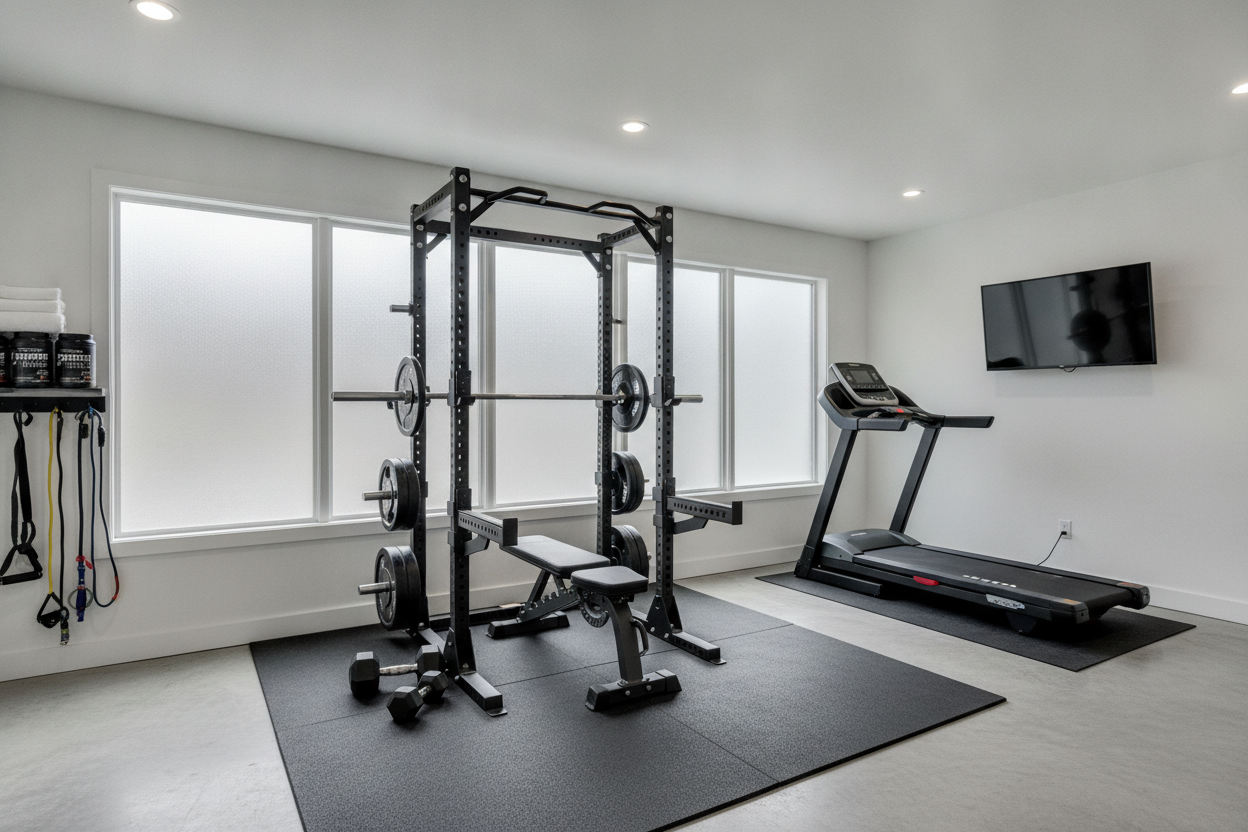
After the initial water weight stabilized, the scale kept climbing, but the mirror was telling a different story. My abs, which were faint to begin with, were gone. My jawline had softened. Because I was eating in such a massive surplus—likely 1,500 calories over maintenance—my body did the only thing it could with the extra energy: it stored it as fat. I was training hard on my power rack, but you can't out-squat a surplus that exceeds your biological capacity for growth.
Why Your Body Refuses to Build Tissue That Fast
Muscle is metabolically expensive. Your body doesn't want to build it unless it absolutely has to, and it certainly won't build it at the rate of 2.5 pounds per week. Even if you have the best genetics and a perfect recovery setup, why gaining 10 lbs of muscle in 4 weeks is a biological joke becomes obvious when you look at the rate of muscle protein synthesis. For a natural lifter, you are lucky to gain two pounds of actual dry muscle tissue in a month—and that’s usually only if you’re a rank beginner.
If You Only Have a Month, Focus on This Instead
If you have a 30-day deadline, stop chasing the scale. Instead, focus on your Central Nervous System (CNS). You can make massive strength gains in a month by improving your technical proficiency on big lifts. I’d suggest grabbing a quality barbell and focusing on 'greasing the groove' with movements like the overhead press or front squat. You can get significantly stronger in 30 days without looking like a marshmallow.
Eat a slight surplus—maybe 250 to 500 calories over maintenance. This provides enough fuel for recovery and supports your training intensity without spilling over into excessive fat gain. Focus on hitting 0.8g to 1g of protein per pound of body weight. This approach won't put 10 pounds on the scale, but it will ensure that the weight you do gain is high-quality tissue that stays with you.
The Real Timeline for That Kind of Mass
Building 10 pounds of real, lean muscle is a massive achievement. It’s the kind of gain that completely changes how you look in a t-shirt and how much weight you can move on the platform. But it doesn't happen in a month. For most of us, seeing what 10 lbs of muscle before and after actually looks like involves a timeline of six months to a year of consistent, progressive overload and disciplined nutrition.
I eventually lost the fat I gained during my 'dirty bulk' disaster. It took me another two months of dieting just to get back to where I started, which means my 30-day shortcut actually set me back three months. Don't rush the process. Invest in a solid pair of adjustable dumbbells or a good rack, eat like an adult, and realize that the scale is often a liar. Real growth is a slow burn, not a flash in the pan.
FAQ
Is it possible for beginners to gain 10 lbs of muscle in a month?
No. Even with 'newbie gains,' 10 pounds of pure muscle tissue in 30 days is biologically impossible for a natural human. You might gain 10 pounds of total weight, but a significant portion will be water, glycogen, and body fat.
What is a realistic amount of muscle to gain in 4 weeks?
A realistic goal for a beginner is about 1 to 2 pounds of muscle tissue. For intermediate or advanced lifters, gaining even half a pound of lean muscle in a month is considered a success.
Should I use mass gainer supplements to hit my goals?
I generally recommend against them. Most mass gainers are loaded with cheap maltodextrin and sugar that can cause insulin spikes and digestive issues. You are much better off getting your calories from whole foods like rice, oats, eggs, and lean meats.