I Tried an Exercise Bodybuilder Split in a 10x10 Garage
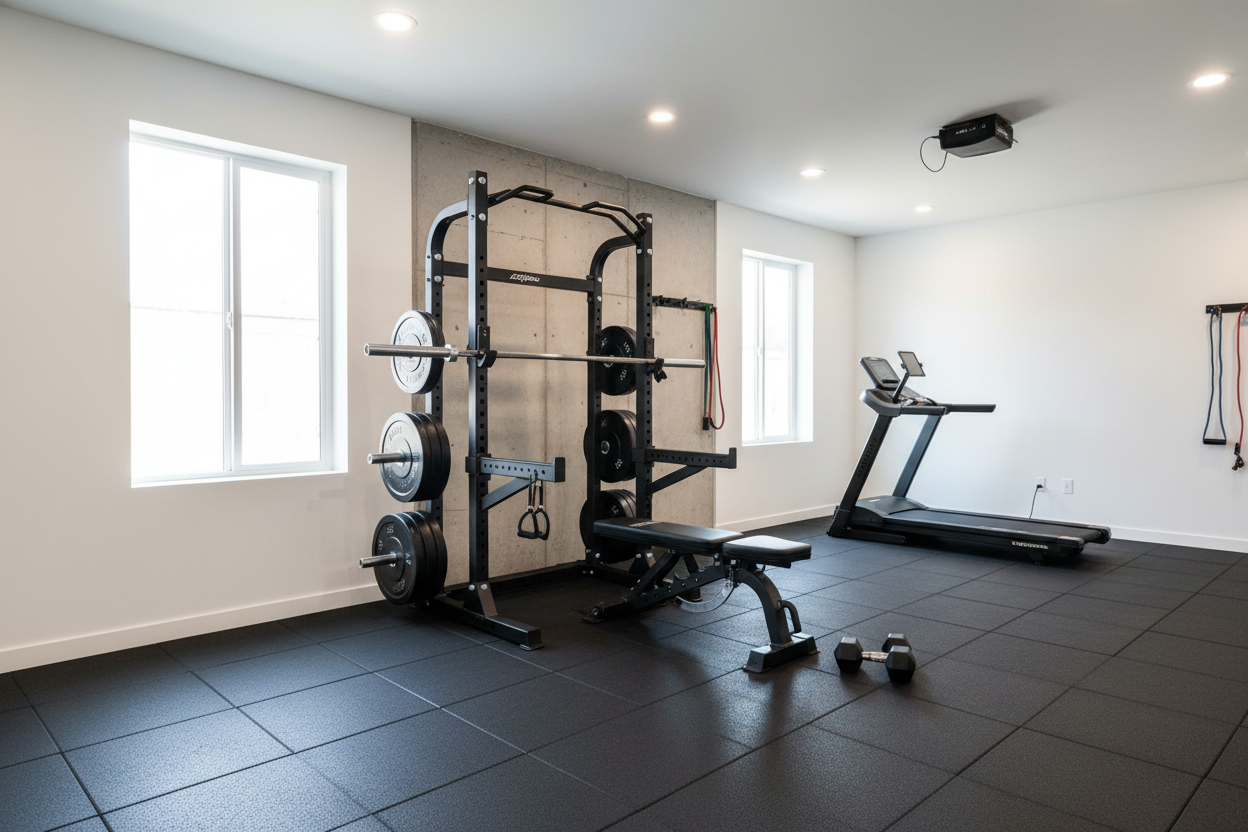
I was staring at a PDF of a pro-level hypertrophy routine, sweat dripping onto my phone screen, and realized I had spent more time moving my J-cups than actually lifting. My 10x10 garage felt like a cage, and not the good kind. Trying to be a dedicated exercise bodybuilder in a space that barely fits a sedan is a recipe for frustration if you follow standard gym advice.
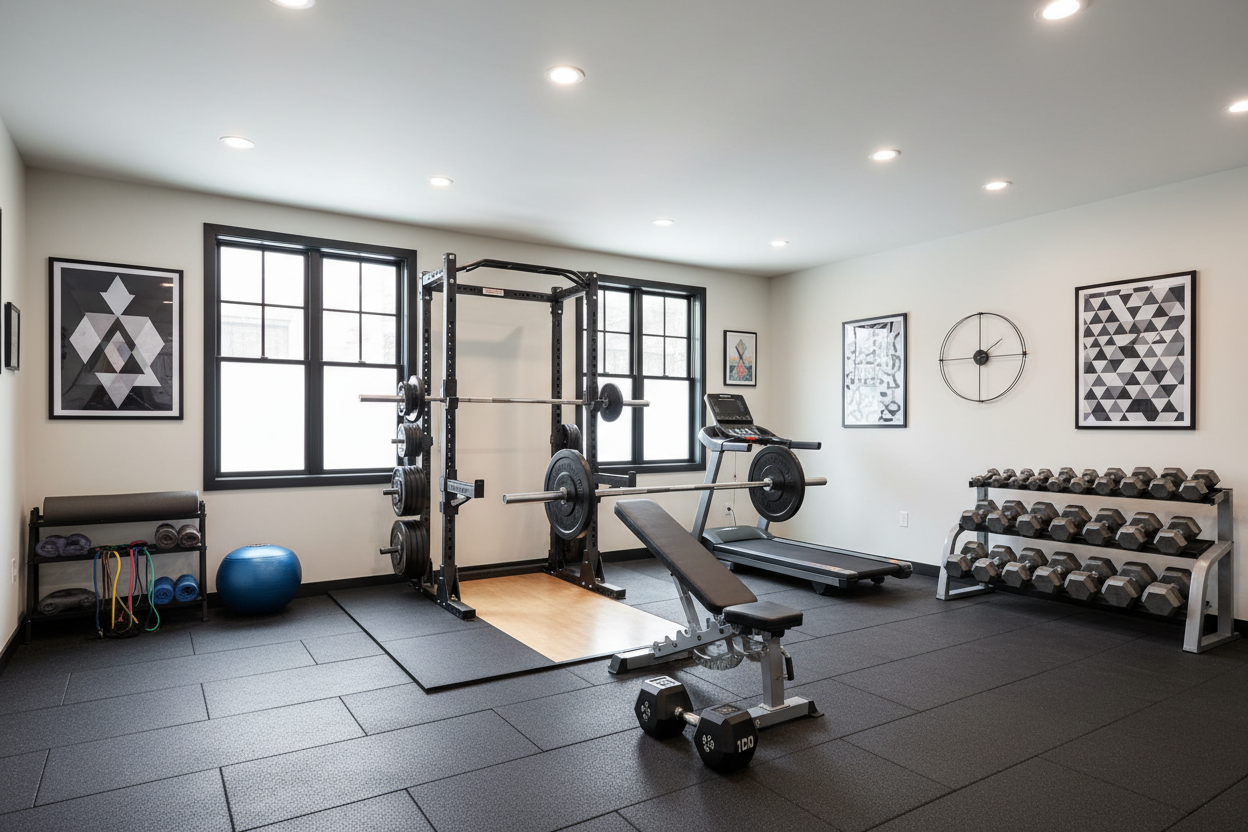
The commercial gym has rows of machines designed for one specific movement. In my garage, my power rack is the Swiss Army knife that I have to constantly fold and unfold. If you are tired of your pump dying while you hunt for a hitch pin, you need to change how you think about your bodybuilding workout list.
Quick Takeaways
- The 'Transition Penalty' is the biggest killer of home gym gains.
- Group your bodybuilding exercises by rack height, not just muscle group.
- Invest in a dedicated floor space for isolation work to keep the rack free.
- Prioritize movements that require zero setup changes between sets.
The Hidden Time-Suck of Garage Gym Hypertrophy
Most bodybuilding workout exercises are designed for a facility where you walk three feet to the next machine. In a garage, every exercise for bodybuilding usually requires a total teardown of your primary station. You finish your heavy sets, and instead of resting, you are stripping 315 pounds off a bar just to move the rack height up three inches.
This isn't just annoying; it's a physiological momentum killer. By the time you’ve reconfigured your safeties and found your lifting straps, your heart rate has bottomed out. You’ve lost the 'mind-muscle' connection everyone raves about because you’ve spent five minutes acting as your own equipment manager.
Why the Standard Exercise Bodybuilder Routine Fails at Home
The 'transition penalty' is real. When I first started running a high-volume bodybuilding workout list, my sessions were stretching toward the two-hour mark. I wasn't doing more work; I was just spending 40 minutes of that time shuffling plates and adjusting benches.
If your goal is hypertrophy, your rest intervals matter. When you have to move a 100-pound adjustable bench and three pairs of 45s just to get to your next lift, you aren't resting—you're doing low-grade cardio that saps the energy you need for your actual bodybuilding lifts.
The Problem with Constant Plate Shuffling
Moving from heavy squats to a complex hip hinge setup is the ultimate flow-killer. You’re gassed from the squats, and now you have to strip the bar to the floor for RDLs. This is why many people fail at the blueprint for massive growth; they lose the mental intensity before they even start their second movement.
I’ve found that the best exercises for bodybuilding are the ones that let you stay in the 'zone.' If I have to think about where I put my 2.5-pound change plates for ten minutes, the workout is effectively over in my head.
Anchor Movements: The Secret to Home Gym Flow
The fix is simple: sequence your best bodybuilding exercise by equipment height. I call these 'Anchor Movements.' If the bar is at chest height for overhead presses, my next three movements better be at chest height too. Think barbell rows, then maybe some weighted stretches or even specialized inner thigh exercises that you can do using the rack for balance.
By grouping your exercise list bodybuilding by setup rather than a strict 'chest day' or 'back day' machine circuit, you keep the intensity high. You can run a superset of three different movements without touching a single knob on your rack. That is how you actually build a body builder exercises routine that works in a small space.
Protecting Your Floor During High-Volume Supersets
Bodybuilding is about volume, and volume usually means moving fast. If you are doing rapid-fire bodybuilding exercises on bare concrete, you’re asking for a joint injury or a cracked slab. I learned the hard way that cheap puzzle mats slide around the moment you put any lateral force on them during a heavy set of lunges.
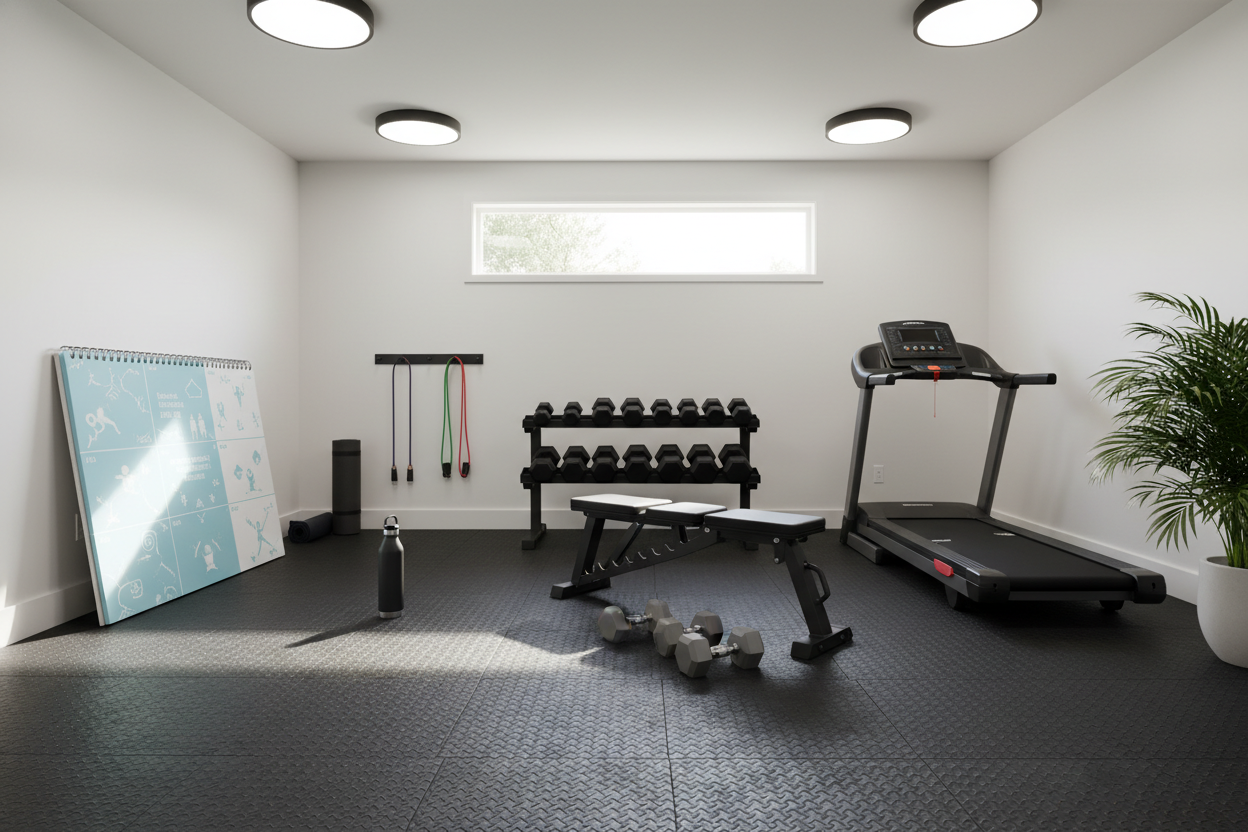
I eventually cleared a dedicated zone next to my rack and laid down a 6X8Ft Exercise Mat. Having a slip-free, high-density surface means I can drop dumbbells or jump into a superset without worrying about the floor or my ankles. It creates a 'work zone' that is separate from the rack, allowing for much faster transitions.
A Smarter List of Bodybuilding Exercises for Tight Spaces
Stop trying to mimic a 20,000-square-foot commercial gym. The best bodybuilding exercises for a garage are the ones that provide massive tension with minimal footprint. Think Bulgarian split squats instead of a leg press, or floor presses instead of a dedicated chest press machine.
Using the best large exercise mat you can find allows you to perform ground-based isolation moves—like lying leg curls with a dumbbell or glute bridges—without needing a $3,000 machine. This keeps your rack free for the big compounds and keeps your workout moving.
Stop Playing Gym Mechanic and Start Lifting
Your garage is a laboratory for muscle, not an equipment showroom. If you spend more time adjusting your gear than you do under the bar, you aren't training; you're just organizing. Accept the limitations of your 10x10 space. Optimize your exercise for bodybuilding around workflow and intensity. The pump doesn't care if you used a fancy machine or a barbell—it only cares that you didn't stop for ten minutes to move a J-cup.
FAQ
How do I do a bodybuilding split with only one barbell?
Focus on 'complexes' and 'supersets' that use the same weight or rack height. For example, do rows, then immediately go into RDLs. You don't need to change the weight or the rack, keeping the tension high and the 'transition penalty' low.
What is the most important piece of gear for a home bodybuilder?
Beyond the rack and bar, a high-quality adjustable bench and a durable floor mat are non-negotiable. You need a stable base for isolation movements, and concrete is too hard on the joints for high-volume work.
Can I really get a pro physique in a garage?
Absolutely. Some of the greatest physiques were built in dungeon-style gyms. The key is consistency and intensity, not having 50 different machines. Use your space efficiently and focus on heavy, high-tension movements.