I Tried a No-Press Shoulder Strengthening Program for 6 Weeks
I remember staring at my barbell last December, genuinely dreading the overhead press set on my program. Every rep felt like someone was driving a rusty nail into my AC joint, and the 'pop' I heard during warm-ups was getting louder every week. I realized I was forcing a movement my body currently hated.
Instead of pushing through the pain, I pivoted. I decided to scrap traditional 'pushing' movements entirely for a month and a half. I committed to a six-week shoulder strengthening program that replaced heavy pressing with isometric tension and loaded carries. Here is what happened when I stopped fighting the barbell and started walking with weight.
Quick Takeaways
- Isometric holds build massive rotator cuff stability without the joint shear of heavy eccentrics.
- Bottoms-up kettlebell work is the ultimate 'truth-teller' for shoulder alignment.
- Unilateral carries fix core imbalances and 'leaky' force production.
- Heavy-duty floor protection is mandatory when training overhead stability to failure.
Why My Shoulders Hated Standard Barbell Presses
Let’s be real: most of us have garbage overhead mobility. Years of benching and hunched-over desk work mean that when we try to lock out a heavy barbell, we arch our lower backs and grind our shoulder blades against the ribs. That’s exactly where I was. Every time I tried to build bulletproof joints with this shoulder strengthening program, I was actually just aggravating the inflammation.
The barbell locks your hands into a fixed position. If your glenohumeral joint doesn't have the internal rotation to handle that, something has to give. For me, it was the front of my shoulder. I needed a shoulder exercise program that allowed for more natural humerus movement while still loading the tissue heavily enough to spark a change.
How Walking With Weights Replaced My Overhead Lifts
The logic was simple: if I couldn't press weight up without pain, I would hold weight up and move my body underneath it. This is the magic of loaded carries. When you hold a kettlebell in a waiter's walk or a front rack position, your rotator cuff has to fire at a high frequency to stabilize the oscillating weight. It’s dynamic stability at its finest.
I found that finding the right shoulder strengthening exercise meant moving away from the 'up and down' and moving toward the 'hold and walk.' The constant tension forced my serratus anterior to actually do its job, keeping my shoulder blade glued to my ribcage rather than winging out like a broken bird.
The 3-Move Carry Routine That Saved My Joints
I ran this three days a week. No bench, no OHP, no incline. Just these three moves done with focused intensity.
First: Bottoms-up kettlebell walks. I used a 16kg (35lb) bell. Holding it upside down by the handle forces your grip to ignite and your shoulder to find its most stable center of gravity. If your alignment is off by even a millimeter, the bell flops over. I did 4 sets of 40 yards.
Second: Half-kneeling overhead holds. I’d take a 50lb dumbbell, get into a lunge position with one knee down, and press it once to the top. Then I’d just stay there for 45 seconds. This kills the 'ego' of the lift and forces your core to stabilize the weight without the help of your legs.
Third: Heavy unilateral farmer's carries. I grabbed a 85lb dumbbell in one hand and walked. The goal here is to keep your shoulders perfectly level despite the lopsided weight trying to pull you into a tilt. It’s a sleeper hit for traps and mid-back stability.
How to Save Your Garage Floor From Dropped Weights
Training carries to failure in a garage gym is a recipe for a cracked foundation. When your grip or your shoulder stabilizers give out during a waiter's walk, that weight is coming down fast. I learned the hard way that standard 1/2-inch stall mats aren't enough for a 50lb dumbbell dropped from seven feet up.
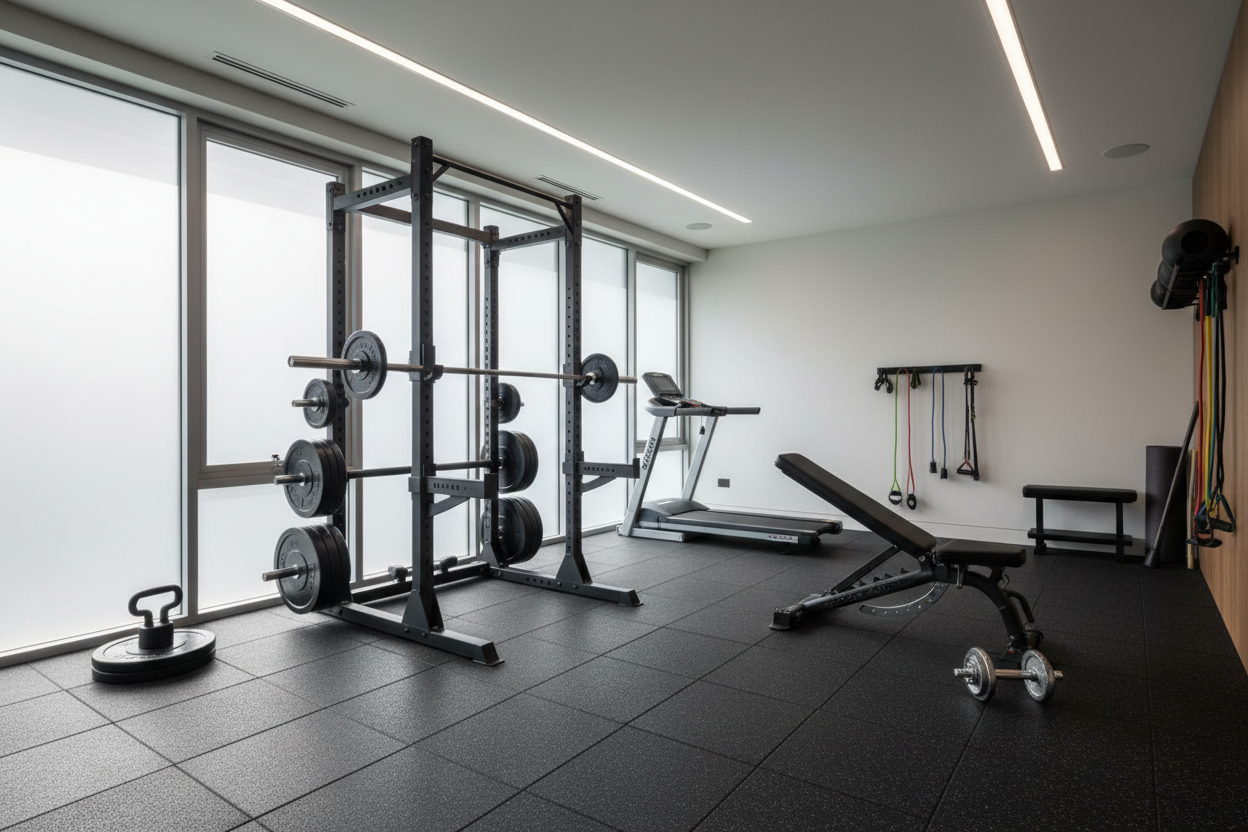
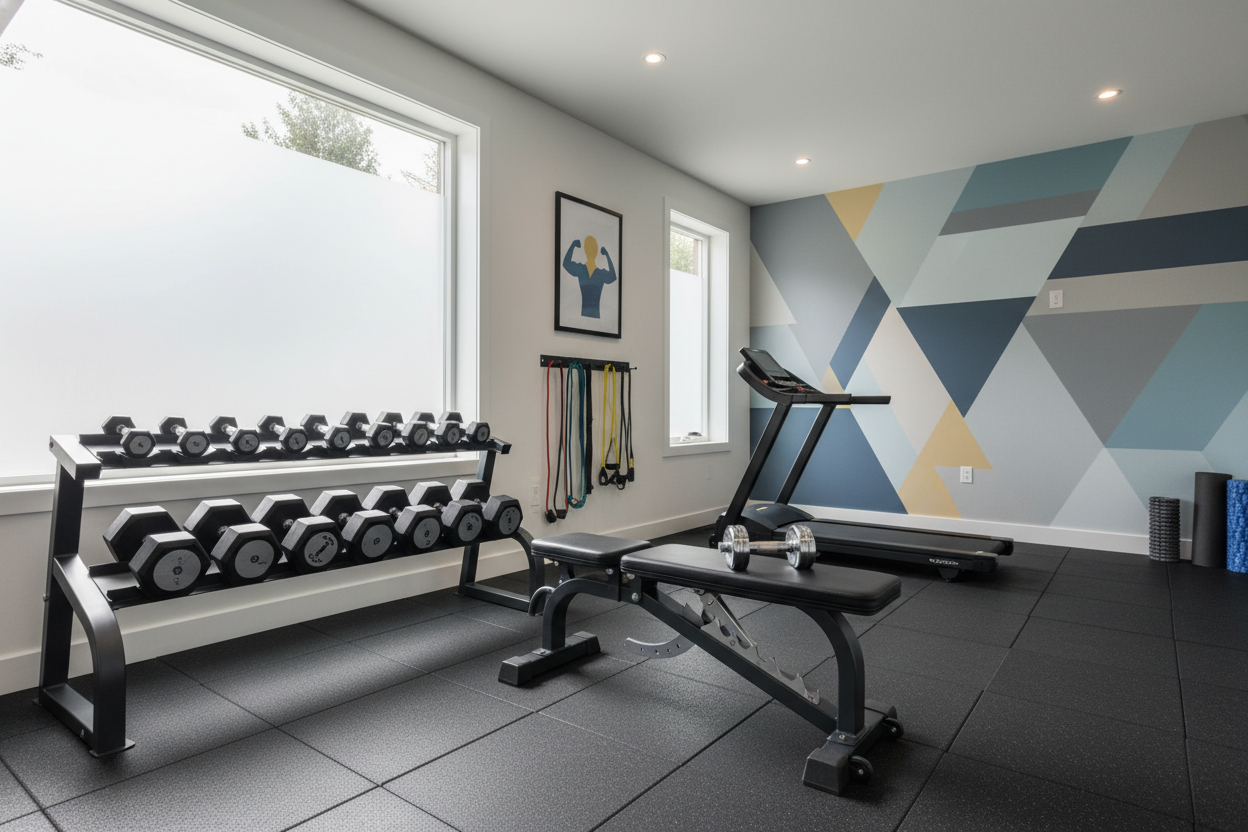
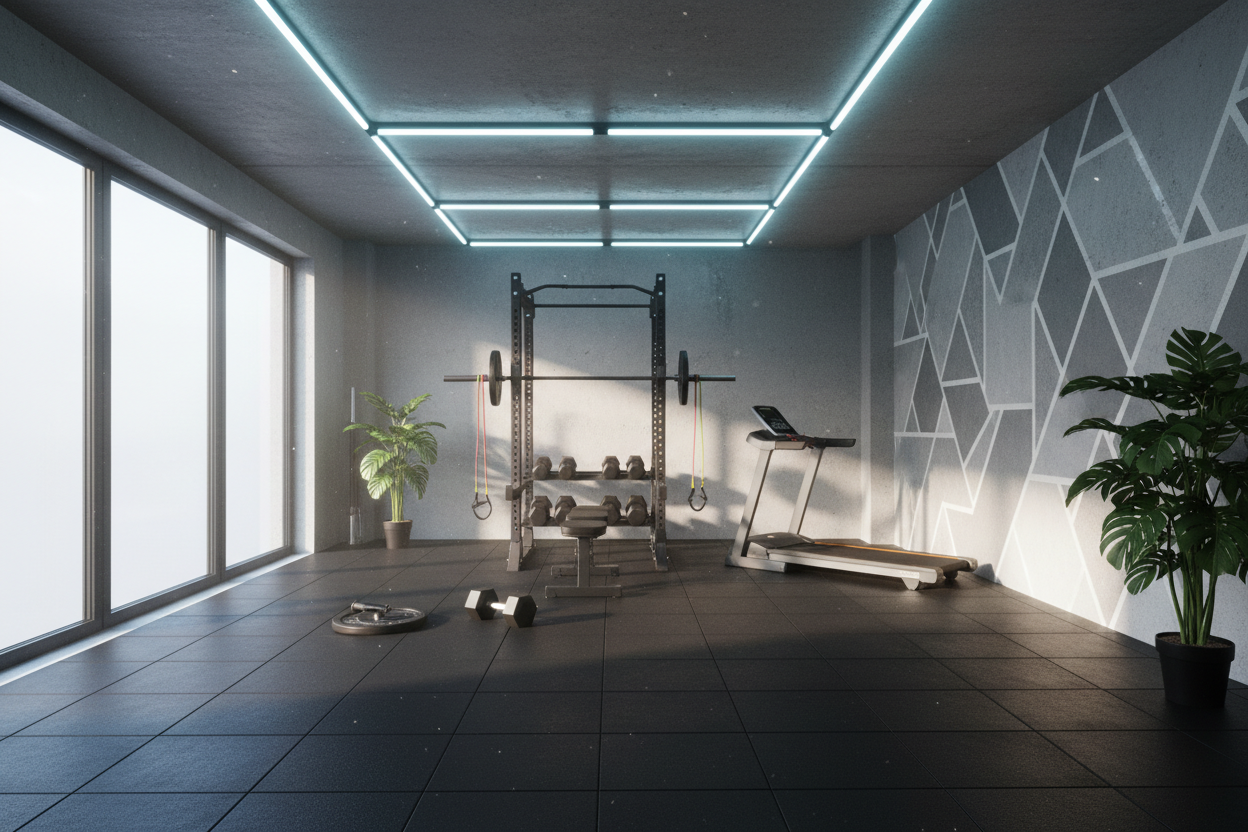
I ended up using a large exercise mat 6x4 as a dedicated 'drop zone' for my overhead holds. If you’re doing the walking portions across the length of your gym, you really need a full run of gym flooring for home workout to ensure you don't leave a trail of craters in your concrete. Trust me, your security deposit (or your spouse) will thank you.
Should You Ditch Your Regular Shoulder Exercise Program?
Am I saying you should never press again? Of course not. But most lifters treat their shoulder exercise program like a hammer, and every problem looks like a nail. Sometimes the nail is bent, and you need to straighten it before you keep hitting it.
After six weeks of carries and holds, I went back to the barbell. The results were wild. The 225lb press that used to feel shaky and painful felt like it was moving on tracks. My 'brakes'—the small stabilizing muscles—were finally strong enough to handle the engine. If your shoulders feel like they're full of sand, stop pressing and start carrying.
FAQ
Can I do this with dumbbells if I don't have kettlebells?
You can, but you'll miss out on the bottoms-up benefit. A dumbbell is balanced; a kettlebell is offset. That offset weight is what really forces the rotator cuff to wake up. Use KBs if you can.
Will my shoulders get smaller if I stop pressing?
I actually saw more 'pop' in my side delts. The time under tension during a 40-yard carry is significantly higher than a standard set of 8-10 presses. Your muscles won't shrink; they'll just get denser.
How heavy should I go?
For the overhead holds, start with 50% of your 1-rep max press. The goal isn't to survive; it's to maintain perfect, vertical alignment. If your ribs are flaring, the weight is too heavy.