I Tracked Exactly How Long to Look Like a Bodybuilder at Home
I remember sitting in my unheated garage three years ago, staring at a 12-week 'Mass Monster' PDF I’d just paid forty bucks for. I had a decent power rack, a barbell that had seen better days, and a burning desire to stop looking like a guy who just 'carried heavy groceries.' I wanted the capped delts and the sweeping quads. I wanted to know how long to look like a bodybuilder before I lost my mind training in the cold.
The fitness industry is a lie factory. It feeds on your impatience. After a decade of lifting and three years of dedicated hypertrophy work in my own driveway, I can tell you the timeline isn't 90 days. It isn't even a year. If you want to actually look like you compete, you need to stop thinking in weeks and start thinking in presidential terms.
Quick Takeaways
- 12-week transformations are 90% lighting, 5% dehydration, and 5% actual progress.
- Year one is about neural adaptations, not massive muscle tissue growth.
- Real muscle maturity—that 'dense' look—takes 3 to 5 years of consistent surplus.
- Stability is king; you can't build pro-level mass on a shaky floor or a cheap bench.
The 12-Week Transformation Scam
We’ve all seen the photos. A guy goes from 'dad bod' to 'Greek god' in three months. Here is what they don't tell you: the 'before' photo is taken after a week of high carbs, no sleep, and zero pump. The 'after' photo involves a professional spray tan, downward-angled lighting that creates artificial shadows, and a calculated 'pump' session right before the shutter clicks.
This creates a massive disconnect for home lifters. You’re grinding out reps on a Tuesday night, looking in a mirror under a single fluorescent bulb, wondering why you don't look like the guy in the ad. This is not how bodybuilders build muscle naturally. They build it through boring, repetitive cycles of eating and lifting that would put a monk to sleep. The 'transformation' is just the final reveal of years of work, usually aided by a harsh caloric deficit to show the muscle that was already there.
Year One: The 'Newbie Gains' Illusion
In your first year, you will feel like a superhero. Your bench press will jump 50 pounds in a few months, and your sleeves will feel tighter. This is the honeymoon phase where you learn how to work out like a bodybuilder. But don't be fooled—most of that initial 'size' is just your muscles learning to store more glycogen and water to keep up with the new demand.
Your Central Nervous System (CNS) is doing the heavy lifting here. It’s getting more efficient at recruiting the muscle fibers you already have. You aren't necessarily growing massive amounts of new tissue yet; you're just optimizing the factory. If you gain 20 pounds in your first year, maybe 5 to 7 pounds of that is actual, dry contractile tissue. The rest is fluff, and that's okay. It’s the foundation you need for the slog ahead.
Years Two Through Five: The Hypertrophy Slog
This is where most people quit. The rapid strength gains of year one vanish. Now, you’re fighting for an extra five pounds on the bar every month. This is the phase where you actually learn how to get big like a bodybuilder. It requires eating when you aren't hungry and training when the garage is freezing. You have to be obsessed with the micro-progression.
To truly build a big chest for men, for example, you can't just bench for a few months. You need hundreds of sessions of high-volume incline presses, weighted dips, and flyes. You need to add thickness to the upper pecs that only comes from years of repetitive tension. By year three, your physique starts to take on a 'hardened' look. The muscle looks like it’s actually attached to your frame, rather than just sitting on top of it. This is muscle maturity, and there are no shortcuts to it.
The Unsexy Reality of Training for Mass
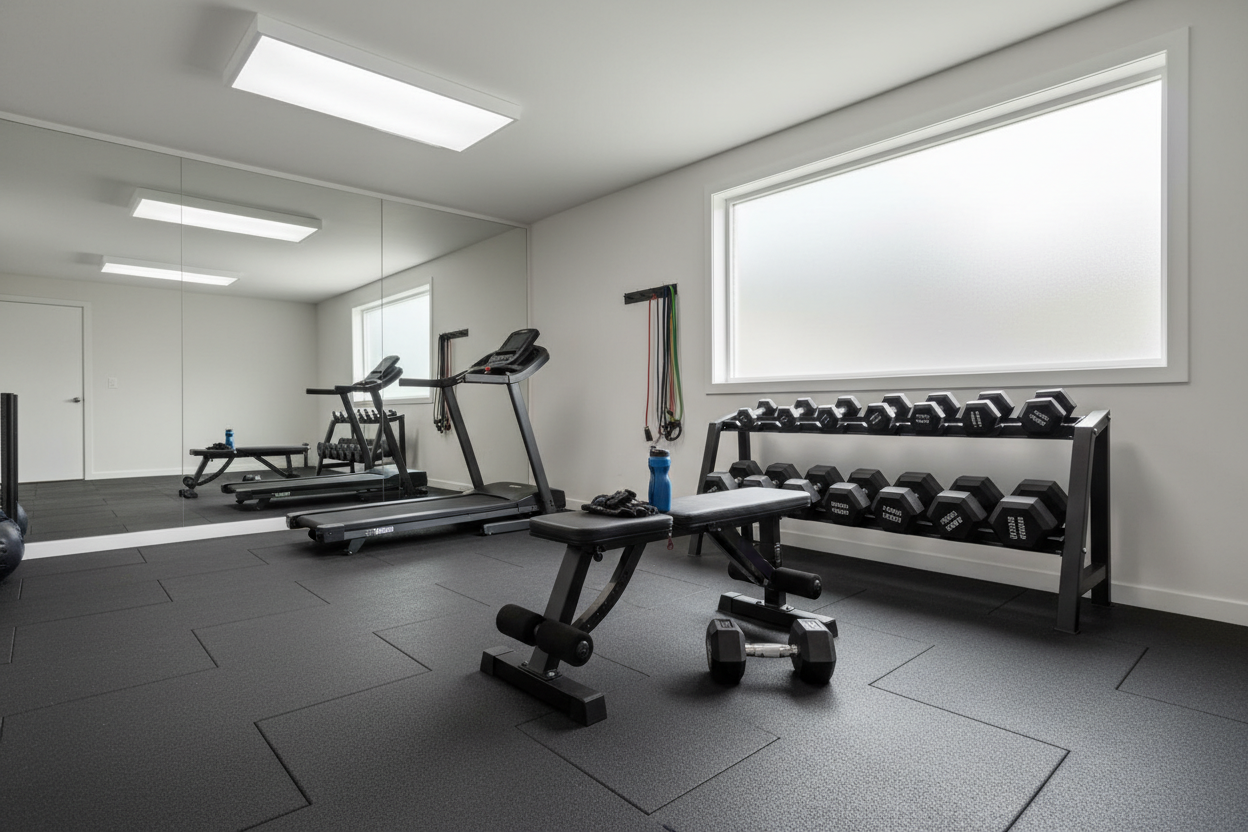
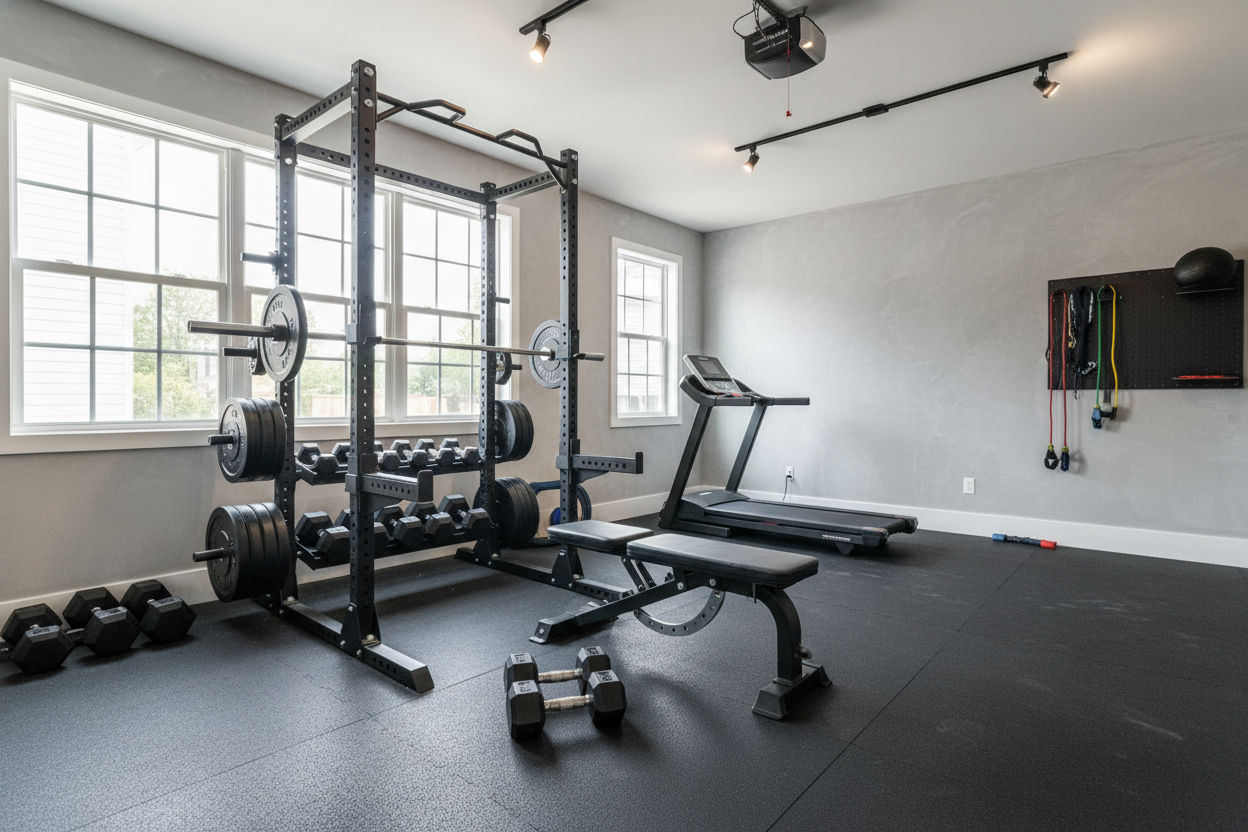
You don't need a $5,000 cable crossover machine to look like a pro. You need a stable surface and heavy weights. I wasted a year trying to do 'fancy' isolation work on a floor that was slick and uneven. My growth exploded when I invested in a massive, stable footprint. If you're doing heavy rows or overhead presses, you need extra wide 7 feet exercise mats to ensure you aren't slipping mid-rep. Stability equals force production.
If you want to how to lift like a bodybuilder, stop chasing the 'burn' with pink dumbbells. You need to move heavy weight through a full range of motion. To build legs that actually work and look the part, you need to squat deep on a surface that doesn't compress. I’ve seen guys try to build quads on 1/2-inch foam tiles that shift under a 315-lb load. It’s dangerous and it kills your gains. Get a solid mat, get a heavy barbell, and get comfortable being uncomfortable.
Why the Barbell is the Only Metric That Matters
After five years, the mirror becomes a liar. You’ll have days where you feel small or 'flat' because of your salt intake or stress levels. This is why your logbook is your only true friend. If your 10-rep max on the row has gone from 135 to 225 over three years, you are bigger. Period. The muscle has to exist to move that weight.
Stop looking for the 12-week miracle. Stop buying the 'secret' supplements. Focus on the five-year horizon. If you can stay consistent in your garage gym for 1,500 days, you won't just look like a bodybuilder—you’ll have the strength and the discipline that most of those 'transformed' influencers could only dream of. The iron doesn't lie, even when the lighting does.
FAQ
Can I look like a bodybuilder training only at home?
Yes, provided you have enough weight and a stable place to lift it. You need a rack, a barbell, and at least 300 lbs of plates. If you're trying to build a pro physique with 20-lb dumbbells, you're going to be disappointed.
How many days a week should I lift for mass?
For most naturals, 4 to 5 days is the sweet spot. You need the recovery time. Training 7 days a week usually leads to joint inflammation and burnout before you ever see real hypertrophy.
Do I need to take supplements to get the bodybuilder look?
Creatine and protein powder help, but they are maybe 5% of the equation. If your sleep and your total caloric intake aren't dialed in, a $60 pre-workout isn't going to save your physique.
Is cardio going to kill my muscle gains?
Only if you're running marathons while trying to bulk. Low-intensity steady-state cardio (like walking) actually helps recovery by increasing blood flow to the muscles you've trashed in the gym.