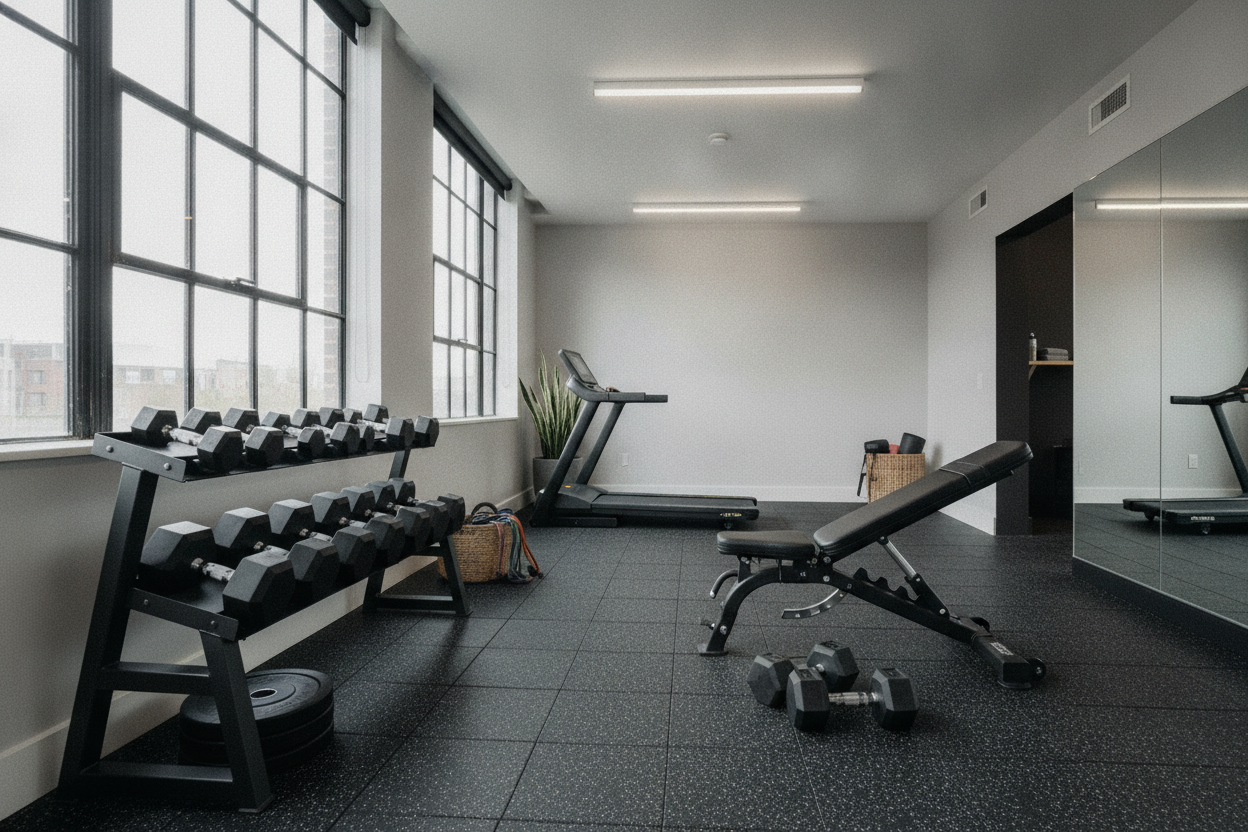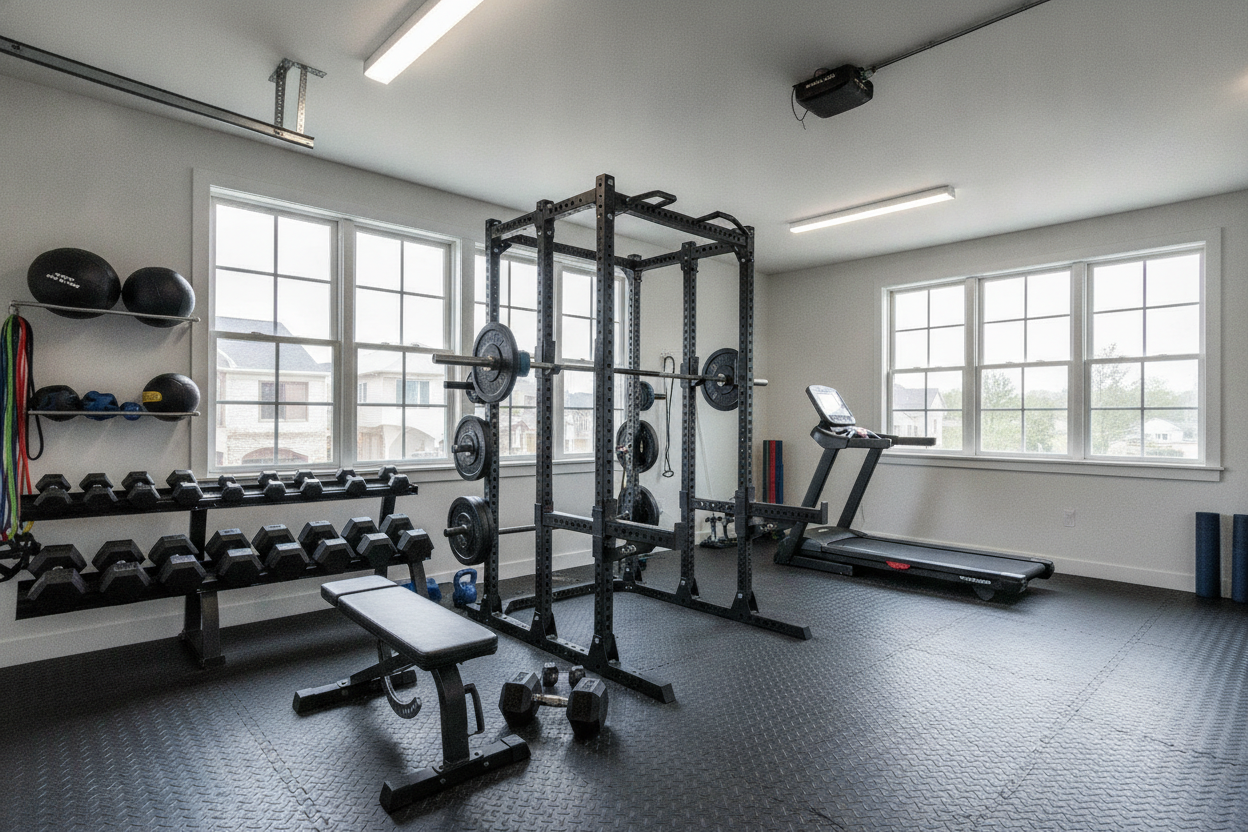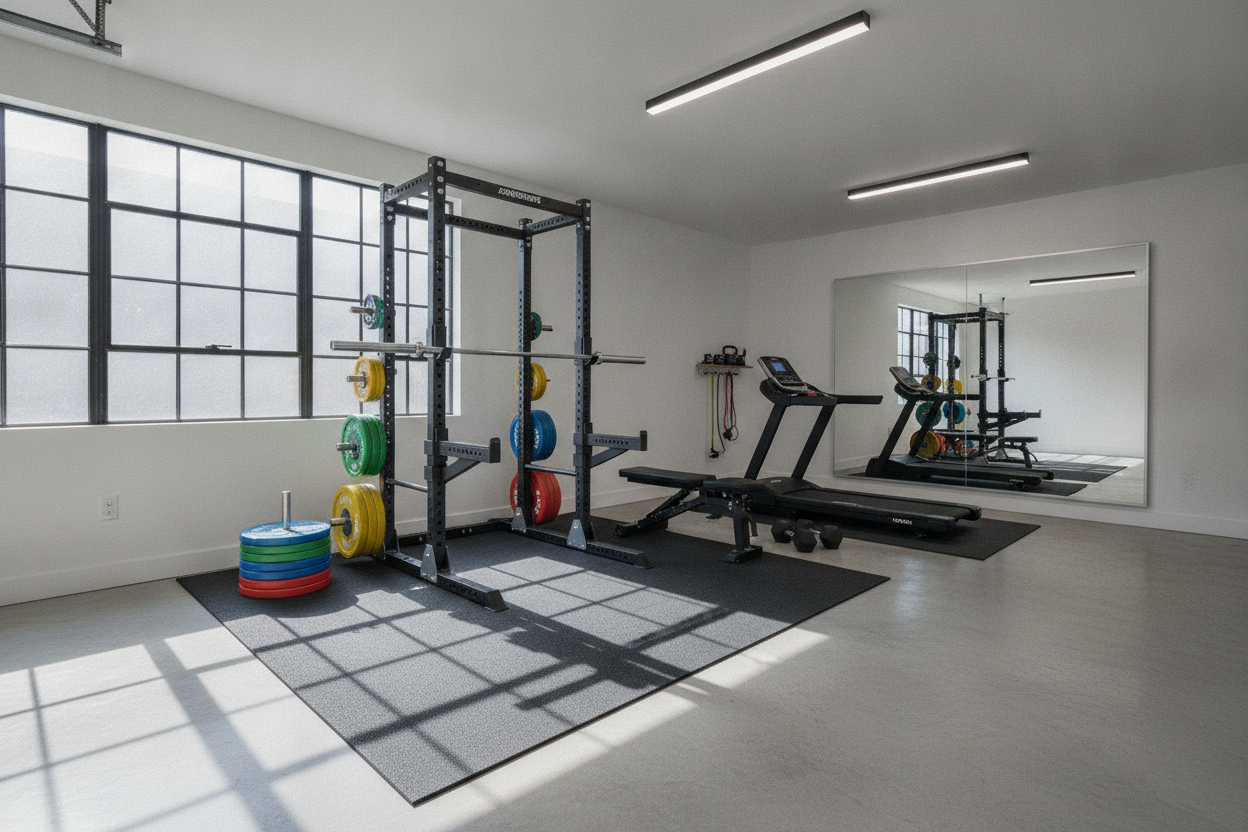
I Toured Strength and Body Greensboro to Steal Their Equipment Layout
I’ve spent the last decade dragging heavy things across my garage floor. Usually, I’m tripping over a flat bench or a stray 45-lb plate because I tried to cram too much gear into a 200-square-foot space. I decided to stop guessing and drove down to check out strength and body in North Carolina to see how the pros handle a high-performance layout without the clutter.
Most commercial gyms are designed to sell memberships, not to build muscle. They prioritize rows of useless ellipticals over squat racks. But independent spots like the strength and body gym greensboro are different. They have to maximize every square inch of rubber flooring to keep their members coming back, and that efficiency is exactly what a home gym owner needs.
- Prioritize 3x3 inch, 11-gauge steel racks for ultimate stability and safety.
- Leave at least 3 feet of 'dead space' around your main lifting platform to avoid feeling claustrophobic.
- Consolidate leg machines to single-footprint units that offer multiple movements.
- Invest in high-density rubber to save your concrete and your joints from heavy impact.
Why I Drove to North Carolina Just to Look at a Gym
There is a specific kind of energy at strength and body greensboro nc that you just don’t find at the big corporate chains. It’s the sound of calibrated plates clanking and the smell of actual work. I went there because the local lifting community talks about this place like it’s a holy site for PRs, and I wanted to know if the equipment lived up to the hype.
Independent gyms are forced to be efficient. If a piece of equipment doesn’t get used, it’s gone. If a layout causes a bottleneck during a peak-hour workout, they fix it. I wanted to see how they managed to fit heavy-duty power racks and specialized machines without making the place feel like a hoarder’s basement. What I found was a masterclass in 'work zones'—dedicated areas where you have everything you need for a specific lift within arm's reach.
The owner didn't just buy a catalog; they curated the floor. In a world of cheap, bolt-together racks that wobble if you breathe on them too hard, seeing a row of rock-solid stations was a reminder that your foundation matters more than your accessories. If you're building a home gym, you shouldn't be looking at what the local YMCA is doing. You should be looking at places like this.
Analyzing the Strength and Body Photos vs. Real Life
I spent hours scrolling through strength and body photos before I hopped in the car. On Instagram, everything looks perfectly spaced and clean under the right filters. In reality, the gym is gritty, but the flow is even better than the pictures suggest. They’ve mastered the 'station' concept, which is the secret to a functional home setup.
A lot of home gym owners make the mistake of putting their rack right in the center of the room because it’s the centerpiece. At this facility, they push the heavy iron to the perimeter. This keeps the center open for lunges, accessory work, or just breathing between sets. It’s a lesson in floor management that I immediately applied to my own 12x20 garage setup. When you move the rack to the wall, the room suddenly feels twice as big.
The lighting also plays a role, but not for aesthetics. It’s about safety. They have clear, overhead light at every lifting station so you can see your foot placement and your bar path. When I got home, the first thing I did was swap out my single dim bulb for high-output LED shop lights. It’s a small change, but it makes the space feel like a professional facility rather than a dark corner of the house.
The Equipment Blueprint: What to Steal for Your Garage
The core of their success is the quality of their Strength Equipment. They don’t mess around with thin-walled tubing or cheap bolts. You see 11-gauge steel everywhere because it doesn’t wobble when you’re re-racking 405 lbs. That’s the kind of confidence you need when you’re training alone in a garage.
If you’re building your own strength and body gym, start with a solid power rack and a multi-grip pull-up bar. Don’t buy the $200 specials on Amazon; they’ll feel like wet noodles within six months. Look for racks with 1-inch hole spacing through the bench zone—often called Westside spacing—so you can actually set your safeties where you need them. I’ve seen too many people struggle with safeties that are either too high to touch their chest or too low to actually save their neck.
They also prioritize versatility. Every bench is an adjustable incline/decline model. Every barbell is a multi-purpose bar with decent knurling. In a small space, a piece of gear that only does one thing is a luxury you can't afford. I’d rather have one high-end Ohio bar than three cheap bars that are going to rust and bend the first time you drop them.
Don't Ignore Leg Day: Space-Saving Alternatives
The Greensboro facility has some massive pieces, but they choose them wisely. For a home setup, a full-sized commercial leg press is usually a deal-breaker—it takes up the space of three racks. Instead, I looked at how they utilize a Lower Body Strength Machine that doubles as a hack squat or a sissy squat station.
I once bought a cheap leg extension machine that took up half my garage and had a weight ratio that felt like pulling through mud. Don’t do that. Find a unit with a small footprint that allows for multiple movements, or stick to a high-quality landmine attachment for your squats and lunges. The goal is to get the stimulus without losing the ability to park your car if you absolutely have to. A good leg day shouldn't require a 500-square-foot annex.
The Floor Plan: Why You Need Space to Breathe
One thing that hit me immediately about the strength & body approach was the flooring. They aren’t using those cheap foam puzzle mats that shift and tear the moment you try to pivot. They use thick, industrial-grade rubber that absorbs the shock of a dropped deadlift without waking up the neighbors or cracking the slab.
For my home setup, I realized I didn't need to floor the entire garage with expensive custom tiles. Using a 6X8Ft Exercise Mat Yoga Mat Gym Flooring For Home Workout under the rack provides enough grip and protection for 90% of my heavy lifts. It defines the 'work zone' and prevents the rest of the garage from becoming a cluttered mess. Plus, it’s a lot easier to clean than raw concrete.
Reading the Strength and Body Reviews: Do Members Actually Get Stronger?
I spent some time digging through strength and body reviews to see what people actually liked. It wasn't the fancy lighting or the music. Members consistently praised the fact that they never have to wait for a rack and that the equipment is always in working order. That’s a layout and maintenance win.
The reviews also mention the 'no-nonsense' atmosphere. In a home gym, you are the culture. If your gear is disorganized or your space is cramped, your motivation will tank. By mimicking their layout, you’re removing the friction that stops you from training on those cold Tuesday mornings when you’d rather stay on the couch. If the gear is ready to go, you're more likely to actually use it.
I also noticed several mentions of the variety of bars. People love having access to safety squat bars and trap bars. For a home gym, these are 'Phase 2' purchases. Once you have your rack and your plates, adding a specialty bar can completely change the stimulus of your training without requiring any extra floor space. It's the smartest way to expand your 'strength and body' capabilities.
Recreating the Strength and Body Gym Greensboro Vibe at Home
You don't need 5,000 square feet to get the strength and body gym greensboro feel. You just need to be intentional. Stop buying 'gadgets' and stick to the heavy hitters: a rack, a barbell, some plates, and a solid bench. Everything else is just noise that clutters your mind and your floor.
When you're ready to pull the trigger on your own setup, check out this guide on Choosing The Best Home Gym Setup For Strength And Full Body Workouts. It breaks down the math on what you actually need versus what the marketing departments want you to buy. Keep it simple, keep it heavy, and keep the floor clear. Your future self—and your PRs—will thank you.
FAQ
Is 11-gauge steel really necessary for a home gym?
If you plan on lifting heavy or want your rack to last forever, yes. 14-gauge is fine for light accessories, but for a squat rack, the extra stability and weight capacity of 11-gauge is worth the investment. It won't walk across the floor when you re-rack a heavy bar.
How much space do I need for a deadlift platform?
Ideally, you want an 8x6 foot area. This gives you enough room for a standard 7-foot Olympic bar and some 'buffer' space so you aren't hitting the walls if the bar rolls slightly after a heavy set. If you're tight on space, a 6x4 mat can work, but it's tight.
Can I get a good workout with just a power rack?
Absolutely. A power rack is the most versatile piece of equipment you can own. Between pull-ups, squats, presses, and rows, you can hit every muscle group effectively in a single 4x4 foot footprint. It’s the first thing you should buy, and the last thing you should ever sell.