I Tested the Leg Workouts Women's Health Pushes (Here's the Truth)
I’ve spent way too much time scrolling through glossy fitness spreads while resting between sets of heavy deadlifts in my garage. Usually, the leg workouts women's health magazines recommend look more like a rhythmic gymnastics warm-up than a strength routine. I decided to take these high-rep, 'toning' circuits and put them through the ringer on my own turf to see if they actually hold up when you’re looking for real muscle growth.
Quick Takeaways
- Bodyweight circuits are excellent for mobility but often lack the mechanical tension needed for hypertrophy.
- Mainstream routines frequently over-emphasize the 'burn' over actual progressive resistance.
- Swapping floor-based movements for loaded machine work drastically improves results.
- You don't need 50 reps to see a change; you need 8 to 12 reps with actual weight.
Why I Decided to Put Magazine Routines on Trial
There’s a specific kind of frustration that comes from seeing 'sculpting' routines that avoid heavy iron like the plague. For a long time, I Quit Mainstream Women's Health Strength Training (Here's Why) because the endless circuits felt like a waste of time. I wanted to see if a standard women's health legs workout could be salvaged if I applied the principles of actual strength training.
I took a week to run these routines exactly as written. No extra plates, just the high-rep bodyweight stuff. By Wednesday, my heart rate was up, but my muscles felt bored. It became clear that while these movements are great for breaking a sweat, they aren't enough to trigger the kind of adaptation most of us are actually looking for in a home gym setting.
The 'Burn' vs. Real Mechanical Tension
We’ve been conditioned to think that if a muscle stings, it’s growing. That 'burn' is usually just metabolic stress—lactic acid building up because you’re doing 40 reps of a donkey kick. While that has some value, it’s not the primary driver of strength. Real growth comes from mechanical tension, which requires you to move a load that actually challenges your structural integrity.
When I tested these leg exercises women's health experts suggest, I noticed a total lack of eccentric loading. You’re moving so fast through the circuit that you lose the most important part of the lift: the controlled descent. If you want legs that look like they actually lift, you have to slow down and add resistance.
How I Upgraded These Routines for My Garage Gym
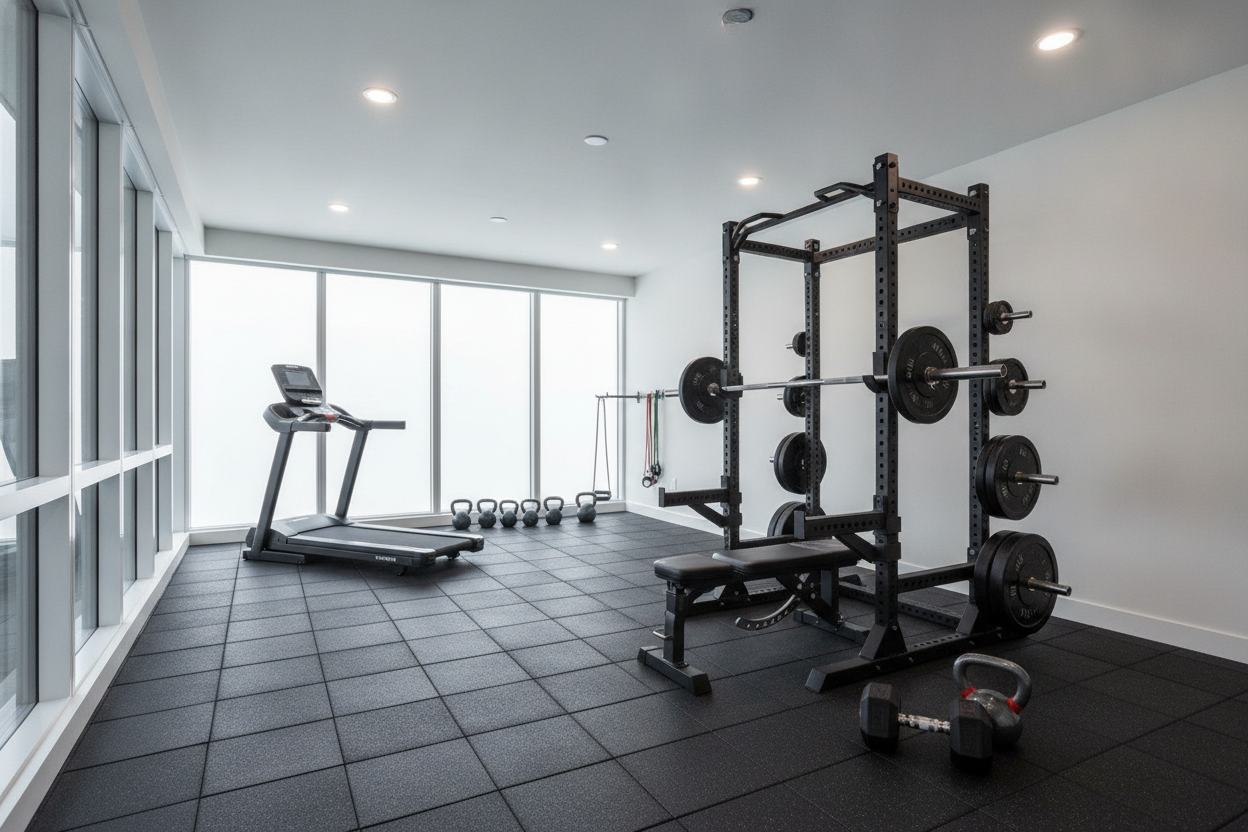
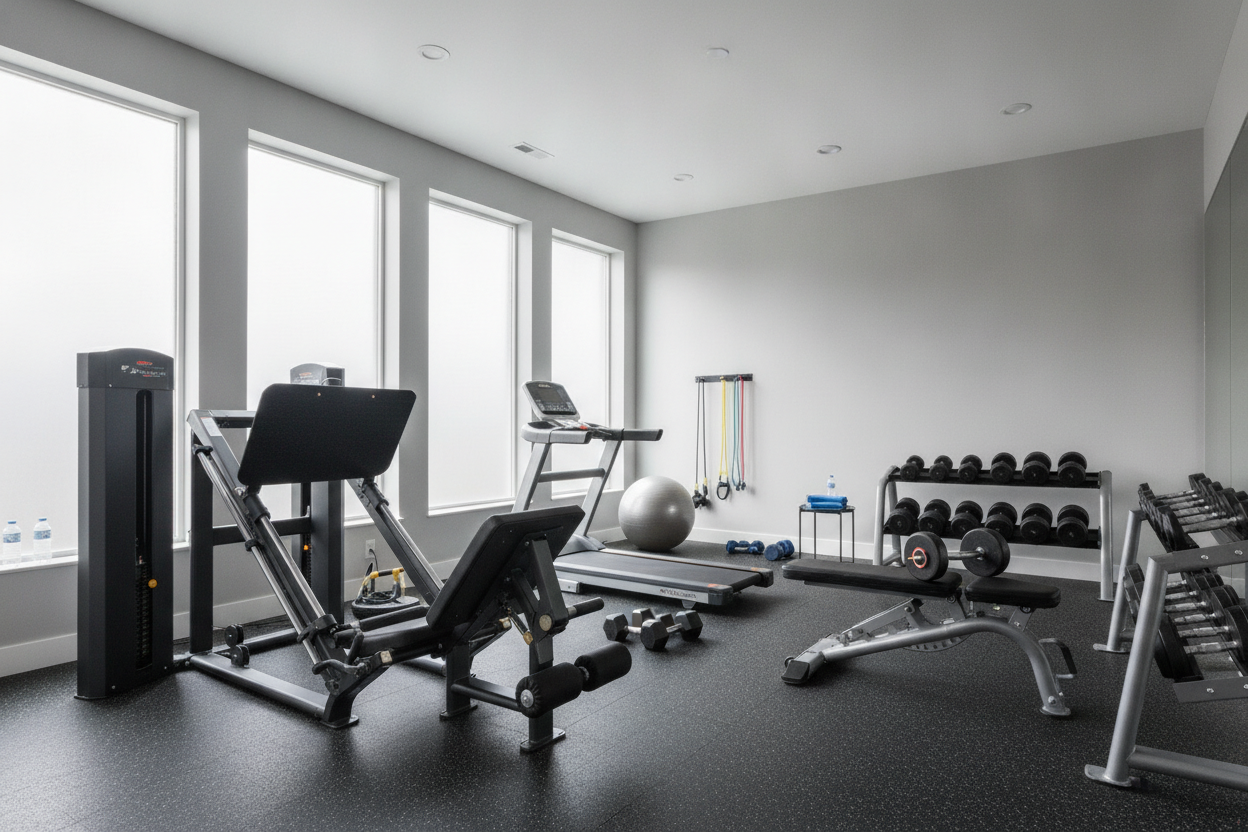
I didn't throw the baby out with the bathwater. Instead, I took the basic movement patterns—squats, hinges, and lunges—and moved them off the yoga mat. To get real results, I transitioned from floor exercises to a dedicated Leg Machine. This allowed me to actually track my progress with numbers rather than just 'feeling the vibe.'
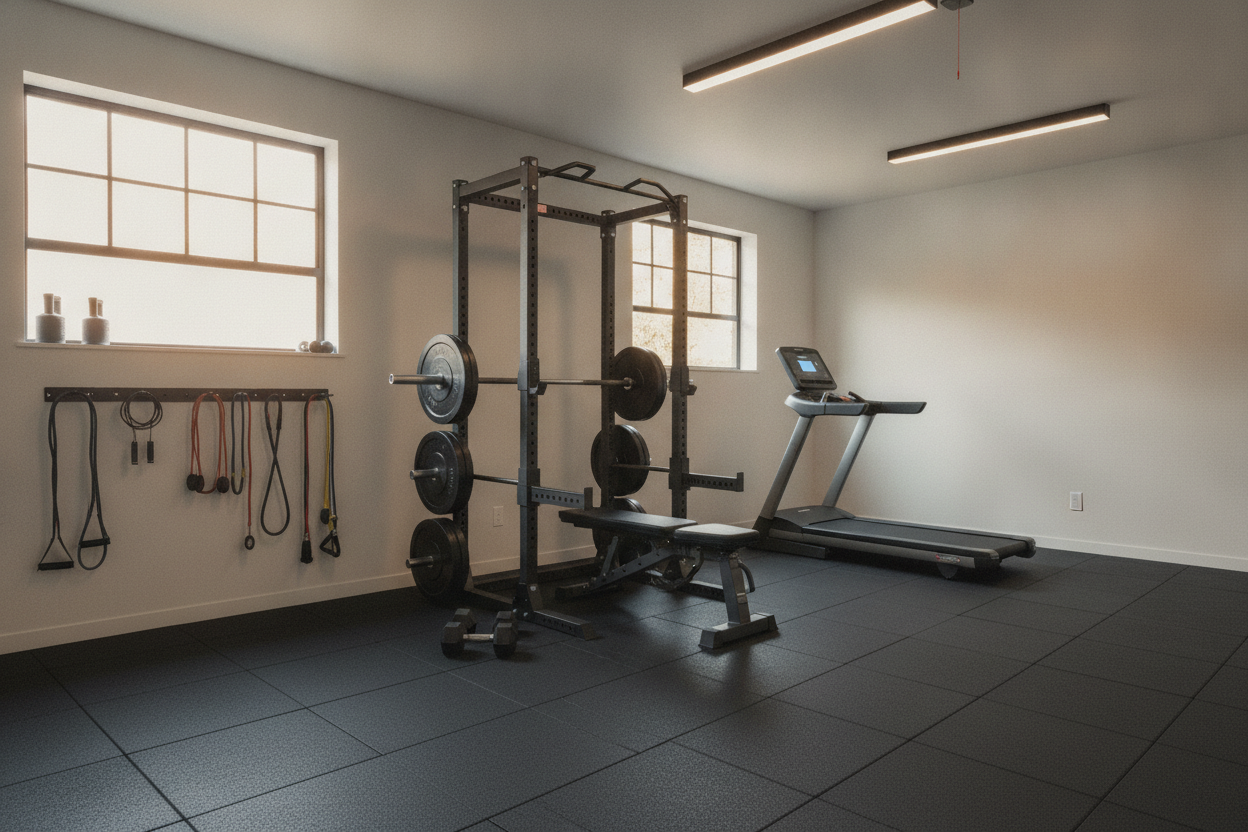
By adding external load, I turned a 20-minute cardio session into a legitimate hypertrophy block. The difference in muscle fiber recruitment is night and day when you stop guessing and start loading. My garage gym isn't just for show; it's for moving weight that makes me slightly uncomfortable.
Swapping Air Squats for Real Machine Work
The original routine called for 'pulsing air squats' for sixty seconds. In my world, that’s just a warm-up. I swapped that fluff for heavy sets on the Gxmmat Leg Extension Curl Machine. This machine is a beast because it lets you isolate the quads and hamstrings without your lower back giving out first.
Using a machine meant I could take my quads to absolute failure safely. When you're just doing bodyweight squats, your lungs or your balance usually fail before your legs do. Loading up the extension and curl meant I actually felt the deep muscle fatigue that leads to a better physique and stronger joints.
The Final Verdict on Mainstream Lower Body Days
Most of these routines are a fine starting point if you’re coming off the couch, but they shouldn't be the finish line. They lack the intensity required for long-term body composition changes. If you have the equipment, use it. Don't be afraid to put the magazine down and pick up a barbell.
If you're looking for the few mainstream moves that actually survive the transition to heavy lifting, check out How to Get Stronger With Four Simple Moves Women's Health Experts Love. Use the magazines for inspiration, but use the iron for results. Your legs will thank you when you're actually able to climb a flight of stairs without your knees clicking.
Personal Experience: My Biggest Mistake
I used to think that 'more' was 'better.' I once spent an entire summer doing 100 lunges a day because a magazine told me it would 'lean out' my legs. All I got was a nasty case of patellar tendonitis and zero muscle growth. It wasn't until I cut the reps in half and tripled the weight that my legs actually started to change shape. Lesson learned: intensity beats volume every single time.
FAQ
Can I do these leg workouts if I only have dumbbells?
Absolutely. Just make sure the dumbbells are heavy enough to make the last two reps of every set feel like a struggle. If you can do 20 reps easily, the weight is too light.
How many times a week should I train legs?
Two to three times is plenty. Your muscles grow while you're resting, not while you're training. If you're hitting them with real weight, you'll need at least 48 hours of recovery between sessions.
Will using machines make me less functional?
No. 'Functional' training is a buzzword. Building strong quads and hamstrings on a machine makes you more functional in real life because you'll have the horsepower to move your own body weight more efficiently.