I Tested 15 Home Gym Machines – Here's What Actually Works
After converting my spare bedroom into a home gym last year, I quickly realized that choosing the right equipment can make or break your fitness routine. The market is flooded with options, and I've personally tested everything from compact resistance systems to full-scale power racks. What I discovered is that the best home workout machine isn't necessarily the most expensive one – it's the one you'll actually use consistently.
The truth is, there's no single "best" home fitness machine that works for everyone. Your ideal setup depends on your goals, available space, and budget. However, some home exercise systems consistently outperform others in terms of versatility, durability, and results. Let me walk you through what I've learned from both research and real-world experience.
Understanding Your Home Workout Needs
Before you invest in any equipment, you need to be honest about your fitness goals. Are you looking to build muscle, improve cardiovascular health, or maintain general fitness? This question drives everything else. I made the mistake of buying a treadmill first, only to realize that strength training was what I actually needed for my goals.
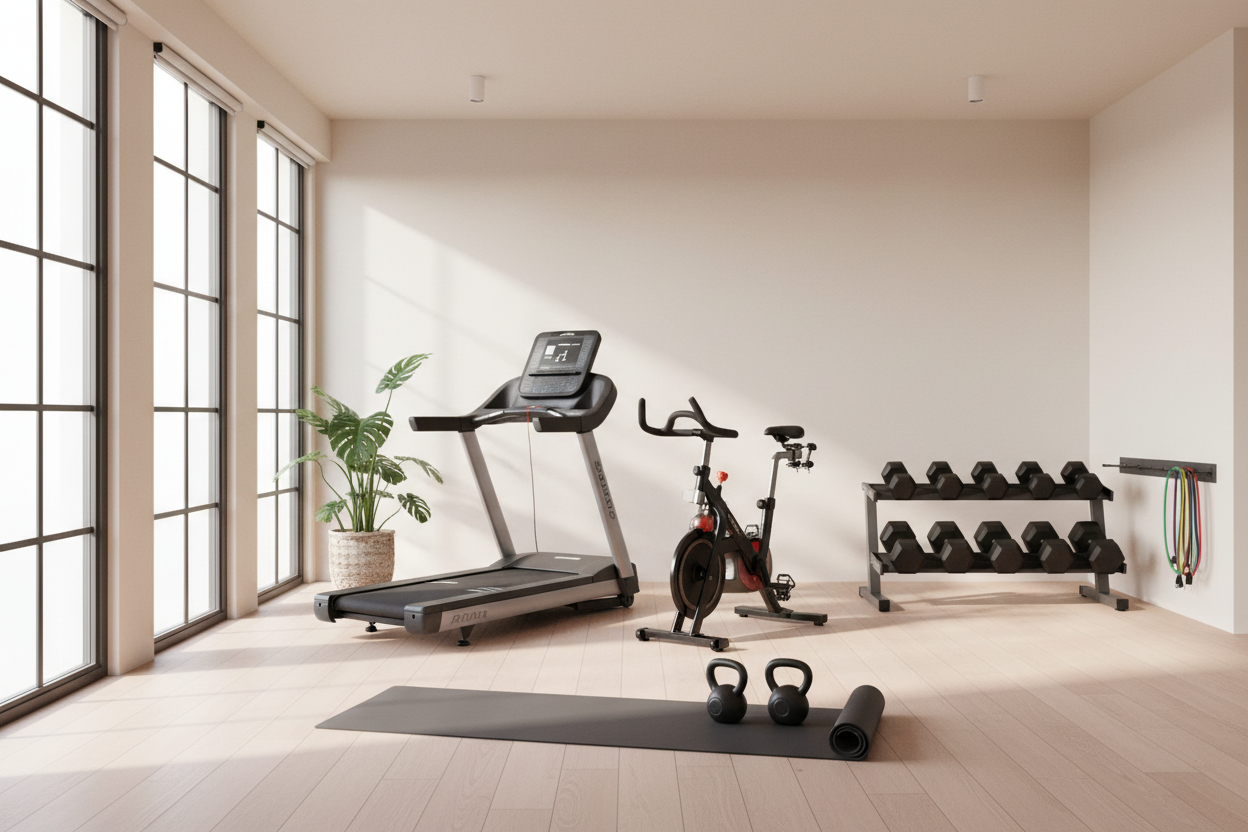
Space is another critical factor. My bedroom gym is only 10x12 feet, which forced me to be strategic. The beauty of modern home workout systems is that many are designed for compact spaces. Some fold away, others mount to walls, and the best ones maximize vertical space rather than eating up your floor area.
The Top Contenders for Best Home Workout Machine
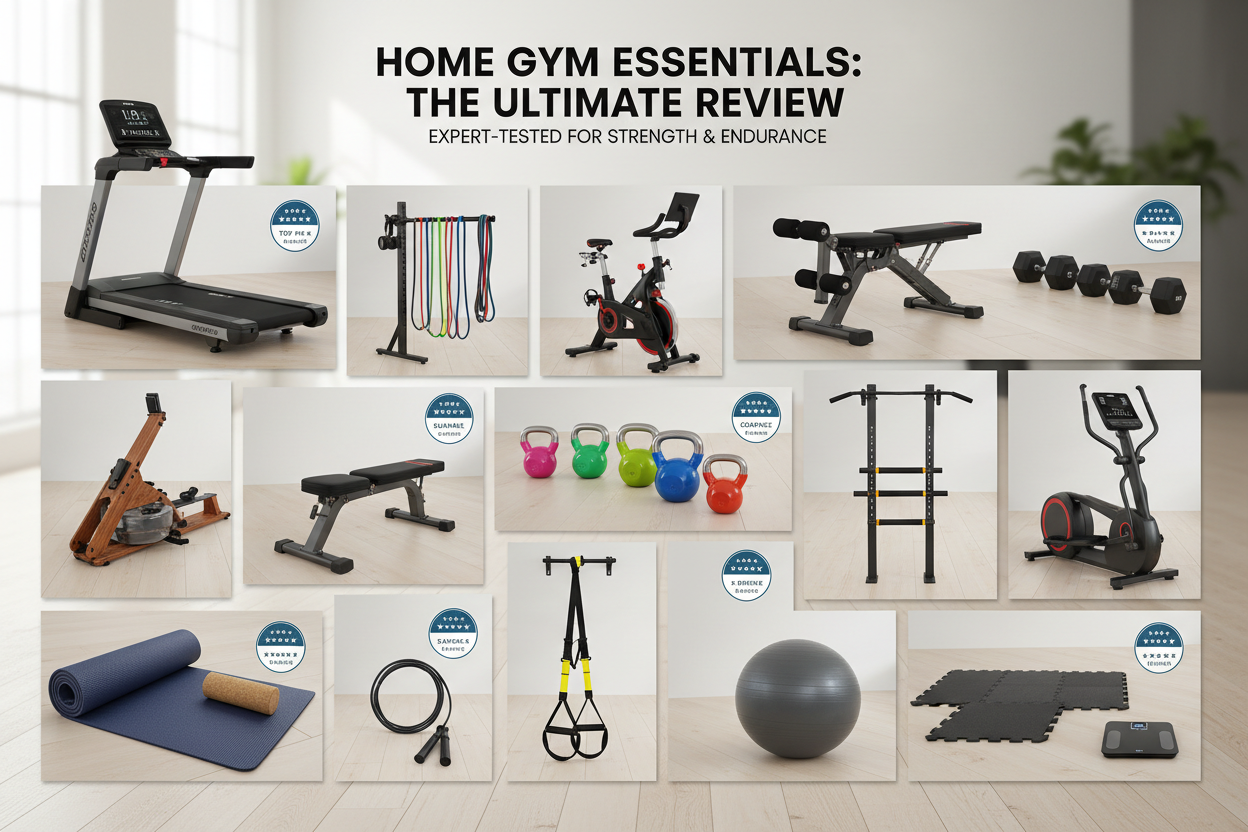
After extensive testing, a few categories of equipment stand out. Cable-based home exercise systems offer incredible versatility. These machines use adjustable pulleys and weight stacks to provide hundreds of exercise variations. Brands like Bowflex and Total Gym have refined these systems over decades, and they genuinely deliver on their promises.
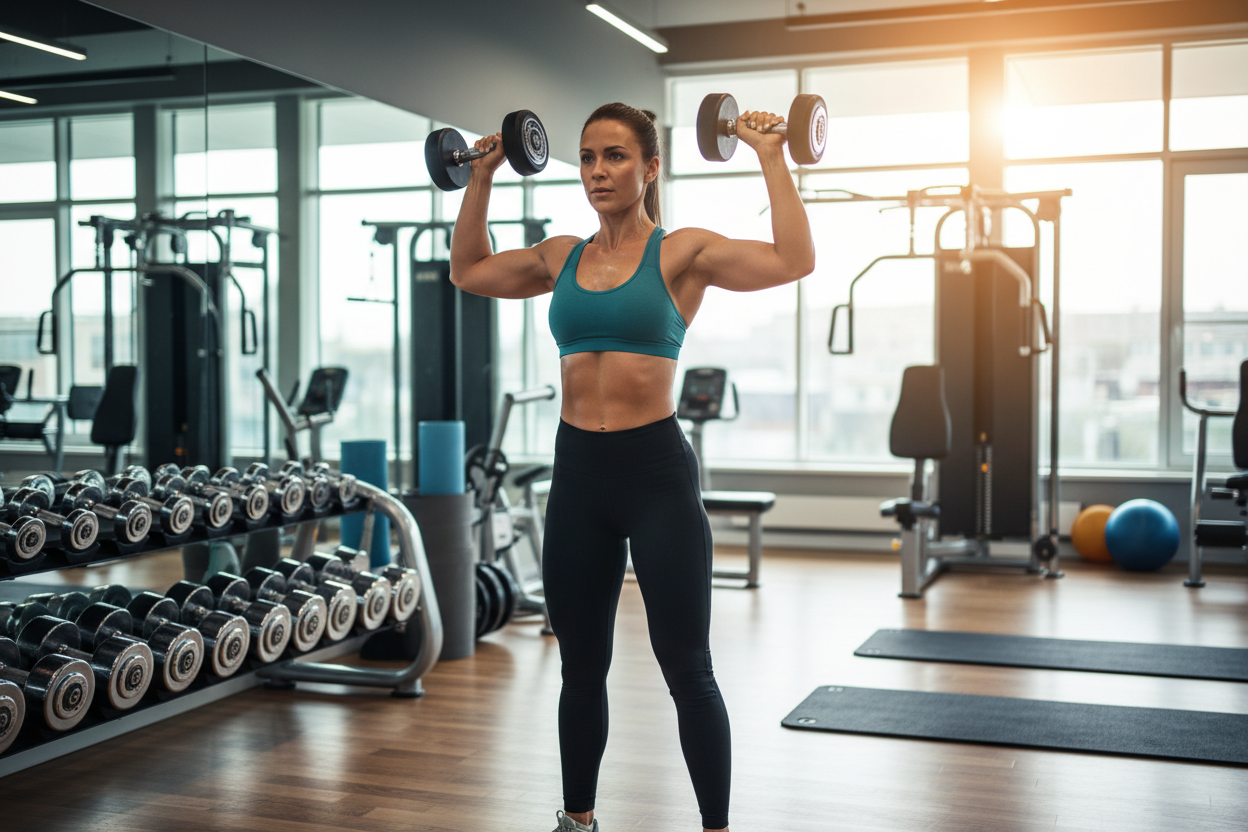
For those serious about building muscle, a strength training home gym with a power rack, barbell, and adjustable dumbbells remains unbeatable. I resisted this setup initially because it seemed intimidating, but once I started using it, my progress accelerated dramatically. The ability to perform compound movements like squats, deadlifts, and bench presses makes this combination incredibly efficient.
Rowing machines deserve special mention as in home exercise machines that work your entire body. The Concept2 rower sits in my garage, and it's become my go-to for days when I want a full-body workout without the complexity of setting up multiple stations. Twenty minutes on this machine leaves me completely spent in the best way possible.
Multi-Station Systems vs. Single-Purpose Equipment
Multi-station home workout systems attempt to replace an entire gym in one unit. These all-in-one machines typically include a weight stack, various cable attachments, and stations for different muscle groups. While they sound perfect on paper, I found them limiting after about six months. The fixed movement patterns don't allow for natural body mechanics, and you're locked into whatever exercises the manufacturer designed.
That said, for beginners or those with severe space constraints, these systems make sense. They're safer than free weights, require less knowledge to use correctly, and keep everything organized in one footprint. Just understand that you might outgrow them as you advance.
What Makes an At Home Weight System Effective
An effective at home weight system needs to offer progressive overload – the ability to gradually increase resistance as you get stronger. This is non-negotiable for building muscle and strength. Whether you choose a machine with a weight stack, resistance bands, or traditional plates, make sure you can add resistance in small increments.
Adjustability matters more than most people realize. The best workout machines for home allow you to modify angles, heights, and positions to match your body and target different muscle groups. I'm 6'2", and many machines simply don't accommodate my frame properly. Test equipment before buying if possible, or at least check the specifications carefully.
Durability separates toys from tools. I've watched cheap equipment literally fall apart under regular use. Quality home workout systems use commercial-grade materials – steel frames, aircraft cable, and sealed bearings. Yes, they cost more upfront, but the cost per workout drops dramatically over time.
My Personal Top Picks
If I had to choose the best home workout machine for overall value, I'd pick a quality power rack with a pull-up bar, safety bars, and plate storage. Mine cost about $600, and I've added a barbell, 300 pounds of plates, and an adjustable bench for another $400. This setup enables virtually every strength exercise you'd do in a commercial gym.
For people who can't or don't want to use free weights, the best in home workout machine I've tested is the Bowflex Revolution. The SpiraFlex resistance technology feels remarkably similar to actual weights, and the variety of exercises keeps workouts interesting. It's pricey at around $2,000, but it's built to last and actually delivers results.
Budget-conscious buyers should look at resistance band systems with a door anchor and bar attachments. I was skeptical until I tried one during a hotel stay. Modern bands provide genuine resistance, and complete systems cost under $100. They're not ideal for serious bodybuilding, but for general fitness and toning, they work surprisingly well.
Cardio Equipment Considerations
While strength training dominates my routine, cardio equipment deserves consideration. Treadmills are popular but take up significant space and can be hard on joints. I prefer my rowing machine for cardio because it builds muscle while burning calories. Assault bikes are another excellent option – they're compact, nearly indestructible, and provide brutal conditioning workouts.
The key with cardio machines is choosing something you'll actually use. I bought a stationary bike that collected dust for months because I simply don't enjoy cycling. Meanwhile, my rowing machine gets used almost daily because I genuinely look forward to those workouts.
Making Your Final Decision
Start by defining your budget realistically. Quality home exercise systems range from a few hundred to several thousand dollars. Remember that this is an investment in your health – cheaper equipment often costs more in the long run through repairs, replacements, and injury risk.
Consider your commitment level honestly. If you're new to fitness, starting with a moderate investment makes sense. You can always upgrade later. However, if you're already dedicated to training, buying quality equipment from the start saves money and frustration.
Read reviews from actual users, not just marketing materials. I spent hours on fitness forums and Reddit communities before making my purchases, and that research saved me from several expensive mistakes. Pay attention to long-term reviews from people who've owned equipment for years, not just initial impressions.
The reality is that the best home fitness machine is the one that aligns with your goals, fits your space, and matches your budget while being something you'll consistently use. My power rack setup works perfectly for my strength goals, but your ideal solution might be completely different. Take time to assess your needs, try equipment when possible, and invest in quality over quantity. Your future self will thank you for making a thoughtful decision rather than an impulsive one.