I Swapped Strict Presses for a Shoulder Twist—Here's Why
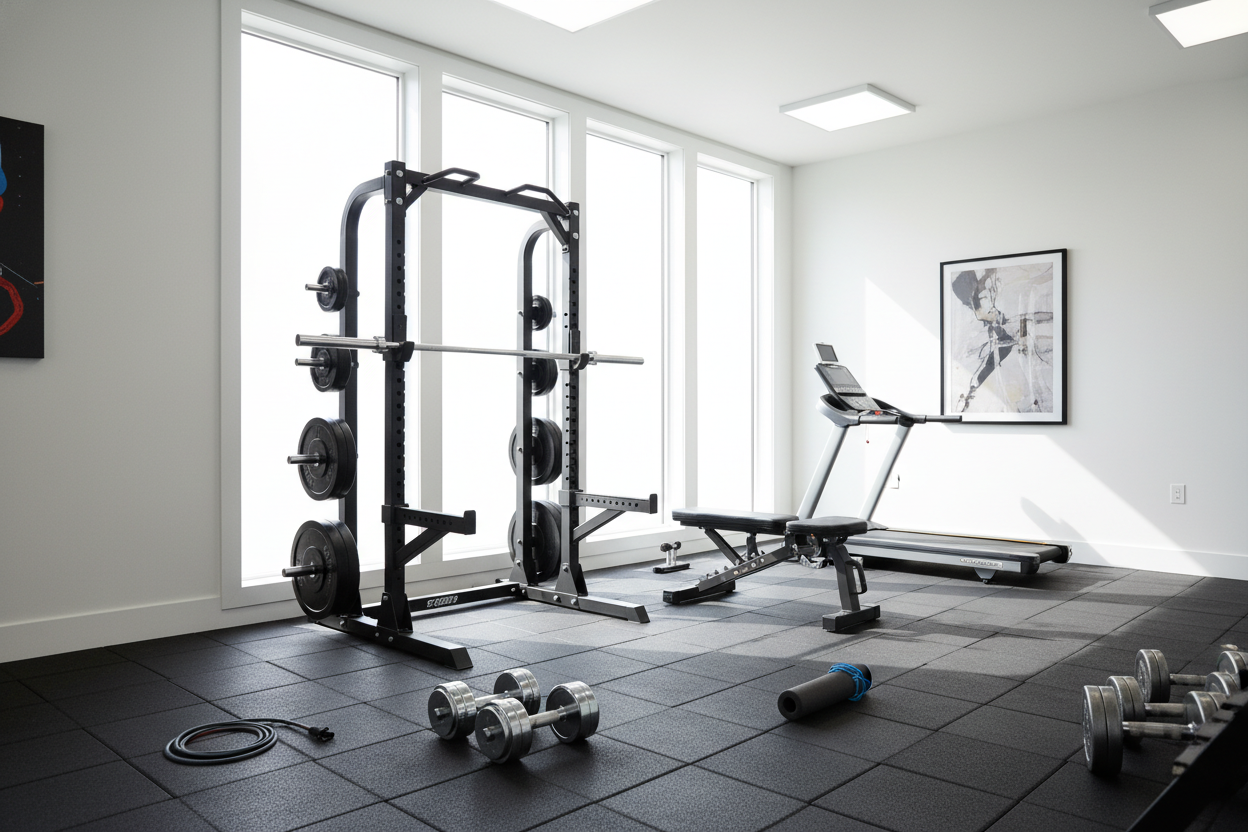
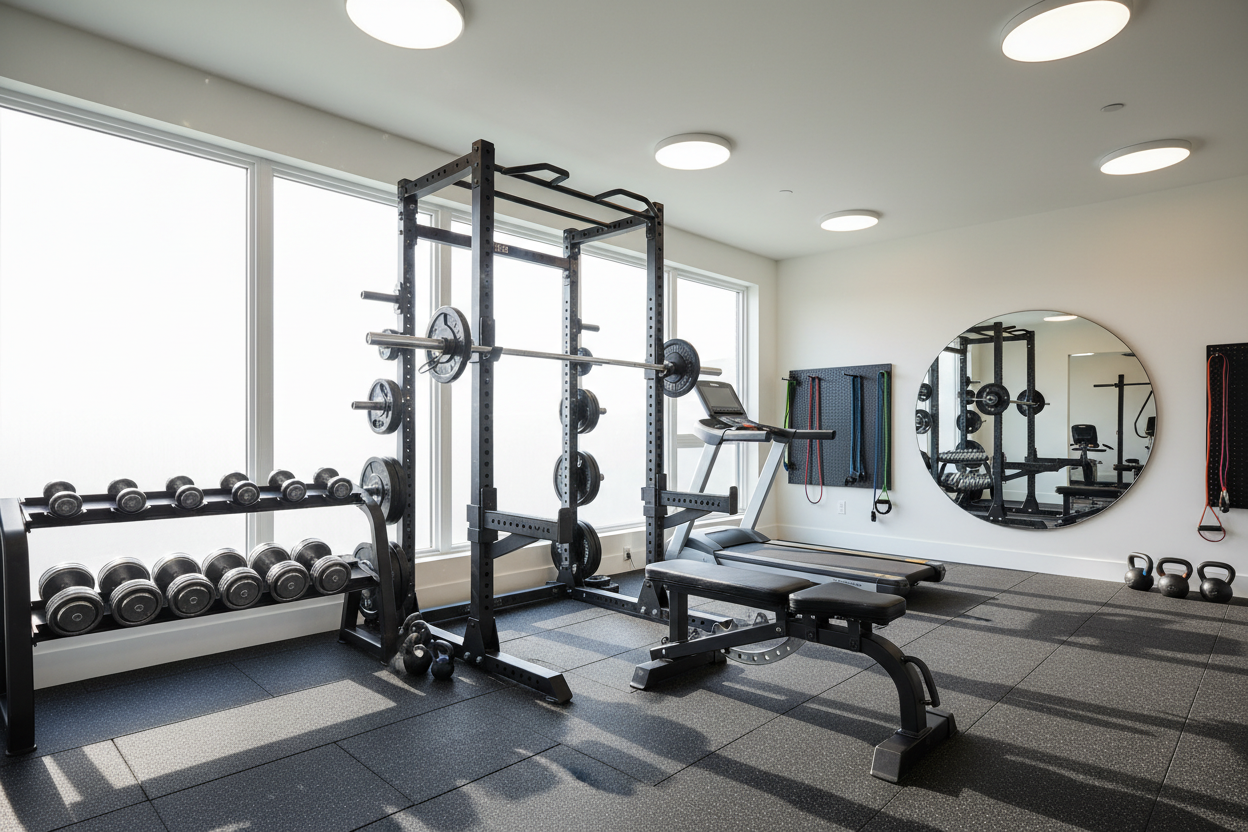
I remember staring at my power rack last October, rubbing my left rotator cuff while my 45-lb plates mocked me from the floor. Every rep of a standard barbell overhead press felt like someone was dragging a serrated blade across my collarbone. It wasn't just 'good pain'; it was the kind of grinding that makes you want to skip push day entirely and just go for a run. I realized that my quest for a heavy military press was actually shrinking my delts because I couldn't train them with any real intensity without my joints screaming at me. That is when I pivoted to the shoulder twist.
- Reduces subacromial impingement by allowing natural scapular movement.
- Targets the lateral and anterior delts more effectively than static pressing.
- Requires less weight to achieve a higher level of muscular fatigue.
- Easier on the wrists and elbows compared to a straight bar.
The Problem with Rigid Overhead Pressing
The standard barbell press is the king of ego lifts, but it's a biomechanical nightmare for a lot of us. When you're locked into a fixed path with a straight bar, your shoulders are forced into a position that doesn't account for the natural way your shoulder blades want to move. Over time, that rigid path can lead to 'the click'—that annoying, painful snap every time you reach overhead.
In my 11-gauge steel garage gym, I used to think if I wasn't pressing a plate and a quarter, I wasn't working. But my delts looked flat despite the heavy weight. The issue is that the front delts take over the barbell press almost entirely, leaving the side delts to just hang out and watch. If you want that 3D look, you have to stop thinking in straight lines.
What Exactly is the Shoulder Twist Exercise?
The shoulder twist exercise is essentially a modification of the dumbbell press that incorporates a 90 to 180-degree rotation during the lift. You start with the dumbbells in a neutral grip—palms facing your ears—and as you press upward, you rotate your wrists so that your palms face forward at the top of the movement. It sounds simple, but it changes the entire profile of the lift.
By rotating the weights, you are mimicking the natural spiral of the muscle fibers in the deltoid. This rotation opens up the shoulder joint, creating more space for the tendons to slide through without getting pinched. Picking the right shoulder workout exercise is more about joint geometry than just moving heavy iron, and this twist is the gold standard for longevity.
Why This Subtle Rotation Wakes Up Stubborn Muscle
Most guys have 'flat' shoulders because they only train the front of the joint. When you add the twist, you're forcing the lateral head of the delt to stay engaged throughout the rotation to stabilize the weight. I found that I couldn't use my usual 75-pound dumbbells for this; I had to drop down to the 50s just to maintain control. The pump was immediate and honestly, a bit humbling.
I realized that the dumbbell shoulder press twist was the missing link for my mind-muscle connection. Instead of just shoving weight from point A to point B, I was actually feeling the fibers wrap around the bone. It turns a boring vertical press into a dynamic, sweeping movement that fills out the 'cap' of the shoulder.
Setting Up the Movement in Your Home Gym
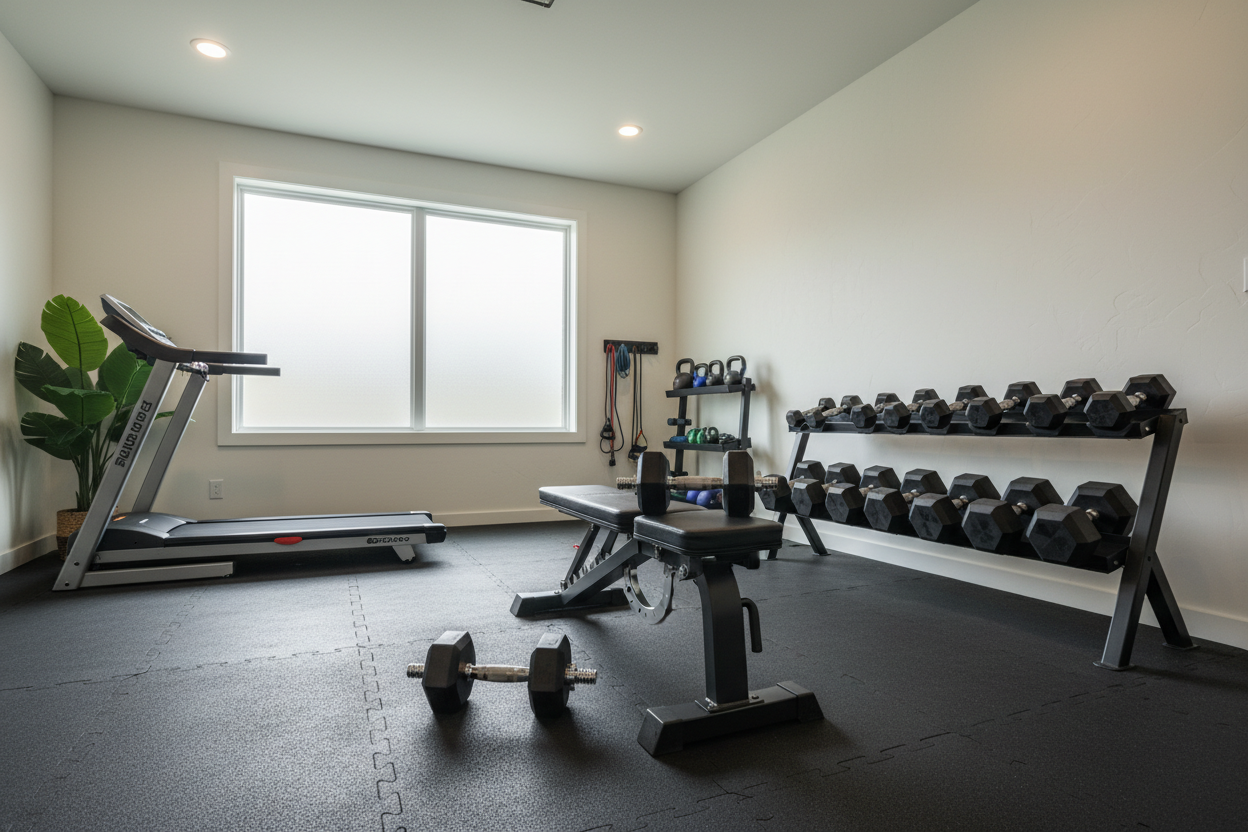
You don't need a $3,000 functional trainer for this. A solid adjustable bench and a pair of dumbbells are all it takes. I prefer setting my bench to a high incline—around 75 or 80 degrees—rather than a perfect 90. This slight lean takes the stress off the lower back and lets you drive the weight up without arching like a gymnast.
Stability is everything here. If your feet are sliding around on a dusty concrete floor, your power output is going to tank. Establishing a solid foot drive and maintaining a firm grip on a large exercise mat ensures your power isn't leaking through your shoes. Keep your core tight and don't let the dumbbells drift too far away from your midline during the rotation.
Programming the Twist for Maximum Growth
I don't treat this as a max-effort lift. If you're trying to hit a 1RM on a rotational press, you're asking for a trip to the physical therapist. Instead, I slot these in as my primary 'hypertrophy' movement right after a heavy compound lift. Aim for 3 to 4 sets in the 10-12 rep range. The goal is a controlled tempo—two seconds up, a hard squeeze, and three seconds down.
Don't rush the twist. The rotation should happen gradually as you press, not all at once at the bottom or the top. If you find your form breaking down or your elbows flaring out wildly, drop the weight by 5 or 10 pounds. Your joints will thank you, and your sleeves will eventually start feeling a lot tighter.
My Honest Mistake
When I first started doing these, I tried to keep my heavy-lifting ego. I grabbed my 80-lb PowerBlocks and tried to manhandle them through the rotation. Within two reps, I nearly smacked myself in the temple because the rotational force is much harder to stabilize than a standard press. I had to swallow my pride and go back to the 45s to actually learn the movement. Don't be the guy trying to look cool with heavy weights and zero control.
FAQ
Is this the same as an Arnold Press?
It is very similar, but the Arnold Press usually starts with the palms facing your chest, much lower down. The shoulder twist I'm talking about starts at ear level with a neutral grip. It's a shorter range of motion that keeps more constant tension on the delts.
Can I do this standing up?
You can, but I wouldn't recommend it if you're chasing muscle growth. Seated allows you to brace your back and focus entirely on the shoulder rotation without your core or lower back becoming the limiting factor.
Will this fix my shoulder pain?
It helped mine, but I'm a gear reviewer, not a doctor. If you have a legitimate tear, no amount of twisting will fix it. But if you just have 'gym shoulder' from years of heavy benching, this movement is usually much friendlier on the joints.