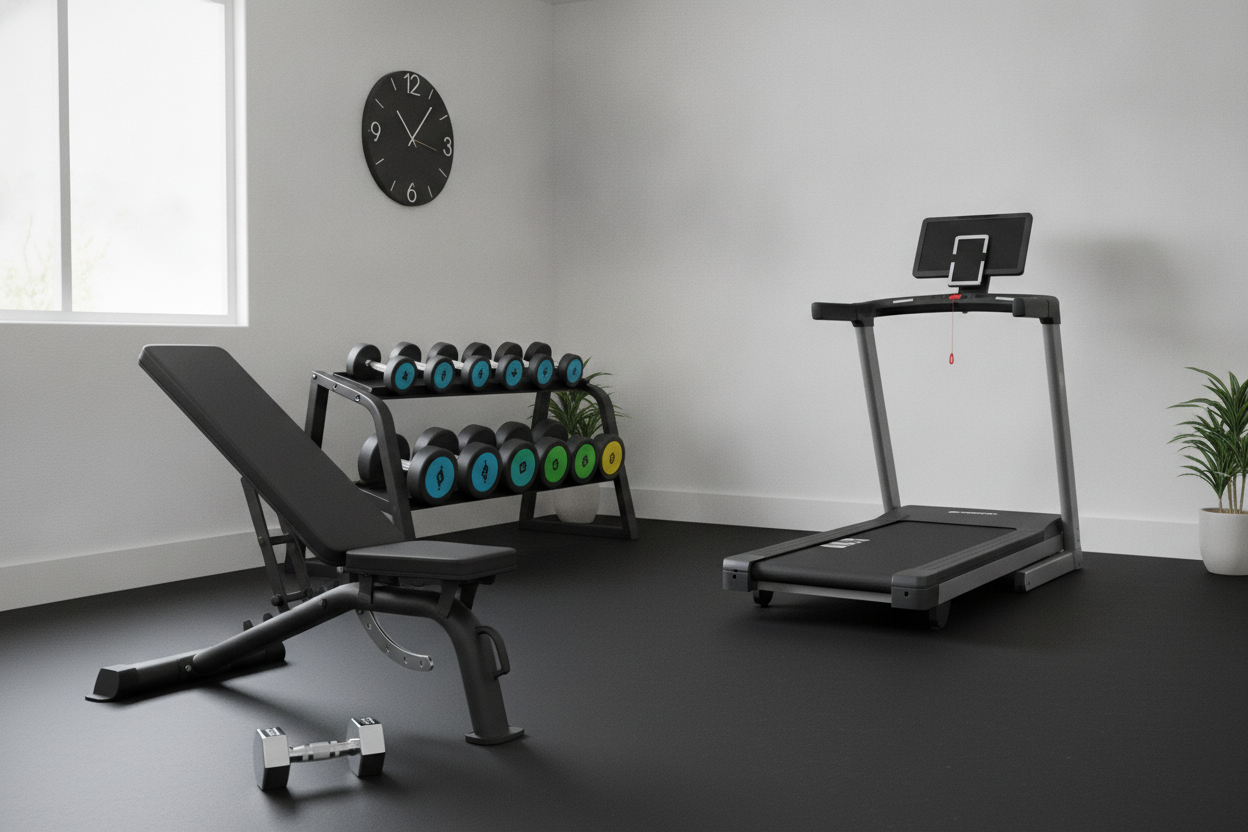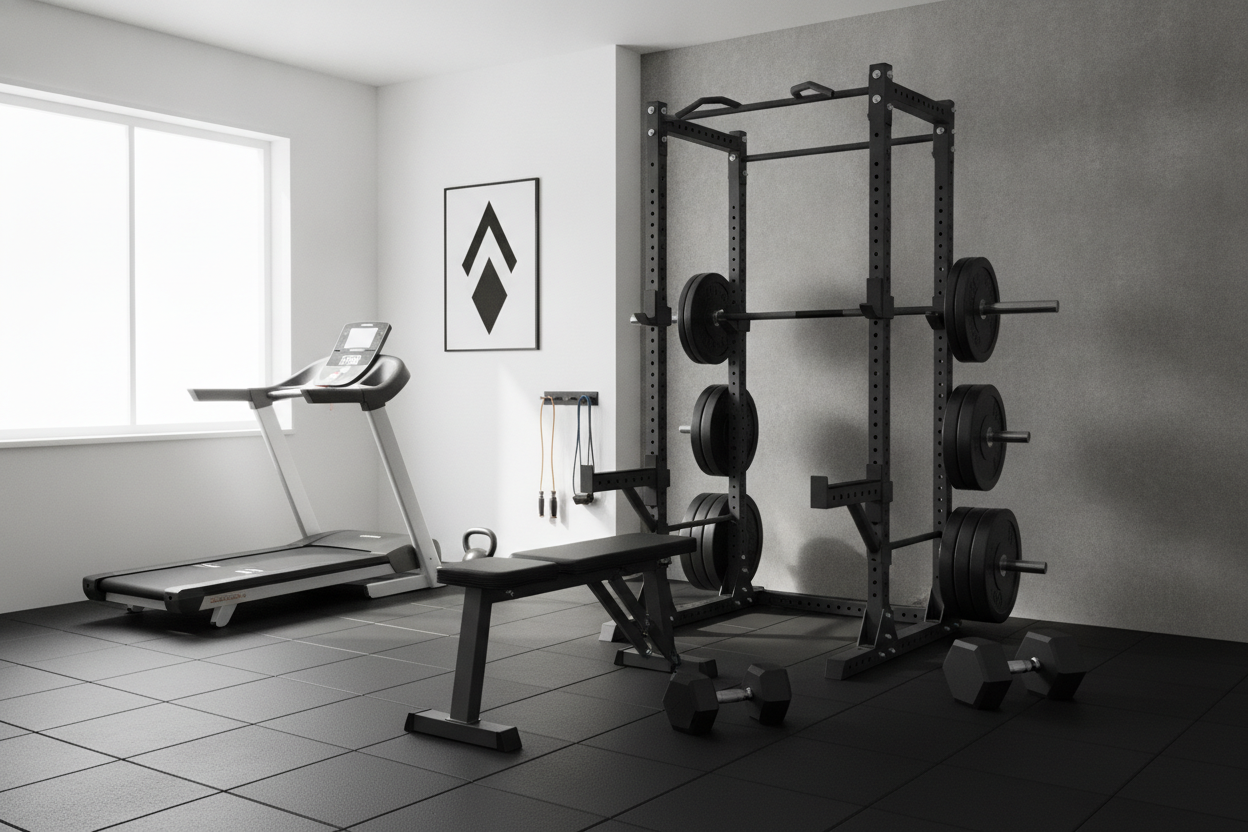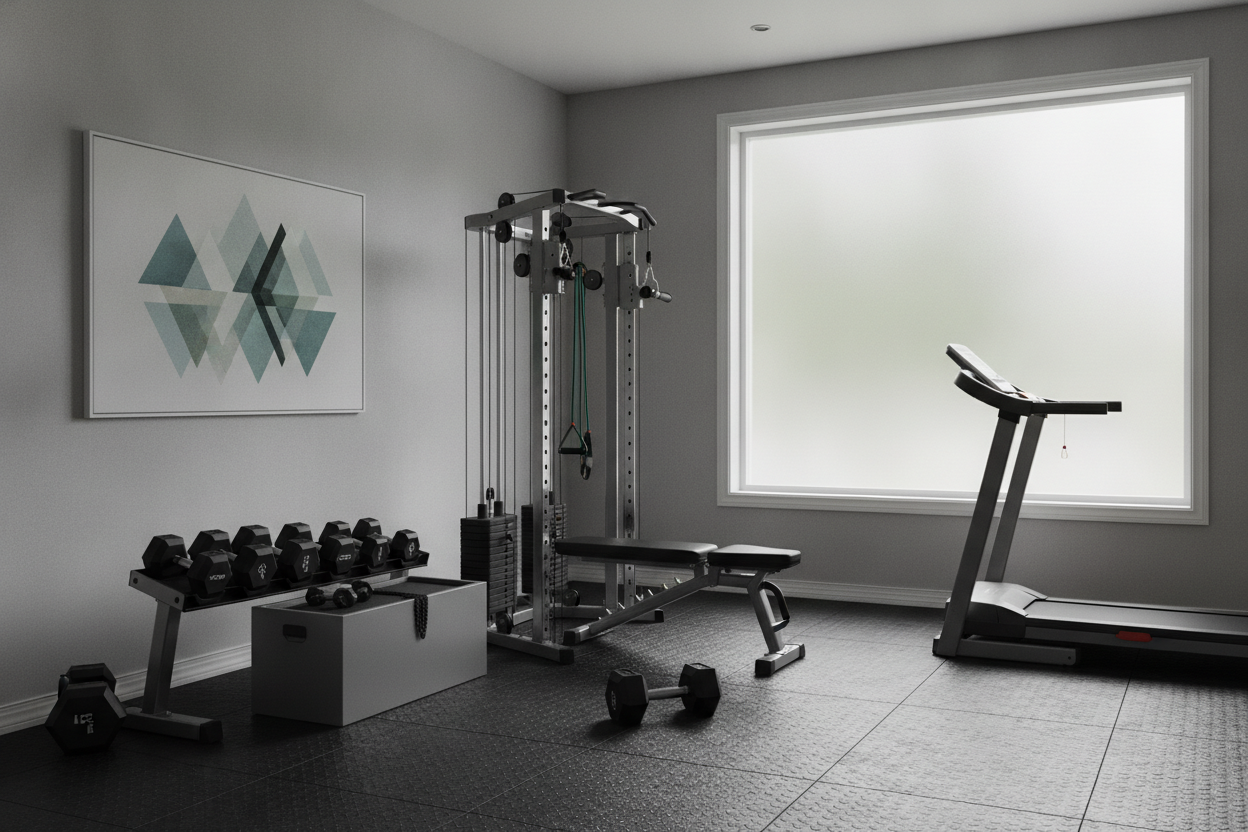
I Swapped My Iron for a Compact Weights System (Here's Why)
I remember looking at my garage floor and seeing a literal sea of mismatched cast iron and a power rack that ate up half the space I needed for my car. My shins were bruised from walking into 45-lb plates in the dark, and my wife was tired of the 'clank' echoing through the house at 6 AM. I finally caved and looked into a modular weights system to see if I could reclaim my floor without losing my gains.
Quick Takeaways
- Small footprint: Reclaims about 30-40 square feet compared to a traditional rack.
- Speed: Transitioning between weights takes seconds, not minutes.
- Durability: Surprisingly sturdy, though the plastic components require a gentle touch.
- The Ceiling: If you're chasing a 500-lb deadlift, this isn't your primary tool.
The Irresistible Lure of the 'Gym in a Box'
The marketing for a weights box is aggressive for a reason. It promises to replace an entire wall of dumbbells and a squat rack with something that fits in a 4x4 corner. For most of us living in the real world—where we share our workout space with lawnmowers and holiday decorations—that's a tempting trade.
I was skeptical. I've used 'all-in-one' gear before that felt like a toy. But the new generation of weights in a box setups uses smarter materials and better engineering. They target the person who wants to get a high-intensity session done in 30 minutes without the friction of loading and unloading sleeves.
Unboxing the Hype: My First 30 Days
When the delivery truck dropped three heavy boxes on my porch, I expected a weekend-long assembly project. To my surprise, the core weights system was mostly pre-built. The build quality was the first thing I checked; the handles have a decent knurling, though it’s not as aggressive as my favorite Ohio bar.
I paired the system with a sturdy adjustable weight bench to test its full range of motion. Doing incline presses felt stable, but I did notice a slight rattle in the weight stacks when moving fast. It’s a different sensation than solid iron, but once you’re mid-set, the convenience of the dial system outweighs the minor noise.
Where an All-In-One Weights System Actually Excels
The real magic happens during supersets. If you’re doing a circuit that requires jumping from heavy goblet squats to light lateral raises, this setup is unbeatable. You aren't hunting for the 15-lb dumbbells that your kid moved to the backyard.
The modular nature also lets you play with the power of uneven weights. By loading one side of the handle slightly heavier than the other, you can force your core to stabilize during overhead presses. It’s a level of versatility that’s hard to replicate with standard fixed dumbbells unless you own every pair in 2.5-lb increments.
The Breaking Point: What These Systems Can't Handle
Let’s be honest: these systems have a ceiling. Most top out at 50 to 80 lbs per handle. If you’re an experienced lifter, you’ll max out the chest press and rows within a month. You also lose the specific 'feel' and resistance curve you get from high-end weight lifting machines or a dedicated cable crossover.
I also wouldn't recommend dropping these. Iron plates can take a beating; a weights box with internal gears and plastic selectors cannot. If you have a habit of dumping your weights after a heavy set, you’re going to have an expensive paperweight very quickly. Remember, you need heavy, progressive overload to build serious mass, and accidental bulking is a lie—you won't outgrow a 50-lb limit by accident, but you will hit a plateau if you don't have enough total resistance.
The Verdict: Should You Make the Swap?
If you are training in a studio apartment or a tight garage and your goal is general hypertrophy and conditioning, a compact weights system is a win. It’s clean, it’s fast, and it looks better than a pile of rusted metal. It removes the excuses that come with a cluttered gym.
However, if you’re a powerlifter or someone who lives for the 'big three,' this is an accessory tool at best. I’m keeping my heavy barbell and bumper plate sets for my max effort days. There is no substitute for the sound of real plates hitting the floor when you're chasing a PR.
FAQ
Is a weights system worth the high price tag?
If you calculate the cost of buying 10 separate pairs of dumbbells and a rack to hold them, these systems actually save you money. You're paying for the engineering and the saved square footage.
Can I do legs with just a weights box?
You can do lunges, split squats, and goblet squats. However, without a rack, your ability to go truly heavy on back squats is limited by what you can safely clean up to your shoulders.
How long do these systems last?
If you don't drop them and you keep the mechanisms clean, they can last 5-10 years. The weak point is always the selector dial or pin—treat those with respect.