I Stopped Getting Hurt After Learning Shoulder Anatomy and Exercises
I used to think shoulder anatomy and exercises were things only physical therapists or guys in lab coats cared about. I was too busy trying to manhandle a 225-pound barbell over my head in a drafty garage, ignoring the sharp, hot pinch in my right AC joint. I thought 'no pain, no gain' applied to joints. It doesn't. It just leads to a bottle of ibuprofen and six months of sleeping on your left side because the right one feels like it's full of broken glass.
My wake-up call came when I couldn't even reach for a gallon of milk without wincing. My ego had written checks my rotator cuffs couldn't cash. I realized that my 'shoulder day' was just a collection of random movements I'd seen in magazines, none of which respected how the ball-and-socket joint actually functions. I had to stop training like a meathead and start training like an engineer.
- Front Delts: Usually overtrained; they get hammered during every bench press session.
- Side Delts: The key to width, but they require strict tension, not heavy swinging.
- Rear Delts: The most neglected part of the shoulder and the secret to long-term joint health.
- Rotator Cuffs: Small muscles that provide big-time stability; ignore them at your own peril.
The Day I Stopped Blindly Pressing Heavy Iron
For years, my shoulder routine was simple: press until it hurts, then press some more. I was obsessed with the overhead barbell press. I figured if I could just get enough weight on the bar, my shoulders would have no choice but to grow. What actually happened was my body found 'cheats' to move the weight. I'd arch my lower back excessively or flare my elbows out, putting massive shear force on the delicate structures of the shoulder.
The 'pop' happened during a heavy set of five. It wasn't a catastrophic tear, but it was enough to sideline me for eight weeks. During that time, I started looking at shoulder workout anatomy. I realized the shoulder is the most mobile joint in the body, which also makes it the most unstable. You can't just treat it like a piston; you have to treat it like a complex pulley system.
I had to admit I was doing it wrong. I was forcing a square peg into a round hole by trying to use powerlifting mechanics on a joint that needed more nuance. I stopped chasing a 1-rep max on overhead press and started focusing on how the muscle actually fibers were oriented. That shift changed everything.
Breaking Down the Delts (Without the Textbook Jargon)
You have three main heads: the anterior (front), lateral (side), and posterior (rear). Most guys have front delts that look like cannonballs because they bench press three times a week. But their side and rear delts? Flat as a pancake. This creates a muscle imbalance that pulls the shoulder forward, leading to that 'caveman' posture and eventually, impingement.
When you look at your shoulder muscle anatomy workout, you need to visualize the fibers. The lateral delt doesn't just go up; it moves out. If you're doing lateral raises and you feel it in your neck, your traps have taken over. I spent months filming myself with light 10-lb dumbbells just to make sure I was actually hitting the muscle and not just shrugging the weight up. Understanding the visual structure helps you spot the dent in shoulder muscle injury sign or normal anatomy that comes with real development.
Then there's the rotator cuff—the SITS muscles (Supraspinatus, Infraspinatus, Teres Minor, Subscapularis). These aren't 'show' muscles, but they are the anchors. If these are weak, your big deltoids will literally pull the arm bone out of its socket during heavy lifts. I started incorporating external rotations and face pulls as a mandatory 'tax' I pay before I'm allowed to touch a heavy dumbbell.
Matching Your Routine to Real Shoulder Workout Anatomy
Once you understand the mechanics, your exercise selection changes. I stopped doing upright rows entirely because the internal rotation under load was a recipe for disaster for my specific anatomy. Instead, I pivoted to movements that follow the natural 'scapular plane'—about 30 degrees forward of a straight line out to your sides.
In a commercial gym, you might see people using ten different machines for the ultimate gym workout shoulder exercises, but in a garage, you have to be smarter. I found that the side delt responds much better to high-rep, constant tension work rather than low-rep heavy sets. I stopped swinging 50s and started controlled 20s. My shoulders actually grew for the first time in years.
Rear delts are the real MVP. I started doing rear delt flies with my chest supported on an incline bench. This removes the ability to swing and forces the posterior delt to do the work. It also helps pull your shoulders back, which magically makes your chest look bigger and your posture look like you actually have some self-respect.
My Go-To Shoulder Muscle Anatomy Workout for the Garage
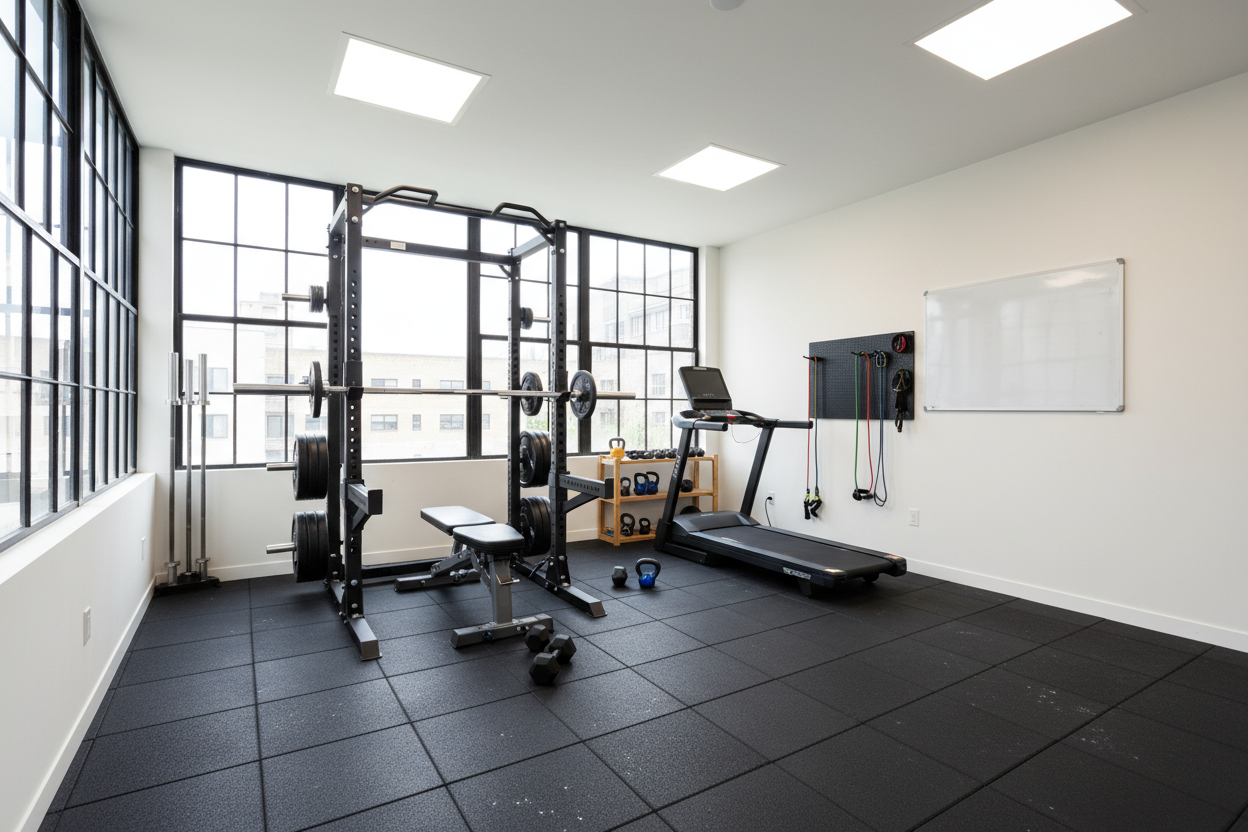
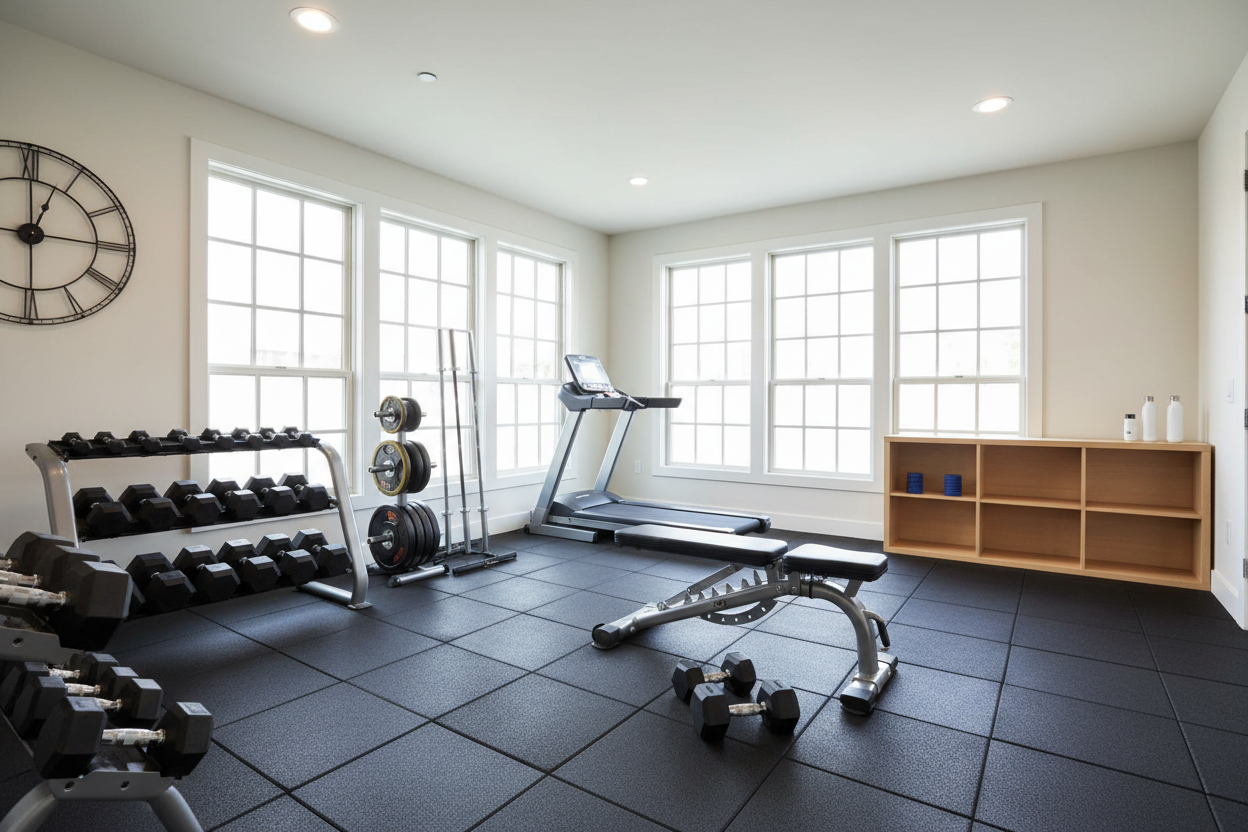
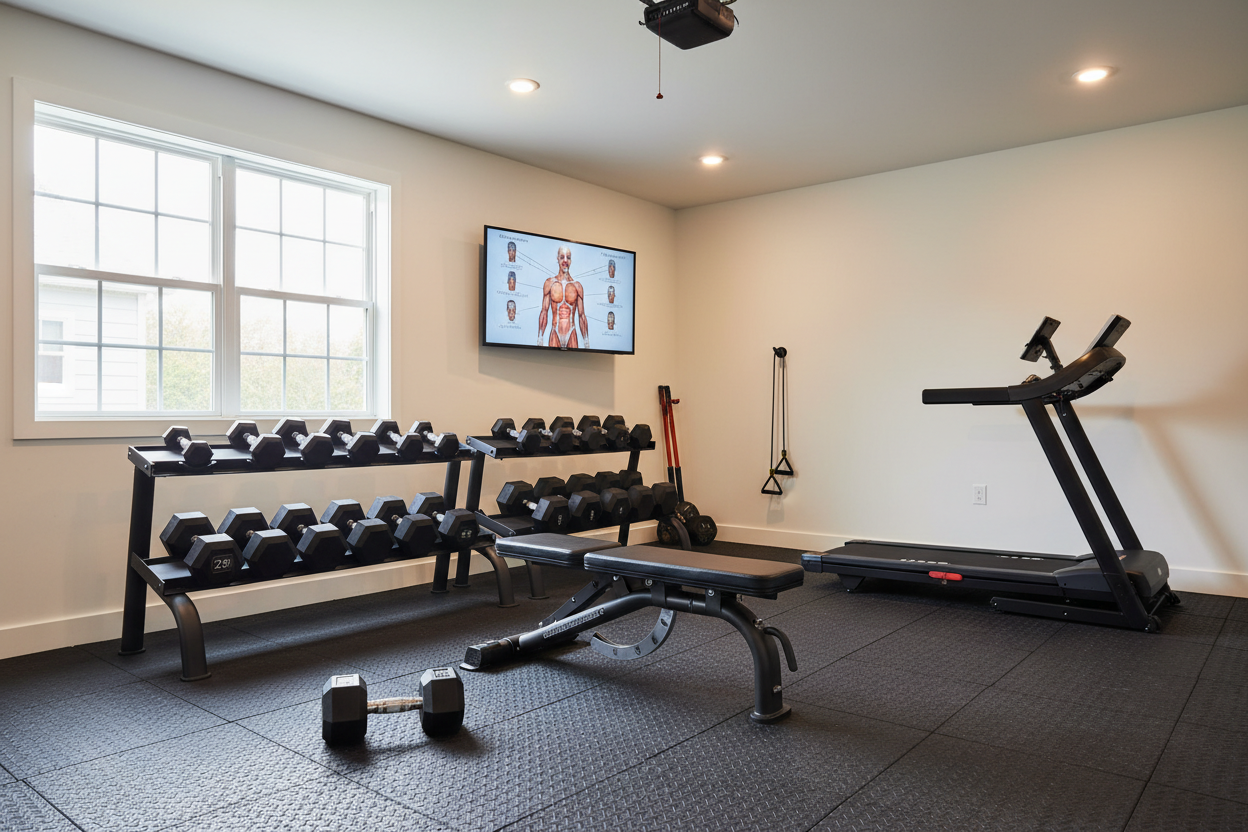
I keep my home setup lean. I've got a set of adjustable dumbbells that go up to 52.5 lbs and a solid bench. I also make sure I have high-quality gym flooring for home workout because I do a lot of kneeling work to take my legs out of the movement. Here is the routine that built mass without the Vitamin I (ibuprofen) habit:
- Seated Dumbbell Press: 3 sets of 8-12. I keep the bench at a slight 75-degree incline rather than 90. It's much kinder on the rotator cuffs.
- Leaning Lateral Raises: 4 sets of 15-20. Hold onto your rack and lean away to increase the range of motion where the delt is under the most tension.
- Face Pulls (with bands): 4 sets of 20. I attach a heavy resistance band to my power rack and pull towards my forehead, focusing on pulling the ends of the band apart.
- Kneeling Landmine Press: 3 sets of 12 per arm. This is the king of shoulder-friendly pressing. The arc of the bar naturally follows the scapular plane.
The key here is control. If I can't pause at the top of a lateral raise, the weight is too heavy. I'm not trying to impress the spiders in the corner of my garage; I'm trying to stimulate the muscle. Dropping the ego was the hardest part of this shoulder anatomy exercises journey, but it was also the most effective.
Stop Overcomplicating Your Shoulder Anatomy Exercises
You don't need a degree in kinesiology to have healthy shoulders, but you do need to stop treating your body like a machine that doesn't break. The 'secret' isn't a special supplement or a weird cable attachment. It's understanding that the shoulder is a delicate balance of mobility and stability. If you push the mobility (heavy weights, deep ranges) without the stability (rotator cuff work, rear delts), you will break.
Keep your movements strict, respect the scapular plane, and stop pressing if it feels 'crunchy.' If you want to see how this fits into a total body plan, check out the workout hub for more detailed breakdowns. Your 40-year-old self will thank you for the work you're doing today to keep your joints intact.
FAQ
Is the barbell overhead press bad for shoulders?
Not inherently, but it requires a lot of thoracic mobility. If your mid-back is stiff, your lower back and shoulder joints will compensate, which leads to injury. For many home lifters, dumbbells or landmines are a safer bet.
How often should I train rear delts?
You can train them almost every workout. They are small, recover quickly, and most of us are so 'front-dominant' from sitting at desks that we need the extra volume to balance our posture.
Why do my shoulders click when I do lateral raises?
It’s often a sign of mild impingement or poor tracking. Try rotating your thumbs slightly upward (like you're pouring out a drink, but in reverse) and moving the dumbbells slightly in front of your body rather than directly out to the sides.