I Stopped Doing Heavy Presses. These 3 Delt Exercises Worked Better.
I remember staring at my 45-lb plates, dreading the next set of overhead presses. My AC joints felt like they were being ground between two bricks, and despite 'lifting heavy,' my shoulders looked like they belonged on a distance runner, not someone training five days a week. I was obsessed with the traditional delt exercises everyone said were mandatory, but my body was telling a different story.
The truth is, my ego was writing checks my rotator cuffs couldn't cash. I spent years chasing a 225-lb press, thinking that was the only way to build width. Instead, I just got really good at using my triceps and lower back to cheat the weight up while my actual delts stayed flat. I finally ditched the barbell and switched to a high-volume, isolation-heavy approach. The growth happened almost overnight.
Quick Takeaways
- Heavy overhead pressing isn't mandatory for shoulder width.
- Isolation movements allow for better mind-muscle connection without joint pain.
- Constant tension is more important than the total weight on the bar.
- Rear delts are the most neglected part of the shoulder and need specific attention.
Why I Broke Up With the Barbell Overhead Press
For a long time, I believed the delt press exercise was the king of shoulder movements. If you weren't pressing a heavy barbell over your head, were you even training? The problem is that the barbell OHP is a complex movement that requires massive thoracic mobility. If you're tight—like most of us sitting at desks all day—your body finds the path of least resistance. Usually, that means arching your back and turning it into a standing incline bench press.
Every time I finished a heavy session, my shoulders didn't feel pumped; they felt inflamed. I was getting strong, sure, but my deltoid development was non-existent. My triceps were doing 70% of the work. I realized that if I wanted to actually figure out how to work your delts, I had to stop caring about how many plates were on the bar and start caring about which muscle was actually moving the weight.
What Actually Matters for Deltoid Development
If you look at an anatomy chart, the deltoid is a three-headed beast: anterior (front), lateral (side), and posterior (rear). Most guys have overdeveloped front delts from benching and underdeveloped side and rear delts. This creates that 'slumped' look rather than the wide, 3D look we're actually after. When you're researching what exercises work your deltoids, you have to look for movements that isolate these specific heads without allowing the traps to take over.
To truly master how to develop deltoid muscle, you need to prioritize time under tension. The shoulders respond incredibly well to higher rep ranges (12-20) and controlled negatives. I stopped explosive reps and started focusing on the 'stretch' at the bottom of the movement. This shift in deltoid development was the catalyst for the first real growth I'd seen in three years of training.
The 3 Delt Exercises That Fixed My Stubborn Shoulders
These aren't fancy or revolutionary. They are just high-ROI delt lifts that take the ego out of the equation and put the stress exactly where it belongs. If you're tired of joint pain and want actual muscle, this is where you start.
1. The Chest-Supported Dumbbell Lateral Raise
Standard standing lateral raises are the most botched movement in the gym. People swing their hips, shrug their shoulders, and use momentum to move the weight. By laying chest-down on an incline bench (set to about 60 degrees), you eliminate all 'body english.' This forces the lateral head to do every ounce of the work.
People often ask how to tone deltoids, but what they really mean is they want that defined 'cap' on the side of the shoulder. This movement is the fastest way to get it. Keep your pinkies slightly higher than your thumbs at the top, and don't let the dumbbells touch at the bottom. Keep the tension on the muscle for the entire set. You'll be surprised how heavy a pair of 15-lb dumbbells feels when you can't cheat.
2. Lying Cable Rear Delt Cross-Pulls
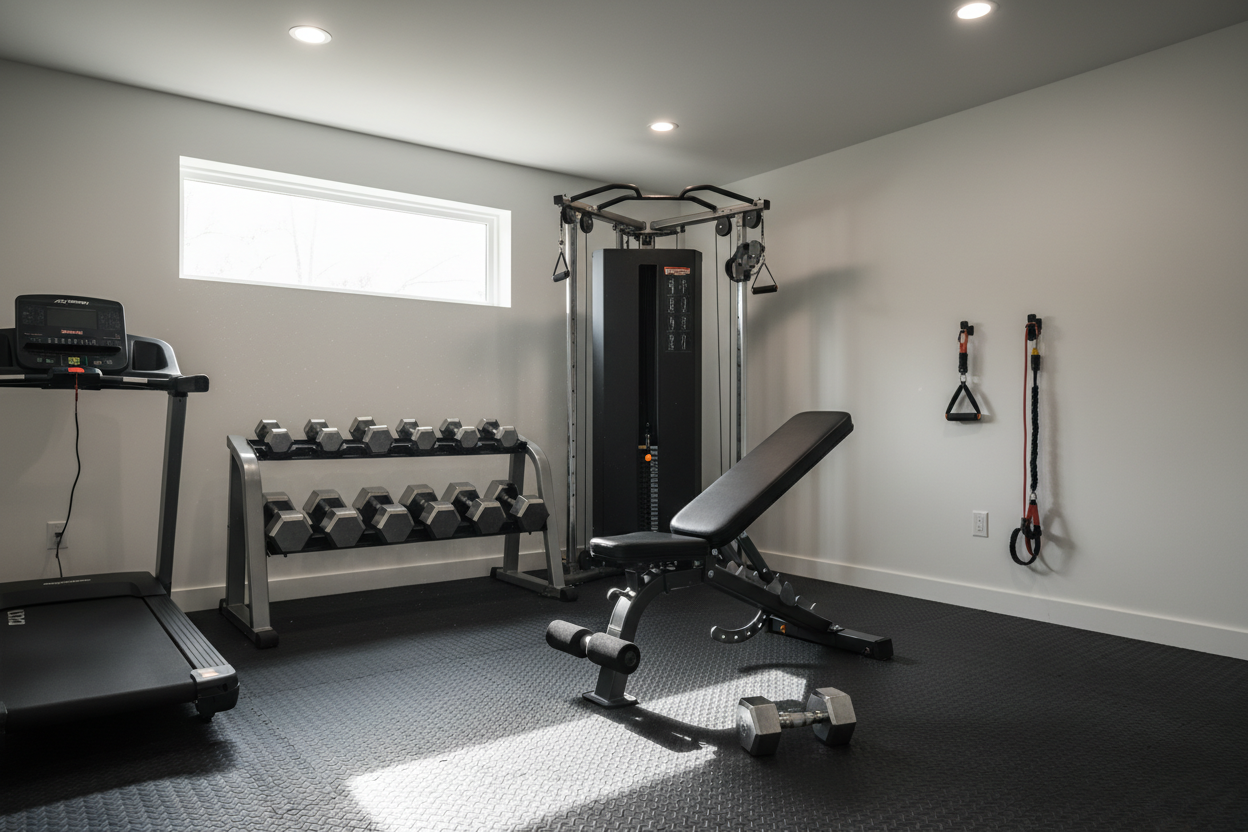
The rear delt is the secret to that thick, 3D look, but it's hard to hit because the lats and traps want to take over. I prefer doing these lying on the floor. It stabilizes your entire spine and prevents you from rocking back and forth. You'll need a dual-stack cable machine, or you can do them one arm at a time if you're in a cramped home gym.
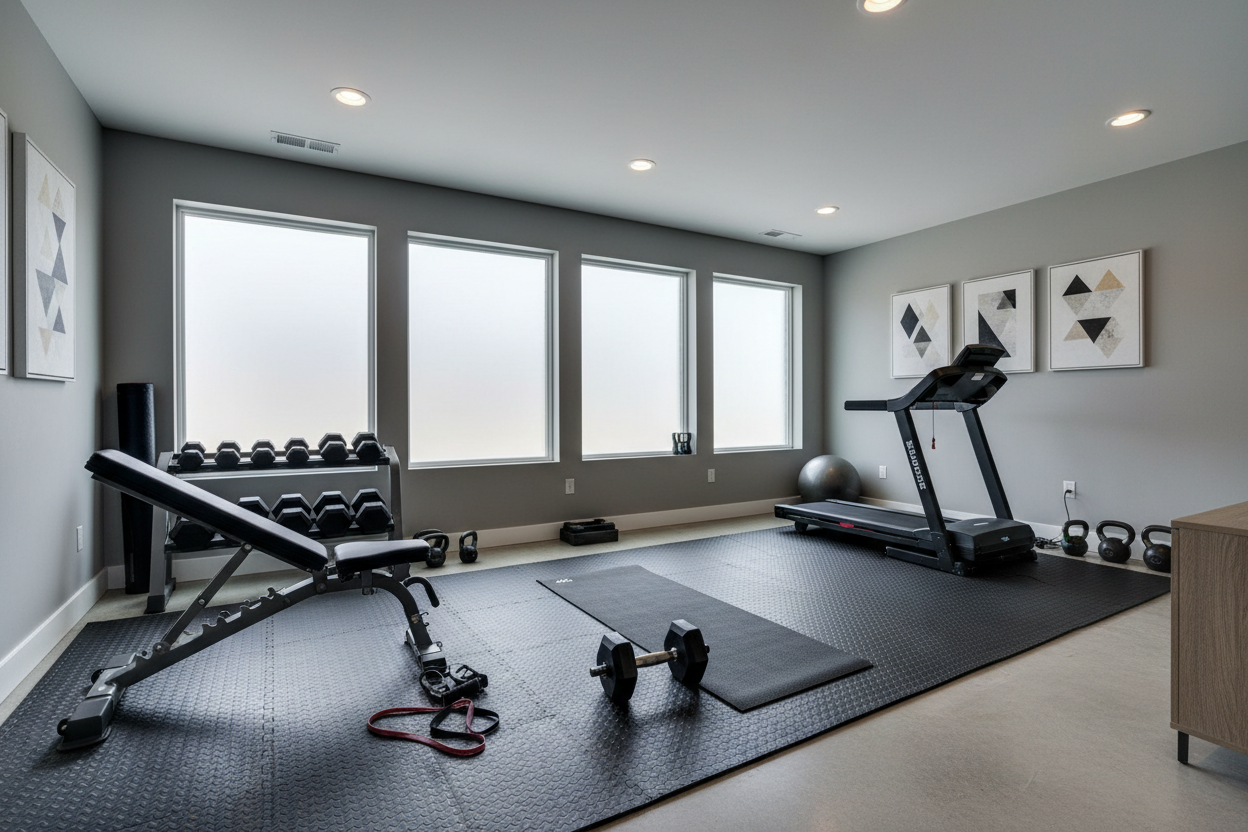
I usually set up on some solid gym flooring for home workouts to keep my back flat and comfortable. Reach across your body, grab the opposite cable, and pull your arms out and back in a 'Y' shape. This is the definitive answer to what exercise works your deltoids' posterior side without involving the heavy hitters of the back.
3. The Leaning Single-Arm Front Raise
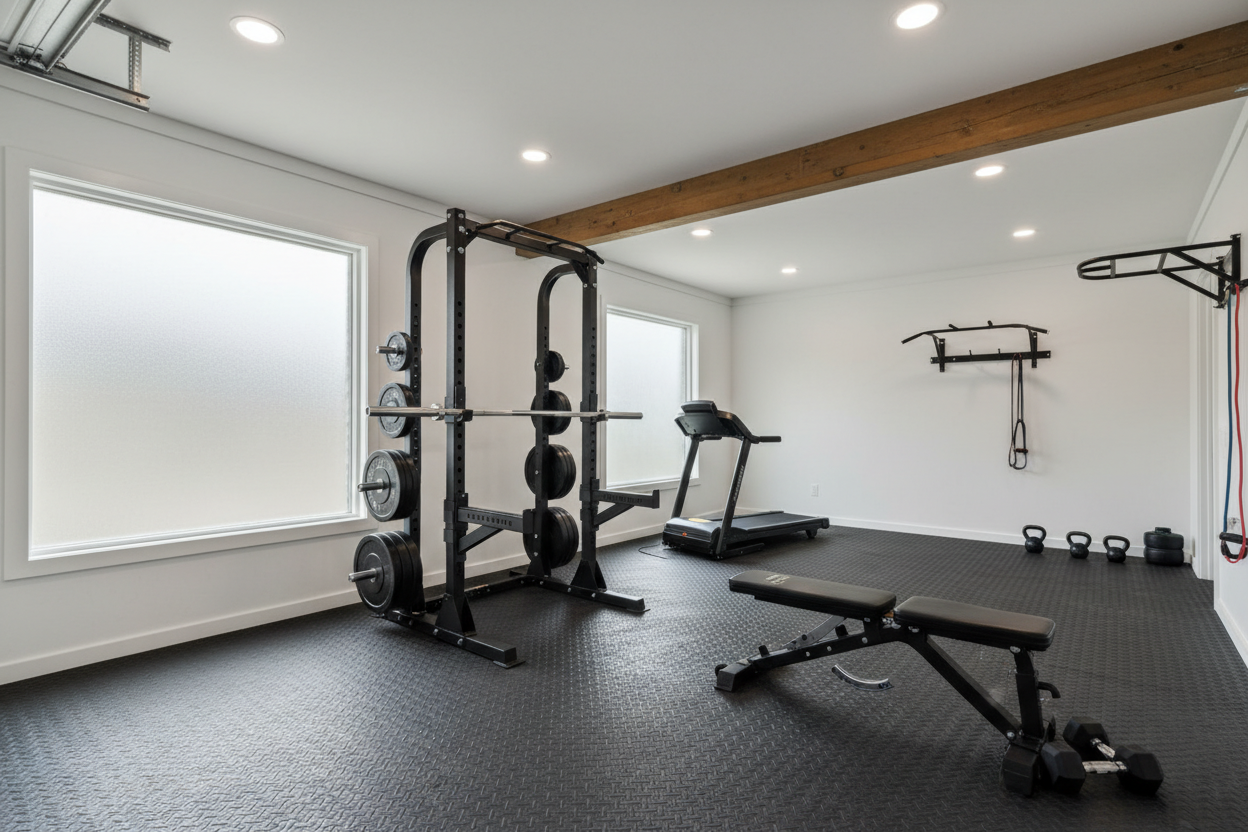
While most people get enough front delt work from pressing, a targeted front raise can help with that 'tie-in' look near the collarbone. The problem with standard front raises is that there is zero tension at the bottom. By grabbing a power rack and leaning your body away at a 30-degree angle, you change the resistance curve.
Now, the muscle is under load even at the very start of the rep. This is a game-changer for anyone trying to figure out how to get strong deltoids without using massive weights that aggravate the rotator cuff. Control the eccentric (the way down) for a 3-second count. Your delts will be screaming by rep ten.
How to Structure This Delts Workout at Home
I don't recommend a dedicated 'shoulder day' for most people. Instead, I sprinkle this delts workout into my existing upper body sessions. I'll do the lateral raises on my 'Push' days and the rear delt cross-pulls on 'Pull' days. This allows for higher frequency—hitting the shoulders 2-3 times a week—which is the real secret to growth.
Aim for 3 sets of 15 reps for each of these movements. If you can't hit 12 reps with perfect form, the weight is too heavy. If you're just starting out or don't have a full rack of weights yet, you can look into calisthenics alternatives for delts to build a baseline of strength. The goal is to feel the muscle burn, not to move the heaviest weight in the room.
FAQ
Do I need to do overhead presses to get big shoulders?
No. While the overhead press is a great general strength builder, many people build incredible shoulders using only lateral and rear delt isolation movements. Your joints might actually thank you for skipping the heavy barbell work.
How many times a week should I train my delts?
Because the delts are a relatively small muscle group and recover quickly, 2-3 times per week is the sweet spot. Just make sure you aren't overworking your rotator cuffs with too much volume in a single session.
Can I use resistance bands for these exercises?
Absolutely. Resistance bands are actually great for lateral raises because the tension increases as you reach the top of the movement, which is where the delt is most active. They are a solid home gym alternative if you don't have cables.