I Stopped Doing Cardio With Dumbbells for Real Weight Training
I spent three years in my garage doing what I thought was 'lifting.' I had a pair of 15-pound hex dumbbells and I’d swing them around for 45 minutes until I was drenched in sweat. My heart rate was 160, my lungs were burning, and I felt like a warrior. The problem? My physique hadn't changed in months. I was just doing cardio with props, not actual weight training.
- Weight training requires mechanical tension, not just a high heart rate.
- If you can do more than 20 reps easily, you're building endurance, not strength.
- Progressive overload—adding weight or reps over time—is the only way to see results.
- A solid bench and a heavy set of plates are worth more than ten 'smart' fitness gadgets.
The Day I Realized I Wasn't Actually Lifting
It happened when I visited a real black-iron gym. I tried to bench press what I thought was a modest weight and nearly pinned myself. I realized that my high-rep fluff circuits at home hadn't prepared me for actual load. I was 'toning,' which is a fake word for 'not lifting heavy enough to matter.'
I was chasing the 'burn' instead of the stimulus. In a real weight training session, the goal isn't to be out of breath; it's to force your muscle fibers to adapt to a load they aren't used to. I traded my light circuits for a heavy barbell and actually started seeing the definition I’d been chasing for years. If you aren't trembling a little by the last rep of a set, you're likely just going through the motions.
So, What Is Considered Strength Training?
There is a lot of noise about what counts as strength training. Let’s cut the fluff. The true weight training definition involves moving a resistance—whether that’s an iron plate, a sandbag, or a cable—that is heavy enough to cause muscular fatigue within a specific rep range. Usually, that's 5 to 15 reps.
What's weight training vs. aerobic exercise? If your main limiting factor is your breathing, it’s cardio. If your main limiting factor is your muscle literally refusing to move the weight another inch, that's weight strength training. People often ask what's considered strength training, and the answer is simple: any movement that utilizes progressive resistance to increase the force your muscles can generate. If the weight stays the same for six months, you aren't training; you're just maintaining.
The Mechanics: How Does Weight Training Work?
How does weight training work? It’s a simple cycle of destruction and repair. When you perform muscle weight training, you create microscopic tears in your muscle fibers. This isn't damage you need to worry about; it's the signal your body needs to grow. Your body realizes, 'Hey, that 100-pound press was hard, we better build more tissue so it's easier next time.'
This is why the meaning of weight training is tied to recovery. You don't get stronger in the gym; you get stronger while you sleep. You need the right weight training description for your goals—if you want to get huge, you need high tension and enough calories to rebuild that tissue. If you're looking for weight training for definition, you still need to lift heavy to keep the muscle you have while you're in a calorie deficit.
Free Weights vs. Machines for Building Mass
I’m a barbell guy at heart. There is nothing like the stabilization required to keep a 200-pound bar from crushing your chest. It hits all those tiny stabilizer muscles that 'functional' gurus talk about. However, I’ve learned not to be a snob about weight lifting machines.
Machines have a specific place in a weight training fitness routine. When my lower back is fried from deadlifts, I can sit in a chest press or a leg press machine and push my muscles to absolute failure without worrying about my form breaking down. For beginners, machines are a great way to understand what weight training is exercise-wise before they move to the high-skill world of free weights.
Building Your First Real Weight Training Session
Stop looking for the 'perfect' split. You need the weight training basics: a squat, a hinge (like a deadlift), a push, and a pull. Do those three times a week. That’s it. That is what is considered weight training for 90% of the population.
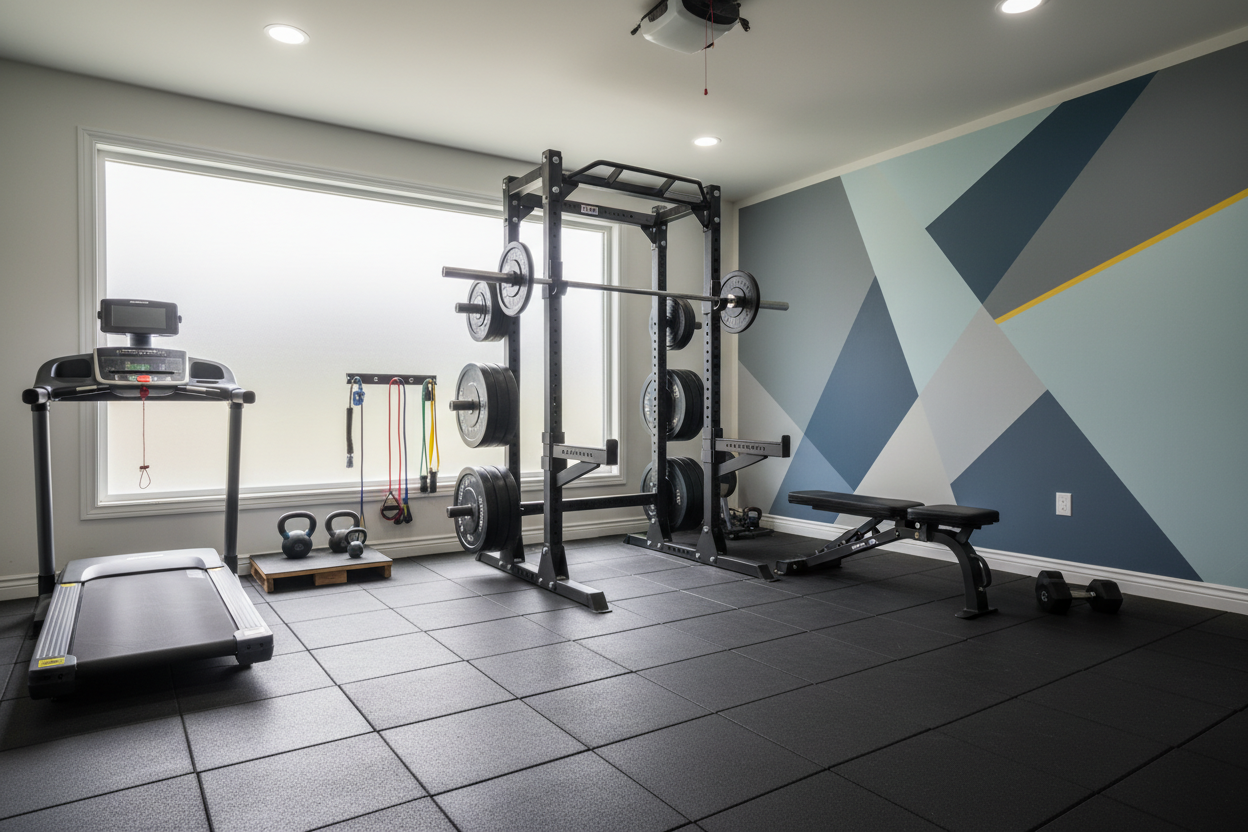
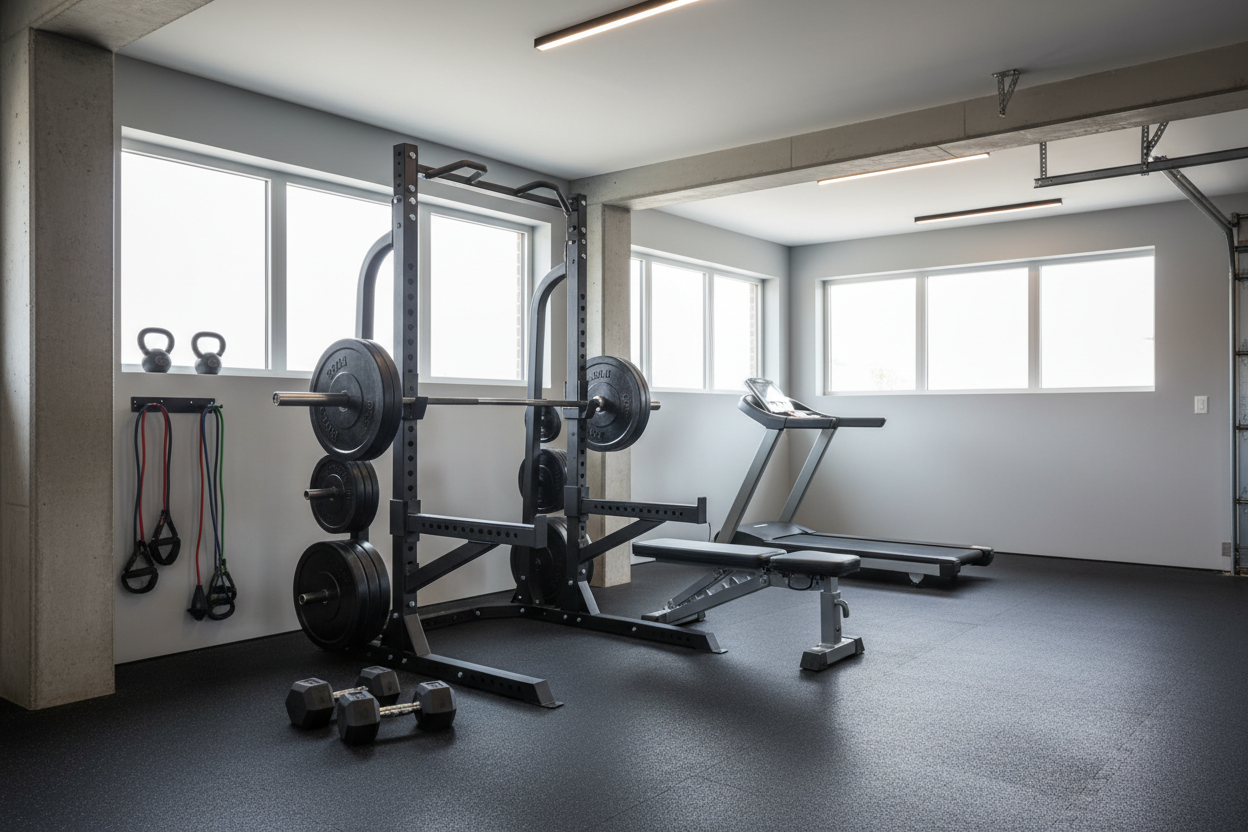
To do this right at home, you need a foundational weight set and bench. Don't buy those plastic-coated cement weights; they're bulky and they leak. Get cast iron or rubber-coated steel. You want a bench that doesn't feel like a wet noodle when you lay on it. A 500-lb capacity is the bare minimum you should look for if you plan on actually getting strong.
Stop Complicating Your Garage Gym Setup
The biggest trap in training weightlifting is thinking you need a specialized machine for every body part. You don't. You need a way to add weight to your body and a stable surface to do it on. I've wasted hundreds of dollars on 'innovative' handles and bands that now just collect dust.
Focus on a rock-solid adjustable weight bench. Being able to switch from flat press to incline press or seated overhead press changes your entire training capacity. If your bench wobbles when you're trying to set a PR, you'll subconsciously hold back. Get the basics right, load the bar, and stop worrying about the 'burn.' Real strength is built with heavy iron and patience.
FAQ
What is the difference between strength training and weight training?
Weight training is the method (using weights), while strength training is the goal (getting stronger). You can do strength training with bodyweight or bands, but weights are generally the most efficient tool for the job.
What is considered weight lifting in a gym?
Anything involving external resistance like dumbbells, barbells, or kettlebells. If you are moving a load to challenge your muscles, it counts. Walking on a treadmill while holding 2lb weights does not count.
What type of exercise is weight lifting?
It is primarily anaerobic exercise. It relies on energy sources stored in the muscles rather than oxygen inhaled during the movement, which is why you can't lift a heavy weight for 20 minutes straight like you can jog.