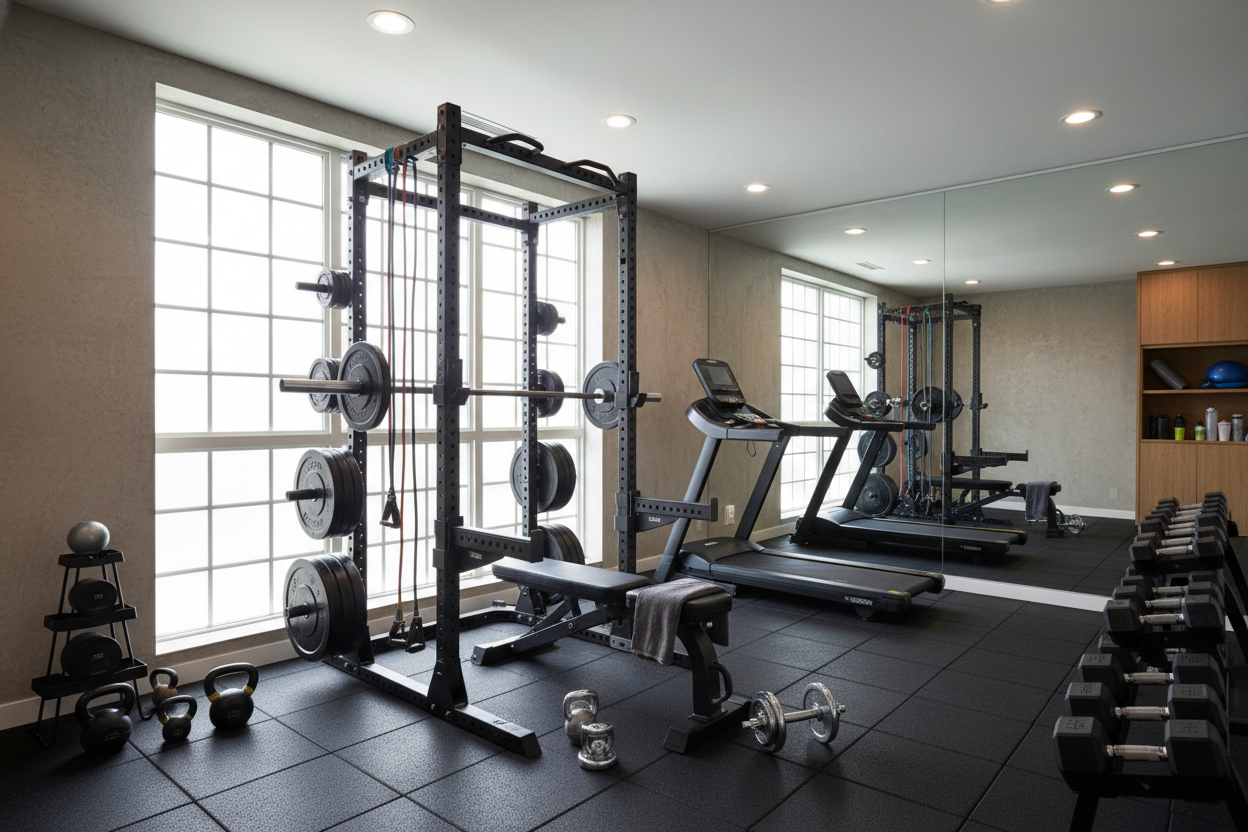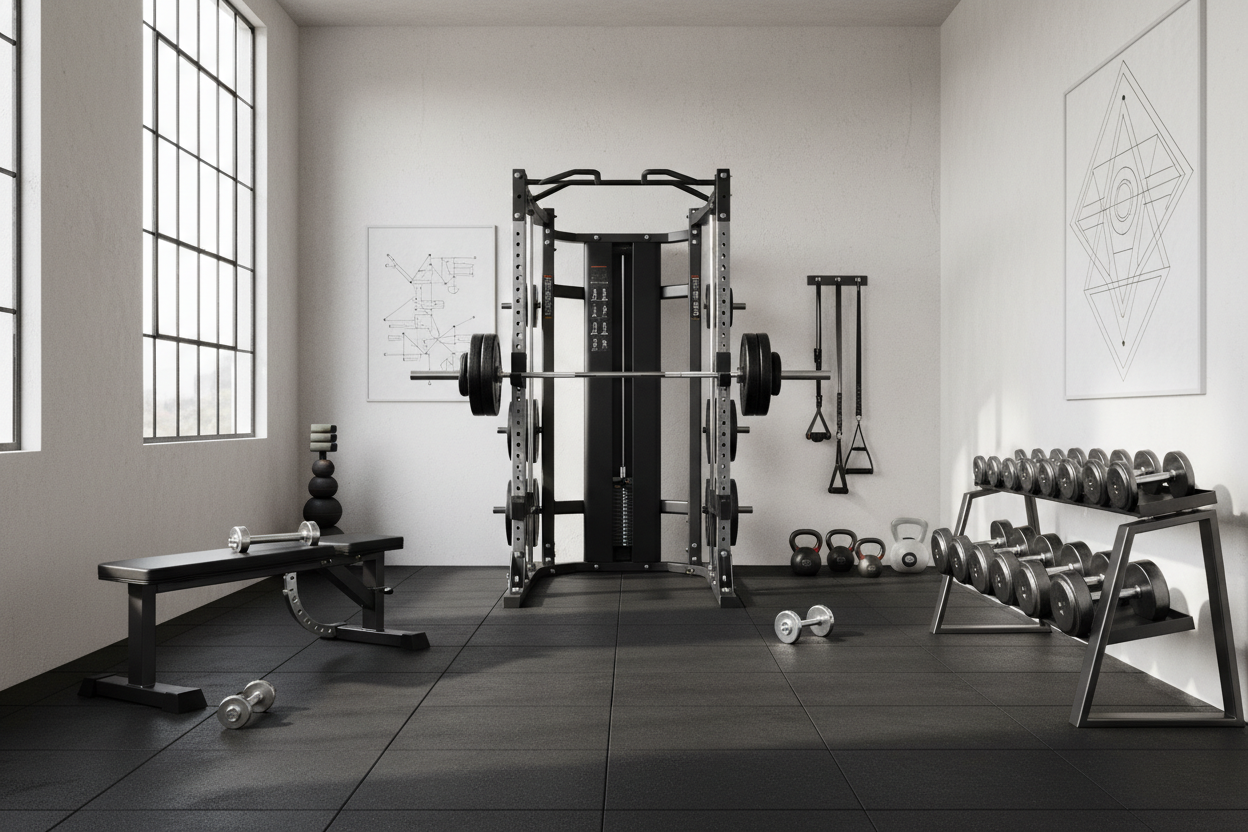
I Sold My Bench to Focus on Standing Upper Body Exercises
I remember staring at my adjustable bench—the one with the wobbly seat and the gap that always seemed to swallow my phone—and realizing it had become a crutch. I was chasing big numbers on the bench press, but my midsection felt like wet cardboard the second I tried to move something heavy in the real world. So, I dragged that 70-pound steel anchor to the curb and committed to standing upper body exercises for a full six months. It was the best decision I ever made for my spine.
Quick Takeaways
- Standing forces your core to act as a bridge between the floor and the weight.
- You'll likely have to drop your working weights by 20% initially to account for the loss of stability.
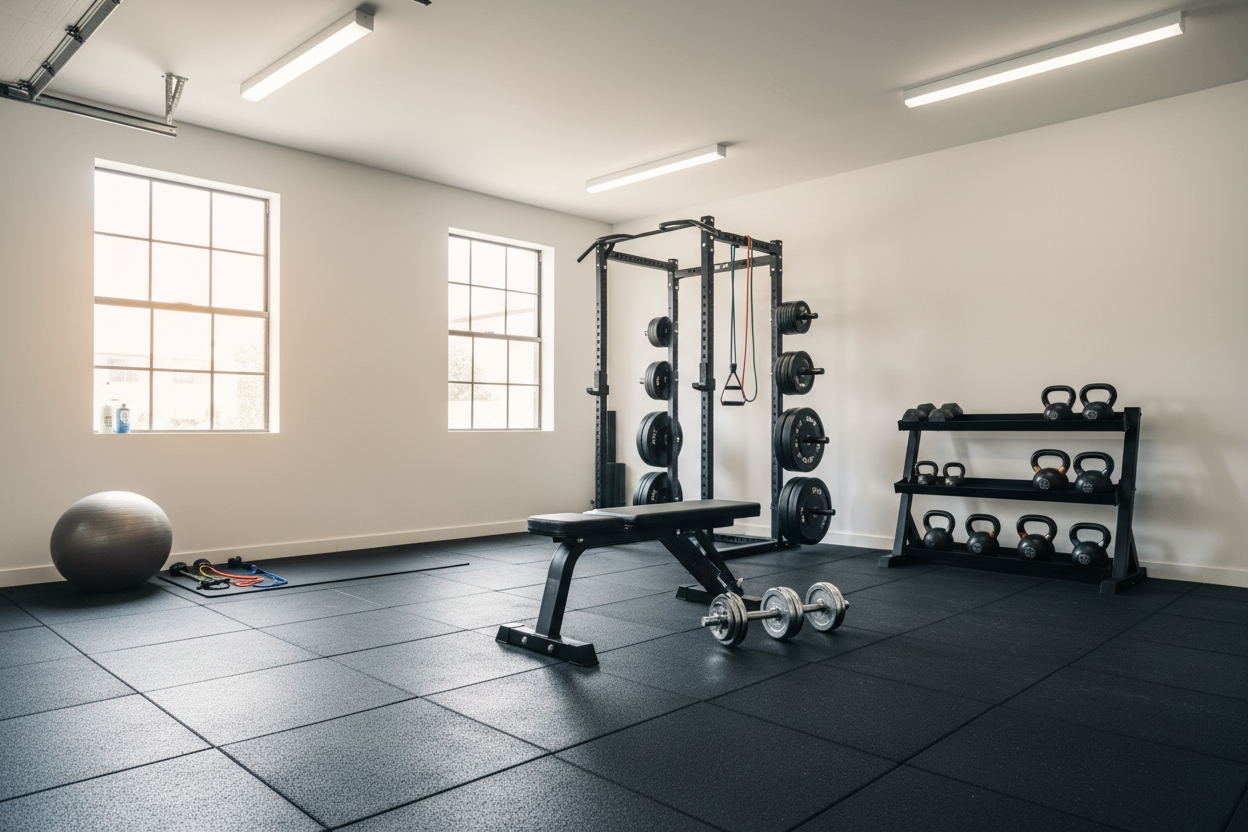
- Floor space in a garage gym is a premium; ditching the bench opens up a 6x4 foot area for more movement.
- Standing presses offer a more natural range of motion for the scapula compared to being pinned against a pad.
Why Your Weight Bench Might Be Making You Weak
Most lifters treat the weight bench like a recliner. The moment your shoulder blades hit that vinyl, your glutes go on vacation and your abdominal wall goes soft. You aren't actually getting stronger in a functional sense; you're just learning how to operate a human hydraulic press while lying down. When you strip away that back pad, you realize how much you've been cheating. Without the bench to catch you, your internal stabilizers—the obliques, the transverse abdominis, and the spinal erectors—have to fire at 100% just to keep you from folding like a lawn chair.
I noticed that my 'gym strength' wasn't translating to my weekend projects. I could bench 275 for reps, but helping a buddy move a fridge felt like I was going to snap in half. That is because the bench creates an artificial environment. It isolates the prime movers but neglects the kinetic chain. By switching to a standing upper body workout, you force your body to work as a single unit. There is no 'off' switch for your core when you have 135 pounds hovering over your skull.
Building Pressing Power From the Floor Up
Real power doesn't start in your shoulders; it starts in your heels. When you perform standing lifts, you're engaging in a full-body dialogue. You have to root your feet into the ground, screw your knees outward to engage the hips, and squeeze your glutes until they cramp. This creates a rigid pillar of support. If there is a leak anywhere in that chain—if your ankles are tight or your core is soft—the weight simply won't move overhead.
One thing I learned the hard way: traction is non-negotiable. I spent years lifting on bare concrete until a heavy set of overhead presses nearly sent me sliding into my water heater. I finally invested in a large, high-grip exercise mat to give my feet the purchase they needed. Having that 7mm of high-density foam between me and the slab changed the game. It allowed me to drive my weight into the floor without the micro-slips that kill your confidence during a PR attempt. If you're standing up to train, your connection to the earth is your most important piece of equipment.
A Brutal Standing Upper Body Workout (No Seat Required)
A lot of people ask, 'How do I hit chest without a bench?' It’s a valid question, but you have to stop thinking in terms of machines. You can build a massive chest and powerful shoulders using cable crossovers, landmine presses, and effective standing dumbbell chest exercises like the standing 'Svend' press or upward flyes. These movements don't just target the pecs; they force your serratus and core to stabilize the load while you're upright.
My go-to routine involves three main pillars: vertical pressing, unsupported rowing, and anti-rotational work. I usually run this three days a week. We’re talking 5 sets of 5 for the heavy stuff, followed by higher volume 'pump' work. The goal is to never let your back touch a support. If you need to rest, you stand or you pace. This keeps the heart rate elevated and ensures your postural muscles are getting the endurance work they desperately need.
The Strict Overhead Barbell Press
This is the undisputed king. Forget the seated military press; the strict standing press is the ultimate test of upper body integrity. The key here is the ribcage. Most lifters arch their lower back to 'cheat' the weight up, which is a one-way ticket to a herniated disc. You need to lock your ribs down toward your pelvis. I like to imagine I'm wearing a tight corset. Keep the bar path as close to your face as possible—I've clipped my chin more than once—and finish with your ears in front of your biceps.
Bent-Over Pendlay Rows
If you want a back like a barn door, stop doing seated cable rows. The Pendlay row requires you to hold a rigid hip hinge while pulling maximum weight from a dead stop on the floor. It is exhausting. Your hamstrings and lower back will scream before your lats even get started. But that’s the point. It builds a level of thickness and 'old man strength' that you just can't get from a chest-supported machine. Use a 28.5mm bar with decent knurling because your grip will give out long before your back does.
How to Balance This With the Rest of Your Week
Transitioning to an all-standing program is a massive shock to the central nervous system (CNS). Your lower back is now working on 'upper body' days, which can lead to burnout if you aren't careful. When I first started, I tried to keep my heavy back squat and deadlift days the same. Big mistake. I felt like I'd been hit by a truck by Wednesday. You have to manage the axial loading.
To stay fresh, I started using dedicated lower body strength machines like a leg press or hack squat for my secondary leg movements. This allows me to hammer my quads without frying my spine, saving that 'back juice' for my standing presses and rows. On days when I'm feeling particularly beat up, I'll swap a heavy lifting session for intense full-body HIIT routines. This keeps my conditioning up and flushes the muscles with blood without the crushing weight of a barbell. It's about training smart, not just training hard.
FAQ
Can I really build a big chest without a bench?
Absolutely. Focus on weighted dips and standing cable flyes. You can also do floor presses if you really miss the horizontal push, but standing landmine presses are superior for upper pec development and shoulder health.
Won't standing all the time hurt my lower back?
Only if your form is trash. Standing exercises actually strengthen the muscles that protect your back. The key is to start light and prioritize 'ribs down' positioning. If you feel a pinch, you're likely arching too much.
How much should I expect my overhead press to drop?
When you move from seated to standing, expect a 15% to 20% drop in weight immediately. Don't let your ego get in the way. You're losing the mechanical advantage of the back pad, but you're gaining total-body stability.