I Ran the Perfect Shoulder Workout Athlean X Built for 30 Days
My overhead press has been stuck at 155 lbs for six months, and my side delts have the structural integrity of a wet noodle. Every time I look in my garage gym mirror, I see the same flat profile. I finally got fed up and decided to run the perfect shoulder workout athlean x designed by Jeff Cavaliere to see if his 'science-based' approach actually builds meat or if it is just a bunch of fancy movements that look good on a whiteboard.
Quick Takeaways
- Focuses heavily on the eccentric (lowering) phase of the lift.
- Requires a barbell, dumbbells, and a cable machine (or heavy bands).
- The 'cheat lateral' is a legitimate way to overload the side delts safely.
- Face pulls are non-negotiable for joint health.
Why I Decided to Torture My Delts for a Month
I am usually the first person to roll my eyes when a fitness influencer starts drawing on their chest with a Sharpie. However, my shoulders were feeling cranky, and my progress was non-existent. I needed a routine that prioritised biomechanics without sacrificing the heavy loading I crave in my training. Jeff Cavaliere’s reputation for prehab and rehab made this routine an obvious choice for a guy with 35-year-old joints.
Instead of just mindlessly pressing until my rotator cuffs screamed, I wanted to see if the specific exercise order and 'corrective' movements would actually lead to growth. I committed to running this exact protocol twice a week for 30 days, pushing every set to the brink of technical failure.
Breaking Down the 'Perfect' Science
The routine starts with a heavy overhead press—the bread and butter of any real shoulder day. But it quickly pivots into 'cheat laterals,' where you use a bit of English to get the weight up and then fight it for a slow three-second eccentric. This is a massive departure from the Athlean X shoulder dumbbell routine, which relies more on isolation than this hybrid power-building approach.
You also get hit with the 'rear delt row' and the infamous face pull. The goal here isn't just to look wide from the front; it is to build a three-dimensional shoulder that doesn't cave forward after a heavy bench session. It is high volume, high intensity, and requires you to actually pay attention to how your humerus is rotating in the socket.
The Good: What Actually Worked in My Garage Gym
The standout for me was the cheat lateral. I’ve always been a 'strict form only' guy, but allowing a little momentum to overload the side delt felt incredible. By the end of week three, I noticed a visible 'cap' on my shoulders that I hadn't seen in years. The pump was so intense I could barely reach behind my head to grab my barbell after the session.
The focus on the rear delts also cleared up some nagging impingement I was feeling in my right shoulder. If you want to see how this stacks up against other high-intensity splits I've put through the ringer, head over to my Workout Hub for the full breakdown of my training logs.
The Bad: Where Biomechanics Meet Reality
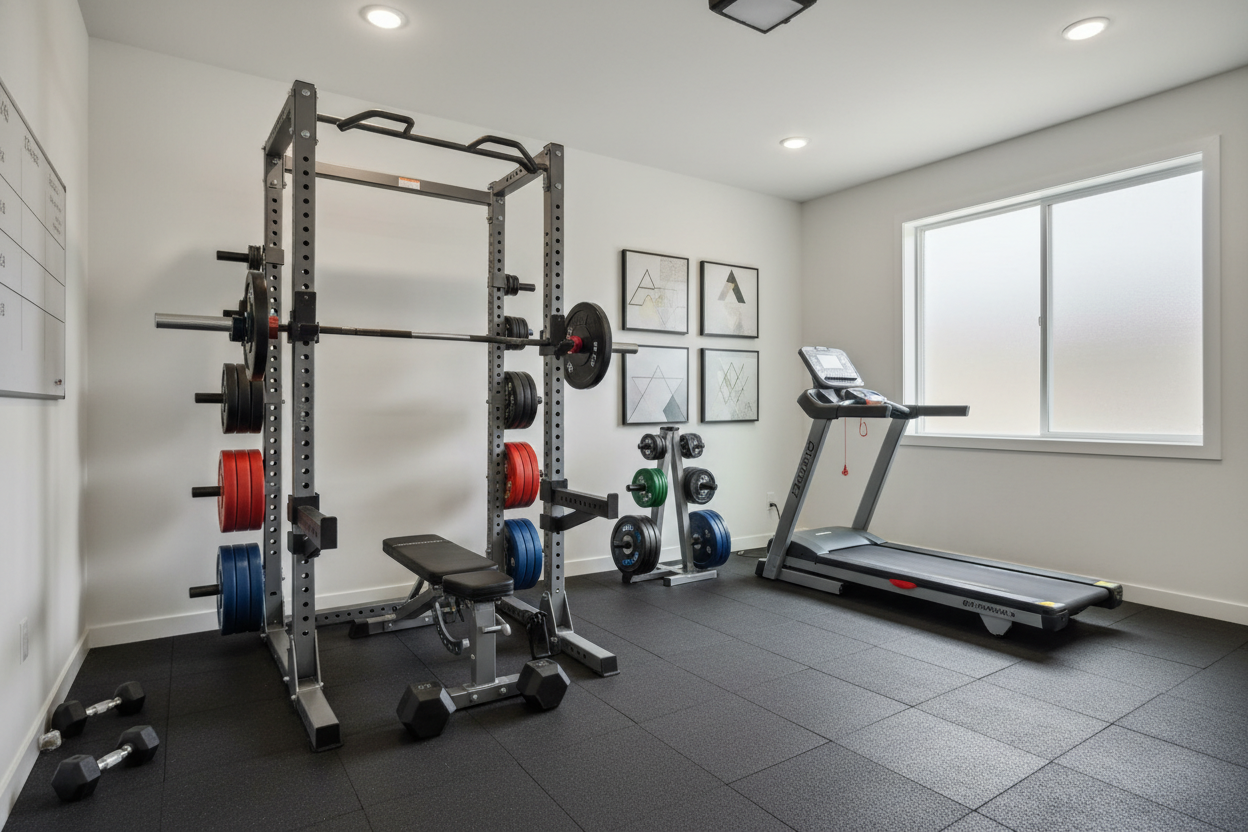
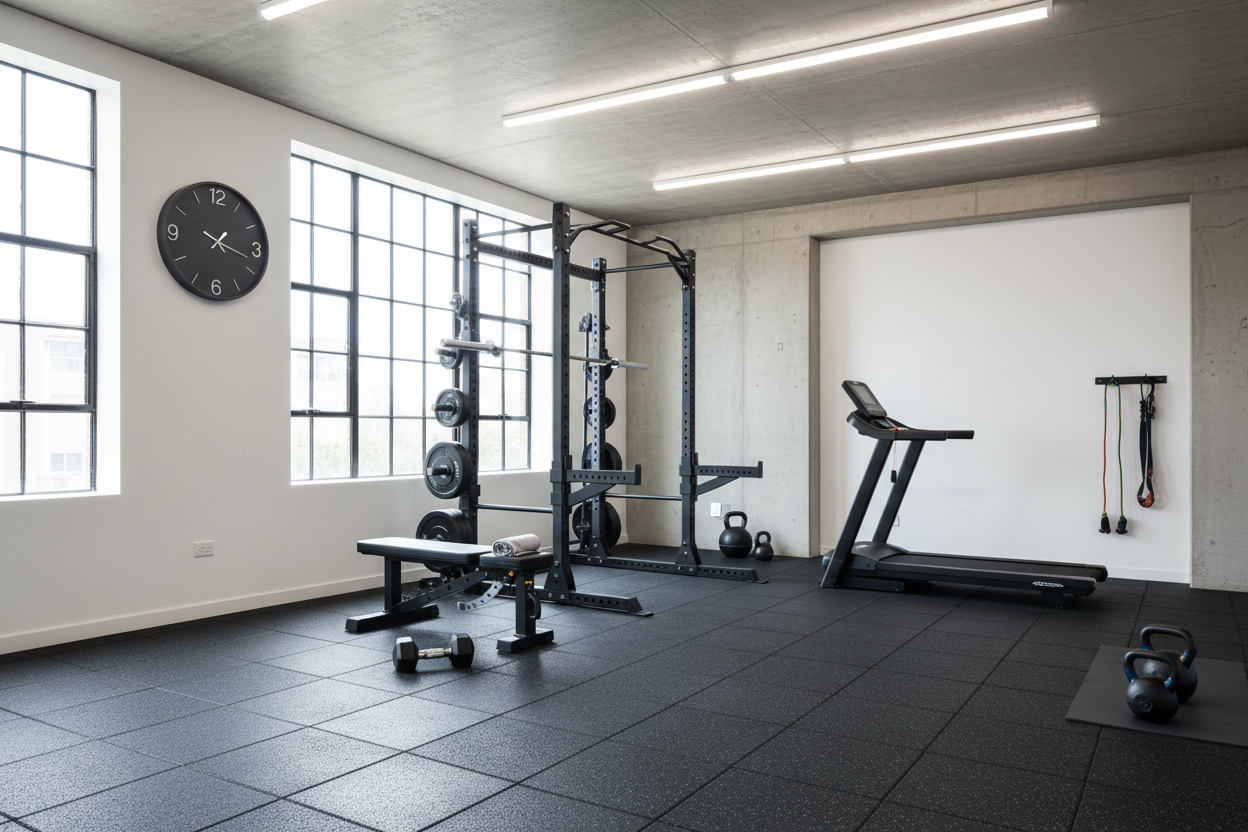
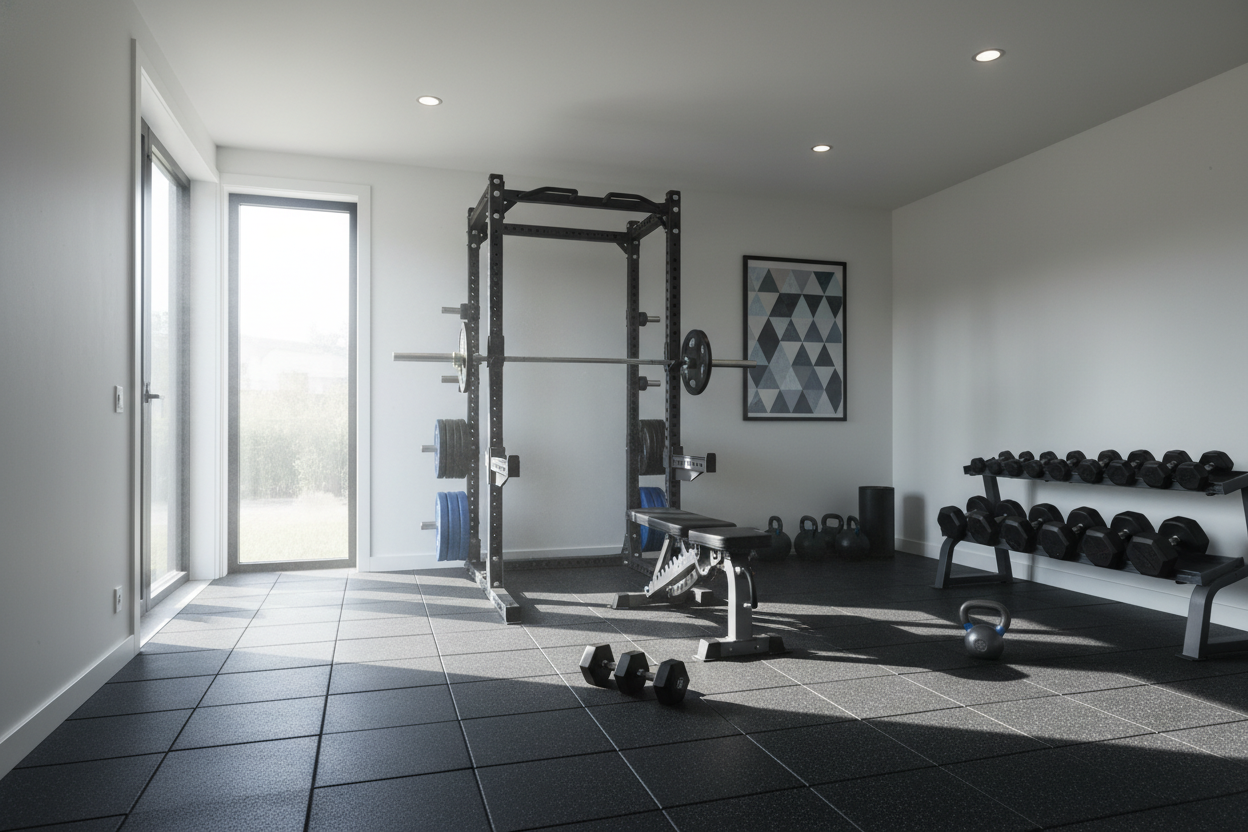
Here is the honest truth: this routine is a logistical nightmare in a small garage gym. It calls for rapid-fire supersets involving cables and floor work. I found myself constantly tripping over my bench or having to re-rig my pulley system every five minutes. It is not exactly 'flow-friendly' when you are working in a tight 200-square-foot space.
One specific pain point was the U-V-W raises. You have to lie face down on the ground to perform these correctly. I had to clear a massive space on my 6X8Ft Exercise Mat just to avoid face-planting into the concrete dust under my power rack. If you have a cluttered gym, you are going to spend as much time moving gear as you do lifting it.
The Verdict: Is It Worth the Hype?
After 30 days, my shoulders feel more stable and look significantly fuller. I didn't add 50 lbs to my overhead press, but my joints feel 'greased' and my posture has improved. This is a thinking man's shoulder workout. If you just want to go into the gym and smash weights without a plan, you will hate the strict tempo requirements and the technicality of the rear delt work.
I am keeping the cheat laterals and the face pulls in my permanent rotation, but I might swap some of the more complex cable work for simpler dumbbell variations next time. It is much more demanding on your recovery than something like an Athlean X Full Body Workout, so make sure you aren't trying to run this alongside a high-volume chest day.
FAQ
Do I need a cable machine for this?
Technically, no. You can use heavy resistance bands anchored to your power rack, but the constant tension of a cable stack is much better for the face pulls and rear delt work.
Is this workout safe for people with rotator cuff issues?
Actually, it might be better than your current routine. The heavy emphasis on the rear delts and external rotation is exactly what most 'bro-split' lifters are missing to fix their shoulder pain.
How long does the workout take?
Expect to spend about 50 to 65 minutes. The setups take time, especially if you are sharing equipment or working in a crowded home gym.