I Lost My Gains: Exactly How to Gain Back Muscle After a Break
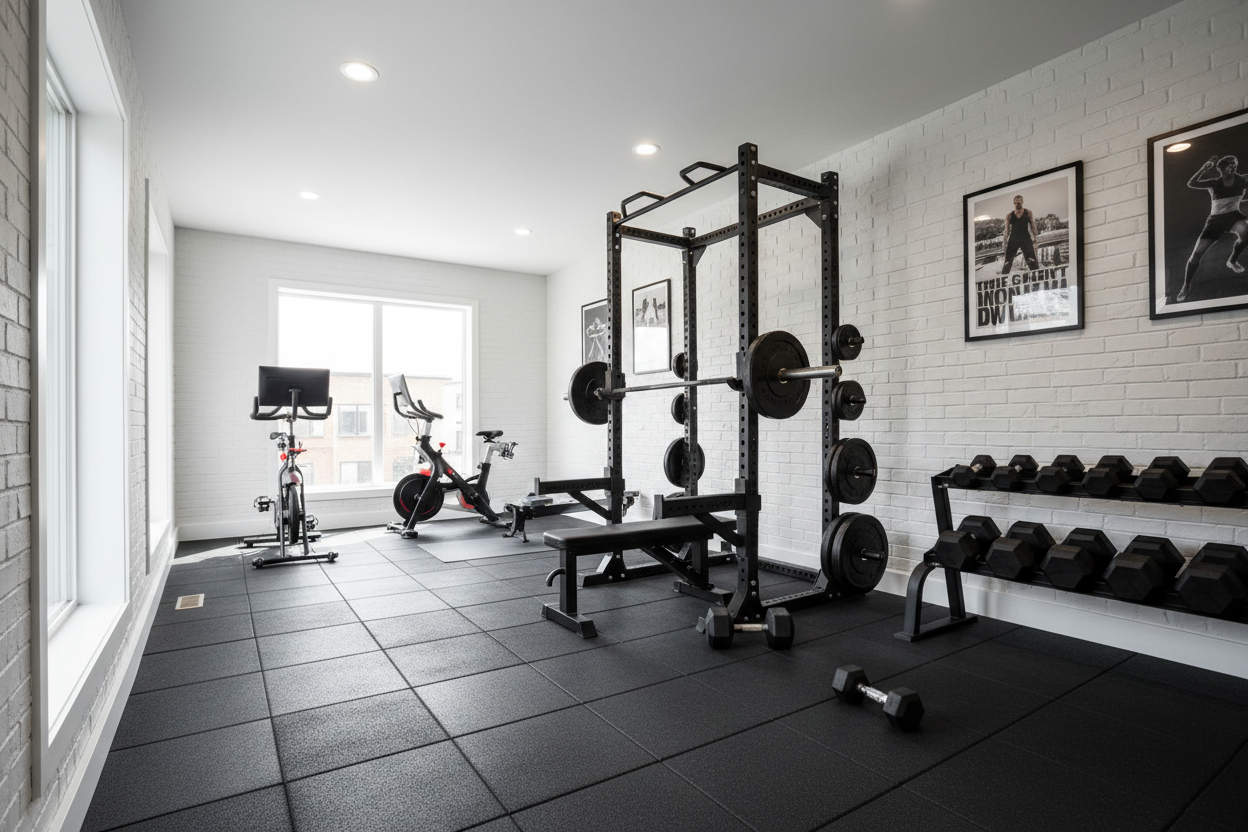
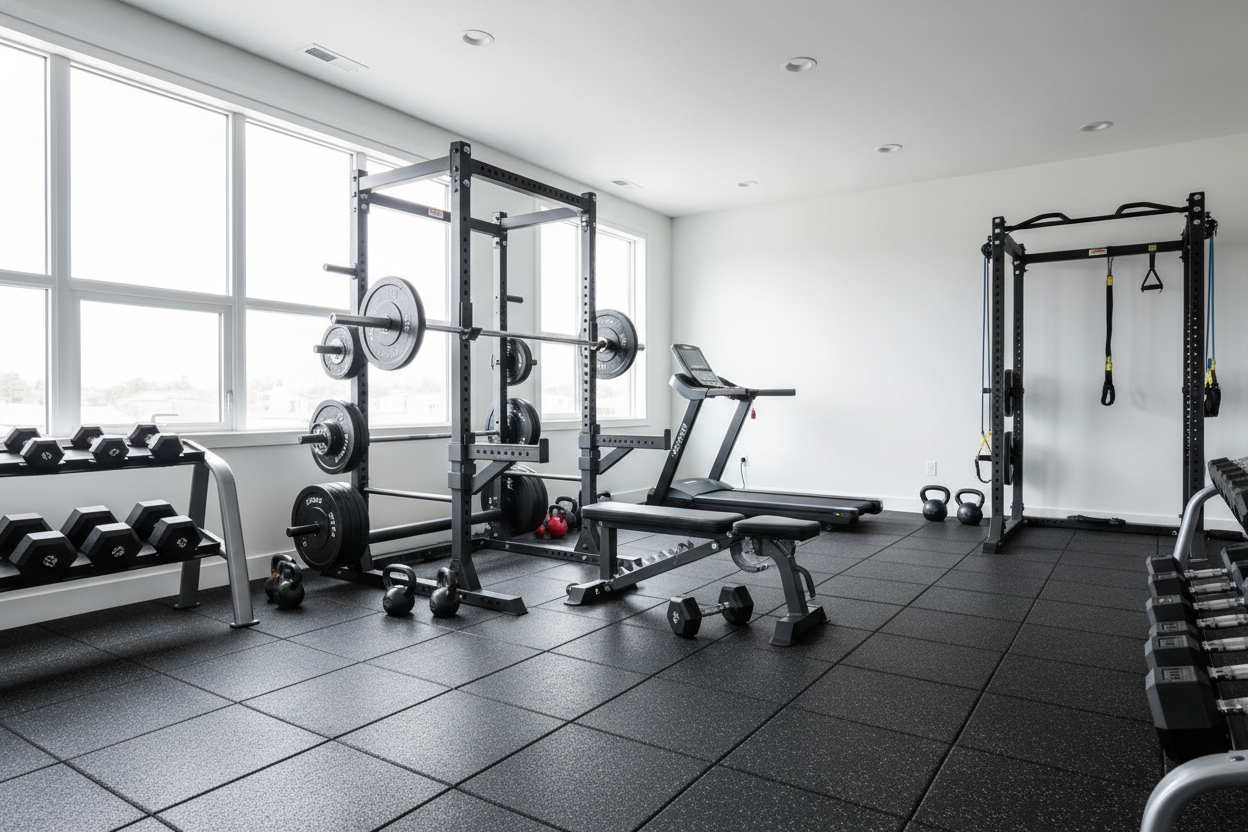
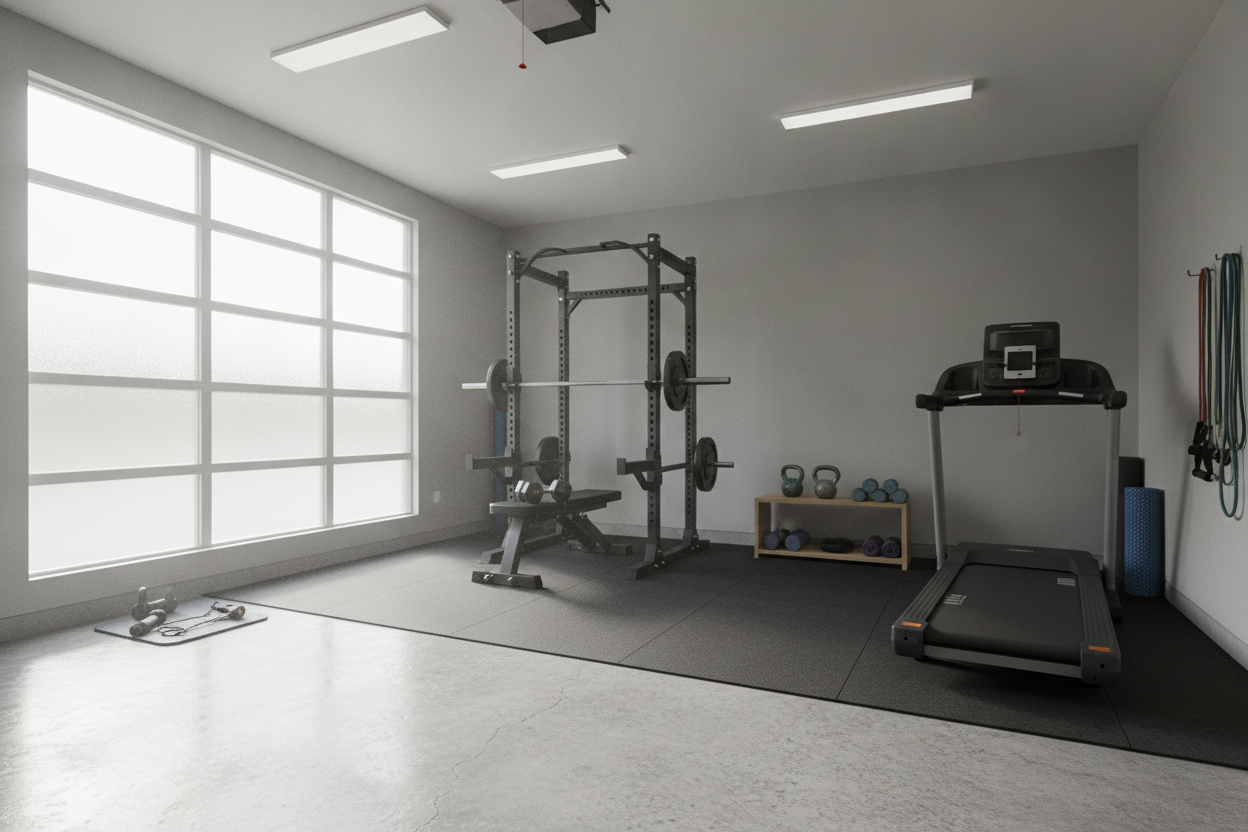
I walked into my garage last Tuesday, looked at my power rack, and felt like a total fraud. After a year of 'life stuff'—a move, a new job, and a shoulder tweak that I used as an excuse to sit on the couch—my chest looked concave and my once-solid quads felt like soft serve. If you are staring at your reflection wondering how to gain back muscle after a long layoff, I know that dark place. It feels like every hour you spent sweating in the basement was deleted from the hard drive. But I have good news: your body is a lot smarter than your ego, and the path back is shorter than the path you took to get there the first time.
Quick Takeaways
- Muscle memory is a biological reality; myonuclei you gained previously stay in your muscle fibers for years.
- Initial 'size' loss is often just glycogen and water depletion, not actual tissue loss.
- Connective tissue (tendons/ligaments) deconditions faster than muscle, so start light to avoid injury.
- You can typically regain lost muscle mass in about 1/3 to 1/2 the time it took to build it initially.
The Panic of Deflating (Why You Feel So Small Right Now)
The first time you look in the mirror after a three-month hiatus, it’s brutal. You feel like you’ve lost every ounce of progress. But here is the truth: you haven't actually destroyed all that contractile tissue. Much of that 'deflated' look is simply a lack of muscle fullness. When you stop training, your muscles stop storing as much glycogen (carbohydrates) and water. Since glycogen carries about three grams of water for every gram of fuel, your muscles literally shrink in volume because the 'tank' is empty, not because the 'engine' is gone.
When people ask how to regain muscle mass fast, they often don't realize that the first two weeks of training will make them look significantly bigger just by refilling those glycogen stores. You aren't growing new fibers in 14 days, but you are hydrating the ones you have. This is why you shouldn't panic about lost gains. You are essentially a dehydrated sponge; once you start the stimulus and the feeding again, you’ll 'pop' back much faster than a beginner ever could.
The Magic of Muscle Memory is Real (Here is the Science)
Can you regain muscle mass after years away? Absolutely. This isn't just bro-science; it’s cellular biology. When you lift weights for the first time, your muscle fibers recruit 'satellite cells' to add new nuclei (myonuclei) to the fiber. These nuclei are the command centers that manage muscle protein synthesis. For a long time, we thought these nuclei disappeared when the muscle shrank. We were wrong. Recent studies show these myonuclei stick around for a long, long time—possibly forever.
This is why rebuilding muscle is easier than building it from scratch. A beginner has to go through the arduous process of creating those new nuclei. You? You just have to wake yours up. This is why does muscle come back faster for experienced lifters. Whether you are looking at how to regain muscle loss from a 6-month break or how long to regain muscle after 1 year, the blueprint is already written in your cells. You’re not building a house; you’re just turning the lights back on in a house that’s been boarded up.
How to Gain Back Muscle Without Wrecking Your Joints
The biggest trap you’ll fall into is your own memory. You remember being able to bench 225 for sets of ten, so you walk over to your heavy strength equipment and try to pick up where you left off. Stop. Your muscles might have the 'memory' to move that weight, but your tendons and ligaments have become brittle. Connective tissue has much less blood flow than muscle, meaning it deconditions faster and recovers slower.
If you want to know how to regain muscle strength without a trip to the physical therapist, you have to swallow your pride. If you’ve been off for more than three months, your first week should feel 'too easy.' You are conditioning your nervous system and greasing the groove of the movements. If you jump straight into max effort, you’ll end up with tendonitis that will sideline you for another three months, and that’s how you truly lose the battle of rebuilding muscle mass.
Start With High Reps and Low Loads
For the first 2-3 weeks, put the heavy iron away. I highly recommend using strength training accessories like resistance bands or light dumbbells for high-rep 'pump' work. We’re talking 15-20 reps per set. The goal here isn't failure; it's blood flow. You want to drive nutrients into the muscle and get the joints moving through a full range of motion.
This phase is about re-establishing the mind-muscle connection. When you've been away, your brain 'forgets' how to efficiently fire all the motor units in a given muscle. High-rep work allows you to practice the movement without the systemic fatigue of heavy weights. This is how to regain muscle fast without the crippling DOMS (delayed onset muscle soreness) that makes you want to quit by Thursday.
Rebuilding Your Base (Don't Neglect the Legs)
It’s tempting to just hammer your arms and chest because that’s what looks 'small' in the mirror. But if you want to know how to regain muscle mass in legs and across your entire frame, you need the big movers. Squats and deadlifts create a systemic hormonal response that helps the rest of your body grow. Even if you only care about your reflection, your legs are the engine room.
I’ve seen guys spend months trying to get their bench back while ignoring their lower body, only to plateau because their base is weak. If you're curious about the timeline, check out this breakdown on how long does it take to build leg muscle. Leg muscle is often the hardest to keep but the most rewarding to regain because of the sheer volume of tissue involved. Don't skip the squat rack just because your jeans feel a little loose right now.
How Long Does It Actually Take to Get Your Gains Back?
So, how long to regain muscle? The general rule of thumb is that it takes about half the time you were off to get back to 90% of your peak. If you took 6 months off, expect to be back to your old self in about 3 months of consistent work. If you’re looking at how long to regain muscle after 2 years, the window is a bit longer, but you’ll still see progress significantly faster than someone who has never touched a barbell.
How quickly do muscles come back? You’ll see the biggest changes in the first 4 weeks. This is the 're-inflation' phase. After that, you’re into the 're-thickening' phase. By month three, most lifters find that their strength is 80-90% of their previous 1RM, even if their endurance isn't quite there yet. Is it easier to regain lost muscle? 100% yes. You’ve done the hard work of building the infrastructure; now you’re just doing the maintenance.
Setting Up Your Return-to-Lifting Routine
Don't jump into a 6-day body part split. Your recovery capacity isn't what it used to be. Start with a 3-day full-body routine. This allows you to hit every muscle group frequently but with lower daily volume, which is the sweet spot for avoiding injury while maximizing muscle memory. Focus on the basics: Press, Pull, Squat, Hinge.
Before you even touch the bar, spend 10 minutes on a protective exercise mat doing mobility work. Cat-camels, bird-dogs, and 90/90 hip switches. Your body is stiff, and trying to force a heavy squat with tight hips is a recipe for a disc issue. Treat your first month back like an 'intro' block. You aren't training for the Olympics; you're training to be the guy you were six months ago.
My Personal Experience: The Six-Month Slump
I once had to take six months off after a nasty bout of pneumonia followed by a busy season at work. I lost 15 pounds, and most of it was muscle. When I finally got back to my home gym, I felt like a stranger in my own skin. My first mistake? I tried to hit my old 'easy' warm-up of 185 lbs on the bench. It felt like a house. I almost pinned myself because I was too proud to use the spotter arms.
I had to take a step back and realize that rebuilding lost muscle is a marathon, not a sprint. I spent two weeks just doing bodyweight work and band pull-aparts. Once I let go of the 'lost gains' ego, the progress exploded. Within eight weeks, I was back to my old shirt size. The lesson? The muscle is there, waiting. You just have to be patient enough to let it wake up without breaking yourself in the process.
FAQ
How long does it take to regain muscle after a year off?
Generally, you can expect to regain the majority of your lost mass in 3 to 5 months of consistent training. The 'muscle memory' effect is very strong after a year, meaning you will progress much faster than a true beginner.
Is it easier to gain muscle back after losing it?
Yes, significantly. Because you have already developed the myonuclei and the neural pathways for the movements, your body can synthesize protein and recruit muscle fibers much more efficiently than it did the first time around.
How can I regain muscle mass fast?
Focus on high-frequency, moderate-volume training. Hit each muscle group 2-3 times per week, prioritize sleep, and ensure you are eating at least 0.8g to 1g of protein per pound of body weight to support the rebuilding process.
How long for muscle memory to come back?
The neural 'feel' for the lifts often returns within 2 weeks. The actual physical size and 'fullness' usually start to return noticeably by week 4 as glycogen stores refill and protein synthesis ramps up.