I Left My Power Rack for a Portable Gym (Here Is What Happened)
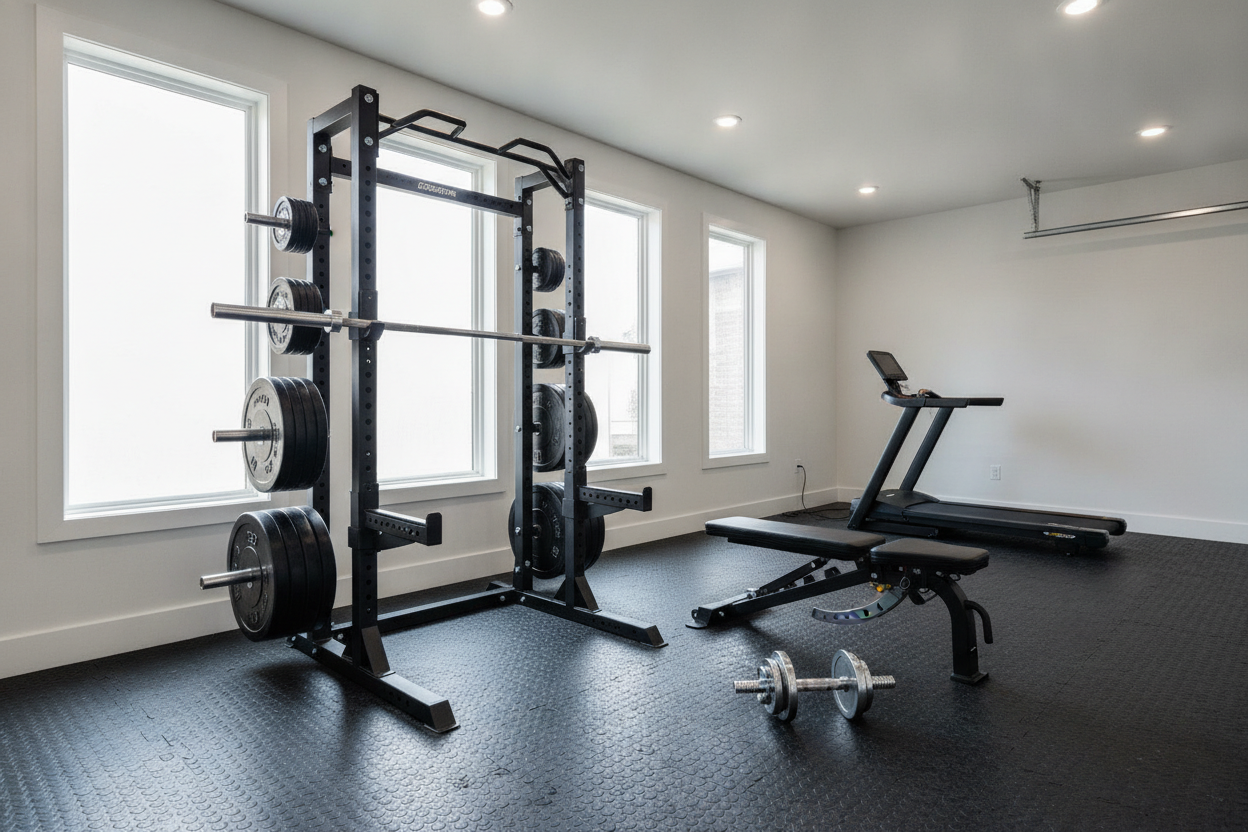
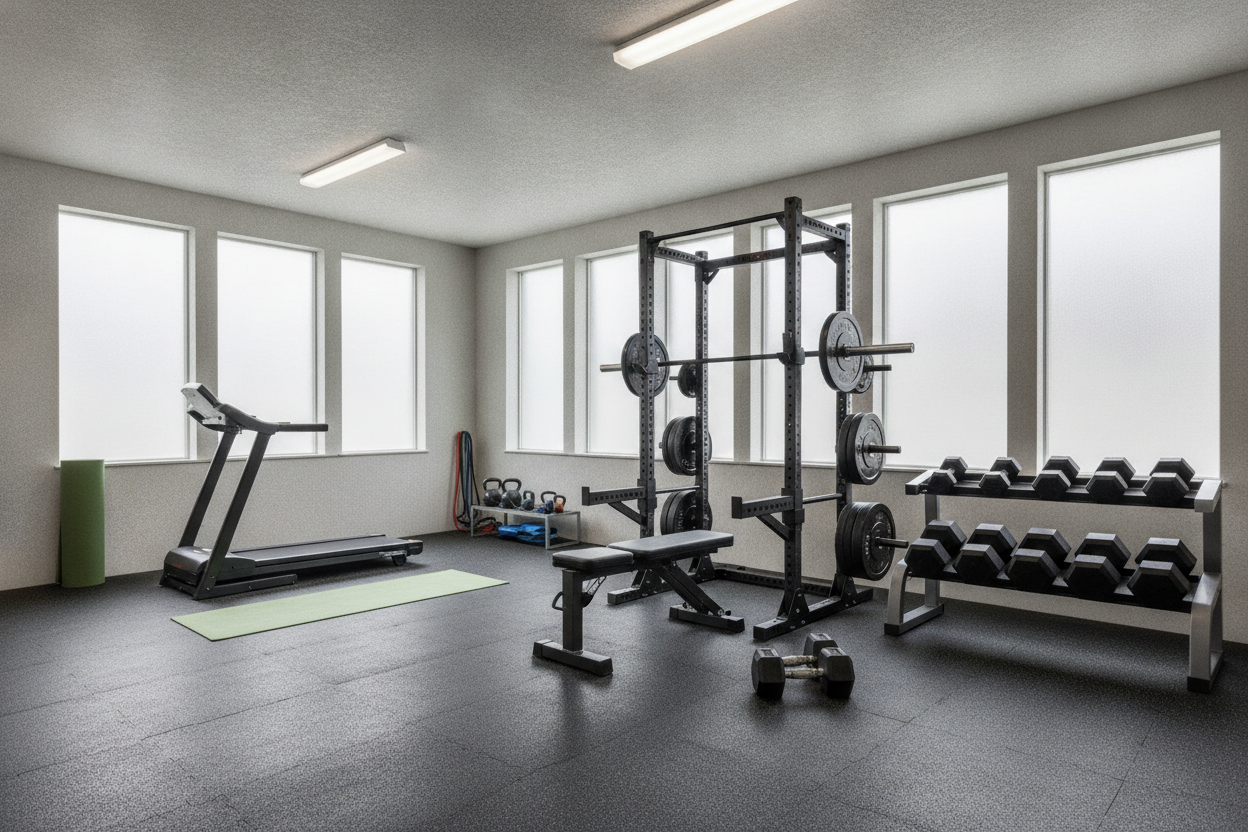
I spent years building my garage gym. I have 1,000 pounds of iron, a custom-built rack, and a deadlift platform that has seen more sweat than a sauna. But life happened, and I found myself staring at a month-long road trip where the only iron I’d see would be the rusty 20-pound dumbbells in a Budget Inn basement. That is when I decided to commit to a portable gym.
- Resistance is linear: Unlike gravity, the tension gets harder the further you stretch it.
- Portability is king: A full setup fits in a carry-on, leaving room for your shoes.
- Leg days are the weak point: You can’t truly replace a 400-pound squat with rubber.
- Build quality matters: Metal carabiners and reinforced stitching are non-negotiable.
The Anxiety of Losing Your Gains on the Road
Every strength athlete knows the feeling. You pack your bags, and all you can think about is your bench press numbers tanking while you’re away. Most hotel fitness centers are a joke. If I see one more 'all-in-one' machine with a broken cable and a seat that doesn't adjust, I’m going to lose my mind.
I needed something that actually provided enough stimulus to keep my muscle mass from evaporating. I wasn't looking for a light pump; I wanted to feel like I actually trained. The fear of returning to my garage and failing a warm-up weight is what finally pushed me to find a legitimate portable exercise machine.
What Even Qualifies as a Real Portable Gym?
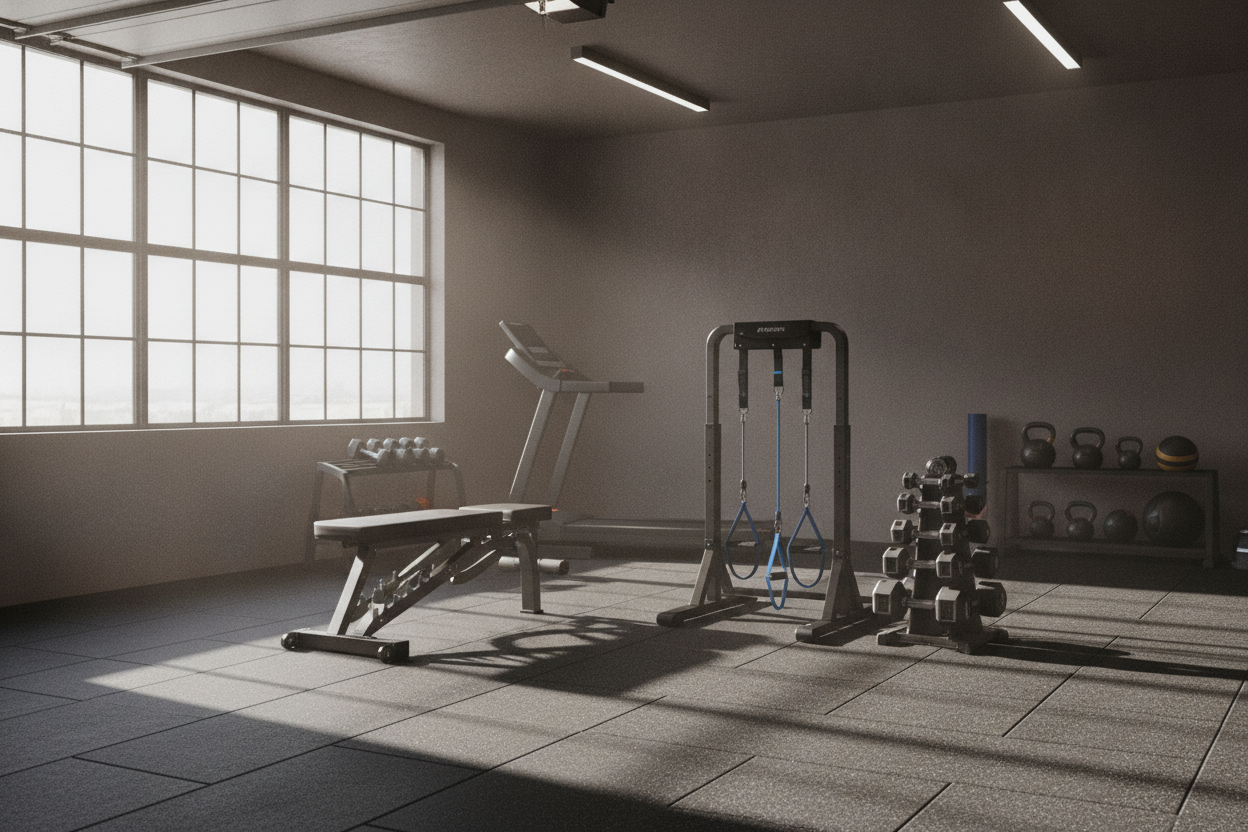
Let’s get one thing straight: throwing a single $10 rubber loop in your bag is not a gym. That’s a physical therapy tool. A real portable home gym system needs three things: a stable base plate to stand on, a collapsible bar that doesn't flex like a wet noodle, and high-tension bands with real weight ratings.
A lot of these systems are marketed as compact exercise equipment for home use, especially for folks in tiny apartments. But for me, it had to survive the back of a truck and hotel room carpets. If it doesn't have heavy-duty carabiners and a bar that can handle 200+ pounds of tension, it’s just a toy.
The 30-Day Experiment: Iron vs. Elastics
The first week was a reality check. You can’t just walk up to a portable fitness machine and expect it to feel like a barbell. There’s no 'slack' in a band. The tension starts immediately and ramps up aggressively. I had to swallow my pride and realize that my '1-rep max' on a band felt totally different than it did with a plate-loaded bar.
I spent thirty days hitting the same split I do at home: Push, Pull, Legs. I swapped my bench for band presses and my rows for standing resisted rows. By day ten, the soreness was real. My stabilizers were screaming because the bands don't let you 'cheat' the movement the way a machine does. It was humbling, but it was working.
Where the Resistance Actually Felt Legit
Upper body days were where this portable weight equipment actually surprised me. Overhead presses felt incredible. Because the resistance increases at the top of the movement, my triceps were getting absolutely smoked. The same went for rows and bicep curls.
The ascending tension curve mimics what you get from high-end cable machines. If you’re looking for a portable resistance training system, the key is the bar. Having a solid grip allows you to generate way more force than just holding onto rubber handles that dig into your palms.
The Exercises That Completely Failed
Now for the ugly part. Trying to do a heavy deadlift with mobile workout equipment is a struggle. To get enough tension to make a deadlift challenging, you have to wrap the bands so tight that the base plate starts to feel like it might snap. It’s also tough on the feet.
Squats were also a headache. Without a rack, you have to 'clean' the bar to your shoulders or find a way to duck under it while the bands are already stretched. I also realized that doing floor work on a thin hotel carpet is a recipe for rug burn. I highly recommend bringing a dedicated exercise mat for home workout sessions to keep your base plate stable and your joints cushioned.
How to Build a Travel Setup That Doesn't Suck
If you’re going to drop money on a portable gym machine, look at the connections. Plastic D-rings are a death sentence—they will snap under high tension. You want steel. Also, check the band length. If you’re over six feet tall, some of these 'all in one' systems will be too short for overhead movements.
The best setups use layered latex bands rather than molded rubber. Layered bands are less likely to snap catastrophically; they usually start to peel first, giving you a warning. This is a huge factor when you're looking for compact home gym equipment that you actually intend to use for heavy strength training.
Final Verdict: Who Should Actually Buy One?
After 30 days, I went back to my power rack. My bench press hadn't dropped a pound, and my back actually looked thicker. A portable weight lifting equipment setup won't replace a 1,000-pound total for a powerlifter, but it is a hell of a lot better than doing nothing or using those 15-pound hotel dumbbells.
If you travel more than once a month, just buy one. It’s the difference between maintaining your hard-earned muscle and starting over every time you come home from a trip. Just don't expect it to be easy.
FAQ
Can you actually build muscle with a portable gym?
Yes, as long as you apply progressive overload. You have to keep adding bands or increasing reps just like you would add plates to a bar. Mechanical tension is what builds muscle, and your body doesn't know if that tension comes from iron or latex.
Is a portable gym better than bodyweight exercises?
Almost always. Bodyweight exercises are great, but it’s hard to hit your posterior chain (back and hamstrings) effectively without some form of external resistance. A portable system allows for rows and hinges that calisthenics can't easily replicate.
Will the bands snap and hit me?
If you buy cheap, molded rubber bands and leave them in a hot car, yes. If you buy high-quality layered latex and check them for nicks before each session, the risk is extremely low. Treat them like any other piece of heavy equipment.